
What Is Compost Extract, and How Can It Be Used to Boost Plant Growth?
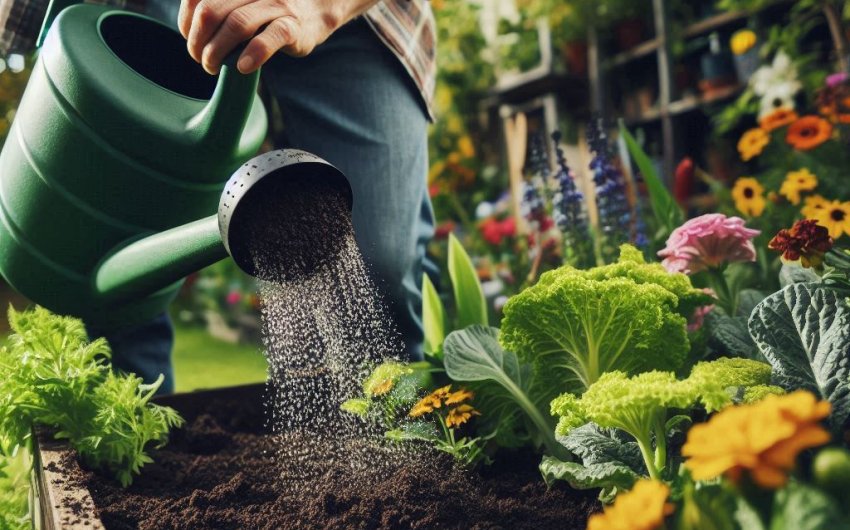
Gardening often feels like a constant effort to feed our plants and keep them healthy. We hear a lot about compost, and how amazing it is for soil. But what if there was a way to get all that goodness from compost in a liquid form, something you could easily water or spray onto your plants? That's exactly where compost extract comes into play. It's like a liquid gold for your garden, packed with beneficial microbes and nutrients that can give your plants a significant boost.
Unlike other fertilizers, compost extract doesn't just feed the plant; it feeds the soil and the tiny living things within it. This creates a much healthier and more balanced environment for everything to thrive. It’s a natural, gentle, and incredibly effective way to support your garden's ecosystem. Let's explore what this powerful liquid is and how you can use it to help your plants grow stronger and more vibrant than ever before.
What Exactly Is Compost Extract?
Think of compost extract as a potent "tea" made from finished compost. It's not the same as compost tea, which often involves brewing with added sugar and air, creating a much larger and more diverse microbial population. Compost extract is simpler, focusing on washing the beneficial microbes and nutrients from the compost into water.
Compost Extract vs. Compost Tea: What's the Difference?
This is a common point of confusion. While both are liquid products derived from compost, their creation and typical uses differ:
- Compost Extract: This is made by simply soaking high-quality, finished compost in water, or by rinsing it, and then straining the liquid. The goal is to extract the soluble nutrients and, more importantly, the beneficial microorganisms (bacteria, fungi, protozoa, nematodes) that are attached to the compost particles. It's a quick process, often done in minutes or a few hours. Because it's not actively aerated or fed with sugars, the microbial populations generally remain stable and similar to what's in the original compost. It's primarily about transferring the existing biology and nutrients from the compost to a liquid form.
- Compost Tea: This is a more active process. High-quality compost is brewed in water, often with the addition of a food source (like molasses or fish hydrolysate) and constant aeration (using an air pump and air stone). The goal is to actively grow and multiply the microbial populations to extremely high numbers. This process usually takes 12-36 hours. The resulting "tea" is teeming with a much higher concentration of diverse microbes than an extract, and it's generally used much faster to ensure the microbes are still alive and active.
For the purpose of simplicity and general garden use, compost extract is often preferred by home gardeners because it's easier and quicker to make without specialized equipment like air pumps. It still delivers a significant benefit to plants and soil.
What's Inside Compost Extract That Makes It So Special?
The magic of compost extract comes from several key components:
- Beneficial Microorganisms: This is the real powerhouse. Compost extract is full of bacteria, fungi, protozoa, and nematodes. These microscopic helpers do incredible things in the soil:
- They break down organic matter, making nutrients available to plants.
- They improve soil structure, creating better air and water flow.
- Some act as natural disease suppressors, protecting plants from harmful pathogens.
- They form symbiotic relationships with plant roots, helping them absorb nutrients more efficiently.
- Soluble Nutrients: As compost is soaked, some of the readily available nutrients like nitrogen, phosphorus, and potassium, as well as essential micronutrients, dissolve into the water. While not as concentrated as synthetic fertilizers, these nutrients are in a plant-friendly form.
- Humic and Fulvic Acids: These are complex organic compounds that are products of decomposition. They act as chelators, meaning they can bind to nutrients and make them more available for plant uptake. They also improve soil structure and water retention.
How Does Compost Extract Boost Plant Growth?
Compost extract doesn't just add food to your plants; it kickstarts a whole ecosystem in the soil that benefits plant health in numerous ways.
Enhancing Nutrient Availability
This is one of the primary benefits. Plants don't just "eat" raw nutrients; they need them in specific forms.
- Microbial Conversion: The bacteria and fungi in compost extract are like tiny chefs in the soil. They break down complex organic materials and minerals, converting them into forms that plant roots can easily absorb. For example, they can convert atmospheric nitrogen into a form plants can use, or unlock phosphorus that's tied up in the soil.
- Improved Root Uptake: When soil life is thriving, roots grow stronger and more extensive. The microbial activity around the roots (called the rhizosphere) creates an ideal environment for nutrient absorption. Some fungi, called mycorrhizae, even extend the root system, greatly increasing the plant's ability to forage for water and nutrients.
Improving Soil Structure
Healthy soil isn't just about what's in it; it's about its physical structure.
- Aggregation: Microbes produce sticky substances that bind soil particles together into small clumps called aggregates. This creates tiny pores in the soil, allowing for better air circulation (roots need oxygen!) and water penetration.
- Better Drainage and Water Retention: Paradoxically, improved structure means soil can drain better (preventing waterlogging) while also holding onto moisture more effectively for plants. This is because the aggregates create both large pores for drainage and small pores that hold water like a sponge.
Suppressing Pests and Diseases
A healthy soil ecosystem is your plants' first line of defense.
- Competitive Exclusion: Beneficial microbes occupy the "real estate" around plant roots and on leaf surfaces, leaving less room and fewer resources for harmful pathogens to take hold. It's like a crowded restaurant – if all the tables are full, there's no room for new customers.
- Antagonistic Effects: Some beneficial microbes directly produce compounds that inhibit the growth of disease-causing organisms.
- Induced Systemic Resistance (ISR): The presence of beneficial microbes can trigger a plant's natural defense mechanisms, making it more resistant to pests and diseases. The plant becomes "primed" to respond more effectively to threats.
Boosting Plant Vigor and Resilience
Overall, a thriving microbial community leads to stronger, more resilient plants.
- Stress Tolerance: Plants growing in biologically rich soil are better equipped to handle environmental stresses like drought, heat, and even minor pest attacks. Their roots are healthier, their nutrient uptake is more efficient, and their natural defenses are stronger.
- Enhanced Growth: All these benefits combine to support robust plant growth, leading to more vigorous plants, better yields, and more beautiful blooms.
How Do I Make My Own Compost Extract?
Making compost extract is surprisingly simple and doesn't require much specialized equipment. The key is to use high-quality, finished compost.
What You'll Need:
- High-Quality Compost: This is the most crucial ingredient. It should be dark brown, crumbly, and smell like fresh earth. Avoid compost that smells sour, looks slimy, or has visible undecomposed materials. Homemade compost is great, but you can also buy good quality finished compost from a garden center or suppliers like Michigan Peat Garden Compost.
- Non-Chlorinated Water: Tap water often contains chlorine, which can harm beneficial microbes. Let tap water sit out in an open container for 24 hours to allow the chlorine to evaporate, or use rainwater or well water.
- A Container: A 5-gallon bucket is a good size. Make sure it's clean.
- A Mesh Bag or Old Pillowcase: This will hold the compost. You can also use a reusable paint strainer bag.
- A Stirring Stick: A simple stick or spoon will do.
The Simple Steps:
- Fill the Mesh Bag: Put about 1-2 cups of finished compost into your mesh bag. You don't want to overfill it; the water needs to circulate through the compost.
- Suspend in Water: Place the mesh bag into your 5-gallon bucket. Fill the bucket with non-chlorinated water, ensuring the compost bag is fully submerged.
- Steep and Agitate: Let the compost steep for 15-30 minutes. During this time, every few minutes, gently lift and dunk the bag, or stir the water around the bag. The goal is to "wash" the microbes and soluble nutrients off the compost particles into the water. You'll notice the water starting to turn a light brown to dark brown color, like weak tea.
- Remove Compost: Once the water has taken on a good color, remove the mesh bag of compost. You can put the spent compost back into your compost pile or spread it directly on your garden beds.
- Use Immediately: Compost extract is best used as soon as it's made, ideally within 4-6 hours. This ensures the beneficial microbes are still alive and active. The longer it sits, especially without aeration, the more the beneficial microbes will decline, and anaerobic (bad) microbes could start to multiply.
How Do I Use Compost Extract to Boost My Plants?
Once you have your fresh compost extract, there are several effective ways to apply it to your garden.
Soil Drench (Root Zone Application)
This is the most common and arguably most effective way to use compost extract, as it directly benefits the soil food web around the plant roots.
- Application: Simply pour or water the diluted compost extract directly onto the soil around the base of your plants. Make sure it soaks into the root zone.
- Dilution: You can use it undiluted, but many gardeners prefer to dilute it with water to make it go further. A common dilution is 1 part extract to 1-4 parts non-chlorinated water.
- Benefits: Delivers microbes and nutrients directly where they can do the most good, improving soil structure, nutrient availability, and root health.
- Frequency: Apply every 2-4 weeks during the growing season, especially for vegetables and heavy feeders.
Foliar Spray (Leaf Application)
Spraying compost extract directly onto plant leaves can also offer benefits, particularly for disease suppression and nutrient uptake through the leaves.
- Application: Use a clean spray bottle or a garden sprayer to mist the leaves of your plants thoroughly, ensuring both top and bottom surfaces are covered. You can use something like a Chapin 2054A Handheld Sprayer.
- Dilution: Dilute the extract more for foliar spray, perhaps 1 part extract to 5-10 parts non-chlorinated water. This helps prevent any residue from forming on leaves and ensures finer spray.
- Timing: Apply in the early morning or late afternoon when temperatures are cooler and the sun isn't strong. This prevents the spray from evaporating too quickly and allows the microbes to settle. It also reduces the risk of leaf burn. Avoid spraying during midday heat.
- Benefits: Helps create a protective microbial barrier on leaf surfaces against airborne fungal diseases. Some nutrients can also be absorbed directly through the leaves.
- Frequency: Apply every 1-2 weeks, especially during periods of high humidity or when disease pressure is a concern.
Seed Soaking and Seedling Drench
Give your plants a powerful head start right from the beginning.
- Seed Soaking: Soak seeds in diluted compost extract (e.g., 1 part extract to 5-10 parts water) for 30 minutes to a few hours before planting. This can help improve germination rates and introduce beneficial microbes to the seed coat.
- Seedling Drench: Once your seedlings emerge or after transplanting, water them with diluted compost extract. This helps them establish strong root systems and adapt to their new environment more quickly.
Compost Pile Inoculation
Speed up your composting process and improve the quality of your finished compost.
- Application: Periodically spray or drench your active compost pile with compost extract.
- Benefits: Introduces a fresh burst of beneficial microbes, helping to accelerate decomposition and ensuring a more robust microbial population in your finished compost.
Tips for Maximizing the Effectiveness of Compost Extract
To get the most out of your compost extract, keep these best practices in mind.
Use High-Quality Compost
This cannot be stressed enough. The quality of your compost extract is directly dependent on the quality of your source compost.
- Finished and Mature: Use compost that is fully broken down, dark, crumbly, and smells earthy. Undecomposed material means fewer beneficial microbes and potentially harmful ones.
- Aerobic: Good compost is made in aerobic (oxygen-rich) conditions. This fosters beneficial microbes. Anaerobic (oxygen-deprived) compost can produce undesirable compounds and microbes.
- Diverse Ingredients: Compost made from a wide variety of materials (plant waste, food scraps, some manure) will generally have a more diverse microbial population.
Use Non-Chlorinated Water
Chlorine is a sanitizer; it kills microbes, including the beneficial ones you're trying to extract.
- Off-Gas Tap Water: Fill a bucket with tap water and let it sit uncovered for 24 hours. The chlorine will evaporate.
- Rainwater or Well Water: These are ideal if you have access to them.
Use It Fresh!
Compost extract is a living product. The beneficial microbes need oxygen to survive.
- Immediate Use: Apply the extract as soon as possible after making it, ideally within 4-6 hours. The longer it sits, especially without aeration, the fewer active microbes it will contain.
- No Storage: Do not try to store compost extract for long periods. It's meant for immediate use. If it smells foul, it has gone anaerobic and should not be used on plants.
Observe Your Plants
Pay attention to how your plants respond to the compost extract. While it's generally very safe, observing their growth can help you fine-tune your application frequency. Look for increased vigor, deeper green color, and better resistance to stress.
Consider a Microscope (Optional)
For serious enthusiasts, investing in an inexpensive microscope (around 400x magnification) can be fascinating. You can observe the teeming microbial life in your compost extract to ensure you've made a good batch. This helps confirm the presence of bacteria, fungi, and other microorganisms that are vital for plant health.
By incorporating compost extract into your gardening routine, you're not just adding nutrients; you're nurturing the very foundation of your garden's health: its soil and its intricate web of life. This natural approach supports robust plant growth, resilience, and a truly thriving ecosystem.