
How Can I Create a Compost System That Accommodates Both Kitchen Scraps and Yard Waste?
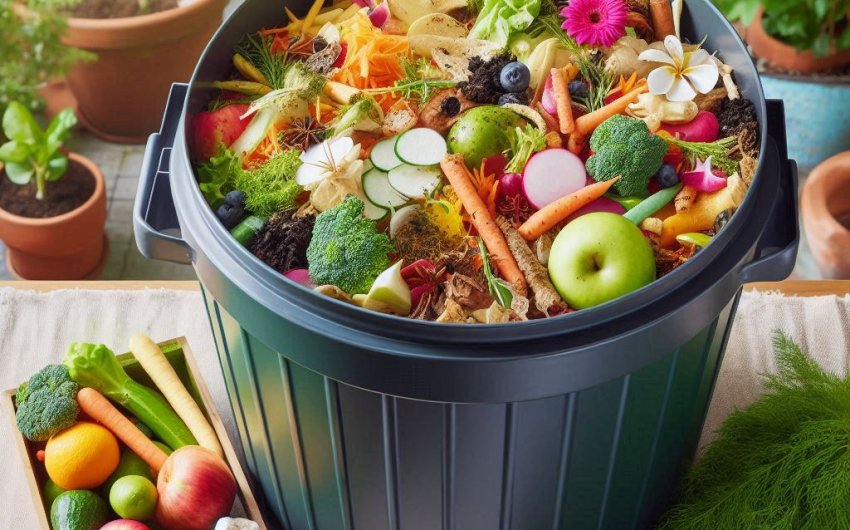
Turning your everyday kitchen leftovers and garden trimmings into rich, dark soil is a bit like magic. It’s a process where waste transforms into treasure, giving your plants the nutrients they crave. This isn't just about shrinking your trash can; it's about building healthier soil, reducing the need for chemical fertilizers, and fostering a thriving ecosystem right in your backyard. The journey from apple cores and fallen leaves to crumbly, earthy goodness is simpler than you might think, and it offers incredible rewards for any gardener, big or small.
Imagine a system that handles everything from the last bits of your dinner plate to the clippings from your lawnmower. Creating a compost system that expertly manages both kitchen scraps and yard waste is entirely achievable. It requires understanding a few basic principles, choosing the right setup for your space, and a little bit of patience. But the result is a continuous supply of nutrient-dense compost, often called "black gold," that will supercharge your garden beds, potted plants, and even your lawn.
This guide will walk you through setting up a versatile composting solution that minimizes waste and maximizes green growth. We'll break down the types of materials you can compost, the best methods for different needs, and how to troubleshoot common issues. Whether you have a sprawling garden or just a few patio pots, mastering the art of composting these diverse materials will fundamentally change the way you interact with your organic waste, turning a potential burden into a powerful asset for your green thumb endeavors.
Why Should I Compost My Kitchen Scraps and Yard Waste Together?
Mixing your kitchen scraps and yard waste in your compost pile is a smart move. It’s like creating a balanced recipe for super healthy soil. This mix works better than composting just one type of material on its own.
What are the Benefits of Mixing?
First, it helps create a balanced compost pile. Kitchen scraps, like fruit and vegetable peels, are usually rich in nitrogen. These are often called "greens" in composting terms. Yard waste, like dry leaves and small twigs, is usually rich in carbon, known as "browns." For good compost, you need a good mix of both. A good rule of thumb is about two to three parts brown to one part green. When you mix them, you get the perfect balance for the tiny creatures (microbes) that do all the hard work of breaking down your waste.
Second, it makes the composting process faster. With the right mix of greens and browns, your compost pile heats up better. This heat is a sign that the microbes are working hard. A hot pile breaks down materials more quickly, turning them into finished compost sooner. Without enough greens or browns, the process slows way down.
Third, it helps control odors and pests. If you only put kitchen scraps in a pile, it can get too wet and smelly. This can attract unwanted critters. Adding dry yard waste helps absorb extra moisture and balance the smell. It creates a less attractive environment for pests.
Finally, it’s about reducing waste overall. By composting both types of materials, you divert a huge amount of stuff from landfills. This is great for the environment, as organic waste in landfills creates harmful greenhouse gases. It’s a win-win for your garden and the planet.
What Materials Can I Put in My Compost System?
Knowing what to put in your compost is just as important as knowing what not to put in. The right ingredients are key to healthy, working compost.
"Green" Materials (Nitrogen-Rich)
These are usually fresh, moist materials that provide nitrogen. Think of them as the "fuel" for your compost pile.
- Fruit and vegetable scraps: Apple cores, banana peels, carrot tops, salad greens (no dressing), potato skins, etc. Make sure to chop larger pieces into smaller ones so they break down faster.
- Coffee grounds and filters: A great nitrogen booster.
- Tea bags: Remove any plastic staples first.
- Grass clippings: Use in thin layers or mix well to avoid clumping, which can lead to odors.
- Green leaves and plant trimmings: From your garden.
- Spent annuals and perennials: From your flower beds.
- Horse manure or other herbivore manure: If you have access to it. Make sure it's from animals that don't eat meat.
"Brown" Materials (Carbon-Rich)
These are usually dry, woody, or fibrous materials that provide carbon. Think of them as the "bulk" and "structure" of your pile.
- Dry leaves: The classic brown material. Shredding them helps them break down faster. A leaf shredder can be very useful here.
- Twigs and small branches: Chop them into small pieces (less than half an inch thick is ideal). A wood chipper can help with larger branches.
- Shredded cardboard: Tear up old cereal boxes, paper towel rolls, or non-glossy cardboard. Avoid waxy or highly printed cardboard.
- Newspaper: Shredded black and white newspaper is fine. Avoid glossy inserts.
- Straw or hay: Great for adding bulk and aeration.
- Sawdust: Use in moderation, as it can be slow to break down. Make sure it's from untreated wood.
- Pine needles: Can be used, but break down slowly and can make the compost slightly more acidic.
What Should I NOT Put in My Compost?
Some items should always be kept out of your compost pile to avoid attracting pests, creating odors, or introducing diseases.
- Meat, bones, fish, and dairy products: These attract pests (like rodents and flies) and can create very strong odors. They also don't break down easily in a typical backyard compost pile.
- Oils and greasy foods: Like salad dressings, cooking oils, or greasy leftovers. They can slow down decomposition and attract pests.
- Pet waste (dog or cat feces): Can contain harmful pathogens that are not destroyed in most backyard compost piles.
- Diseased plants: Don't add plants infected with fungus or other diseases, as the pathogens can survive and spread to your garden when you use the compost.
- Weeds with seeds: Unless your compost pile gets very hot, weed seeds can survive and sprout in your garden when you spread the compost.
- Treated wood: Pressure-treated or painted wood can leach harmful chemicals into your compost.
- Plastics, metals, glass: These materials don't break down and will just contaminate your compost.
- Coal ash or charcoal briquettes: Can contain harmful substances. Wood ash from a fireplace is usually fine in small amounts.
What Are the Best Compost System Options for Both Materials?
Choosing the right compost system depends on how much space you have, how much waste you produce, and how much effort you want to put in. Luckily, there are great options for everyone.
1. Traditional Compost Bins
These are simple structures that hold your compost pile. They work well for mixing both kitchen scraps and yard waste.
Single Bin System
- What it is: Just one container or pile. You add materials, they break down, and you take finished compost from the bottom or side.
- Pros: Easy to set up, good for smaller amounts of waste, and relatively inexpensive. Many types are available, like the Garden Compost Bin 65 Gallon.
- Cons: It can be hard to "turn" the pile (mix it up) to speed up decomposition. You can't easily add new materials while waiting for the bottom layer to finish. It's an "in-and-out" system, meaning you add at the top and take finished compost from the bottom.
Two-Bin or Three-Bin System
- What it is: Multiple connected bins or piles. You start a new pile in one bin, move it to the next bin when it's partly broken down, and let it finish in the last bin.
- Pros: Allows for continuous composting. As one pile is finishing, you can start a new one. This makes turning easier and helps speed up the process for larger volumes of waste. Great for accommodating a lot of yard waste.
- Cons: Takes up more space and requires a bit more effort to move the materials between bins. Building materials like cedar lumber are good for DIY bins.
2. Compost Tumblers
Compost tumblers are sealed, rotating containers that lift and aerate your compost with a simple spin.
- What it is: A drum-like container that spins on an axle. You add materials through a door, seal it up, and spin it every few days.
- Pros: Very easy to turn (just spin the drum!), keeps pests out, contains odors, and can produce compost faster because of the regular aeration. They are also neat and tidy. Good for both kitchen scraps and chopped yard waste. Check out the CompoSpin Compost Tumbler.
- Cons: Can be expensive, and they have a limited capacity. Large amounts of yard waste might not fit unless shredded well. The tumbling action can sometimes "ball up" wet materials if not enough browns are added.
3. Vermicomposting (Worm Composting)
This method uses special composting worms to break down organic matter.
- What it is: A system of stacked bins (often called a worm farm or worm bin) where red wiggler worms eat your organic waste. They produce nutrient-rich "worm castings" (worm poop), which is excellent for plants.
- Pros: Perfect for kitchen scraps, can be done indoors or outdoors (in mild climates), doesn't smell, and produces fantastic fertilizer. It's a great solution for small spaces or if you don't have a lot of yard waste. You'll need red wiggler composting worms.
- Cons: Not ideal for large amounts of bulky yard waste (like branches or large quantities of leaves) as the worms can't break down woody materials quickly. You'd need a very large worm bin for a lot of yard waste. It also needs to be protected from extreme temperatures.
4. Direct Composting/Sheet Composting
This is the simplest form of composting, where materials break down directly in the garden bed.
- What it is: You layer materials directly onto garden beds or around plants. No separate pile or bin.
- Pros: Very low effort, adds nutrients directly to where they are needed, great for building up soil over time.
- Cons: Much slower process, not good for breaking down tough yard waste quickly, can look messy, and might attract some pests if you add fresh kitchen scraps on top without covering them.
Where Should I Put My Compost System?
The location of your compost system matters more than you might think. A good spot makes composting easier and more effective.
Pick the Right Spot
- Shade or Partial Shade: A spot that gets some shade is best. Direct, hot sun can dry out your compost pile too quickly, slowing down the breakdown process. A little sun is fine, but avoid full, scorching sun all day.
- Well-Drained Area: You don't want your compost sitting in a puddle. Choose a spot where water won't collect.
- Convenience: Place your compost system somewhere that's easy to access from both your kitchen (for scraps) and your garden (for yard waste). If it's too far away or inconvenient, you might not use it as much.
- Airflow: Ensure there's good air circulation around your compost pile or bin. This helps with aeration.
- Away from Your House and Neighbors: While compost generally shouldn't smell bad if it's well-managed, it's a good idea to keep it a reasonable distance from your house doors and windows, and also consider your neighbors.
- Flat Ground: A flat, level surface is easier for building and maintaining most compost systems, especially tumblers or multi-bin systems.
Consider the Surroundings
- Protection from Pests: If you have issues with rodents or other animals, you might want to choose a sealed tumbler or a bin with wire mesh around the bottom to prevent digging.
- Water Source: Having a hose or water source nearby is helpful for moistening your pile if it gets too dry.
- Work Space: Leave enough room around your compost system to work. You'll need space to turn the pile, add new materials, and remove finished compost.
How Do I Start and Manage My Mixed Compost Pile?
Starting your compost pile right and giving it a little attention will ensure you get beautiful, usable compost. It's all about providing the right conditions for the tiny helpers (microbes) to do their job.
Building Your First Pile
Think of your compost pile as a layered cake, but for microbes.
- Start with Browns: Lay down a base layer of coarse, dry "brown" materials like chopped twigs or straw. This helps with drainage and aeration at the bottom.
- Add a Mix: On top of your brown base, start adding layers of mixed "greens" (kitchen scraps, grass clippings) and "browns" (dry leaves, shredded paper). Remember the ideal ratio: about two to three parts brown to one part green. Don't add a huge amount of fresh grass clippings all at once, as they can get slimy and smelly. Spread them out thinly.
- Moisture: Your compost pile needs to be moist, like a wrung-out sponge. If your materials are very dry, sprinkle some water as you add layers.
- Cover: After adding kitchen scraps, always cover them with a layer of brown material. This helps keep pests away and reduces odors. You can also cover the whole pile with a tarp if you're worried about it getting too wet from rain or too dry from the sun.
The Four Key Ingredients for Fast Composting
Your compost pile needs four things to work efficiently:
- Greens (Nitrogen): From your kitchen scraps, grass clippings, etc.
- Browns (Carbon): From dry leaves, wood chips, shredded paper, etc.
- Water (Moisture): Keep it damp, not soaking wet.
- Air (Oxygen): This is super important for the "good" microbes that don't produce bad smells.
Turning Your Compost
Turning means mixing your compost pile. This adds air (oxygen) and helps spread moisture and active microbes throughout the pile.
- How Often: For a hot, fast pile, you might turn it every few days or once a week. For a slower pile, once a month is fine. If you have a tumbler, just spin it a few times.
- Tools: A compost turning fork or a compost aerator tool makes this job much easier. You want to move the materials from the outside to the inside, and from the top to the bottom.
- Why Turn?: Turning helps prevent your pile from becoming a stinky, matted mess. It keeps the aerobic bacteria (the good guys) happy and working hard. If your pile smells like rotten eggs, it likely needs more turning and maybe more dry browns.
Troubleshooting Common Compost Problems
Even experienced composters run into issues. Here's how to fix them:
Smelly Compost
- Problem: Smells like rotten eggs, ammonia, or just plain awful.
- Cause: Too much nitrogen (too many greens), not enough air (needs turning), or too wet.
- Fix: Add more dry, carbon-rich "brown" materials like shredded leaves, newspaper, or straw. Turn the pile to add air. If it's too wet, spread it out a bit to dry, or add more dry browns.
Pile Isn't Heating Up
- Problem: Materials aren't breaking down quickly; the pile stays cold.
- Cause: Not enough nitrogen (not enough greens), too dry, not enough material, or not enough air.
- Fix: Add more "green" materials (fresh grass clippings, kitchen scraps). Check moisture – it should feel like a damp sponge. If the pile is too small, it might not generate enough heat; try to build it larger (at least 3x3x3 feet for a traditional pile). Turn the pile to add air.
Compost is Too Dry
- Problem: Materials are crusty, dusty, and not breaking down.
- Cause: Not enough moisture.
- Fix: Add water! Use a hose to sprinkle water over the pile while turning it. Don't soak it, just get it evenly moist.
Compost is Too Wet and Slimy
- Problem: Looks like a soggy mess, possibly with bad odors.
- Cause: Too much moisture, not enough browns, or poor drainage.
- Fix: Add dry "brown" materials and mix them in well to absorb excess moisture. Make sure your compost bin has good drainage at the bottom.
Pests (Flies, Rodents)
- Problem: Unwanted visitors around your compost.
- Cause: Exposed kitchen scraps, meat/dairy/oils in the pile, or easy access to the pile.
- Fix: Always bury kitchen scraps deep within the pile or cover them with a layer of brown material. Do not add meat, dairy, or oily foods. Use a sealed compost tumbler or a bin with mesh around the bottom to deter rodents.
How Do I Know When My Compost is Ready?
This is the exciting part! Knowing when your compost is finished means you're ready to use your "black gold" in your garden.
Signs of Finished Compost
When your compost is ready, it should look, feel, and smell a certain way.
- Appearance: It should be dark brown or black, crumbly, and uniform in texture. You shouldn't be able to easily identify the original materials (like banana peels or leaves), except for maybe a few stubborn twigs that take longer to break down.
- Texture: It should be soft and loose, similar to rich potting soil.
- Smell: It should have a pleasant, earthy smell, like a forest floor after rain. There should be no sour, rotting, or ammonia-like odors. If it smells bad, it’s not ready or needs more aeration/browns.
- Temperature: The internal temperature of the pile should be cool, matching the outside air temperature. A hot pile means it's still actively breaking down.
Sifting Your Compost (Optional)
Sometimes, even finished compost might have a few larger pieces that didn't break down fully (like thicker twigs). You can choose to "sift" your compost to get a finer product.
- How: Use a compost sifter or a garden sieve with a mesh size that allows the finished compost to fall through but catches the larger bits.
- What to do with the "rejects": Toss the larger, unfinished pieces back into your active compost pile to break down further.
How Can I Use My Finished Compost?
This is where all your hard work pays off! Finished compost is an incredible amendment for your garden. It's not a fertilizer in the traditional sense, but it improves soil health in so many ways.
Ways to Use Your "Black Gold"
- Soil Amendment: Mix compost into your garden beds before planting. It improves soil structure (making clay soil looser and sandy soil better at holding water), adds beneficial microbes, and provides a slow release of nutrients. Aim for a 1-2 inch layer mixed into the top 6-8 inches of soil.
- Top Dressing: Spread a thin layer (about 1/2 to 1 inch) of compost on top of existing garden beds, around established plants, trees, and shrubs. This acts as a slow-release fertilizer and helps retain moisture.
- Potting Mix: Mix compost with other ingredients like peat moss (or coir), perlite, and vermiculite to create your own nutrient-rich potting mix for containers. A general ratio is 1 part compost to 2 parts other ingredients.
- Lawn Care: Spread a thin layer of compost (about 1/4 to 1/2 inch) over your lawn in the spring or fall. Rake it in to help it settle between the grass blades. This will improve turf health and color.
- Seed Starting: While pure compost can be too strong for delicate seedlings, a mixture with a lighter medium is excellent for starting seeds.
- Mulch: In some cases, coarser finished compost can be used as a mulch around plants, helping to suppress weeds and retain soil moisture.
Benefits of Using Compost
Using your homemade compost brings a ton of advantages to your garden:
- Enriches Soil: Adds essential nutrients and organic matter, feeding your plants naturally.
- Improves Soil Structure: Makes heavy clay soils lighter and more workable, and helps sandy soils hold water and nutrients better.
- Enhances Drainage: Prevents waterlogging in heavy soils and improves water retention in sandy soils.
- Reduces Need for Chemical Fertilizers: Provides a slow, steady supply of nutrients, decreasing reliance on synthetic products.
- Suppresses Plant Diseases: Healthy, biologically active soil, rich in compost, makes plants more resistant to diseases.
- Attracts Beneficial Organisms: Encourages earthworms and beneficial microbes that further improve soil health.
- Balances Soil pH: Helps stabilize the soil's acidity or alkalinity, making nutrients more available to plants.
- Saves Money: Reduces the need to buy soil amendments, fertilizers, and even potting mix.
Composting your kitchen scraps and yard waste together is a powerful cycle. You divert waste from landfills, enrich your soil, and grow healthier, happier plants. It's a fundamental step towards a more sustainable garden and home.