
What Are the Benefits of Composting for Soil Health in Vineyard Management?
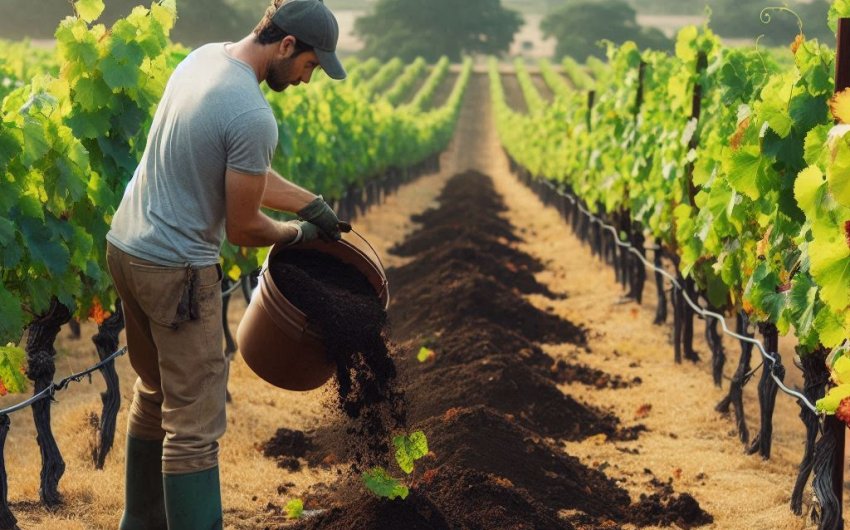
In the world of viticulture, the quality of the grape harvest is profoundly linked to the health of the soil. Vineyard managers understand that healthy vines producing exceptional fruit are not just about sunlight and water; they begin deep underground, in the living earth. While synthetic fertilizers have long been a common practice, a growing number of vineyards are turning to a more ancient, yet increasingly vital, technique: composting.
Composting offers a sustainable and holistic approach to vineyard management, transforming organic waste into a rich, dark, and biologically active material. This "black gold" isn't just about adding nutrients; it's about fundamentally improving the soil health in ways that benefit the vines, the environment, and ultimately, the wine itself. It's a testament to the idea that caring for the earth beneath your feet is key to a thriving and resilient vineyard.
Why is Soil Health Paramount in Vineyard Management?
Before delving into the benefits of composting, it's crucial to understand why soil health holds such a paramount position in vineyard management. Grapevines are incredibly sensitive to their environment, and the soil is their primary anchor and lifeline. A healthy vine starts with healthy roots, and healthy roots depend entirely on the quality of the soil they grow in.
The concept of terroir in winemaking beautifully illustrates this. Terroir refers to the complete natural environment in which a particular wine is produced, including factors such as the soil, topography, and climate. While climate and topography are fixed, soil health is something vineyard managers can actively influence and improve, making it a cornerstone of producing exceptional wine.
The Foundation of Vine Health
The soil isn't just dirt; it's a dynamic, living system that forms the foundation of vine health. A grapevine's well-being, from its initial planting to its abundant fruiting, is intrinsically linked to the quality and vitality of the earth around its roots.
- Root Anchorage and Stability: First and foremost, the soil provides the physical anchorage that keeps the vine stable and upright. A healthy soil structure allows roots to penetrate deeply and firmly, preventing the vine from being easily uprooted by wind or heavy machinery.
- Water and Nutrient Absorption: This is where soil truly shines as the vine's lifeline. Roots are responsible for absorbing nearly all the water and nutrients a vine needs.
- Water Retention: Healthy soil acts like a sponge, holding onto water so it's available to the vine, especially during dry spells. Poor soil lets water run off or drain too quickly.
- Nutrient Availability: The soil is the reservoir of essential nutrients (like nitrogen, phosphorus, potassium, and micronutrients). A healthy soil microbiome (the community of beneficial microorganisms) makes these nutrients available in forms that the vine can absorb.
- Oxygen for Roots: Just like all living things, vine roots need oxygen to respire and function correctly. Healthy, well-aerated soil contains enough pore spaces filled with air. Compacted or waterlogged soil deprives roots of oxygen, leading to stress and potentially root rot.
- Disease Resistance: Vines growing in healthy, balanced soil with a thriving soil microbiome are generally more resilient to diseases. Beneficial microbes can outcompete or even suppress harmful pathogens.
Investing in soil health means investing in the long-term vigor, resilience, and productivity of your grapevines, forming the bedrock of a successful vineyard.
Influencing Grape Quality and Terroir
Beyond mere vine health, the characteristics of the soil have a profound and direct influence on grape quality and terroir. This is where the subtleties of winemaking begin, long before the grapes even reach the cellar.
- Nutrient Profile: The types and availability of nutrients in the soil directly impact the chemical composition of the grapes. This can affect everything from:
- Sugar Development: Proper nutrient balance is crucial for efficient photosynthesis and sugar accumulation in the grapes.
- Acid Balance: Soil characteristics can influence the acidity levels in grapes, which are vital for a wine's freshness and balance.
- Aroma and Flavor Precursors: Certain nutrients and soil microbes contribute to the development of compounds in the grape skins and pulp that later become important aroma and flavor components in the finished wine.
- Water Availability and Stress: The soil's ability to hold and release water subtly dictates the water stress experienced by the vine.
- Moderate Water Stress: Many winemakers believe that a moderate level of water stress (known as deficit irrigation) during specific periods of grape development can actually enhance grape quality, leading to smaller berries with concentrated flavors and thicker skins (important for color and tannins). The soil's ability to provide consistent, but not excessive, water is key to managing this.
- Extreme Stress: Too much or too little water (due to poor soil characteristics) can negatively impact grape size, sugar content, and overall quality.
- Root-Microbe Interactions: The diverse community of microorganisms in healthy soil interacts with the vine's roots, potentially influencing nutrient uptake and contributing unique characteristics to the grapes that reflect the local terroir.
- Physical Structure: Soil texture (sand, silt, clay) influences drainage, aeration, and temperature, all of which subtly affect root growth and, consequently, grape development.
The adage "great wine is made in the vineyard" truly begins with the soil. By nurturing soil health, vineyard managers are directly contributing to the unique character, complexity, and quality that defines their wines and expresses their terroir.
Environmental Sustainability
In an era of increasing environmental awareness, vineyard management is under pressure to adopt more sustainable practices. Focusing on soil health is a core component of this, leading to significant environmental sustainability benefits.
- Reduced Chemical Inputs: Healthy soil, rich in organic matter and beneficial microbes, naturally provides more nutrients to vines, reducing the need for synthetic fertilizers. It also fosters stronger, more disease-resistant vines, potentially lowering the reliance on chemical pesticides and fungicides.
- Water Conservation: Soil with high organic matter content acts like a sponge, significantly improving water retention. This means vineyards require less irrigation, conserving precious water resources, especially in drought-prone regions.
- Carbon Sequestration: Healthy soils with abundant organic matter act as carbon sinks, capturing and storing carbon dioxide from the atmosphere. This helps mitigate climate change by reducing greenhouse gas levels.
- Biodiversity: A healthy soil is a living ecosystem, teeming with diverse microorganisms, insects, and other beneficial life. This biodiversity extends above ground, supporting a healthier overall vineyard ecosystem, attracting pollinators and natural pest predators.
- Erosion Control: Good soil structure, fostered by organic matter, helps prevent soil erosion from wind and rain, protecting valuable topsoil.
- Reduced Runoff and Water Pollution: Healthy soil filters water more effectively, reducing runoff of nutrients and chemicals into waterways, thereby preventing water pollution.
Embracing soil health practices, like composting, allows vineyards to operate more in harmony with nature, reducing their environmental footprint and contributing positively to the surrounding ecosystem. This also resonates strongly with environmentally conscious consumers.
What Are the Benefits of Composting for Soil Health in Vineyards?
Composting is a transformative process that turns organic waste into a powerhouse of benefits for vineyard soil health. It's much more than just a source of nutrients; it fundamentally improves the physical, chemical, and biological properties of the soil, laying the groundwork for stronger vines and better grapes.
For vineyard management, integrating compost is a strategic move that aligns with both ecological principles and the pursuit of quality. Let's delve into the specific ways composting enriches the very earth that nurtures the vines.
Enhancing Soil Structure and Water Retention
One of the most significant benefits of adding compost to vineyard soils is its dramatic positive impact on soil structure and, consequently, water retention. This is crucial for vine health, especially in regions experiencing droughts or erratic rainfall.
- Improved Soil Structure: Compost is rich in organic matter. When incorporated into the soil, this organic matter acts like a "glue," binding small soil particles together to form larger, stable aggregates.
- In clay soils, this aggregation helps break up dense, heavy clumps, creating larger pore spaces for better drainage and aeration. It makes clay soil more workable and less prone to compaction.
- In sandy soils, organic matter helps bind the loose sand particles together, creating more structure and preventing rapid drainage.
- Increased Water Retention: Healthy soil structure with ample organic matter acts like a giant sponge. Each particle of organic matter can hold many times its weight in water.
- This means the soil can absorb and retain significantly more moisture, making it available to vine roots during dry periods.
- Vineyards that use compost often report needing less frequent irrigation, leading to substantial water conservation and cost savings.
- Better Drainage and Aeration: Paradoxically, while improving water retention, good soil structure also improves drainage and aeration. The newly formed aggregates create a network of channels and larger pore spaces that allow excess water to drain away while still leaving essential air pockets for root respiration. This prevents waterlogging and helps prevent root rot.
By enriching soil structure and boosting water retention, compost creates a more resilient and hospitable environment for vine roots, improving their ability to access water and nutrients even under challenging conditions. A soil aerator tool can also aid in initial soil preparation before compost application.
Providing Slow-Release Nutrients
Unlike synthetic fertilizers that often provide a rapid burst of soluble nutrients, compost excels at providing slow-release nutrients to grapevines. This natural, sustained feeding mechanism is highly beneficial for the long-term health and development of the vines.
- Organic Nutrient Source: Compost contains a balanced array of essential macro- and micronutrients (nitrogen, phosphorus, potassium, calcium, magnesium, boron, etc.) derived from the decomposed organic materials.
- Gradual Release: These nutrients are not immediately available in large quantities. Instead, they are held within the organic matter and are gradually released into the soil solution over time as microorganisms continue their decomposition work. This provides a steady, consistent supply of food for the vines, matching their natural growth cycles.
- Reduced Leaching: Because nutrients are released slowly and are often bound to organic particles, there is less risk of them being washed away (leaching) by rain or irrigation, which is a common problem with synthetic fertilizers. This means less wasted nutrients and reduced water pollution.
- Improved Nutrient Cycling: Compost enhances the activity of soil microbes, which play a crucial role in the natural nutrient cycling processes in the soil, converting nutrients into forms that vines can readily absorb.
- Enhanced Mycorrhizal Fungi: Compost encourages the growth of beneficial symbiotic relationships, like mycorrhizal fungi, which extend the root system's reach and significantly improve the vine's ability to absorb water and nutrients, including phosphorus, that might otherwise be unavailable.
By providing a continuous and balanced supply of slow-release nutrients, compost supports healthy vine growth and grape development without the boom-and-bust cycles often associated with conventional fertilization.
Suppressing Pests and Diseases (Naturally)
A vibrant, biologically active soil, enriched with compost, is often a vineyard's first line of defense against pests and diseases. This natural suppression effect reduces the reliance on chemical interventions, leading to a healthier, more resilient vineyard ecosystem.
- Competitive Exclusion: Healthy compost introduces and fosters a diverse population of beneficial microorganisms into the soil. These beneficial microbes outcompete or directly inhibit the growth of harmful soil-borne pathogens (like those causing root rot or powdery mildew) by consuming their food sources or producing antibiotic-like compounds.
- Enhanced Plant Immunity: Vines growing in healthy, compost-enriched soil are generally stronger and more vigorous. They have more robust immune systems, making them inherently more resistant to attacks from pests and diseases above and below ground. They can often withstand minor infestations without significant damage.
- Improved Water & Nutrient Balance: As discussed, compost improves soil structure, water retention, and nutrient availability. When vines receive optimal water and nutrient supply, they are less stressed, making them less susceptible targets for pests and diseases. Stressed plants are often the first to succumb.
- Nematode Control: Some types of compost (especially those from specific feedstocks or managed with particular processes) can help suppress harmful nematodes (microscopic worms that attack roots) while encouraging beneficial ones.
- Reduced Need for Chemicals: By fostering natural pest and disease suppression, vineyard managers can potentially reduce their reliance on synthetic pesticides and fungicides, leading to lower costs, reduced environmental impact, and healthier wines. You might even find specialized biological pest control for vineyards products.
Compost promotes a thriving underground ecosystem that actively defends the vines, transforming your vineyard into a more robust and self-regulating environment.
Increasing Microbial Activity and Biodiversity
The true magic of compost lies in its ability to significantly increase microbial activity and biodiversity in the soil. Soil is not inert; it's a living, breathing ecosystem, and these tiny microorganisms are the unsung heroes of healthy plant growth.
- The Soil Food Web: Compost introduces a vast array of beneficial bacteria, fungi, protozoa, nematodes, and micro-arthropods to the soil. These microbes form a complex "soil food web" that drives all essential soil processes.
- Decomposition and Nutrient Cycling: Microorganisms are the primary decomposers. They break down organic matter (including the compost itself) into simpler forms, making nutrients available for plant uptake. They convert nitrogen from the air into forms plants can use and help release phosphorus from minerals.
- Soil Aggregation: Certain fungi and bacteria produce sticky substances that bind soil particles together, contributing to the improved soil structure (as mentioned above).
- Disease Suppression: Many beneficial microbes directly compete with or antagonize disease-causing pathogens, offering natural disease suppression.
- Symbiotic Relationships: Compost fosters beneficial symbiotic relationships, such as mycorrhizal fungi. These fungi form networks around and within plant roots, extending the root system's effective reach by thousands of times, dramatically improving the vine's ability to absorb water and otherwise unavailable nutrients.
- Improved Water Infiltration: A biologically active soil with good soil structure allows water to infiltrate much more readily, reducing runoff and promoting deeper water storage.
By boosting microbial activity and biodiversity, compost fundamentally revitalizes the soil, making it a more efficient, resilient, and life-supporting environment for grapevines.
Sequestering Carbon and Mitigating Climate Change
Beyond its direct benefits to vines and soil, composting on a vineyard scale offers a significant environmental benefit: it helps in sequestering carbon and mitigating climate change. This makes it a powerful tool for sustainable viticulture.
- Carbon Sequestration: Compost is essentially stabilized organic matter. When applied to soil, this organic matter becomes incorporated into the soil's carbon pool. Plants absorb carbon dioxide (CO2) from the atmosphere during photosynthesis. When these plants (or other organic materials) are composted and added to soil, a portion of that carbon is stored in the soil for long periods. This process is called carbon sequestration.
- Reducing Greenhouse Gas Emissions:
- Methane Avoidance: If organic waste from the vineyard (grape pomace, pruning clippings) were sent to a landfill, it would decompose anaerobically (without oxygen), producing large amounts of methane (CH4), a potent greenhouse gas 25-30 times more powerful than CO2 over 100 years. Composting (aerobic decomposition) prevents this methane production.
- Nitrous Oxide Reduction: By reducing the need for synthetic nitrogen fertilizers, composting can indirectly lower emissions of nitrous oxide (N2O), another powerful greenhouse gas often produced during the breakdown of synthetic fertilizers in soil.
- Reduced Transportation Emissions: If a vineyard composts its own organic waste on-site, it reduces the need to transport this waste to landfills, saving on fossil fuel consumption and associated emissions.
- Improved Soil Health & Resilience: Carbon-rich soils (high in organic matter) are more resilient to climate change impacts like droughts and extreme weather events. They hold more water, are more fertile, and support healthier plant growth, making vines better able to withstand stress.
By transforming organic waste into stable compost and applying it to vineyard soils, vineyard managers contribute to a healthier planet by drawing carbon from the atmosphere and reducing harmful greenhouse gas emissions. This is a truly sustainable practice.
Implementing Composting in a Vineyard
Integrating composting into vineyard management requires careful planning and a strategic approach, especially given the volume of organic matter generated. It's not just about throwing things in a pile; it's about creating an efficient system that aligns with vineyard operations.
From deciding what materials to use to choosing the right system and ensuring proper application, successful composting involves a series of practical considerations tailored to the unique environment of a vineyard.
Sourcing Organic Matter for Compost
A vineyard generates a significant amount of organic matter that can be turned into valuable compost. Identifying and properly managing these "green" and "brown" materials is the first step in sourcing organic matter for compost.
- Vineyard "Greens" (Nitrogen-rich):
- Grape Pomace: This is the most abundant and valuable "green" material in a winery/vineyard operation. It's the leftover skins, seeds, and stems after grapes are pressed for wine. It's high in moisture and nitrogen.
- Pruning Clippings: Green, freshly pruned shoots and leaves from the vines. If shredded, they can act as a "green."
- Cover Crop Residues: If cover crops are grown between vine rows and then mowed down, their fresh clippings are excellent nitrogen sources.
- Weeds: Any pulled green weeds (without seeds) can be added.
- Vineyard "Browns" (Carbon-rich):
- Woody Prunings/Canes: Older, woody vine prunings. These are high in carbon but should be shredded to speed decomposition. A wood chipper shredder is essential here.
- Spent Grape Stems (Dried): After destemming, dried grape stems provide carbon.
- Hay/Straw: Often used as mulch or cover crop in vineyards. If dry, it's a good brown.
- Leaves: Fallen leaves from surrounding trees.
- Chipped Tree Waste: From any tree maintenance on the property.
- External Sources (If Needed):
- Local Restaurant Food Scraps: Partnering with a local farm-to-table restaurant (like the one discussed in a previous blog post!) to receive their pre-consumer fruit and vegetable scraps can be a fantastic way to acquire more "greens."
- Local Agricultural Waste: Other farms in the area might have straw, manure (composted, if possible, to avoid weed seeds), or other organic waste available.
- Important Considerations:
- Pesticide Residues: Be very cautious about composting materials that might have been treated with persistent pesticides, especially on vines or cover crops. Ensure your organic inputs are clean.
- Weed Seeds: Avoid composting weeds that have gone to seed, as these can spread new weeds in your vineyard. Hot composting can kill some seeds, but it's not guaranteed.
- Contamination: Ensure all inputs are free from plastics, metals, or other non-compostable materials.
Strategic sourcing of organic matter ensures a diverse and balanced feedstock for your vineyard composting system.
Choosing the Right Composting Method
Given the potentially large volume of organic matter in a vineyard, choosing the right composting method is critical for efficiency, scalability, and compliance. Backyard bin systems won't cut it.
- Windrow Composting:
- Description: This is the most common method for large-scale agricultural composting. Organic materials are piled in long, elongated rows (windrows) outdoors.
- Process: The windrows are regularly turned (with specialized windrow turners or front-end loaders) to aerate the pile, mix materials, and manage temperature and moisture.
- Pros: Efficient for large volumes, can achieve high temperatures (hot composting) to kill pathogens and weed seeds, relatively low cost for large scale, good aeration.
- Cons: Requires significant space, can produce odors if not managed well, subject to weather conditions (rain, sun), labor-intensive without specialized equipment.
- Aerated Static Pile Composting:
- Description: Organic materials are built into large piles (static, meaning not turned) over a system of perforated pipes or ducts. Air is actively blown or drawn through the pile using blowers.
- Process: The aeration system controls oxygen levels and temperature. Often covered with a layer of finished compost or wood chips to act as a biofilter and reduce odors.
- Pros: Better odor control than windrows, less labor (no turning), faster processing due to consistent aeration, good for higher volumes.
- Cons: Higher initial cost for equipment (blowers, piping), requires power source, still needs significant space.
- In-Vessel Composting:
- Description: Materials are placed inside a contained vessel, drum, or tunnel, where environmental conditions (temperature, moisture, aeration) are highly controlled and monitored. Some rotate mechanically.
- Process: Materials are automatically mixed and aerated within the vessel.
- Pros: Excellent odor and pest control, very fast decomposition, minimal footprint, ideal for challenging materials (e.g., some cooked food waste if regulations allow).
- Cons: Highest initial capital cost, requires technical expertise for operation, smaller capacity than windrows.
- Hybrid Systems: Many vineyards might combine methods, for example, using a simpler system for initial breakdown and then moving to a windrow for curing.
The choice of composting method should be based on the specific volume of organic matter generated, available space, budget, desired decomposition speed, and local regulations. You can find large scale compost windrow turners if this is the chosen method.
Proper Application and Integration
Once your compost is ready, proper application and integration into your vineyard management practices are key to realizing its full benefits for soil health. It's not a one-time fix but an ongoing part of your fertility program.
- When to Apply:
- Late Winter/Early Spring: Before bud break, or at the very beginning of the growing season, is a popular time. This allows the nutrients to be available as the vines emerge from dormancy and begin active growth.
- After Harvest (Fall): Applying compost in the fall allows it to break down further over winter, slowly releasing nutrients for the following spring.
- Consider Timing with Irrigation: Apply when the soil is moist or just before an irrigation cycle/expected rain to help the compost integrate into the soil.
- How to Apply:
- Surface Application (Top Dressing): The most common method in vineyards. Spread a layer (1/2 to 2 inches thick) directly onto the soil surface, typically in the vine rows. This acts like a mulch, conserving moisture and suppressing weeds, while also enriching the soil.
- Light Incorporation: Some vineyards might lightly till or incorporate the compost into the very top layer of soil, but deep tillage is generally avoided to protect vine roots and soil structure.
- Broadcast Spreading: For large vineyards, specialized compost spreaders can efficiently apply compost in rows or across the entire block.
- Rate of Application:
- This depends on your soil test results, the desired nutrient levels, and the existing organic matter content. Start conservatively and monitor your soil and vine response. Typical rates range from 5-20 tons per acre, applied every 1-3 years.
- Integration with Other Practices:
- Reduced Synthetic Fertilizers: As compost builds soil fertility, you may be able to reduce or eliminate synthetic fertilizer applications.
- Water Management: Compost improves water retention, so adjust your irrigation schedule accordingly.
- Cover Cropping: Compost and cover cropping are complementary practices that together greatly enhance soil health.
Proper application and integration of compost transform it from a waste product into a valuable, regenerative tool for long-term vineyard health and sustainable wine production.