
How Can I Use Composting to Support Pollinator Health in My Garden?
Why Are Pollinators Important, and Why Do They Need Our Help?
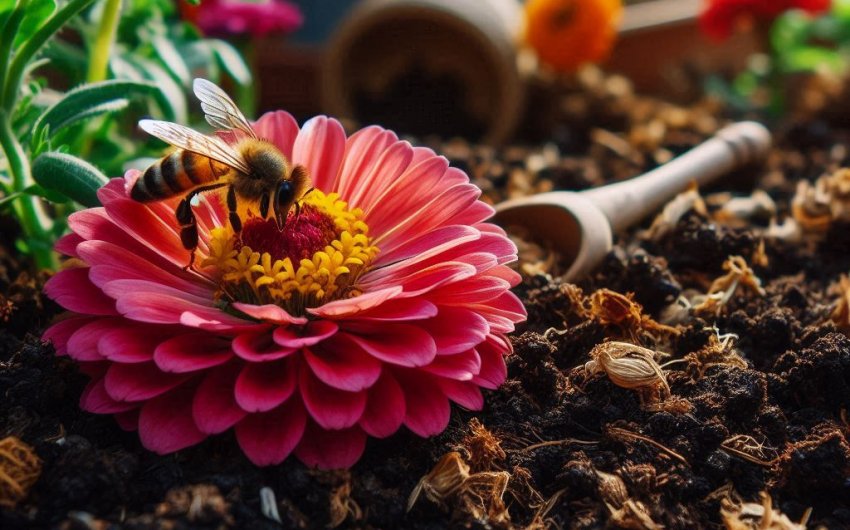
Imagine a world without apples, almonds, blueberries, or even coffee. Sounds pretty bleak, right? Well, a significant chunk of the food we eat, and the beautiful flowers we enjoy, wouldn't exist without pollinators. These incredible creatures, like bees, butterflies, hummingbirds, and even some beetles and moths, play a vital role in our ecosystem. They move pollen from one flower to another, allowing plants to produce fruits, seeds, and the next generation of plants. This process is called pollination, and it's essential for biodiversity and our food supply.
So, who are these crucial helpers?
- Bees: From the familiar honey bees to thousands of species of native bees (like bumble bees and mason bees), they are arguably the most efficient pollinators.
- Butterflies and Moths: They visit flowers for nectar and often carry pollen on their bodies as they flutter from bloom to bloom.
- Hummingbirds: These tiny, iridescent birds are key pollinators for long, tubular flowers.
- Other Animals: Even some bats, flies, and small mammals contribute to pollination.
But here's the concerning part: pollinators are in trouble. Their populations are declining globally due to several factors:
- Habitat Loss: Wild areas that provide food and nesting sites are disappearing.
- Pesticide Use: Especially insecticides, which can directly kill or harm pollinators.
- Climate Change: Affects plant flowering times and pollinator life cycles.
- Diseases and Parasites: Particularly impacting bees.
Why should we help them? Beyond the food we eat, pollinators support entire ecosystems. They help wild plants reproduce, which in turn provides food and shelter for countless other animals. When pollinator populations decline, the health of the entire ecosystem suffers. As gardeners, we have a unique opportunity to make a direct positive impact, and believe it or not, composting is a powerful tool in our pollinator-friendly arsenal.
How Does Composting Directly Benefit Pollinators?
It might seem indirect, but the simple act of composting can create a ripple effect that significantly boosts pollinator health in your garden. It all comes down to creating a healthier, more vibrant ecosystem from the ground up.
Building Healthy Soil for Robust Plants
Compost is often called "black gold" for a reason. It's not just plant food; it's soil food.
- Nutrient Cycling: When you add compost to your garden soil, you're introducing a rich blend of slow-release nutrients. This means plants get a steady supply of what they need, rather than a sudden jolt from synthetic fertilizers. This consistent nourishment leads to stronger, healthier plants with robust root systems.
- Improved Soil Structure: Compost improves soil structure in amazing ways. For sandy soils, it helps them hold onto water and nutrients. For heavy clay soils, it loosens them up, improving drainage and aeration. Healthy soil structure allows plant roots to grow deeper and access more water and nutrients, making the plants more resilient.
- Water Retention: One of compost's superpowers is its ability to hold water. Adding compost to your soil acts like a sponge, reducing how often you need to water. For pollinator plants, this means they can better withstand dry spells, keeping their flowers blooming longer and providing a more consistent food source (nectar and pollen) for pollinators.
- Enhanced Plant Vigor: Plants grown in compost-rich soil are simply healthier and more vigorous. They produce more abundant blooms, richer nectar, and more nutritious pollen – all things that attract and sustain pollinators. Think of it: a healthy plant has more resources to offer!
Reducing the Need for Harmful Pesticides and Fertilizers
This is perhaps the most critical direct benefit of composting for pollinator health.
- Pesticide Reduction: When you have healthy, vigorous plants in balanced soil, they are often more resistant to pests and diseases. This natural resilience means you'll less often need to reach for chemical pesticides. Many common insecticides, even those labeled "organic," can be highly toxic to bees, butterflies, and other beneficial insects. By relying on compost to build plant health, you create a garden environment where pollinators are less likely to encounter harmful residues.
- Fertilizer Reduction: Compost provides a comprehensive, slow-release nutrient package. This reduces or eliminates the need for synthetic chemical fertilizers. While synthetic fertilizers don't directly kill pollinators, their production is energy-intensive, and their runoff can pollute waterways, indirectly harming ecosystems that pollinators rely on. Moreover, over-fertilizing can sometimes lead to excessive leafy growth at the expense of flowers, or make plants more susceptible to certain pests, which in turn might lead to pesticide use. Compost offers a balanced, environmentally friendly approach to plant nutrition.
Creating Habitat and Nesting Sites
Beyond food, pollinators need places to live and raise their young. Composting can contribute to this too.
- Native Bee Nests: Many native bees (like ground-nesting species) need undisturbed, well-drained soil for nesting. Compost-amended soil improves aeration and structure, making it easier for these bees to dig tunnels.
- Mulch as Shelter: While not technically part of the compost pile itself, the practice of using finished compost as a mulch layer around plants provides shelter for ground-dwelling insects and can contribute to a more stable microclimate for pupating insects.
- Fallen Leaves and Stems: Some pollinators (like certain moths and butterflies) overwinter as pupae in fallen leaves or hollow plant stems. By composting some of your plant debris, you're consciously managing these materials, and if you leave some undisturbed areas, you provide crucial overwintering habitat. This links to the idea of a less "tidy" garden, where some plant material is left to offer shelter.
By focusing on healthy soil through composting, you build the foundation for a vibrant, thriving ecosystem that naturally supports pollinators.
What Can I Compost to Benefit Pollinators?
The materials you choose to put in your compost pile can indirectly contribute to pollinator health by supporting the growth of the plants they love. It's about turning your garden and kitchen waste into the building blocks for a pollinator paradise.
Garden Waste from Pollinator-Friendly Plants
This is a direct and excellent way to recycle nutrients back into the cycle.
- Spent Flowers: Once your pollinator-friendly plants (like echinacea, sunflowers, bee balm, zinnias) have finished blooming, their spent flowers and stems can go into the compost pile. These materials are rich in organic matter and the nutrients that helped produce those very blooms.
- Plant Trimmings: Any healthy trimmings from your garden beds, particularly from herbaceous plants (non-woody), are perfect compost fodder. This includes leaves, small stems, and foliage.
- Vegetable Scraps: If you grow vegetables that are attractive to pollinators (like squash, cucumbers, tomatoes), their non-diseased leaves, stems, and leftover fruit/vegetable parts (if not used for consumption) can be composted.
- Why It Helps: By composting these materials, you're essentially taking the energy and nutrients that fueled your pollinator plants and making them available for future generations of plants. This ensures a continuous loop of healthy growth for the plants that sustain pollinators.
Non-Diseased Leaves and Grass Clippings
These are often the most abundant yard waste materials and are excellent for composting.
- Leaves: Fall leaves are a phenomenal source of carbon ("browns") for your compost pile. They break down into rich humus that greatly improves soil structure and water retention. Shredding them with a leaf shredder or lawnmower will speed up decomposition.
- Grass Clippings: Fresh grass clippings are a good source of nitrogen ("greens"). Use them in thin layers to prevent them from becoming a smelly, matted mess in your compost pile.
- Why It Helps: Healthy soil, built with compost from these common materials, supports vigorous pollinator plants that can produce more nectar and pollen. By keeping these materials out of landfills, you're also reducing your carbon footprint, which is part of supporting a healthy planet for all living things, including pollinators.
Kitchen Scraps
Your kitchen provides a steady stream of "green" materials that are perfect for composting.
- Fruit and Vegetable Peels: Apple cores, banana peels, vegetable trimmings, coffee grounds (with filters), and tea bags are all excellent additions.
- Eggshells: Crush them up to help them break down faster; they add calcium to your compost.
- Why It Helps: Diverting food waste from landfills (where it produces methane) to your compost pile reduces greenhouse gas emissions, benefiting the climate that pollinators rely on. These scraps also add valuable nutrients that ultimately feed your pollinator plants.
Manure (from Herbivores)
If you have access to manure from plant-eating animals, it's a fantastic compost ingredient.
- Sources: Chicken, rabbit, horse, or cow manure are all excellent. Avoid manure from pets (dogs, cats) as it can contain harmful pathogens.
- Benefits: Manure is rich in nitrogen and other nutrients, greatly accelerating the composting process and enriching the final compost.
- Why It Helps: Using manure reduces the need for synthetic fertilizers, directly supporting a chemical-free environment for pollinators. The nutrients in the composted manure contribute to the health of your pollinator plants.
What NOT to Compost for Pollinator Health (and overall compost health!)
Just as important as what to compost is what to leave out, especially when aiming for a pollinator-friendly garden.
- Diseased Plants: Do not compost plants that show signs of disease. Many plant pathogens can survive the composting process and reinfect your healthy plants, potentially requiring fungicide use later, which can harm pollinators.
- Pesticide-Treated Plants: Avoid composting plants that have been recently treated with synthetic pesticides or herbicides, as chemical residues can persist in the compost.
- Meat, Dairy, Fats, Oils: These attract pests (like rodents and flies) that you don't want near your garden, and they can create unpleasant odors, making your compost area less appealing for pollinators or even your family!
- Weeds with Seeds: Unless you are hot composting (maintaining consistently high temperatures), avoid adding weeds that have gone to seed, as you might spread their seeds when you use the finished compost. More weeds mean more competition for your pollinator plants and potentially more manual weeding, or even herbicide use if not managed well.
By being mindful of what goes into your compost pile, you ensure that your garden gold truly contributes to a thriving, pollinator-friendly ecosystem.
How Can Composting Indirectly Support Pollinator Habitat?
Beyond directly enriching the soil, the practice of composting encourages broader gardening habits that create a more hospitable environment for pollinators. It's about nurturing the entire ecosystem.
Reducing Your Garden's Footprint
When you compost, you're taking waste materials that would otherwise be sent away and turning them into a valuable resource right on your property.
- Less Waste to Landfills: This reduces the amount of organic waste going into landfills, where it decomposes anaerobically (without oxygen) and produces methane, a potent greenhouse gas. By mitigating climate change, even on a small scale, you contribute to a more stable environment for pollinators and all life.
- Less Reliance on External Inputs: Composting means you buy less soil amendment, less fertilizer, and potentially less potting mix. This reduces the energy and resources needed to produce and transport those products, further lessening your environmental impact. A smaller footprint for your garden means a healthier planet for pollinators.
Encouraging a Diverse, Thriving Ecosystem
Composting fosters a philosophy of natural gardening that benefits all creatures.
- Healthy Soil Food Web: When you add compost to your soil, you're not just adding nutrients; you're adding billions of beneficial microorganisms (bacteria, fungi, protozoa, nematodes, earthworms). This vibrant soil food web is the foundation of healthy soil. A thriving soil food web improves nutrient cycling, water infiltration, and disease suppression, all of which lead to healthier pollinator plants.
- Attracting Beneficial Insects: A healthy garden with rich, compost-fed soil is inherently more attractive to a diverse range of beneficial insects. This includes not just pollinators, but also predators (like ladybugs and lacewings) that help keep pest populations in check, further reducing the need for harmful pesticides.
- Creating "Messy" Areas: The act of composting sometimes encourages a less "tidy" approach to gardening. For example, leaving some un-raked leaves near the compost pile or allowing some perennial stems to stand over winter. These "messy" areas are crucial overwintering sites for many native bees and butterflies, providing shelter from harsh weather and predators. Many native bees nest in hollow stems or in the ground, and undisturbed areas are vital for their survival.
Promoting Water Conservation
The water-holding capacity of compost-rich soil is a significant benefit for both your garden and the environment.
- Drought Resilience: As mentioned, soil amended with compost acts like a sponge, retaining moisture for longer periods. This means your pollinator plants are less stressed during dry spells, allowing them to continue producing nectar and pollen, which is vital for pollinators who need consistent food sources.
- Reduced Water Usage: Less watering saves water, a precious resource. This contributes to overall environmental health, supporting the water cycles that underpin all ecosystems, including those that pollinators inhabit.
By integrating composting into your gardening routine, you're not just making compost; you're cultivating a holistic, resilient garden ecosystem that actively champions pollinator health.
What Are Practical Tips for Composting with Pollinators in Mind?
To maximize the benefits of composting for pollinator health, keep a few practical tips in mind. It's about thoughtful placement and conscientious management.
Choose the Right Compost System
The type of compost system you use can impact how well it integrates with a pollinator-friendly garden.
- Open Bins/Piles (Outdoor): For most home gardeners, a traditional compost bin or an open pile in a secluded corner of your garden is ideal. This allows direct interaction with the soil food web and provides a larger volume for composting.
- Location: Place your compost pile away from areas where you frequently observe pollinators (like a main flower bed). While it won't directly harm them, you want to minimize any disturbance to their feeding zones. Choose a spot that's convenient for you but slightly out of the main "show" area of the garden.
- Vermicomposting: If space is limited or you want to compost kitchen scraps without attracting larger pests, a worm composting bin is an excellent choice. Worms are fantastic for breaking down food waste into rich worm castings that are perfect for your pollinator plants.
Mind Your Materials
Recap what goes in (and what doesn't) with pollinators specifically in mind.
- Prioritize Chemical-Free Materials: This is paramount. Ensure all plant waste (leaves, grass, plant trimmings) going into your compost pile is free from synthetic pesticides and herbicides. Residues can persist in the compost and contaminate your soil, potentially harming pollinators who come into contact with treated plants.
- Avoid Diseased Plants: As mentioned, diseased plants should be excluded to prevent spreading pathogens that might weaken your pollinator plants and necessitate interventions.
- No Meat/Dairy/Oils: These attract unwanted pests (flies, rodents) that can make your garden a less pleasant place for you and potentially disrupt natural pollinator behaviors.
Thoughtful Application of Finished Compost
How you use your finished compost is just as important as how you make it.
- Amend Soil Regularly: Incorporate compost into your garden beds at least once a year, either in spring before planting or in fall after harvest. A layer of 1-3 inches worked into the top 6 inches of soil is usually sufficient. This builds long-term soil health.
- Top Dressing: Use compost as a top dressing around the base of your pollinator plants. This provides a slow release of nutrients and helps retain moisture. It also creates a favorable environment for ground-nesting bees.
- Potting Mixes: Mix your compost into potting mixes for containers where you grow pollinator-friendly plants. This ensures healthy container plants that can still attract and feed pollinators.
- Mulch Alternative: While wood chips are a more common mulch, a layer of finished compost can also act as a mulch, especially around established perennials. It helps suppress weeds and retains moisture, all while enriching the soil beneath.
Create Adjacent Pollinator Habitat
While composting itself benefits pollinators, the area around your compost pile can also be an intentional habitat.
- Plant Pollinator Flowers: Surround your compost area with a variety of pollinator-friendly plants. This ensures food sources are readily available near your healthy soil.
- Provide Water Sources: A shallow dish with pebbles for bees to drink from or a bird bath can provide vital hydration for pollinators, especially during hot, dry weather.
- Undisturbed Areas: Consider leaving a small patch of undisturbed soil or a pile of hollow stems/logs near your compost site. Many native bees nest in the ground or in pithy stems, and these "messy" areas are vital for their survival.
- Bee Houses: If you have mason bee houses or bee hotels, place them nearby.
By being mindful of these practical tips, your composting efforts will not only enrich your garden soil but will also become an integral part of creating a vibrant, safe, and abundant sanctuary for our precious pollinators.