
How to Protect Fruit Crops from Frost?
For anyone who dedicates time and effort to growing their own fruit, the forecast of an unexpected frost can bring a wave of dread. Just as fruit trees and berry bushes are beginning to bud, blossom, or even ripen, a sudden dip in temperature below freezing can swiftly destroy an entire season's harvest, damaging delicate flowers, new fruit, and even the plant itself. Protecting these vulnerable crops from the chilling effects of frost is a critical skill for home gardeners and commercial growers alike. This guide will walk you through various methods to protect fruit crops from frost, offering practical, DIY-friendly strategies to safeguard your precious harvest and ensure a successful growing season.
Why is Frost So Damaging to Fruit Crops?
Understanding how frost affects plants helps explain why protection is so important and how various methods work.
How Does Freezing Temperature Harm Fruit Plants?
The damage occurs at the cellular level when water turns to ice.
- Ice Crystal Formation: When temperatures drop below freezing (32°F or 0°C), water inside plant cells, and in the spaces between cells, freezes and forms sharp ice crystals.
- Cell Membrane Rupture: These ice crystals expand, piercing and rupturing the delicate cell walls and membranes. This is like a water balloon bursting.
- Dehydration: As water turns to ice, it's no longer available to the plant, leading to cellular dehydration.
- Tissue Damage: The ruptured cells and dehydration cause irreversible damage to plant tissues, particularly the most tender parts like young buds, open blossoms, new leaves, and developing fruit.
- Varying Sensitivity:
- Buds: Generally, tight, unopened buds are the most tolerant to cold.
- Open Flowers: The most vulnerable stage. The reproductive parts (pistil and stamens) are very susceptible to freezing. Even a light frost can kill blossoms, preventing fruit set.
- Young Fruit: Tiny, newly formed fruitlets are also very tender.
- Leaves: New, tender leaves are more sensitive than mature leaves.
- Wood: Mature woody stems and branches are much more tolerant, but extreme cold can cause bark splitting or even kill entire branches.
- Types of Frost:
- Radiation Frost: Occurs on clear, calm nights when heat radiates from the earth into the atmosphere. The coldest air settles in low-lying areas (frost pockets). This is common and often preventable.
- Advection Frost: Occurs when cold air masses move into an area, accompanied by wind. This is much harder to protect against as wind reduces the effectiveness of many methods.
Preparation is Key: Long-Term Strategies to Reduce Frost Risk
The best defense against frost often begins long before a cold snap is forecast. Smart planning and site management can significantly reduce vulnerability.
What Can I Do in the Long Term to Protect My Fruit?
Good horticultural practices lessen the impact of cold.
- Choose Hardy Varieties: Select fruit varieties (apples, peaches, berries, etc.) that are specifically rated for your USDA Hardiness Zone (or colder if you're borderline). This ensures the woody plant itself can survive winter.
- Select a Good Planting Site:
- Avoid Frost Pockets: Cold air is heavier than warm air and sinks, pooling in low-lying areas. Avoid planting tender fruit crops in "frost pockets" at the bottom of hills or depressions.
- Slopes: Plant on gentle slopes where cold air can drain away.
- North-Facing Slopes: Sometimes, a north-facing slope can be beneficial. It delays bud break in spring, which means blossoms might emerge after the last risk of frost has passed.
- Near Buildings or Walls: Structures like houses or stone walls absorb heat during the day and radiate it slowly at night, creating a slightly warmer microclimate. Planting on the south-facing side of a wall can offer protection.
- Maintain Soil Health: Healthy, moist soil absorbs and retains more heat than dry soil. A well-maintained soil full of organic matter helps moderate soil temperature.
- Pruning Timing:
- Delay Winter Pruning: For fruit trees, delay your major winter pruning until just before spring bud break (or even after blossom if frost is a major concern). Live wood offers more protection to dormant buds. Removing branches too early can stimulate premature growth.
- Irrigation/Mulch:
- Consistent Watering: Ensure your fruit plants are well-watered going into winter and during dry spells in early spring. Moist soil retains heat better than dry soil.
- Mulch: A layer of organic mulch (like wood chips or straw) around the base of the plants helps insulate the soil, keeping it warmer and retaining moisture. Find organic garden mulch.
Active Frost Protection Methods: When Frost is Forecast
When temperatures are predicted to drop below freezing, these immediate actions can make all the difference for your fruit crops.
How Can I Actively Protect My Fruit Crops from Frost?
These are hands-on strategies to implement at short notice.
- Watering the Night Before:
- The Principle: Water has a higher heat capacity than air, meaning it holds heat better. Moist soil absorbs more solar radiation during the day and slowly releases it as heat during the night. Also, as water freezes, it releases a small amount of latent heat, which can raise surrounding temperatures slightly above freezing.
- Method: Thoroughly water the soil around your fruit trees and berry bushes a few hours before sunset on the day a frost is expected. Ensure the soil is evenly moist, not just wet on the surface. An oscillating sprinkler can cover larger areas.
- Covering Plants:
- The Principle: Covers trap the heat radiating from the ground and prevent it from escaping into the cold night air. They also protect delicate parts from direct exposure to freezing temperatures.
- Method:
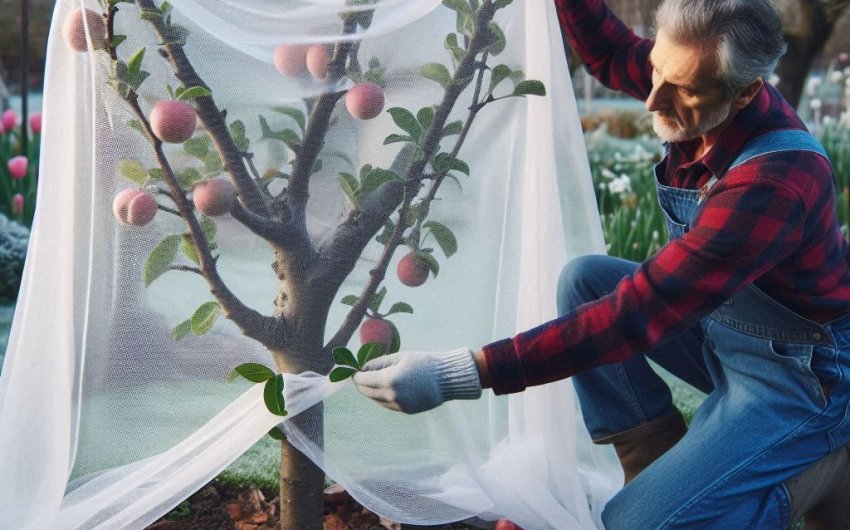
- Row Covers/Frost Blankets: Lightweight, breathable fabrics specifically designed for frost protection. Drape them over plants, ensuring they reach the ground to trap heat. Support them with stakes or hoops so they don't crush delicate foliage or flowers. You can find garden frost blankets or plant protection covers.
- Burlap or Old Sheets/Blankets: These work well for individual shrubs or smaller trees. Drape them over the plant, extending to the ground. Avoid plastic sheets, as they can trap cold and condensation, leading to more damage.
- Cardboard Boxes or Buckets: For very small plants or individual branches, invert cardboard boxes or buckets over them. Remove them in the morning.
- When to Cover: Place covers before sunset to trap any residual daytime heat.
- When to Remove: Remove covers shortly after sunrise the next morning, once temperatures are safely above freezing, to prevent overheating and allow for air circulation and pollination.
- Overhead Sprinkler Irrigation (for commercial growers, but can be scaled):
- The Principle: This method uses the latent heat released when water changes from liquid to ice. As water continuously freezes on the plant, it releases heat, keeping the plant tissue at or just above freezing (0°C).
- Method: Start sprinkling water when temperatures approach freezing (e.g., 34°F or 1°C) and continue uninterrupted until all ice has melted the next morning and temperatures are well above freezing. If you stop too soon, rapid thawing can cause more damage. This method requires specialized sprinklers and a reliable water source. Not usually practical for a few home fruit trees, but can be used for smaller areas if you monitor carefully.
- Temporary Enclosures/Cloches:
- For very precious or susceptible young plants, construct a temporary cold frame or cloche using clear plastic sheeting over a frame. Ensure it can be vented during the day. A garden cloche kit can be helpful.
- Relocating Potted Plants:
- If you're growing fruit trees or berry bushes in containers, simply move them indoors (to a garage, shed, or unheated sunroom) when frost is forecast. Use plant caddies with wheels for easy movement.
- Christmas Lights (Incandescent):
- The Principle: Old-fashioned incandescent (not LED) Christmas lights generate a small amount of heat. Wrap them around branches to provide a gentle warmth.
- Method: Wrap the lights around the trunk and branches of vulnerable trees. Plug them in before nightfall. This is suitable for smaller trees.
- Stagnant Air (Fans):
- The Principle: In a radiation frost, a layer of cold air settles near the ground. Large fans (like those used in orchards) can mix this cold air with warmer air higher up, preventing frost formation.
- Method: Not practical for home gardens. This is primarily a commercial technique.
Post-Frost Care: Damage Assessment and Recovery
Even with the best efforts, some frost damage can occur. Knowing how to assess and care for your plants afterward is crucial for their recovery.
What Should I Do After a Frost Event?
Patience and careful observation are needed.
- Don't Prune Immediately: Resist the urge to immediately prune off seemingly damaged parts. Wait until all danger of frost has passed, and new growth clearly indicates where the damage ends and healthy tissue begins (usually a few weeks into consistent warm weather). Pruning too early can remove potentially viable tissue or expose new growth to subsequent frosts.
- Assess Damage:
- Buds/Flowers: Blackened, shriveled, or mushy buds and flowers are indicators of significant damage. If the pistil (the central part of the flower) turns black, that flower will not produce fruit.
- Leaves: Frost-damaged leaves will often appear water-soaked, turn dark green or black, and then shrivel.
- Stems: Look for discolored or mushy stem tissue.
- Water if Needed: If the soil is dry, provide a deep watering to help the plant recover from stress.
- Fertilize Moderately (If Already Planned): If your fertilization schedule calls for it, a balanced fertilizer can support new growth. However, don't over-fertilize damaged plants, as this can cause more stress.
- Be Patient: Fruit trees and berry bushes are resilient. Even if a frost destroys an entire year's crop of blossoms, the plant itself will often recover and produce fruit in subsequent years.
- Remove Damaged Fruit: If young fruit has been damaged, it will often shrivel, blacken, and drop off naturally. Remove any clearly damaged fruit to prevent rot or disease.
Protecting your fruit crops from frost is an integral part of successful fruit gardening. While it can be a nerve-wracking experience, understanding the mechanisms of frost damage and applying appropriate preventative and active measures can significantly increase your chances of a bountiful harvest. From long-term site selection and variety choice to active covering and watering, each step plays a crucial role in safeguarding your delicious efforts against nature's chilling surprises.