
How Do I Choose Garden Furniture That Withstands High Humidity?
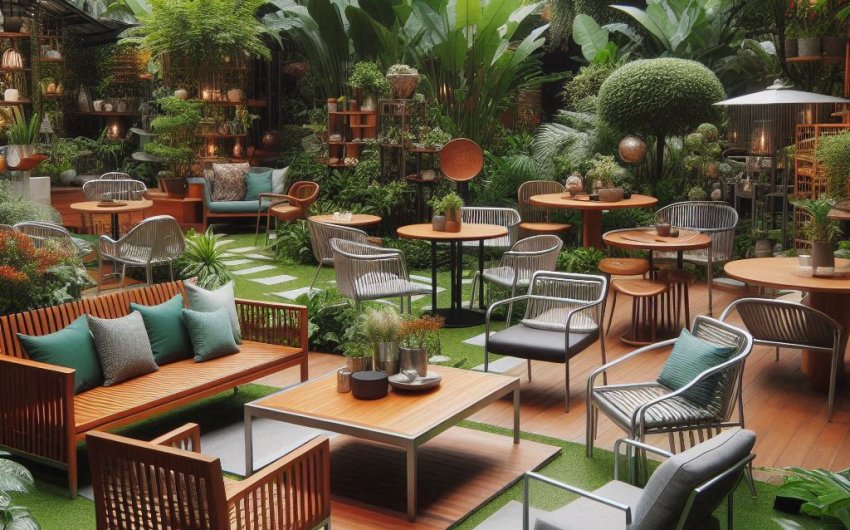
To choose garden furniture that withstands high humidity, focus on materials inherently resistant to moisture, mold, and rot. High-density polyethylene (HDPE) lumber, powder-coated aluminum, and marine-grade polymers are top contenders, as they are non-porous and won't absorb moisture that leads to deterioration.
What Materials Best Resist High Humidity?
High humidity is a significant challenge for outdoor furniture. Constant moisture in the air can lead to mildew growth, rot in wood, rust in metals, and degradation of fabrics. Selecting the right material from the start is the most important step to ensure longevity and minimize maintenance.
High-Density Polyethylene (HDPE) Lumber
HDPE lumber is arguably the best material for high-humidity environments. It's made from recycled plastics, often milk jugs and detergent bottles, and engineered to be incredibly durable outdoors.
- Pros:
- Completely impervious to moisture: Will not absorb water, eliminating rot, mold, mildew, swelling, or splintering.
- UV resistant: Resists fading from sun exposure, maintaining its color for years.
- Low maintenance: Requires only occasional cleaning with soap and water.
- Heavy and stable: Less likely to be affected by strong winds sometimes associated with humid climates.
- Eco-friendly due to its recycled content.
- Cons:
- Higher initial cost compared to some other materials.
- Very heavy, making it less portable.
For a long-lasting solution, consider a Polywood Adirondack Chair made from HDPE.
Powder-Coated Aluminum
Aluminum is naturally rust-resistant, which is a major advantage in humid climates. When it's powder-coated, it gets an extra protective layer that makes it even more durable and resistant to scratches and moisture.
- Pros:
- Excellent rust resistance: Ideal for areas with high moisture.
- Lightweight: Easy to move and rearrange.
- Durable: Strong and can withstand general outdoor use.
- Modern aesthetics: Often used in sleek, contemporary designs.
- Low maintenance: Easy to clean.
- Cons:
- Can get hot in direct sunlight.
- A scratch in the powder coating can expose the aluminum, potentially leading to some oxidation over a very long time, though true rust is rare.
- Lighter pieces might need securing in high winds.
A Grand Patio Outdoor Dining Set crafted from powder-coated aluminum offers a stylish and practical choice.
Marine-Grade Polymer
Often used in boat manufacturing and outdoor cabinetry, marine-grade polymer is a solid, non-porous plastic designed for extreme moisture exposure.
- Pros:
- Superior water resistance: Specifically engineered for wet environments.
- Won't rot, swell, or delaminate: Completely impervious to water absorption.
- Resistant to mold and mildew: Its non-porous surface doesn't give mold a place to grow.
- Easy to clean and maintain.
- Cons:
- Generally more expensive.
- Limited color and style options compared to other materials.
Look for brands like Trex Outdoor Furniture that utilize similar high-performance polymers.
Teak Wood (with proper care)
Teak is considered one of the most durable woods for outdoor use due to its natural oils and dense grain. While it can withstand humidity, it does require more maintenance than synthetic options to prevent mold and maintain its appearance.
- Pros:
- Natural resistance to rot and insects: Its high oil content acts as a natural water repellent.
- Beautiful aesthetic: Develops a silver-gray patina over time if left untreated.
- Strong and durable.
- Cons:
- High maintenance: Requires regular cleaning to remove surface mold/mildew in humid climates. Oiling is needed to retain its golden color.
- Expensive.
- Can stain patios if its natural oils leach out.
If you choose teak, opt for sustainably sourced, high-quality Oxford Garden Teak Furniture and commit to its proper care.
What Materials Should Be Avoided in High Humidity?
Certain materials, while attractive, are simply not suited for environments with consistently high humidity. Choosing these will lead to rapid deterioration and disappointment.
Untreated Woods (Pine, Fir, Oak, Acacia)
Most untreated woods like pine, fir, oak, or even less dense tropical woods like acacia, will rapidly deteriorate in high humidity. They absorb moisture, leading to:
- Rot and decay: Wood fibers break down quickly.
- Mold and mildew growth: The damp surface is a perfect breeding ground.
- Warping and cracking: Repeated wetting and drying cycles cause stress on the wood.
- Splintering: Becomes rough and unsafe to touch.
Wrought Iron and Steel
Unless specifically treated with advanced coatings or made of stainless steel (which is rare and expensive for furniture), wrought iron and steel will quickly succumb to rust in humid conditions. Even powder-coated versions are vulnerable if the coating is scratched or chipped.
- Rapid rust: The primary issue, leading to discoloration and structural weakness.
- High maintenance: Requires constant vigilance for rust spots, sanding, and repainting.
- Heavy: Difficult to move once rust takes hold.
Natural Rattan and Wicker
Natural rattan and wicker are made from plant fibers that are highly susceptible to moisture absorption. In humid environments, they will:
- Become moldy: Quickly develop unsightly and unhealthy mildew.
- Become brittle: The fibers lose their flexibility and become prone to breaking.
- Swell and unravel: Absorption of moisture causes structural damage.
If you desire the look of rattan, always opt for synthetic resin wicker (often made from HDPE or PVC), which is designed for outdoor use and is highly resistant to humidity and mold.
How Can I Protect Garden Furniture from Humidity Damage?
Even with durable materials, taking proactive steps can significantly extend the life and appearance of your outdoor furniture in humid climates.
Regular Cleaning and Drying
Prevention is key when it comes to mold and mildew.
- Frequent rinsing: Use a hose to rinse furniture with fresh water, especially after heavy rains or periods of intense humidity. This washes away spores and dirt.
- Mild soap wash: Every few weeks, wash furniture with a solution of mild dish soap and water. Use a soft brush or cloth to gently scrub surfaces, then rinse thoroughly.
- Address mold immediately: If you see mold or mildew, clean it off promptly. A solution of one part bleach to three parts water (for non-porous surfaces like HDPE or aluminum) or a specialized outdoor cleaner can be used. Always test in an inconspicuous area first and rinse well.
- Ensure drying: After cleaning or rain, try to let furniture air dry completely. If cushions are damp, stand them on their side to promote airflow or bring them indoors.
Use Furniture Covers
High-quality furniture covers are an excellent investment for protecting your furniture from constant moisture when not in use.
- Waterproof and breathable: Look for covers made from durable, waterproof fabric that also allows for air circulation to prevent condensation and moisture buildup underneath.
- UV protection: Covers also shield furniture from sun damage, preventing fading.
- Secure fit: Choose covers with drawstrings, buckles, or elastic hems to ensure they stay on in windy conditions.
- Classic Accessories Veranda Patio Covers are well-regarded for their durability and protection.
Proper Storage
If possible, store cushions and lighter furniture pieces indoors during extended periods of very high humidity or heavy rain.
- Deck boxes: A watertight deck box is invaluable for storing cushions, especially those not made from quick-drying materials. Look for those with ventilation.
- Garages or sheds: Provide the best protection for smaller items.
- Elevate furniture: If storing furniture on a concrete patio or deck, elevate it slightly to allow air circulation underneath and prevent moisture from getting trapped.
Cushion Care
Cushions are often the first part of outdoor furniture to show signs of humidity damage.
- Quick-drying materials: Invest in cushions made with Sunbrella fabric or other solution-dyed acrylics, which are highly resistant to mold, mildew, and fading.
- Open-cell foam: Look for cushion inserts made from open-cell foam, which allows water to drain quickly.
- Removable covers: Zippable, removable covers make cleaning much easier.
- Consider investing in Sunbrella replacement cushions if your current ones are not performing well.
What Features Should I Look for in High-Humidity Garden Furniture?
Beyond the primary material, certain design and construction features can make garden furniture more suitable for humid environments.
Excellent Drainage
Furniture that allows water to drain easily prevents pooling and moisture accumulation.
- Slatted surfaces: Tables and chairs with slatted designs allow rain and condensation to run off quickly rather than pooling.
- Perforated seats: Some metal or plastic chairs have small holes in the seat for quick drainage.
- Elevated designs: Legs that lift furniture slightly off the ground help improve airflow and prevent moisture buildup underneath.
Breathable Cushions and Fabrics
While water-resistant, cushions still need to breathe.
- Solution-dyed acrylics: Fabrics like Sunbrella are not only fade-resistant but also resist mildew because they don't absorb water readily.
- Mesh underlays: Some cushions have a mesh bottom to help with drainage and airflow.
Rust-Resistant Hardware
Even if the main frame is humidity-resistant, cheap hardware can quickly fail.
- Stainless steel hardware: All bolts, screws, and fasteners should be made from stainless steel to prevent rust.
- Hidden fasteners: Designs that conceal hardware from direct exposure to moisture also help prolong its life.
Easy to Clean Surfaces
In humid climates, frequent cleaning is a reality.
- Smooth, non-porous surfaces: These are easier to wipe down and less likely to harbor mold spores.
- Minimal crevices: Designs with fewer hard-to-reach nooks and crannies will be simpler to keep clean.
How Do Different Furniture Types Perform in Humidity?
Different styles of garden furniture will have varying humidity resistance depending on their materials and construction.
Dining Sets
Outdoor dining sets need to be robust enough for regular use and easy to clean.
- Recommended: Powder-coated aluminum or HDPE lumber dining sets. They are impervious to moisture and simple to maintain.
- Avoid: Wooden dining sets unless they are high-quality teak with consistent oiling, or metal sets not specifically designed for humidity.
| Feature | HDPE Lumber Dining Set | Powder-Coated Aluminum Dining Set | Teak Dining Set (well-maintained) |
|---|---|---|---|
| Humidity Resist. | Excellent (no absorption, no mold) | Excellent (rust-resistant) | Good (natural oils, but needs cleaning) |
| Maintenance | Very Low | Low | Moderate to High |
| Drying Time | Immediate | Quick | Moderate |
| Mold/Mildew | Virtually none | Virtually none | Can occur on surface if not regularly cleaned |
| Longevity | Decades | Many years | Many years, with consistent care |
Lounge Chairs and Chaises
These pieces are often in direct contact with skin and sun, so material choice is key.
- Recommended: HDPE chaise lounges or those with aluminum frames and Sunbrella slings.
- Avoid: Fabric slings that aren't specifically mold-resistant or natural wicker chaises.
- A Polywood Chaise Lounge offers a sturdy, humidity-proof option for relaxing.
Outdoor Sofas and Sectionals
Creating an outdoor living room requires careful material selection for upholstery.
- Frame Material: Choose frames made of HDPE, powder-coated aluminum, or marine-grade polymer.
- Cushions: Crucial. Ensure cushions are made with quick-drying foam and covers of solution-dyed acrylic fabric (like Sunbrella). Look for covers that are removable and washable.
- Avoid: Any outdoor sofa with cotton or non-spec outdoor fabric cushions, or frames made of untreated wood or iron.
Adirondack Chairs
A classic design that can be highly humidity-resistant depending on the material.
- Recommended: HDPE Adirondack chairs. Their sturdy, solid construction and non-porous material make them perfect.
- Avoid: Adirondack chairs made from untreated softwood that will quickly rot.
- The Polywood Classic Adirondack Chair is a timeless and durable choice for humid climates.
What About Outdoor Lighting and Heating in High Humidity?
Beyond furniture, outdoor accessories also need to withstand humid conditions.
Outdoor Lighting
- Waterproof ratings: Look for lighting fixtures with an IP (Ingress Protection) rating suitable for outdoor use, ideally IP44 or higher, meaning protection against splashes and sprays.
- Materials: Choose fixtures made of rust-resistant materials like aluminum, stainless steel, or durable plastics.
- LED: LED lights consume less power and generate less heat, which can be beneficial in humid environments.
- Consider Solar Path Lights with high waterproof ratings for easy, wire-free illumination.
Outdoor Heating (Fire Pits, Patio Heaters)
Even in humid climates, evenings can be cool.
- Fire Pits: Look for fire pits made from concrete, stone, or rust-resistant metals (like stainless steel or cast aluminum) with durable finishes. Ensure proper drainage holes.
- Patio Heaters: Electric patio heaters are often more suitable than propane in very humid areas, as propane tanks can show rust. Ensure electric heaters are rated for outdoor use (wet locations).
- A Solo Stove Bonfire Fire Pit made of stainless steel offers good durability for outdoor use.
How Does Airflow Affect Garden Furniture in Humid Climates?
Good airflow is a silent hero in the fight against humidity damage to garden furniture.
Importance of Air Circulation
- Prevents mold and mildew: Stagnant, moist air is an ideal breeding ground for mold and mildew. Good air circulation helps surfaces dry quickly.
- Reduces moisture trapping: Airflow prevents water from pooling in crevices or underneath furniture.
- Faster drying: Furniture and cushions dry out much faster after rain or dew.
Design Considerations for Airflow
- Slatted designs: As mentioned, slatted tables, chairs, and benches allow air to flow through and around them.
- Elevated furniture: Choose pieces with legs that lift them off the ground. Avoid furniture with solid bases that sit directly on the patio, as this can trap moisture.
- Spaced out arrangement: Avoid cramming furniture tightly against walls or each other. Leave enough space between pieces for air to circulate freely.
- Regular repositioning: If you have furniture that sits on a rug or in a shaded spot, occasionally move it to allow the area underneath to dry out.
Cushion Management
- Standing cushions on edge: After rain, stand cushions on their side to encourage water to drain and air to circulate through them.
- Storing cushions: If storing cushions in a deck box, ensure the box has some ventilation to prevent trapped moisture, or air them out periodically.
What Is the Importance of Regular Maintenance in Humid Climates?
Even with the most resistant materials, regular maintenance is vital to preserve your garden furniture in high humidity. Neglecting care, even for durable materials, can lead to premature wear or aesthetic issues.
The Maintenance Schedule
- Weekly Rinse: A quick spray down with fresh water (without soap) to remove any airborne particles, pollen, and light moisture.
- Bi-Weekly Deep Clean: A more thorough wash with mild soap and water, followed by a complete rinse. This is crucial for preventing mold and mildew buildup.
- Monthly Cushion Check: Inspect cushions for any signs of mold, wipe down with appropriate cleaner if needed, and ensure they are drying properly.
- Seasonal Inspection: Before and after the peak humid season, thoroughly inspect all furniture frames and hardware for any signs of wear, rust, or damage. Touch up any powder coating scratches.
Tools for Maintenance
- Soft brush or sponge: For gentle cleaning.
- Hose with spray nozzle: For quick rinsing.
- Mild dish soap: A simple, effective cleaner.
- Bleach solution (diluted): For stubborn mold on non-porous surfaces.
- Furniture covers: Essential for protection.
- Deck box: For cushion storage.
By understanding the unique challenges of high humidity and prioritizing materials like HDPE lumber, powder-coated aluminum, and marine-grade polymers, you can confidently choose garden furniture that will resist the elements and provide lasting enjoyment for years to come.