
What Are the Best Garden Furniture Options for a Small Rooftop Terrace?
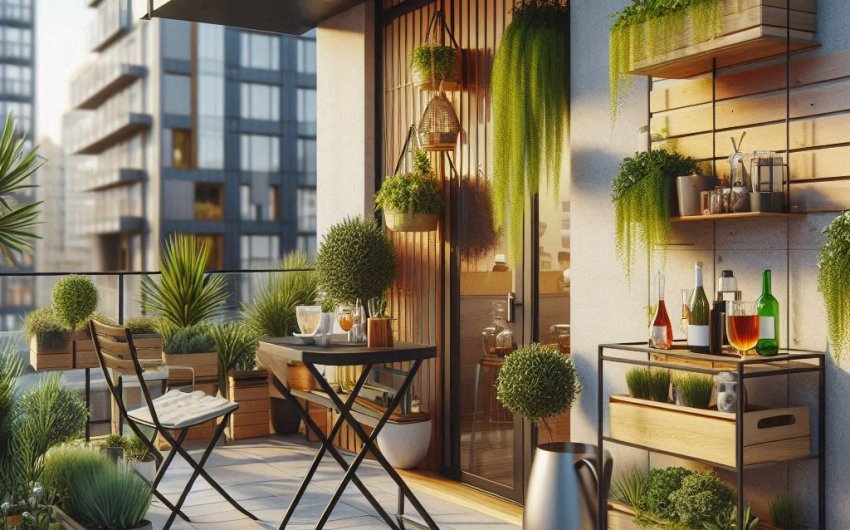
The best garden furniture options for a small rooftop terrace prioritize compact size, multi-functionality, lightweight design, and durability against strong winds and direct sun. Materials like aluminum, synthetic rattan, and bistro-style sets are excellent choices for maximizing space and ensuring longevity in an exposed environment.
What Are the Key Considerations for a Small Rooftop Terrace?
Choosing furniture for a small rooftop terrace is very different from furnishing a backyard patio. Space is limited, weather conditions can be extreme, and every item needs to serve a purpose. Understanding these unique factors is crucial before you start shopping.
Space Limitations
Every inch counts on a small rooftop. Furniture must be appropriately sized to avoid overcrowding the area.
- Footprint: Look for pieces with a small footprint that don't take up too much floor space.
- Scale: Furniture should be in proportion to the size of your terrace, not overwhelming it.
- Vertical space: Think about using vertical elements like shelving or plant stands to maximize planting without eating into floor space.
Weight Restrictions
Rooftops often have weight limits. While most residential rooftops can handle typical patio furniture, it's always wise to check with your building management or a structural engineer if you plan on adding very heavy items like large stone planters or multiple heavy concrete pieces.
- Lightweight materials: Aluminum, synthetic wicker, and certain plastics are much lighter than solid wood, iron, or concrete.
- Hollow designs: Choose furniture with hollow frames rather than solid blocks.
Weather Exposure
Rooftop terraces are highly exposed to the elements. There's no tree cover or surrounding buildings to offer shelter from intense sun, strong winds, or heavy rain.
- Sun: Furniture will face direct, intense UV exposure, requiring UV-resistant materials and fabrics to prevent fading and degradation.
- Wind: Wind can be significantly stronger on a rooftop, demanding furniture that is heavy enough or designed to resist being blown over.
- Rain: Good drainage and water-resistant materials are essential to prevent rot, rust, and mold.
Accessibility
Consider how you will get the furniture up to the rooftop. Large, bulky pieces might not fit through stairwells or elevators.
- Flat-pack or assembly required: Furniture that comes in pieces and can be assembled on the terrace is often easiest.
- Modular designs: Sections of a sofa that can be moved individually are more manageable.
What Materials Work Best on a Rooftop Terrace?
Given the extreme conditions and weight considerations, material choice is paramount for rooftop furniture.
Aluminum
Aluminum is a top choice for rooftop terraces due to its combination of lightness and strength.
- Pros:
- Lightweight: Easy to move and won't add excessive weight to the roof.
- Rust-resistant: Naturally resists rust, ideal for rain and humidity.
- Durable: Strong and long-lasting, especially when powder-coated.
- Modern aesthetic: Often used for sleek, contemporary designs.
- Low maintenance: Easy to clean.
- Cons:
- Can get hot in direct sunlight.
- Lighter pieces might still need securing in very strong winds.
A Grand Patio Aluminum Bistro Set is perfect for a small corner.
Synthetic Rattan (HDPE Wicker)
Made from high-density polyethylene (HDPE), synthetic rattan mimics the look of natural wicker but offers superior outdoor performance.
- Pros:
- Lightweight: Easy to move and manage.
- Weather-resistant: Impervious to rain, humidity, and UV rays; won't rot, crack, or fade.
- Durable: Very strong and retains its shape.
- Comfortable: Often comes with plush cushions.
- Classic aesthetic: Provides a warm, inviting look.
- Cons:
- Quality varies; ensure it's truly HDPE for best performance.
- Some cheaper versions might feel flimsy.
Consider a compact WPC Outdoor Sectional made of synthetic rattan for a cozy lounge area.
Teak (Sustainably Sourced)
Teak is known for its natural durability and beauty. While heavier than aluminum or synthetic rattan, smaller teak pieces can work on rooftops.
- Pros:
- Naturally weather-resistant: High oil content resists rot, pests, and moisture.
- Beautiful aesthetic: Develops a silver-gray patina over time.
- Strong and stable.
- Cons:
- Heavier than other options, so consider total weight.
- Expensive.
- Requires occasional maintenance (cleaning, oiling if you prefer the golden color) to prevent surface mold in damp conditions.
- Can splinter if not high quality.
A small Oxford Garden Teak Bistro Table could be a charming addition.
Plastic (HDPE or Polypropylene)
Modern outdoor plastics are far from flimsy. High-density polyethylene (HDPE) and polypropylene offer good durability and come in various styles.
- Pros:
- Very lightweight: Easy to move around.
- Affordable.
- Weatherproof: Resistant to rust, rot, and moisture.
- Easy to clean.
- Often stackable for storage.
- Cons:
- Can sometimes look less "premium" than other materials.
- Can blow away in very strong winds if not heavy enough.
What Types of Furniture Maximize Space on a Rooftop Terrace?
Strategic furniture choices are crucial for making the most of a small rooftop. Look for pieces that are inherently space-saving or can serve multiple functions.
Bistro Sets
A classic choice for small spaces, a bistro set typically includes two chairs and a small table.
- Compact: Designed for intimate settings, perfect for a morning coffee or an evening drink.
- Versatile: Can be used for casual dining or just a place to sit and enjoy the view.
- Foldable/Stackable: Many bistro sets are foldable, allowing them to be stored away when not in use, freeing up floor space.
- A Safavieh Bistro Set can offer a charming spot for two.
Modular Sectionals
Instead of a bulky sofa, modular sectionals can be arranged to fit awkward spaces and provide flexible seating.
- Customizable: Individual pieces (corners, armless chairs, ottomans) can be combined to fit the exact dimensions of your terrace.
- Versatile: Can be reconfigured from a lounge area to individual seating.
- Maximizes seating: Often offers more seating per square foot than traditional sofas.
- Look for a Walker Edison Modular Sectional for adaptable comfort.
Stackable Chairs
When you need extra seating for guests but don't have space for permanent chairs, stackable chairs are ideal.
- Space-saving storage: Can be stacked neatly in a corner or closet when not in use.
- Lightweight: Easy to bring out and put away.
- Choose materials like aluminum or durable plastic.
Bar Height Tables and Stools
If your terrace has a railing with a great view, bar height furniture can elevate your experience.
- Maximizes views: Allows you to sit higher and see over railings.
- Creates a focal point: A stylish bar area can become the centerpiece of your terrace.
- Compact: Bar tables tend to have smaller footprints than full dining tables.
How Can Multi-Functional Furniture Enhance a Small Rooftop Terrace?
Multi-functional pieces are invaluable on a small rooftop. They save space by serving more than one purpose, making your terrace more efficient and enjoyable.
Storage Ottomans
An ottoman that doubles as storage is a smart buy.
- Seating/Footrest: Provides an extra seat or a comfortable place to rest your feet.
- Storage: Hides cushions, blankets, or small gardening tools.
- Table surface: With a flat top, it can serve as an impromptu coffee table.
- Look for a Keter Deck Box that also offers seating.
Benches with Storage
A bench can provide seating for multiple people while also offering hidden storage.
- Maximize seating: Offers more seating than individual chairs in the same footprint.
- Hidden storage: Ideal for storing garden supplies, outdoor games, or patio covers.
- Versatile: Can be a standalone seating area or combined with a small table.
Nested Tables
Tables that fit inside each other are perfect for when you need more surface area only occasionally.
- Expandable surface: Pull out smaller tables only when needed for drinks or snacks.
- Compact storage: When not in use, they take up the space of just one table.
Planters with Seating or Wheels
Even your planters can be multi-functional.
- Built-in seating: Large, sturdy planters can have an integrated bench, saving space.
- Wheels: Planters on wheels are easy to move for cleaning or to reposition plants for optimal sun exposure.
What About Comfort and Aesthetics on a Rooftop?
Despite space and weather challenges, your rooftop terrace should still be a comfortable and attractive extension of your living space.
Cushions and Fabrics
Comfort is key, but cushions need to withstand harsh rooftop conditions.
- Performance fabrics: Essential for durability. Look for Sunbrella or similar solution-dyed acrylics. These fabrics resist fading, mold, and mildew.
- Quick-drying foam: Ensures cushions don't stay soggy after rain, preventing mildew.
- Removable covers: Makes cleaning easier.
- Consider investing in Sunbrella replacement cushions for optimal longevity.
Color Schemes
Light colors can help a small space feel larger and cooler.
- Light neutrals: Whites, grays, and natural tones reflect sunlight, making the area feel brighter and more open.
- Pops of color: Add vibrant accents with pillows or small accessories without overwhelming the space.
Greenery and Plants
Plants are crucial for making a rooftop terrace feel like a garden.
- Lightweight planters: Choose fiberglass, resin, or plastic planters to minimize weight.
- Vertical gardens: Wall-mounted planters or tiered plant stands save floor space.
- Drought-tolerant plants: Consider succulents, grasses, or herbs that can handle intense sun and wind.
- Ensure planters have good drainage to prevent waterlogging.
Lighting
Outdoor lighting transforms a rooftop terrace for evening use.
- Solar lights: Easy to install, no wiring needed. Look for durable, waterproof designs.
- String lights: Create a festive, inviting ambiance. Ensure they are outdoor-rated.
- Lanterns: Portable and add a cozy glow.
- A set of Brightech LED Outdoor String Lights can instantly elevate the mood.
How to Protect Rooftop Furniture from Extreme Weather?
Rooftop furniture is more exposed than furniture in a typical backyard. Special care is needed to protect it from the elements.
Anchoring for Wind
Wind is a major concern on rooftops.
- Heavy furniture: If weight restrictions allow, choose naturally heavier pieces.
- Weighted bases: For umbrellas or lightweight chairs, add heavy bases or sandbags.
- Securing straps: Use furniture tie-downs or straps to secure pieces to railings or fixed structures during high winds.
- Storage: During extreme weather warnings, consider moving lighter furniture indoors or into a sheltered corner.
UV Protection
Constant sun exposure can fade colors and degrade materials.
- UV-resistant materials: Prioritize materials like HDPE, powder-coated aluminum, and Sunbrella fabric.
- Furniture covers: Use high-quality, UV-resistant covers when furniture is not in use. This dramatically extends its lifespan.
- Shade solutions:
- Cantilever umbrellas: Offer flexible shade and can be positioned to block sun throughout the day. Ensure they have a very heavy base and can be closed/secured during windy conditions.
- Pergolas or awnings: More permanent structures offer consistent shade and some wind protection. Check building codes and weight limits.
- A Purple Leaf Cantilever Umbrella with a heavy base is a good investment for larger terraces.
Water Drainage
Good drainage prevents moisture damage.
- Slatted designs: Furniture with slatted seats or tabletops allows water to drain off quickly.
- Elevated furniture: Choose pieces with legs to keep them off the damp ground.
- Pervious flooring: If possible, choose rooftop flooring materials (like deck tiles with gaps) that allow water to drain through rather than pool.
What Maintenance Does Rooftop Furniture Need?
Regular maintenance is even more critical for furniture on a rooftop terrace due to constant exposure.
Cleaning Routine
- Weekly Rinse: A quick rinse with a hose to remove dust, pollen, and any salt spray (if near the coast).
- Bi-Weekly Wash: Clean with mild soap and water using a soft cloth or brush. Rinse thoroughly to remove all soap residue.
- Address Mold/Mildew: For any signs of mold, use a diluted bleach solution (1 part bleach to 3 parts water) on non-porous surfaces, or a specialized outdoor cleaner, scrubbing gently and rinsing well.
- Cushion Care: Regularly wipe down cushions. If they get wet, stand them on their side to dry completely, or bring them indoors.
Inspect and Repair
- Hardware: Periodically check all bolts and screws, especially on aluminum furniture, to ensure they are tight and rust-free. Use stainless steel hardware if replacements are needed.
- Surfaces: Look for any scratches or chips in powder coatings on metal furniture, and touch them up with appropriate paint to prevent further damage.
- Wood: If you have teak, follow its specific oiling and cleaning schedule.
Off-Season Storage
If you live in a climate with harsh winters, consider off-season storage.
- Covers: Invest in high-quality, breathable furniture covers that fit snugly.
- Indoor storage: For very small, lightweight pieces, consider bringing them indoors to a shed or closet.
- Clean before storing: Always clean and thoroughly dry furniture before covering or storing it to prevent mold and mildew growth during storage.
Choosing the best garden furniture options for a small rooftop terrace involves careful consideration of size, weight, and extreme weather. Prioritizing compact, multi-functional pieces made from durable, lightweight materials like aluminum, HDPE synthetic rattan, or well-maintained teak will create a beautiful and resilient outdoor oasis.