
How Can I Incorporate Garden Furniture into a Vertical Garden Setup?
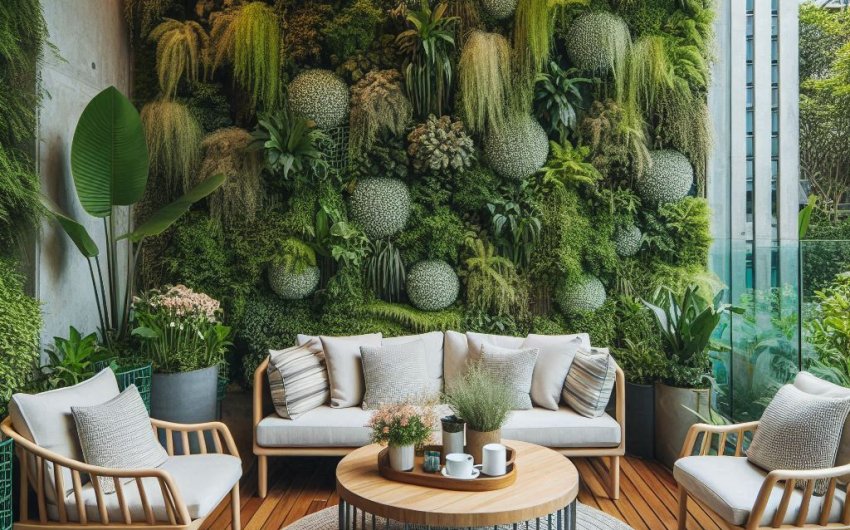
To incorporate garden furniture into a vertical garden setup, focus on creating cohesive zones that blend seating areas with lush greenery. This involves selecting compact, versatile furniture that complements the vertical elements, ensuring clear pathways, and using plants to provide shade, privacy, or an aromatic backdrop to your outdoor living space.
Why Combine Garden Furniture and Vertical Gardens?
Combining garden furniture with vertical gardens is a brilliant strategy for maximizing outdoor space, especially in urban environments or on small balconies. It transforms a simple patio or wall into a vibrant, functional oasis.
Space Efficiency
Vertical gardens take planting upwards, freeing up valuable floor space that can then be used for furniture.
- Small Patios: Allows for more seating or dining areas without sacrificing greenery.
- Balconies: Turns a cramped balcony into a lush retreat.
- Walls: Transforms plain walls into living backdrops.
Enhanced Ambiance
The synergy between comfortable furniture and living walls creates a unique and inviting atmosphere.
- Natural Beauty: Provides an immediate sense of being immersed in nature.
- Air Quality: Plants naturally improve air quality and can filter urban dust.
- Sound Dampening: A wall of plants can help absorb noise, creating a calmer environment.
- Temperature Regulation: Plants can cool down an area, making furniture more comfortable on hot days.
Privacy and Screening
Vertical gardens can serve as beautiful, living screens around your furniture.
- Boundary Definition: Create a sense of enclosure around a seating area.
- Block Views: Shield your space from nosy neighbors or unattractive views.
- Soft Barriers: A more appealing alternative to solid fences or walls.
What Types of Vertical Gardens Work Best with Furniture?
The choice of vertical garden system impacts how effectively you can integrate furniture. Consider the size of your space, the type of plants you want, and your maintenance commitment.
Pocket Planters and Fabric Systems
These systems use individual pockets or fabric bags attached to a frame or wall.
- Pros:
- Lightweight: Easy to install, often suitable for walls with lower weight-bearing capacity.
- Flexible: Can be adapted to various wall sizes and shapes.
- Good for herbs/flowers: Ideal for smaller plants.
- Cons:
- May dry out faster, requiring more frequent watering.
- Not suitable for larger plants or vegetables.
- Can look less "finished" than modular panel systems.
- Integration: Great for creating a lush green backdrop directly behind a bench or a small bistro set.
- A Vertical Garden Planter Wall Mounted with multiple pockets can be easily set up.
Modular Panel Systems
These systems consist of interlocking panels with individual planting cells, often with built-in irrigation.
- Pros:
- Clean aesthetic: Creates a uniform, sleek living wall.
- Better water retention: Often designed for more efficient watering.
- More durable: Typically made from sturdy plastics or metals.
- Scalable: Can cover large areas.
- Cons:
- Heavier and more complex to install than pocket systems.
- More expensive upfront.
- Integration: Perfect for creating a grand, immersive green wall behind a sofa or dining area, providing a stunning visual backdrop.
Pallet Gardens
A popular DIY option, pallet gardens repurpose wooden pallets into vertical planters.
- Pros:
- Cost-effective: Can be very cheap or free.
- Rustic charm: Adds a unique, reclaimed look.
- Good for herbs/small veggies: Provides decent planting depth.
- Cons:
- Requires sourcing safe, untreated pallets.
- Can be heavy when filled with soil.
- May not last as long as other systems.
- Integration: Ideal for a casual, bohemian outdoor space with low-slung seating or floor cushions. Place next to a seating area for easy access to herbs.
Ladder Planters and Tiered Shelves
These aren't strictly "vertical gardens" but offer vertical planting opportunities.
- Pros:
- Portable: Can be moved around to optimize sunlight or rearrange the space.
- Versatile: Holds individual pots, allowing for easy plant rotation.
- Aesthetic variety: Available in many materials like wood, metal, or bamboo.
- Cons:
- Less "dense" green coverage than true vertical garden systems.
- Integration: Place a tiered shelf next to an armchair to keep a book, drink, and a cascade of plants within reach. A ladder planter can define a cozy corner next to a bistro set.
- A 3-Tier Ladder Plant Stand can offer versatile display options.
How to Position Furniture within a Vertical Garden Layout?
Strategic placement is crucial for creating a harmonious and functional outdoor space that seamlessly blends your garden furniture with your vertical greenery.
Create Zones
Define distinct areas for different activities within your vertical garden setup.
- Dining Zone: Place a small dining table and chairs adjacent to a vertical herb garden for easy access to fresh ingredients.
- Relaxation Zone: Position a comfortable lounge chair or compact sofa directly in front of a lush vertical wall, creating a private, serene nook.
- Conversation Nook: Arrange two small armchairs with a tiny side table flanked by vertical planters.
Backdrops and Focal Points
Use vertical gardens as stunning backdrops or focal points for your furniture.
- Behind Seating: A full-scale living wall behind a sofa creates a powerful visual statement and a feeling of being enveloped by nature.
- Accent Walls: Use a vertical garden on one wall as an accent, with furniture placed to face or complement it.
- Entryway: Frame an entryway with vertical planters, leading to your main seating area.
Pathways and Flow
Ensure there's clear, comfortable movement around your furniture and vertical garden elements.
- Keep Clear: Avoid placing furniture or large planters directly in traffic paths.
- Consider Access: Ensure you can easily access plants for watering and maintenance without moving heavy furniture.
- Flow: Create a natural flow from one zone to another.
Sunlight and Shade
Consider the sun requirements of both your plants and your furniture.
- Plant Needs: Place vertical gardens in areas that receive appropriate sunlight for the plants you choose (e.g., full sun for vegetables, partial shade for ferns).
- Furniture Comfort: Position seating in areas that offer natural shade from the vertical garden, or where you can add an umbrella. A leafy vertical garden can slightly cool the air around seating.
What Types of Garden Furniture are Best for Vertical Garden Setups?
Choosing the right furniture is about balancing style, comfort, and functionality within a potentially limited, green-focused space.
Compact Bistro Sets
Perfect for small patios or balconies, a bistro set allows for intimate dining or a place for morning coffee.
- Small Footprint: Takes up minimal space.
- Intimate: Creates a cozy dining nook.
- Foldable Options: Many bistro sets can be folded away when not in use, freeing up valuable floor space.
- Pair a Bistro Set with Folding Chairs next to a vertical herb garden.
Small Sectionals or Modular Seating
These pieces offer flexible seating arrangements that can fit snugly into corners or along walls.
- Customizable: Individual pieces can be arranged to fit the exact dimensions of your space.
- Maximizes Seating: Often provides more seating than traditional sofas in the same area.
- Adaptable: Can be reconfigured if your needs change.
- A WPC Outdoor Modular Sofa is perfect for a small, customizable lounge area.
Single Armchairs or Accent Chairs
If space is very limited, one comfortable armchair can create a personal reading or relaxation spot.
- Personal Oasis: Ideal for a quiet corner surrounded by plants.
- Compact: Much smaller footprint than a full sofa.
- Pairing: Can be paired with a small side table or a multi-functional ottoman.
Multi-Functional Ottomans or Benches with Storage
These pieces save space by serving multiple purposes.
- Seating and Storage: An ottoman can be a footrest, extra seat, or a storage box for cushions or gardening tools.
- Bench: A bench provides seating for multiple people and can often include hidden storage.
- A Keter Resin Deck Box with Seating can serve dual purposes.
What Materials Are Best for Furniture in a Vertical Garden?
Given that vertical gardens introduce a lot of moisture and require maintenance, choosing humidity-resistant furniture materials is key.
Powder-Coated Aluminum
Aluminum is lightweight and rust-resistant, making it ideal for outdoor furniture, especially near moisture.
- Lightweight: Easy to move if you need to access your vertical garden for maintenance.
- Rust-Resistant: Will not rust from splashes or humidity.
- Durable Coating: Powder coating provides an extra layer of protection and color.
- Modern Look: Often found in sleek, minimalist designs that won't distract from the greenery.
Synthetic Rattan (HDPE Wicker)
This durable, weather-resistant material is perfect for creating a cozy, natural look.
- Moisture Resistant: Unlike natural rattan, it won't mold, rot, or swell from water.
- UV Resistant: Holds its color well in direct sun.
- Lightweight: Easy to rearrange.
- Comfortable: Often comes with plush, outdoor-rated cushions.
High-Density Polyethylene (HDPE) Lumber
Made from recycled plastics, HDPE lumber is incredibly resilient and low maintenance.
- Impervious to Water: Will not rot, splinter, or swell from constant moisture.
- UV Resistant: Colors stay vibrant for years.
- Heavy and Stable: Less likely to blow over in windy conditions, a common concern for urban rooftops.
- Low Maintenance: Just wash with soap and water.
- A Polywood All-Weather Dining Set can offer exceptional durability.
Teak (Sustainably Sourced)
While naturally water-resistant, teak near a vertical garden will require more diligence in terms of cleaning.
- Natural Oils: Resists rot and pests.
- Durable: A long-lasting material.
- Aesthetic: Beautiful natural look that complements greenery.
- Maintenance: Needs regular cleaning to prevent mold/mildew from humid vertical garden conditions, and oiling if you want to maintain its golden hue.
How to Maintain Furniture in a Vertical Garden Environment?
The close proximity to plants and moisture from watering means furniture in a vertical garden setup needs specific maintenance.
Regular Cleaning
- Frequent Rinsing: Use a hose to rinse furniture, especially after watering your vertical garden. This washes away any stray soil, plant debris, or excess moisture.
- Mild Soap Wash: Every few weeks, wash furniture surfaces with a mild soap solution and a soft cloth or brush. Rinse thoroughly.
- Address Mold/Mildew: If you notice any green or black spots, clean them immediately. For non-porous surfaces, a diluted bleach solution (1 part bleach to 3 parts water) works, followed by thorough rinsing. For fabrics, use specialized outdoor fabric cleaners.
Cushion Care
Cushions are often the most vulnerable part of outdoor furniture to humidity and mildew.
- Performance Fabrics: Ensure your cushions are made from outdoor-rated, solution-dyed acrylics like Sunbrella, which resist mold, mildew, and fading.
- Quick-Drying Foam: Look for cushions with open-cell foam that drains and dries quickly.
- Removable Covers: Makes cleaning easier.
- Store When Not in Use: If possible, store cushions in a watertight deck box or bring them indoors during heavy rain or extended periods of non-use. This is crucial for longevity.
- Consider a watertight deck box for cushion storage.
Hardware Check
- Stainless Steel: Ensure all furniture hardware (screws, bolts) is stainless steel to prevent rust, which is accelerated by moisture.
- Tighten and Inspect: Periodically check and tighten all fasteners. Look for any signs of rust and address them promptly.
Protection from Water Runoff
- Drip Trays/Integrated Drainage: Ensure your vertical garden system has proper drainage to prevent water from constantly dripping onto your furniture. Some systems have built-in drip trays at the bottom.
- Buffer Zone: If possible, leave a small space between your furniture and the vertical garden wall to allow for airflow and prevent constant contact with moisture.
- Plant Selection: Choose plants that are less prone to shedding leaves or soil directly onto your seating area.
What Are Some Creative Ideas for Blending Furniture and Vertical Gardens?
Thinking creatively can transform your outdoor space into a unique and inviting retreat.
The "Secret Garden" Nook
- Concept: Use vertical gardens on three sides to create a secluded, intimate seating area.
- Furniture: A small, cozy loveseat or two comfortable armchairs.
- Plants: Dense foliage plants like ferns, pothos, or even edible greens that create a lush, enveloping feel.
- Ambiance: Add string lights overhead and perhaps a small solar-powered fountain for soothing sounds.
Dining Alfresco with Herbs
- Concept: Integrate an herb vertical garden directly adjacent to a dining table.
- Furniture: A compact bistro set or a small outdoor dining table for four.
- Plants: A variety of culinary herbs like basil, mint, rosemary, and thyme, easily accessible for cooking.
- Functionality: Guests can snip fresh herbs directly from the wall for their meals or drinks.
The Reading Retreat
- Concept: Create a tranquil spot for reading or quiet contemplation.
- Furniture: A comfortable outdoor armchair or a chaise lounge.
- Plants: A vertical garden filled with fragrant plants like jasmine, lavender, or gardenia, to enhance the sensory experience.
- Accessories: A small side table for a book and a cup of tea, and perhaps a small outdoor rug to define the space.
The Multi-Level Entertainment Zone
- Concept: If you have a slightly larger rooftop or patio, create different levels using furniture and vertical elements.
- Furniture: A modular sectional on a lower "lounge" level, with a bar-height table and stools on a slightly elevated platform for views.
- Plants: Use vertical gardens at varying heights to delineate the zones – a lower green wall behind the lounge, and taller planters framing the bar area.
- Lighting: Integrate subtle lighting at different levels to highlight the plants and illuminate pathways.
Incorporating garden furniture into a vertical garden setup is an intelligent way to maximize space and bring nature closer. By selecting appropriate furniture materials, ensuring proper drainage and maintenance, and thinking creatively about layout, you can transform any outdoor area into a stunning, functional, and deeply refreshing green haven.