
How Do I Select Garden Furniture That Complements a Mediterranean Garden Style?
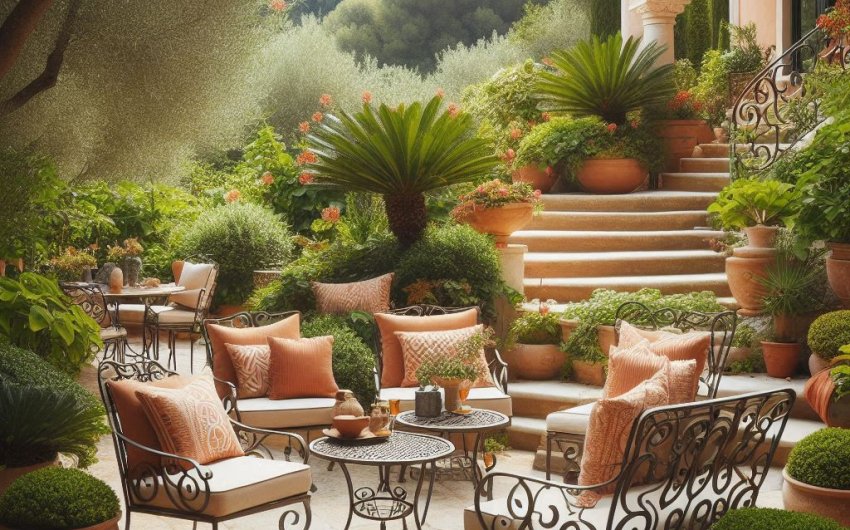
A Mediterranean garden style evokes images of sun-drenched landscapes, fragrant herbs, olive trees, terracotta pots, and sparkling blue waters. It's a design inspired by the coastal regions of countries like Italy, Greece, Spain, and parts of North Africa, where the climate is often warm and dry, and the lifestyle revolves around outdoor living. Creating this look in your own backyard isn't just about the plants and hardscaping; the right garden furniture is essential to complete the picture. It needs to be functional, comfortable, and, most importantly, harmonize with the earthy, rustic, yet elegant feel of a true Mediterranean garden. Let's explore how to choose outdoor furniture that perfectly captures this timeless style.
What Defines a Mediterranean Garden Style?
Before selecting furniture, it's helpful to understand the core elements that make a garden Mediterranean. This will guide your choices and ensure cohesion.
What are the Key Elements of a Mediterranean Garden?
- Warm Color Palette: Think terracotta, ochre, sandy yellows, warm whites, and sun-baked browns. These colors reflect the natural landscapes of the Mediterranean.
- Natural Materials: Stone (limestone, travertine), stucco, terracotta, gravel, and wood are dominant. These materials are durable and have a rustic, earthy feel.
- Drought-Tolerant Plants: Lavender, rosemary, olive trees, cypress trees, bougainvillea, and citrus trees are iconic. They thrive in dry, sunny conditions and often have silvery-green foliage or vibrant, sun-loving flowers.
- Water Features: Simple fountains, tiled water walls, or still water basins provide cooling sounds and visual interest, often with a Moorish influence.
- Pots and Urns: Abundant use of terracotta pots and large ceramic urns, sometimes glazed in blues or greens.
- Defined Spaces: Patios, courtyards, and pergolas create shaded areas for outdoor living, offering respite from the strong sun.
- Wrought Iron Accents: Decorative gates, railings, and sometimes furniture add intricate, classic touches.
Why Does Furniture Need to Complement the Style?
The garden furniture isn't just something you sit on; it's an integral part of the overall design.
- Cohesion: Furniture that clashes with the Mediterranean aesthetic can break the illusion and make the space feel disjointed.
- Authenticity: The right pieces enhance the feeling of being in a sun-drenched villa garden.
- Functionality: Mediterranean garden style emphasizes outdoor living, so furniture must be comfortable and practical for dining, relaxing, and entertaining.
What Materials are Ideal for Mediterranean Garden Furniture?
The choice of material is paramount for achieving the authentic Mediterranean look. You're aiming for natural textures, durability, and a sense of timelessness.
1. Wrought Iron: Classic and Elegant
Wrought iron is perhaps the most iconic material for Mediterranean outdoor furniture, especially in Spanish, Italian, and Moorish-influenced designs.
- Why it's ideal: It's incredibly durable and heavy, so it won't blow away in a breeze. Its intricate, scrollwork designs beautifully reflect the decorative elements found in many Mediterranean gardens. It has a timeless, classic feel. You can find stunning wrought iron patio sets.
- What to look for:
- Solid Construction: Look for sturdy, well-welded pieces.
- Powder Coating: A powder-coated finish will provide the best protection against rust and corrosion, which is a key concern with wrought iron. Matte black, dark brown, or antique bronze are ideal colors.
- Maintenance: Even with powder coating, inspect regularly for chips or scratches and touch up with rust-inhibiting paint to prevent rust.
- Considerations: Can be heavy to move. Can get hot in direct sun without cushions.
2. Wood (Teak, Acacia, Eucalyptus): Natural Warmth
Wood adds warmth and a connection to nature. While not all woods are suitable for all climates, some types fit the Mediterranean style well.
- Teak: The king of outdoor woods. Teak is highly durable and naturally resistant to rot and insects due to its high oil content. It weathers to a beautiful silvery-gray patina, which looks very authentic in a Mediterranean setting. You can find teak outdoor dining sets.
- Acacia or Eucalyptus: These are more affordable alternatives to teak that still offer good durability and a warm, natural look. They will require more regular maintenance (oiling or sealing) to protect them from weathering and moisture. Consider acacia wood patio furniture.
- What to look for: Simple, slatted designs or robust, rustic pieces. Avoid overly refined or ornate wooden furniture that might look out of place.
- Maintenance: Oil periodically to maintain the original color (with teak, acacia, eucalyptus) or allow to weather naturally. Clean regularly.
- Considerations: Wood can be heavy. Requires maintenance to prevent graying or extend life.
3. Terracotta and Ceramic: Authentic Accents
While not typically used for full furniture sets, terracotta and ceramic are indispensable for smaller tables and decorative elements.
- Terracotta Tables: Small terracotta mosaic tables or side tables are very authentic. The earthy color blends seamlessly.
- Ceramic Tile Tops: Tables with tops made of vibrant, hand-painted ceramic tiles (especially in blues, greens, or yellows) add a quintessential Mediterranean flair. These echo the tiling often found in courtyards and fountains.
- Maintenance: Easy to wipe clean. Protect from freezing temperatures by bringing indoors or covering, as terracotta can crack.
- Considerations: Can be brittle and heavy.
4. Stone or Concrete: Robust and Earthy
For built-in elements or sturdy tables, natural stone or concrete offer robustness and an earthy feel.
- Stone Tables: A substantial stone patio table (e.g., travertine, limestone) brings a timeless, solid presence.
- Concrete Benches: Built-in concrete benches with cushions can create a seamless, architectural look that feels very Mediterranean.
- Maintenance: Low maintenance, typically just wiping clean. Stone may need sealing to prevent staining.
- Considerations: Very heavy and permanent.
What Designs and Forms Complement the Mediterranean Style?
Beyond materials, the shape and style of the furniture itself contribute to the overall aesthetic.
Why Choose Simple, Robust Forms?
Mediterranean furniture isn't overly delicate or flimsy.
- Sturdy and Grounded: Look for pieces that feel solid and substantial, reflecting the strong architectural elements of the region.
- Clean Lines with Subtle Curves: While some wrought iron can be ornate, the overall form of the furniture is often simple. Curved backs on chairs, graceful legs, and slatted tabletops are common.
- Avoid: Modern, minimalist designs (unless very subtly integrated), flimsy plastic, or overly plush, bulky sets.
What About Seating Types?
- Dining Sets: A round or rectangular wrought iron dining set or a solid teak table with matching chairs are classic choices.
- Bistro Sets: For smaller courtyards or balconies, a small wrought iron bistro set is perfect for enjoying morning coffee or an evening aperitif.
- Lounge Chairs: Comfortable wrought iron lounge chairs with simple cushions, or teak chaise lounges, are ideal for relaxing by the pool or in a sunny spot.
- Benches: Long, simple wooden benches or built-in concrete benches provide ample seating and reinforce the architectural feel.
What Role Do Decorative Details Play?
- Scrollwork: This is a hallmark of wrought iron in Mediterranean design. Look for elegant, not overly fussy, scrollwork on chair backs, table bases, or gates.
- Mosaic Inlays: Tables or benches with intricate mosaic tile inlays are highly authentic.
- Subtle Patina: Embracing the natural weathering of teak or the slight rusting of wrought iron (if desired and managed) adds to the aged, lived-in feel.
What About Colors and Fabrics for Mediterranean Garden Furniture?
The color palette for cushions and fabrics is just as important as the materials themselves.
What Colors Should You Choose for Cushions?
Stick to colors that evoke the Mediterranean landscape:
- Warm Neutrals: Cream, off-white, beige, and terracotta. These are calming and reflect the sun-baked earth.
- Blues: Deep navy blue, turquoise, or sky blue, reminiscent of the Mediterranean Sea.
- Greens: Olive green, sage green, or deep forest green, reflecting the foliage of olive trees and cypress.
- Sun-Drenched Hues (Accents): While the main palette is calm, pops of vibrant color can be introduced sparingly through small throw pillows or ceramic details – think vibrant yellow, deep orange, or a rich red, like bougainvillea.
- Avoid: Bright, neon colors or overly patterned fabrics that would clash with the natural, rustic feel.
What Type of Fabrics are Best for Outdoor Cushions?
Durability and weather resistance are crucial, especially for cushions that might be left outside.
- Solution-Dyed Acrylic (e.g., Sunbrella): This is the top choice. Sunbrella fabric cushions are extremely fade-resistant, water-resistant, and highly resistant to mold and mildew. They are designed for long-term outdoor exposure.
- Olefin (Polypropylene): A good, more affordable alternative that is also moisture-resistant and resistant to fading and mildew. Olefin cushions are widely available.
- Natural Canvas (with limitations): While natural cotton canvas might seem authentic, it is highly prone to mildew and rot in damp climates and will fade quickly. Only use it if you plan to bring cushions indoors after every use or in very dry climates.
How to Style Cushions for the Mediterranean Look?
- Simplicity: Keep cushion designs simple. Solid colors or subtle textures are preferred over busy patterns.
- Comfort: While simple in design, cushions should provide comfort for relaxed outdoor living.
- Minimalism with Purpose: Don't overcrowd furniture with too many cushions. A few well-placed ones are more effective.
What About Accessories and Decorative Touches?
The right accessories can truly enhance the Mediterranean garden style and tie your furniture into the landscape.
What Kind of Pots and Planters?
- Terracotta: This is non-negotiable! Use classic terracotta pots of various sizes, grouped together or individually. Let them age naturally.
- Glazed Ceramics: Large, ornate glazed ceramic pots in shades of blue, green, or yellow can add pops of color.
- Urns: Tall, elegant garden urns (made of terracotta, cast stone, or concrete) provide vertical interest.
How to Incorporate Lighting?
- Warm Glow: Use lighting that provides a soft, warm glow. String lights with Edison bulbs, solar lanterns, or wall-mounted sconces with a rustic or traditional feel are perfect.
- Candles: Incorporate outdoor candles in lanterns for a romantic, flickering light.
What About Textiles and Soft Furnishings?
- Throws: Drape simple, linen-like or patterned outdoor throws over lounge chairs for added comfort and color.
- Tablecloths: For dining areas, use rustic linen or patterned tablecloths when entertaining.
Water Features and Statuary
- Simple Fountains: A small, tiled wall fountain or a multi-tiered bird bath can add the soothing sound of water.
- Classical Statues: A single, classical stone bust or small statue can provide a focal point, but avoid over-cluttering.
Selecting garden furniture that truly complements a Mediterranean garden style is about making informed choices that reflect the region's natural beauty, materials, and relaxed way of life. By focusing on durable materials like wrought iron and teak, embracing earthy colors and simple forms, and adding authentic accessories, you can create an inviting and timeless outdoor oasis that feels like a sun-drenched escape right in your own backyard.