
What Are the Best Options for Ergonomic Garden Furniture?
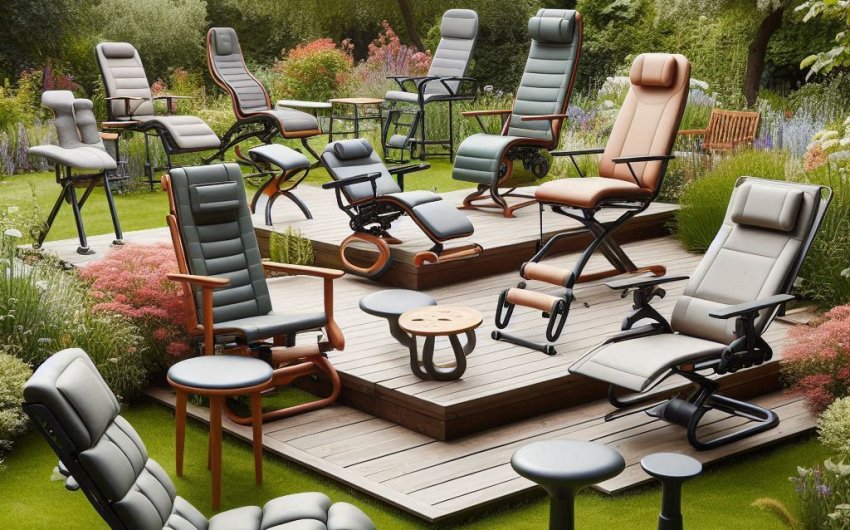
Your garden or patio is an extension of your home, a place for relaxation, entertaining, and enjoying the outdoors. But if your outdoor furniture is uncomfortable, stiff, or poorly designed, that relaxation can quickly turn into aches and pains. This is where ergonomic garden furniture comes in. Just like an ergonomic office chair supports your body while you work, ergonomic outdoor furniture is designed to provide proper support, reduce strain, and promote comfort as you relax or dine al fresco. Investing in ergonomic options isn't just a luxury; it's an investment in your well-being and ability to truly enjoy your outdoor living space. Let's explore the best options and features to look for.
Why is Ergonomics Important for Garden Furniture?
You might think of ergonomics mostly for indoor office chairs. But spending time outdoors, whether lounging, dining, or chatting, also benefits from thoughtful design that supports your body.
What is Ergonomics?
Ergonomics is the science of designing and arranging things people use so that the people and things interact most efficiently and safely. In simple terms, it's about making things fit the human body.
- Comfort: The most obvious benefit. Ergonomic furniture reduces pressure points and allows your body to relax naturally.
- Support: It supports the natural curves of your spine, especially the lower back.
- Reduced Strain: Prevents awkward postures that can lead to muscle stiffness, pain, and long-term issues.
- Improved Posture: Encourages healthy posture even while relaxing.
Why Do We Need Ergonomic Outdoor Furniture?
- Longer Enjoyment: If your furniture is comfortable, you'll spend more time enjoying your patio or deck.
- Health and Well-being: Prevents aches, stiffness, and discomfort after sitting outdoors for extended periods. This is especially important for those with back pain, joint issues, or mobility challenges.
- Variety of Activities: From casual lounging to formal dining, different activities benefit from different ergonomic considerations.
- Investment in Relaxation: Your outdoor space is for unwinding. Investing in comfort enhances that purpose.
What Makes Garden Furniture Ergonomic?
It's not just about cushions! Key features include:
- Proper Lumbar Support: Supporting the curve of your lower back.
- Appropriate Seat Depth and Height: So your feet can rest flat on the ground (or a footrest) and your knees are at a comfortable angle.
- Armrest Height and Placement: Supporting your arms without shrugging your shoulders.
- Contoured Shapes: Seats and backs that subtly conform to the body's natural curves.
- Adjustability: The ability to recline or change positions.
- Material Comfort: Materials that are comfortable against the skin and don't get too hot or cold.
What Are the Best Options for Ergonomic Outdoor Seating?
Let's break down specific types of garden furniture that excel in ergonomic design.
1. Reclining Chairs (Adjustable Loungers)
These are arguably the most versatile ergonomic garden furniture pieces, allowing you to find your perfect angle of relaxation.
- Features to look for:
- Multiple Recline Positions: Look for chairs with several locking positions, from upright to fully reclined. Some zero-gravity recliners allow for infinite adjustments.
- Lumbar Support: Some models have built-in lumbar support or adjustable pillows.
- Padded Sling or Cushions: A good quality, breathable fabric sling or thick, supportive cushions are essential for comfort.
- Smooth Mechanism: Easy to adjust without pinching.
- Best For: Sunbathing, reading, napping, or simply unwinding. They contour to the body and distribute weight evenly.
- Materials: Often feature durable aluminum or steel frames with all-weather fabric slings or cushions.
2. Adirondack Chairs with a Twist
The classic Adirondack chair is known for its relaxed, low-slung profile. While traditionally not always ergonomic, modern versions are improving.
- Features to look for:
- Contoured Seat and Back: Look for models where the seat and back slats are subtly curved to fit the body, rather than being perfectly flat.
- Adjustable Back: Some newer Adirondack chairs offer adjustable recline positions.
- Footrest/Ottoman: A separate Adirondack ottoman allows you to elevate your legs, improving circulation and comfort.
- Best For: Casual lounging, relaxing on a porch or by a fire pit. They promote a relaxed, semi-reclined posture.
- Materials: Often made from durable HDPE recycled plastic (for low maintenance), cedar, or teak.
3. Deep-Seating Sofas and Lounge Chairs
These are designed for maximum relaxation and often come with plush cushions.
- Features to look for:
- Proper Seat Depth: Deep enough to allow you to sink in, but not so deep that your feet dangle uncomfortably. A good depth is often around 20-24 inches.
- Firm, Supportive Cushions: Cushions should be dense enough to provide support and not bottom out. Look for outdoor cushions with high-density foam or open-cell foam.
- Lumbar Pillows: Many deep-seating sets come with outdoor lumbar pillows that can be adjusted for personalized lower back support.
- Appropriate Back Height: High enough to support your back and shoulders.
- Best For: Extended lounging, reading, or entertaining. Creates an outdoor living room feel.
- Materials: Frames often in aluminum, HDPE wicker, or teak, with solution-dyed acrylic (e.g., Sunbrella) cushions.
4. Ergonomic Dining Chairs
Even at the dining table, comfort matters for longer meals or conversations.
- Features to look for:
- Contoured Back and Seat: A slight curve to the backrest and seat can greatly improve comfort over flat designs.
- Armrests: Armrests at an appropriate height can help you relax your shoulders.
- Proper Seat Height: Your feet should be flat on the ground, and your knees should form roughly a 90-degree angle with the table.
- Stackable (sometimes): Some ergonomic designs are also stackable dining chairs for easy storage.
- Best For: Outdoor dining and entertaining.
- Materials: Many options, including sling dining chairs (breathable and supportive), mesh designs, or frames with slim, supportive cushions.
What Materials and Features Make Garden Furniture Ergonomic?
Beyond the type of chair, specific material choices and design features contribute to overall comfort and ergonomics.
1. Breathable and Supportive Fabrics (Slings and Mesh)
- Benefits: Materials like sling fabrics (often made from PVC-coated polyester or textilene) or synthetic mesh are incredibly breathable, which is fantastic in warm weather. They conform slightly to the body, offering subtle support without the need for thick cushions. They also dry quickly.
- Ideal For: Dining chairs, simple lounge chairs, and zero-gravity recliners. You can find outdoor patio sling chairs.
- Look For: High-quality, tightly woven sling materials that won't sag quickly.
2. Quality Cushions
- Density and Support: Don't just look for thickness. A good cushion should be dense and supportive, not overly soft and squishy, which offers no true ergonomic support. High-resilience, open-cell foam is excellent as it allows water to drain and air to circulate, preventing mildew.
- Outdoor Fabric: Crucially, cushions must be made from all-weather fabrics like solution-dyed acrylic (e.g., Sunbrella fabric cushions) or olefin. These resist fading, water, and mildew, ensuring comfort and hygiene.
- Removable Covers: For easy cleaning.
3. Adjustable Features
- Recline Mechanism: As mentioned, this is huge for loungers.
- Adjustable Backrests: Some dining chairs or sofas might have slightly adjustable backrests for personalized comfort.
- Ottomans/Footrests: Being able to elevate your legs reduces pressure on the lower back and improves circulation. Look for matching outdoor ottomans.
4. Proper Dimensions
While not a "feature" in itself, knowing ideal dimensions is key:
- Seat Height: For dining, aim for a seat height that allows your feet flat on the ground and comfortably reach the table. For lounging, lower seats are fine.
- Seat Depth: Too shallow, and your thighs aren't supported. Too deep, and you can't reach the backrest comfortably. Test it out!
- Armrest Height: Armrests should allow your arms to rest naturally without shrugging your shoulders or hunching forward.
How to Choose the Best Ergonomic Garden Furniture for You?
Selecting the right pieces involves more than just looking at features; it's about matching them to your needs and preferences.
1. Consider Your Activities
- Dining: If you'll be eating primarily, focus on ergonomic dining chairs with good back support.
- Lounging: If you want to relax, read, or nap, recliners, chaise lounges, or deep-seating sofas are key.
- Mixed Use: If you do a bit of everything, a modular sofa set with versatile pieces might be ideal.
2. Test Before You Buy (If Possible)
- Sit in It: This is the most important step. If buying in person, sit in the furniture for a few minutes. Pay attention to:
- Does your lower back feel supported?
- Do your feet touch the ground comfortably?
- Are the armrests at a good height?
- Are there any pressure points?
- Online Purchases: If buying online, check reviews for mentions of comfort and dimensions. Look for companies with good return policies.
3. Consider Your Body Type
- Height and Build: What's ergonomic for one person might not be for another. Taller individuals might need deeper seats or higher backs. Smaller individuals might find some deep-seating options too overwhelming.
4. Don't Forget Aesthetics and Durability
While ergonomics is key, the furniture still needs to look good in your outdoor space and withstand the elements.
- Match Your Style: Choose designs that complement your home's architecture and garden style.
- Weather Resistance: Ensure materials are durable and resistant to UV, moisture, and temperature fluctuations, especially if you won't be covering them frequently. Aluminum, HDPE wicker, and teak are generally top choices for longevity.
5. Budget
Ergonomic garden furniture can be an investment, especially for high-quality, durable materials and advanced features.
- Long-Term Value: Consider it a long-term investment in your comfort and outdoor enjoyment. Higher quality often means longer lasting and better ergonomic design.
- Sales and Off-Season: Look for sales during the off-season.
Investing in ergonomic garden furniture is a smart choice for anyone who wants to truly relax and enjoy their outdoor living space without discomfort. By focusing on design features that support your body, choosing durable and comfortable materials, and testing pieces whenever possible, you can create an inviting and comfortable outdoor oasis that nurtures both your garden and your well-being.