
How Do I Choose Garden Furniture That Is Safe for Young Children?
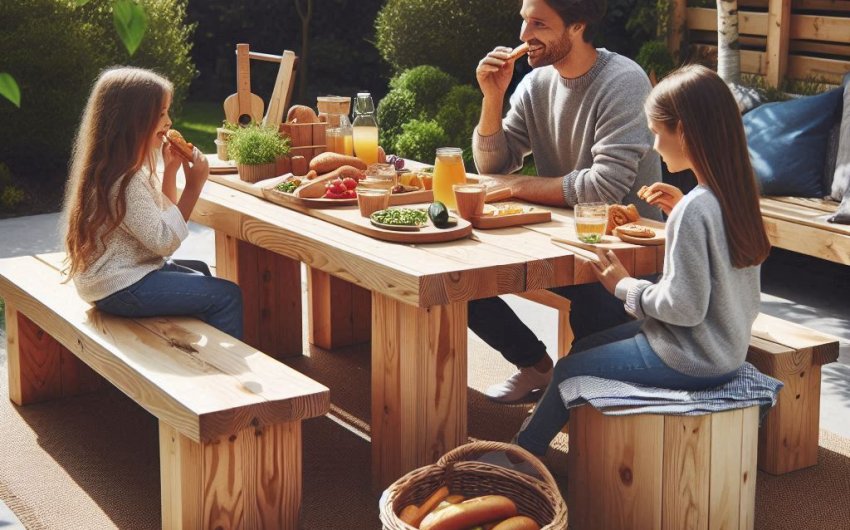
Is Your Garden a Safe Space for Your Little Ones?
Your garden is a place for fun, relaxation, and family time. If you have young children, it's where they learn to explore, play, and discover the wonders of nature. But as a parent, safety is always top of mind. While you might childproof your home's interior, what about your outdoor space? Garden furniture can pose hidden risks for curious toddlers and active kids. Choosing garden furniture that is safe for young children means thinking beyond just looks. It involves careful consideration of materials, design, stability, and placement to ensure your outdoor haven is truly worry-free for the whole family.
Factor 1: Prioritize Stability and Weight
For garden furniture with young children around, the first rule of thumb is: if it can tip over, it's a danger. Stability and appropriate weight are crucial.
1. Heavy and Sturdy
- Avoid Lightweight Pieces: Flimsy or very lightweight furniture (like some thin plastic chairs or small folding tables) can easily be tipped over by a climbing toddler or a playful older child. They are also prone to blowing away in wind.
- Opt for Heavier Materials: Choose furniture made from heavier materials that are difficult to move or tip.
- Wrought Iron: Very heavy and stable. Excellent choice.
- Cast Aluminum: While lighter than wrought iron, well-made cast aluminum furniture is often weighty enough to be stable, especially for larger pieces. Look for solid construction.
- Solid Wood: Heavy, solid pieces of wood (like teak, cedar, or treated pine) are generally very stable.
- Concrete/Stone: Extremely heavy and stable, though less flexible for rearrangement. The Christopher Knight Acacia Wood Bistro Set offers a good balance of weight and stability.
- Wide Bases: Look for chairs and tables with wide, splayed legs or broad, sturdy bases, which distribute weight and make them harder to tip.
2. No Rocking or Wobbling
- Test Before Buying: Give furniture a good shake or push. It should feel solid and not wobble. Even small wobbles can become dangerous when a child leans on it or tries to climb.
- Check Assembly: If self-assembling, ensure all bolts and screws are tightened securely. Regularly check and tighten them over time.
3. Anchoring Options
- Heavy Planters: For lighter pieces, sometimes placing heavy, wide planters at the base or corners can help stabilize them.
- Built-in Furniture: Consider built-in benches or tables attached to a deck or patio. These are inherently the most stable as they cannot be moved or tipped.
- Umbrella Bases: If you have an umbrella, invest in a very heavy umbrella base (at least 50 lbs, preferably more) to prevent it from tipping over in a breeze or if a child pulls on it. Never rely on a table to hold an umbrella steady. Look for a heavy duty umbrella base.
By prioritizing stability and weight, you significantly reduce the risk of furniture tipping, which can cause serious injuries to active young children.
Factor 2: Eliminate Pinch Points, Sharp Edges, and Gaps
Curious fingers and little limbs can easily get caught or hurt in furniture that isn't designed with child safety in mind.
1. No Pinch Points
- Folding Furniture: Be very wary of folding chairs or tables, especially those with exposed hinges or complex folding mechanisms. Little fingers can easily get caught and pinched as the furniture is opened, closed, or even just adjusted. If you must use folding furniture, ensure it has safety locks and teach older children not to play with it.
- Moving Parts: Avoid furniture with intricate moving parts, gaps in recliners, or exposed springs where fingers or clothing can get trapped.
2. Smooth, Rounded Edges
- Avoid Sharp Corners: Look for tables and chairs with rounded edges and corners, especially on tabletops and armrests. Sharp edges can cause cuts and scrapes, especially if a child falls or runs into them.
- No Rough Surfaces: Ensure wood is sanded smooth with no splinters. Metal should be free of burrs or rough spots.
3. Mind the Gaps
- Slats: For furniture with slats (benches, chair backs, table tops), ensure the gaps are too small for a child's head or limb to get stuck. General guidelines for spacing between slats for child safety furniture often recommend less than 3/4 inch (or if larger, ensure it's too big for entrapment).
- Mesh/Woven Materials: If choosing furniture with woven or mesh patterns (like some wicker or sling chairs), ensure there are no large loops or openings where fingers or small body parts could get caught or entangled.
4. No Protruding Hardware
- Flush Bolts: Check that all bolts, screws, and hardware are fully recessed or smoothly covered, with no sharp points or edges sticking out.
- Smooth Welding: For metal furniture, ensure all welds are smooth and free of sharp spots.
By inspecting furniture for these potential hazards, you create a much safer environment for playing children. A kid safe patio furniture set will always consider these aspects.
Factor 3: Choose Safe Materials and Finishes
The materials and coatings used on garden furniture can impact child safety, especially if little hands touch them or little mouths explore.
1. Non-Toxic Finishes
- Lead-Free Paint: Ensure any painted furniture uses lead-free, non-toxic outdoor-grade paint. This is especially important for brightly colored items.
- Safe Stains/Sealants: For wooden furniture, inquire about the type of stain or sealant used. Look for water-based, low-VOC (Volatile Organic Compounds) finishes. Some older pressure-treated wood contained arsenic, but modern pressure-treated lumber generally uses safer copper-based preservatives. However, if children might mouth it, natural woods like cedar or teak (or unfinished safe woods) are ideal.
- Powder Coating: For metal furniture, powder coating is a durable and generally safe finish. It's a dry paint applied and then baked on, creating a tough, chip-resistant layer.
2. Natural Wood Options
- Teak and Cedar: These woods are naturally resistant to rot and insects, so they don't require chemical treatments. They are excellent, safe choices. They weather beautifully to a silvery-gray.
- Acacia Wood: Often used for outdoor furniture, it's a durable hardwood. Ensure it has a safe, non-toxic finish. The Christopher Knight Acacia Wood Bistro Set often comes with a suitable finish.
3. Avoid Fragile Materials (If Possible)
- Glass Table Tops: While elegant, glass tabletops (especially thinner ones) can be a concern with very active young children. If you choose glass, opt for tempered glass, which shatters into small, less dangerous pieces if broken. Alternatively, consider mesh, wood, or solid metal table tops.
- Ceramic/Tile: Fragile ceramic or tile surfaces on tables can chip or break, creating sharp edges.
4. Textiles (Cushions)
- Durable and Cleanable: Choose outdoor-grade fabrics that are easy to clean (removable, washable covers are a plus). This helps with spills and dirt.
- Mildew Resistant: Look for fabrics that resist mildew, as dampness can be a concern. You can choose outdoor patio cushions made from durable, washable materials.
By selecting garden furniture made from inherently safe materials with non-toxic finishes, you reduce chemical exposure and the risk of injuries from breakage.
Factor 4: Design and Usage Considerations for Child Safety
Beyond the furniture itself, how you plan your garden furniture layout and how children might interact with it are crucial safety factors.
1. No Climbing Opportunities (Limit Temptation)
- Avoid Ladders: Some garden furniture designs might inadvertently create a "ladder" effect for a curious climber (e.g., chairs with very wide, horizontal slats on the back).
- Discourage Climbing: Teach children that garden furniture is for sitting, not climbing. However, supervise them constantly.
- Sharp Protrusions: Be mindful of any decorative elements that a child might try to climb onto that could cause injury (e.g., pointed finials, rough edges).
2. Placement is Key
- Away from Edges: Don't place garden furniture too close to steep drops, swimming pools, or busy pathways.
- Clearance: Ensure there's enough clear space around furniture for children to run and play without bumping into sharp corners or tripping over legs.
- Stable Ground: Place furniture on a flat, stable surface (patio, deck). Avoid placing wobbly furniture on uneven lawn or loose gravel.
3. Consider Weight and Portability
- Not Easily Moved: If you want furniture to stay put, ensure it's heavy enough that a child cannot easily drag it around, potentially causing it to tip or trap them.
- Folding Furniture (Store Safely): If you use folding furniture, ensure it's stored securely (locked, out of reach) when not in use.
4. Temperature of Materials
- Metal in Sun: Metal furniture (especially dark colors) can get very hot in direct sunlight, causing burns. Test the temperature before a child sits on it. Consider cushions or shaded placement.
- Dark Cushions: Dark-colored cushions also absorb more heat.
5. Child-Sized Furniture (An Alternative)
- Dedicated Space: For younger children, providing a small, sturdy, child-sized patio set can be a great way to give them their own safe space. These are designed with child safety in mind (rounded edges, stable).
- Engagement: It encourages them to sit and play safely, rather than trying to climb on adult furniture. You can find many choices for children's outdoor patio furniture.
By thinking about how children naturally play and explore, you can design your garden furniture layout to minimize risks.
Factor 5: Ongoing Safety Checks and Maintenance
Even after choosing safe garden furniture, regular checks and maintenance are essential for ensuring continued child safety over time.
1. Regular Inspections
- Tighten Bolts: Over time, bolts and screws can loosen, especially on frequently used or metal furniture. Regularly check and tighten all hardware to maintain stability and prevent wobbling or parts coming apart.
- Check for Rust: For metal furniture, inspect for any signs of rust. If detected, clean it off and touch up with outdoor metal paint to prevent it from spreading and creating rough surfaces.
- Inspect Wood: Look for any splinters, cracks, or signs of rot in wooden furniture. Sand down splinters immediately. Repair or replace damaged wooden pieces.
- Check for Sharp Edges: After assembly or wear, sometimes edges can become sharp. Run your hand carefully over all surfaces.
- Cushions: Inspect cushions for rips or tears that could expose stuffing.
2. Cleaning and Protection
- Regular Cleaning: Clean your garden furniture regularly with mild soap and water. This prevents dirt buildup and can reveal any hidden damage.
- Winter Storage/Covers: In harsh climates, store furniture indoors during winter or use quality outdoor furniture covers. This protects materials from extreme weather, which can cause cracking, rusting, or weakening over time. You can find heavy duty outdoor furniture covers.
3. Mind the Surrounding Environment
- Prune Spiky Plants: If you have spiky plants or thorny bushes near garden furniture, prune them back regularly to prevent children from running into them.
- Clean Underneath: Regularly sweep or clean underneath furniture to remove any small objects, debris, or insects that could be a hazard.
- Pool Safety: If your garden furniture is near a pool, ensure it's placed outside any safety fencing.
4. Teach Safety Rules
- Age-Appropriate: As children grow, teach them age-appropriate safety rules for garden furniture:
- "Furniture is for sitting, not for climbing."
- "Don't rock the chair too hard."
- "Don't run with pointy objects near furniture."
- "Always put things away after playing."
- Supervision: Despite all precautions and rules, constant adult supervision is always the most important safety measure for young children in any outdoor space.
By incorporating these ongoing safety checks and maintenance practices, you ensure your chosen garden furniture remains a safe and enjoyable part of your outdoor living space for young children for many years.