
How Do I Choose Garden Furniture for a Small Balcony?
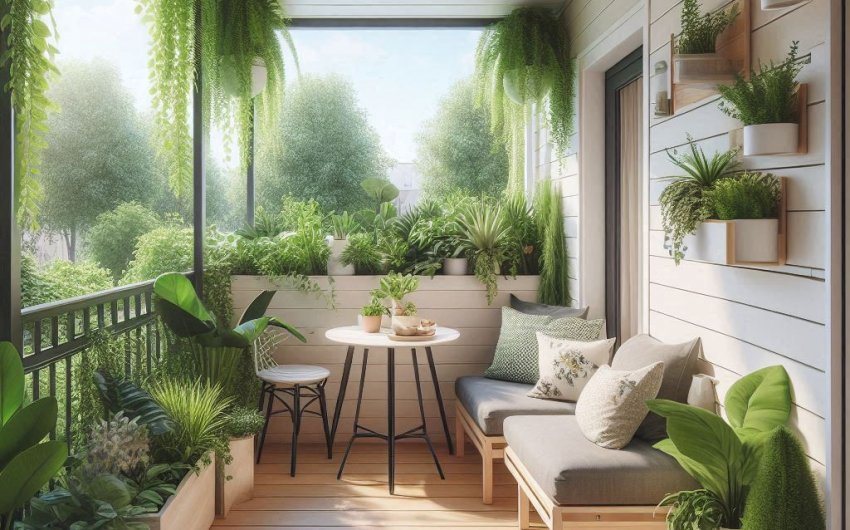
Got a tiny balcony but big dreams of outdoor relaxation? You're not alone! Many of us want to make the most of our small outdoor spaces. Choosing the right garden furniture for a small balcony can turn a cramped area into a cozy escape. It's all about being smart with space, picking pieces that fit, and making it feel like a real extension of your home. Forget about those huge patio sets; we're talking clever solutions that maximize every inch. Let's explore how to create your perfect little outdoor oasis, even when space is tight.
What Are the First Steps Before Buying Any Furniture?
Before you even start looking at pretty chairs, it's super important to do a little homework. Taking these first steps will save you a lot of headaches later on and ensure you pick the absolute best balcony furniture for your space.
1. Measure Your Balcony, Accurately!
This might seem obvious, but it's the most critical step. Don't guess!
- Length and Width: Get out a measuring tape and measure the length and width of your entire balcony space. Write these numbers down.
- Doorway Clearance: Make sure you measure the width of your doorway onto the balcony. This is crucial for getting furniture in and out!
- Obstacles: Note any fixed obstacles like railing posts, outdoor AC units, light fixtures, or oddly shaped corners. These will affect where furniture can go.
- Overhead Space: Look up! Are there any low ceilings or overhangs that might limit tall furniture?
- Visualize: Once you have your measurements, you can draw a simple layout on paper or use painter's tape on the floor to visualize where furniture might sit. This helps you understand what fits.
2. Think About How You'll Use the Space
This is about defining your balcony's purpose. What do you really want to do out there?
- Coffee & Quiet: Do you just want a spot for your morning coffee and a good book? A single chair and a small side table might be enough.
- Dining for Two: Do you dream of al fresco meals with a partner? You'll need a small table and two chairs.
- Lounging: Is relaxing with your feet up your top priority? A chaise lounge or a very compact daybed might be an option.
- Small Gatherings: Do you hope to have a friend or two over for drinks? You'll need flexible seating or stackable chairs.
- Multi-Purpose: Can the furniture serve more than one need? A storage bench that doubles as seating is a perfect example.
- Realism Check: Be realistic about what your small space can handle. Trying to fit too much will just make it feel more cramped.
3. Consider Your Building's Rules and Regulations
Living in an apartment building often comes with rules about what you can place on your balcony.
- Weight Limits: Some balconies have weight limits, especially older ones. Check with your building management if you're planning to buy heavy stone furniture or a large number of items.
- Appearance Rules: Are there rules about the type, color, or material of furniture visible from outside? Some buildings prefer a uniform look.
- Installation Restrictions: Can you drill into the walls or railings for hanging planters or fold-down tables? Always ask first!
4. What's Your Budget?
Setting a budget early on will help narrow down your choices and prevent overspending.
- Furniture Cost: Decide how much you're willing to spend on the main furniture pieces.
- Accessories: Remember to factor in costs for cushions, outdoor rugs, lighting, and plants, which can quickly add up.
- Quality vs. Price: Cheaper furniture might not last as long, especially if exposed to harsh weather. Sometimes, investing a little more in durable materials is worth it in the long run. Look for good value for money.
5. Assess the Climate and Sun Exposure
Your balcony's environment will impact the best furniture materials.
- Direct Sun: Does your balcony get intense sun all day? Dark metal furniture can get very hot. UV-resistant materials are essential.
- Rain and Humidity: Is it exposed to frequent rain? Look for quick-drying and rust-resistant materials.
- Wind: Is your balcony very windy? Lightweight furniture might blow away. You'll want sturdy pieces.
- Shade: If it's mostly shady, you have more flexibility with materials.
What Types of Furniture Work Best for Small Balconies?
Once you know your measurements and needs, it's time to explore the specific types of small balcony furniture that are designed to save space and provide maximum utility.
1. Foldable Furniture: The Ultimate Space Saver
Foldable furniture is a champion for small spaces because you can easily tuck it away when not in use, instantly freeing up floor space.
- Folding Chairs: Look for slim, folding chairs made of metal, wood, or durable plastic. They can be stored against a wall or even hung on hooks.
- Folding Tables: A folding bistro table is perfect for coffee or a small meal. Some are designed to fold completely flat for easy storage.
- Pros: Highly versatile, easy to store, allows for flexible use of the balcony.
- Cons: Might need cushions for comfort, can be slightly less sturdy than fixed furniture.
2. Bistro Sets: Cozy and Compact
A bistro set typically includes a small table and two chairs, making it ideal for couples or individual use.
- Size: Look for extra-compact bistro sets, sometimes with chairs that tuck completely under the table. A 2-person outdoor bistro set is a classic choice.
- Materials: Wrought iron, aluminum, or compact wooden sets are popular.
- Pros: Perfect for dining or drinks, creates a defined "zone" for relaxing.
- Cons: Limited to two people, might not offer deep lounging comfort.
3. Wall-Mounted/Rail-Mounted Furniture: Vertical Solutions
These innovative pieces use vertical space, leaving precious floor space clear.
- Rail-Mounted Tables: A balcony rail table hooks directly onto your railing, offering a surface for drinks or a laptop without taking up any floor space. Many also fold down when not in use.
- Wall-Mounted Fold-Down Tables: Similar to a rail table but attaches to the wall, offering a more permanent (but still foldable) solution.
- Hanging Chairs: A hanging egg chair or swing can be hung from a sturdy ceiling hook if your balcony structure allows and can support the weight. Always check weight limits!
- Pros: Maximizes floor space, creates unique seating options.
- Cons: Requires stable railings or wall mounting, potentially complex installation.
4. Benches with Storage: Dual Purpose
A storage bench is a smart choice for small balconies because it serves two functions: seating and hidden storage.
- Hidden Storage: Use the inside to store outdoor cushions, gardening tools, or even small decor items when not in use, keeping your balcony clutter-free.
- Compact Size: Look for narrower benches that fit snugly against a wall. A small outdoor storage bench can offer valuable space.
- Pros: Maximizes utility, provides extra seating.
- Cons: Can be heavier, might need cushions for comfort.
5. Small Sectionals or Modular Seating: Flexible Comfort
Even on a small balcony, you can have some lounging comfort with compact modular seating.
- Components: Look for sectionals made of individual pieces that can be arranged in various ways (e.g., two small armless chairs that can be pushed together or separated). A compact modular patio sofa allows for flexibility.
- Chaise Lounge (Compact): A very narrow outdoor chaise lounge might fit if lounging is your priority.
- Pros: Offers more comfort than traditional dining chairs, flexible arrangements.
- Cons: Still takes up more floor space than folding options, potentially higher cost.
6. Bar Height Sets: Elevated Views
A bar height set can be a great option for a narrow balcony, offering a different perspective.
- Narrow Footprint: The tall, slender design of bar tables and chairs can sometimes fit better in tight spaces than standard height sets.
- View: Elevated seating can improve your view, especially if your railing is solid. A 2-person bar height patio set can feel quite sophisticated.
- Pros: Can fit in narrow spaces, provides a different vantage point.
- Cons: Less stable than lower seating, can be harder for some people to get in and out of.
What Materials Are Best for Balcony Furniture?
The material of your balcony furniture impacts its durability, maintenance, comfort, and how well it handles the elements.
1. Wicker/Rattan (Synthetic): All-Weather Charm
Synthetic wicker (often called resin wicker or all-weather rattan) is one of the most popular choices for outdoor furniture.
- Pros: Lightweight, weather-resistant (stands up to sun and rain), usually comes with comfy cushions, stylish, easy to clean. You can find many small resin wicker bistro sets.
- Cons: Can be pricey, cushions may need storage in bad weather.
- Best For: Most climates, those who want comfort and style.
2. Metal (Aluminum, Steel, Wrought Iron): Durable and Sleek
- Aluminum: Lightweight, rust-resistant, easy to move, good for modern looks. A lightweight aluminum bistro set is great for frequent rearranging.
- Steel: Stronger and heavier than aluminum, but can rust if not treated or powder-coated. Often more affordable.
- Wrought Iron: Very heavy, durable, wind-resistant, classic look. Can rust if not properly maintained.
- Pros: Very durable, long-lasting, sturdy.
- Cons: Can get hot in direct sun, may be heavy (wrought iron/steel), can rust if not maintained (steel/wrought iron).
- Best For: Windy balconies (wrought iron), modern aesthetics (aluminum), general durability.
3. Wood (Teak, Acacia, Cedar): Natural Beauty
Wood furniture brings a natural, warm feel to any space.
- Teak: Gold standard for outdoor wood. Extremely durable, weather-resistant, turns a lovely silvery-gray over time. It can be expensive.
- Acacia: More affordable than teak, durable, but needs regular oiling to maintain its color and prevent drying out. A small acacia wood folding chair is a popular choice.
- Cedar: Naturally rot and insect resistant, lightweight, has a pleasant scent.
- Pros: Beautiful, natural aesthetic, comfortable.
- Cons: Requires more maintenance (oiling, sealing) to prevent weathering, can be heavy, can warp or crack if not cared for.
- Best For: Covered balconies, those who like natural materials and don't mind maintenance.
4. Plastic/Resin: Affordable and Low Maintenance
Modern outdoor plastics are far from flimsy. They are often durable and colorful.
- Pros: Very affordable, extremely lightweight, low maintenance (easy to clean), wide range of colors.
- Cons: Can look less premium, some cheaper types might fade or crack in intense sun over time.
- Best For: Budget-conscious, low-maintenance seekers, very wet climates.
5. Textile (Slings, Rope): Lightweight and Modern
Some furniture uses strong outdoor fabrics or woven ropes for the seating surface, often paired with a metal frame.
- Pros: Very lightweight, quick-drying (for sling materials), modern look. A lightweight sling chair for balcony is easy to move.
- Cons: Less customizable with cushions, can be less durable over many years than solid materials.
- Best For: Modern aesthetics, quick drying needs.
How Can I Maximize Space and Style on My Small Balcony?
Beyond just picking the right furniture, there are smart strategies to make your small balcony feel bigger, more comfortable, and stylish. It's all about clever tricks and thoughtful details.
1. Think Vertically: Walls Are Your Friends!
When floor space is limited, look up!
- Wall Planters: Use vertical wall planters to add greenery without taking up floor space.
- Shelving: Install narrow outdoor shelving units for small plants, lanterns, or decor.
- Fold-Down Tables: As mentioned, wall-mounted or rail-mounted fold-down tables are genius space-savers.
- Hooks: Install hooks for hanging decor, small tools, or even your folding chairs when not in use.
2. Choose Multi-Functional Pieces
Every item should earn its spot on a small balcony.
- Storage Bench: A bench that opens up for storage is a classic example.
- Ottoman with Storage: A small outdoor storage ottoman can serve as extra seating, a footrest, or a side table.
- Nesting Tables: Small tables that tuck inside each other when not needed.
3. Embrace Bright Colors and Mirrors
Visual tricks can make a small space feel larger and more inviting.
- Bright Colors: Use bright colors in your accessories (cushions, planters) to add cheer and make the space feel lively and less confined.
- Mirrors: An outdoor mirror on a wall can create the illusion of more space and reflect light, making the balcony brighter.
- Light Colors for Furniture: Lighter-colored furniture can also make the space feel more open than dark, heavy pieces.
4. Create Zones (Even Small Ones)
Even on a tiny balcony, you can define different "zones" to make it feel more purposeful.
- Seating Zone: Your main chairs and table.
- Greenery Zone: A corner dedicated to plants, perhaps with a tall plant stand or vertical garden.
- Defined by Rug: An outdoor rug can help define the seating area and add warmth and texture. Look for a small outdoor rug that fits your space.
5. Lighting Sets the Mood
Don't underestimate the power of outdoor lighting to transform your balcony into a magical evening retreat.
- String Lights: Drape solar fairy lights or battery-operated string lights around the railing or ceiling for a cozy glow.
- Lanterns: Place a few outdoor LED lanterns on your table or shelf for ambient light.
- Solar Lights: Hassle-free and energy-efficient.
6. Add Greenery and Decor
Plants and accessories are essential for making your balcony feel like a true outdoor living space.
- Plants: Choose plants appropriate for your light conditions. Use various sizes and types of small outdoor planters. Herbs are great for small spaces and provide a lovely scent.
- Cushions and Throws: Add comfy outdoor cushions and a soft outdoor throw blanket for warmth on cooler evenings.
- Small Accessories: A wind chime, a small sculpture, or decorative pebbles can add personality.
7. Keep it Clutter-Free
A small space can quickly feel overwhelmed by clutter.
- Regular Tidy-Up: Make it a habit to put things away after use.
- Smart Storage: Utilize any storage options you have in your furniture.
- Less is More: Resist the urge to add too many decorative items. Each piece should have a purpose or significant aesthetic value.
What Are Common Mistakes to Avoid When Buying Balcony Furniture?
Even with the best intentions, it's easy to make a misstep when outfitting a small balcony. Knowing these common pitfalls will help you make smarter choices.
1. Not Measuring (Or Measuring Incorrectly)
This is the number one mistake!
- The Problem: Buying furniture that's too big, too wide, or that blocks your doorway or other essential access points.
- The Fix: Measure everything twice. Draw it out. Use painter's tape on the floor. Consider how much space you need to actually walk around the furniture, not just how much space it takes up.
2. Buying Too Many Pieces
- The Problem: Overstuffing your small balcony with too many chairs, tables, and decor items. This makes it feel cramped, unusable, and stressful instead of relaxing.
- The Fix: Prioritize! What's the most important function? A cozy seating spot for two, or a place to dine? Stick to the essentials and embrace multi-functional furniture. Less is truly more on a small balcony.
3. Choosing the Wrong Material for the Climate
- The Problem: Buying furniture that quickly degrades, rusts, or fades because it's not suited to your balcony's exposure to sun, rain, or wind. For example, a non-treated steel set will rust quickly in a rainy climate.
- The Fix: Revisit your climate assessment. Does your balcony get direct, intense sun? Lots of rain? Is it windy? Choose materials that can withstand those conditions. Read product descriptions carefully for terms like "UV-resistant," "rust-proof," or "all-weather."
4. Ignoring Comfort
- The Problem: Buying cheap, uncomfortable chairs just because they fit. You won't want to spend time out there if it's not comfortable!
- The Fix: Even for small spaces, prioritize comfort. Look for ergonomic designs, or budget for good quality outdoor seat cushions if your chosen chairs are hard. A small outdoor space should still be an inviting place to relax.
5. Forgetting About Storage for Cushions
- The Problem: Leaving cushions out in the rain, causing them to get moldy, or bringing them inside only to realize you have nowhere to put them.
- The Fix: Plan for cushion storage. This might mean buying a storage bench, a small deck box, or ensuring you have indoor space (like a closet) to tuck them away during bad weather or off-season. Look for water-resistant outdoor cushions.
6. Not Thinking About Maintenance
- The Problem: Buying furniture that looks great but requires constant cleaning, oiling, or special treatment, which you don't have time or inclination for.
- The Fix: Be realistic about your commitment to maintenance. If you want truly low-maintenance, opt for synthetic wicker, aluminum, or durable plastic. If you love the look of wood, be prepared for regular oiling or sealing.
7. Overlooking Delivery and Assembly
- The Problem: Buying furniture that's too large to get through your door, or that requires complex assembly that you're not prepared for.
- The Fix: Check product dimensions for both assembled size and packaged size. Read reviews about assembly difficulty. Many balcony furniture sets are designed for easy assembly, but it's good to be aware.
What Are Some Styling Tips to Make Your Small Balcony Feel Bigger and Brighter?
Beyond the furniture itself, thoughtful styling and clever decor choices can dramatically impact how spacious and inviting your small balcony feels.
1. Opt for Lighter Colors
- Furniture and Decor: Choose furniture in lighter colors like white, light gray, pastels, or natural wood tones. These colors reflect light and make a space feel more open and airy. Dark, heavy furniture can visually shrink the area.
- Cushions: Use light-colored or brightly patterned cushions to add pops of color without overwhelming the space.
2. Embrace Reflective Surfaces
- Mirrors: As mentioned, an outdoor mirror on a wall or fence (if you have one) can create the illusion of depth and reflect light, making the space feel larger and brighter. A weatherproof decorative outdoor mirror can become a focal point.
- Metallic Accents: Small metallic planters or lanterns can also catch and reflect light, adding sparkle without bulk.
3. Vertical Gardening is Your Best Friend
- Wall Planters: Utilise every inch of vertical space. Tiered wall planters or hanging garden systems are perfect for growing herbs, flowers, or small vegetables without taking up floor space.
- Climbing Plants: Train vines or climbing flowers on a small balcony trellis attached to your railing or a wall. This adds lushness and height without width.
- Tall, Narrow Planters: Instead of wide, squat pots, choose tall, slender planters for singular plants, drawing the eye upwards.
4. Smart Lighting Choices
- Delicate String Lights: Instead of large, chunky patio lights, opt for delicate LED fairy string lights. They provide ambient light without visual clutter.
- Solar Lanterns: Place small solar lanterns on your table or shelves. They provide a warm glow and charge automatically.
- Avoid Overlighting: Too many bright, harsh lights can make a small space feel overwhelming. Aim for soft, inviting glow.
5. Consider See-Through Elements
- Glass Tabletops: If choosing a bistro table, a glass-top bistro table can make the space feel more open by allowing light to pass through and visually reducing bulk.
- Open-Weave Wicker: Furniture with an open, airy weave pattern (like some synthetic wicker) feels less heavy than solid pieces.
6. Keep the Floor Clear (When Possible)
- Foldable Furniture: The ability to fold chairs and tables away completely is a game-changer for clearing the floor and making the balcony feel expansive when not in use.
- Wall-Mounted Options: Using rail-mounted tables or planters directly clears floor space.
7. Choose a Small, Defined Outdoor Rug
- Grounding Effect: A small outdoor rug can define your seating area and add warmth, color, and texture.
- Size Matters: Ensure the rug is proportionate to your furniture and doesn't extend to the very edges of the balcony, which can make it feel cramped. Leave a small border.
8. Accessorize Thoughtfully
- Fewer, Larger Items: Instead of many small knick-knacks that create clutter, opt for a few larger, impactful accessories. One beautiful plant in a striking pot is better than five tiny, mismatched ones.
- Functionality: Choose accessories that also serve a purpose, like a pretty watering can, or decorative storage baskets.
What Are the Maintenance Tips for Balcony Furniture?
Keeping your balcony furniture in great shape ensures it lasts longer and always looks inviting. Regular, simple maintenance can make a big difference.
1. Regular Cleaning
- Wipe Down: Regularly wipe down your furniture with a damp cloth to remove dust, pollen, and general grime. A quick wipe down with outdoor furniture cleaner will keep things fresh.
- Mild Soap and Water: For deeper cleaning, use a mild soap (like dish soap) and water. Rinse thoroughly with clear water and let it air dry completely.
- Specific Materials:
- Metal: Use a soft cloth. For rust on steel/iron, a wire brush and rust-oleum can help, followed by touch-up paint.
- Wood: Wipe with a damp cloth. Check for signs of mold or mildew, which can be scrubbed off with a soft brush and a diluted bleach solution (test first!).
- Wicker/Rattan (Synthetic): A soft brush or hose can remove dirt from the weave.
- Plastic/Resin: Easy to clean with soap and water.
2. Protect from Harsh Weather
- Cushion Storage: Always store cushions in a waterproof storage box or bring them indoors during rain, heavy dew, or prolonged periods of inactivity. Even "all-weather" cushions will last longer if protected.
- Furniture Covers: Invest in waterproof outdoor furniture covers for your furniture during extended periods of bad weather or over the off-season. This is especially important for wood, steel, and even quality synthetic wicker to extend its life.
- Fold or Store: If you have foldable furniture, utilize its space-saving ability by folding and storing it when you won't be using the balcony for a while.
3. Treat Wood Periodically
- Oiling (for Acacia/Hardwoods): If you have acacia or other hardwoods that you want to keep their original color, you'll need to apply outdoor furniture oil (like teak oil) once or twice a year, as per the product instructions. This prevents the wood from drying out, cracking, and turning gray.
- Sealing (for Softwoods): If you have softer woods (like cedar or pine) that are treated, check if they need to be re-sealed periodically to protect them from moisture and UV damage.
4. Check for Rust on Metal
- Regular Inspection: For steel or wrought iron furniture, regularly check for any chips in the paint or signs of rust.
- Rust Treatment: If you find rust, lightly sand the area, apply a rust-inhibiting primer, and then touch up with appropriate outdoor paint. This prevents rust from spreading and weakening the furniture.
5. Secure Lightweight Items
- Windy Balconies: If your balcony is prone to wind, ensure lightweight items like plastic chairs or small tables are secured or stored away when not in use. Some furniture weights can be added to bases.
- Hanging Decor: Make sure hanging planters or wind chimes are securely fastened and won't become projectiles in strong gusts.
By keeping these maintenance tips in mind, your chosen garden furniture for a small balcony will remain beautiful, functional, and ready for you to enjoy your precious outdoor space for many seasons to come.