
What Are the Most Durable Garden Furniture Options?
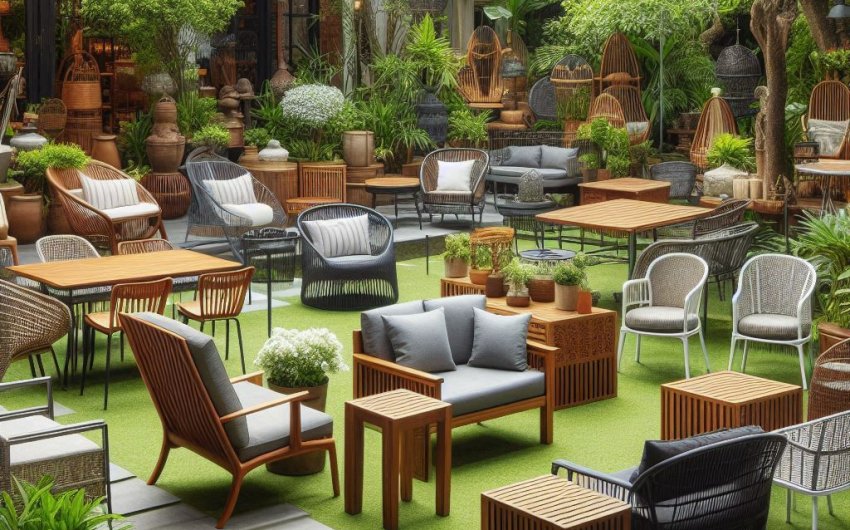
Your garden or patio is an extension of your home, a place to relax, entertain, and enjoy the outdoors. But unlike indoor furniture, garden furniture faces a constant battle against the elements: scorching sun, pouring rain, frosty winters, and everything in between. Investing in pieces that can withstand this onslaught isn't just about saving money in the long run; it's about enjoying your outdoor space without the constant worry of damage or decay.
Nobody wants to replace their outdoor dining set every few years, or watch their beautiful lounge chairs fade and crack. The key is to choose durable garden furniture made from materials specifically designed for outdoor resilience. This means understanding which materials offer the best protection against rot, rust, fading, and general wear and tear.
In this comprehensive guide, we'll dive deep into the world of weather-resistant outdoor furniture. We'll explore the top materials known for their toughness, discuss their pros and cons, and help you make informed decisions to create an outdoor oasis that lasts for years, no matter what the weather throws at it. Get ready to discover the secrets to truly lasting comfort and style in your garden!
What Makes Garden Furniture "Durable"?
Before we look at specific materials, it's helpful to understand what qualities make garden furniture truly durable. It's not just about how tough it feels; it's about how it stands up to various environmental stresses over time.
What Environmental Factors Affect Outdoor Furniture?
Your outdoor furniture is constantly exposed to a range of challenging conditions that can cause damage. Understanding these factors helps you choose materials that can resist them.
- Sunlight (UV Rays): The sun's ultraviolet (UV) rays are a major culprit for fading colors, weakening materials, and causing brittle plastics or dried-out woods. Over time, UV exposure can break down the chemical bonds in many materials, leading to degradation. This is why UV-resistant properties are crucial for outdoor longevity.
- Moisture (Rain, Humidity, Snow): Water is a primary enemy of many materials. Rain can cause wood to swell and rot, metal to rust, and fabrics to mildew. High humidity can also contribute to mold growth. Good drainage and quick drying are important.
- Temperature Fluctuations: Extreme heat and cold, as well as rapid shifts between them, can cause materials to expand and contract. This can lead to cracking, warping, and loosening of joints, especially in less stable materials.
- Wind: Strong winds can knock over lightweight furniture, causing structural damage or cosmetic scrapes. Heavy, sturdy pieces are less prone to this.
- Pests (Insects, Rodents): Some materials, particularly certain types of wood, can be susceptible to insect infestations (like termites or wood borers) or damage from rodents.
- Mold and Mildew: In damp, shaded conditions, mold and mildew can grow on almost any surface, causing unsightly stains, unpleasant odors, and potentially weakening fabrics or finishes. Mold-resistant properties are a big plus.
- Salt Air (Coastal Regions): If you live near the ocean, salt spray can be highly corrosive to many metals, leading to rapid rust. Specialized marine-grade materials are often needed for coastal environments.
What Features Should I Look for in Durable Furniture?
Beyond the material itself, several design and construction features contribute to the overall durability of garden furniture.
- Rust Resistance: For metal frames, look for materials that naturally resist rust (like aluminum or stainless steel) or have protective coatings (like powder-coated steel).
- UV Resistance: This is essential for preventing fading and material degradation. Many plastics and fabrics are now treated with UV inhibitors.
- Moisture Resistance/Drainage: Materials that don't absorb water, or designs that allow water to drain quickly, will prevent rot, mildew, and swelling.
- Sturdy Construction: Check the joints and connections. Are they welded, bolted, or just screwed together? Welded aluminum or strong bolts generally indicate better long-term stability.
- Weight/Stability: Heavier pieces are less likely to be blown around by strong winds.
- Easy to Clean: The easier it is to clean off dirt, pollen, and mildew, the better your furniture will look and last.
- Low Maintenance: While some materials are virtually maintenance-free, others might require occasional cleaning, sealing, or oiling to prolong their life. Consider how much effort you're willing to put in.
What Are the Most Durable Materials for Garden Furniture?
Now, let's explore the top contenders for durable garden furniture materials, breaking down their characteristics and ideal uses.
Is Teak Wood Really the Best for Outdoors?
When it comes to wood, teak (Tectona grandis) is often hailed as the gold standard for outdoor furniture durability. It's renowned for its exceptional resistance to the elements.
- Pros:
- Natural Oils: Teak contains high levels of natural oils and rubber, which make it inherently water-resistant and pest-resistant. These oils act as a natural sealant.
- Resistance to Rot and Decay: Thanks to its unique composition, teak is highly resistant to rot, decay, fungi, and insects, even in challenging climates.
- Weathering: When left untreated, teak will gradually transform from a golden-brown color to a beautiful, silvery-grey patina over time. This process is natural and doesn't affect its durability.
- Strength and Stability: Teak is a dense, strong hardwood that resists warping, cracking, and splintering, even with temperature changes.
- Longevity: With proper care, teak furniture can last for decades, often passed down through generations.
- Cons:
- High Cost: Teak is one of the most expensive outdoor furniture materials due to its slow growth, demand, and exceptional properties.
- Maintenance (for original color): If you want to maintain its original golden-brown color, you'll need to regularly clean and apply a teak sealer or teak oil like Star Brite Premium Golden Teak Oil. If left to grey, it's very low maintenance.
- Weight: It's quite heavy, which can be a pro for stability but a con if you need to move it often.
- Ethical Sourcing: Ensure you purchase FSC-certified teak to ensure it comes from sustainably managed forests.
Ideal Use: High-end outdoor dining sets, lounge chairs, benches, and any furniture you want to last a lifetime with minimal fuss (if you're okay with the grey patina). A good example is a classic teak patio dining set.
What About Other Durable Woods?
While teak is king, other woods can also be very durable for outdoor use, especially with proper care and treatment.
- Acacia Wood: A hard, dense wood that is naturally resistant to rot and insects, though not as much as teak. It's more affordable than teak.
- Pros: Durable, attractive grain, generally affordable.
- Cons: Requires more regular oiling or sealing than teak to prevent weathering and maintain color. Can be prone to cracking if not properly cared for.
- Eucalyptus Wood: A fast-growing, eco-friendly hardwood that offers good durability at a lower price point.
- Pros: Sustainable, good resistance to moisture and insects, relatively affordable.
- Cons: Also requires regular oiling or sealing to maintain its appearance and prevent greying and drying. Can be less dense than teak or acacia.
- Shorea Wood: Often referred to as "Malaysian teak" or "red balau," Shorea is a tropical hardwood with properties similar to teak but at a lower cost.
- Pros: Very dense, resistant to rot and insects, good alternative to teak.
- Cons: Can be very heavy. Also benefits from regular oiling to maintain its color.
- Cedar (Western Red Cedar): A lightweight softwood that is naturally resistant to rot and insects due to its aromatic oils.
- Pros: Naturally rot-resistant, lightweight, distinct scent, beautiful reddish hue.
- Cons: Softer than hardwoods, more prone to scratches and dents. Will grey over time if not sealed. Can be more susceptible to strong winds due to its lighter weight.
Maintenance for other woods: For all these woods, investing in a good quality wood sealer for outdoor furniture or wood oil is crucial for prolonging their life and maintaining their appearance. Regular cleaning with mild soap and water is also important.
Is Powder-Coated Aluminum a Good Choice?
Aluminum is a standout material for durable outdoor furniture, primarily because it does not rust. When it's powder-coated, it gains an extra layer of protection and aesthetic appeal.
- Pros:
- Rust-Proof: This is aluminum's greatest advantage. It won't rust, even in humid climates or near saltwater (though marine-grade aluminum is even better for coastal areas).
- Lightweight: Easy to move and rearrange, making it very versatile.
- Strong: Despite its light weight, aluminum frames are very strong and can support significant weight.
- Low Maintenance: Requires minimal upkeep, usually just a wipe-down with soap and water.
- Powder Coating: Provides a durable, chip-resistant finish that protects the metal and comes in a wide range of colors. This coating is baked onto the metal, creating a very strong bond.
- Cons:
- Can Blow Away: Its lightweight nature means it can be susceptible to strong winds if not secured or weighted down.
- Price: Can be more expensive than steel, though generally less than teak.
- Gets Hot: In direct sunlight, metal frames can get quite hot to the touch.
- Dents: While strong, it can dent if hit hard.
Ideal Use: Dining sets, lounge seating, sectionals, chaises, and any outdoor furniture where ease of movement and rust resistance are top priorities. Look for powder-coated aluminum patio sets like a powder-coated aluminum outdoor dining set.
What About Stainless Steel and Wrought Iron?
These metals also offer durability but come with their own considerations.
Stainless Steel:
- Pros: Extremely strong, sleek modern look, excellent corrosion resistance (especially higher grades like 316 marine-grade stainless steel).
- Cons: Can be very expensive. While it resists rust, it can develop "tea stains" or surface discoloration in coastal environments if not regularly cleaned or if lower grades (like 304) are used. Much heavier than aluminum.
- Ideal Use: Modern, minimalist designs, coastal properties (with marine-grade).
Wrought Iron:
- Pros: Extremely heavy and sturdy, won't blow away in a storm. Classic, ornate look. Can last a very long time if maintained.
- Cons: Highly susceptible to rust if its protective paint or powder coating is chipped or scratched. Requires regular maintenance (sanding, priming, repainting) to prevent rust. Very heavy, difficult to move. Can get very hot in the sun and cold in the winter.
- Ideal Use: Permanent, heavy fixtures like bistro sets or ornate benches where a traditional look is desired and regular maintenance is feasible.
Is All-Weather Wicker (Resin Wicker) Durable?
All-weather wicker, also known as resin wicker or synthetic wicker, is a very popular and durable option. It's not natural wicker, but a synthetic material designed to mimic its look. It's usually made from HDPE (High-Density Polyethylene), often woven over an aluminum frame.
- Pros:
- Highly Weather Resistant: Impervious to moisture, won't rot, splinter, or rust (especially if woven over an aluminum frame). Resistant to mold and mildew.
- UV Resistant: Good quality resin wicker is treated with UV inhibitors to prevent fading and cracking.
- Lightweight (with aluminum frame): Easy to move.
- Low Maintenance: Easy to clean with soap and water.
- Wide Range of Styles: Available in many colors, weaves, and designs.
- Cons:
- Quality Varies: Not all resin wicker is created equal. Cheap PVC wicker can become brittle and crack. Look for HDPE resin wicker for true durability.
- Cost: Quality HDPE resin wicker can be moderately to expensively priced.
- Gets Hot: Darker colors can absorb heat in direct sunlight.
Ideal Use: Sectionals, deep seating sets, dining sets, lounge chairs – offering a comfortable, stylish, and low-maintenance option for almost any outdoor space. Look for an all-weather resin wicker patio set.
How Durable is Recycled Plastic/HDPE Lumber?
Recycled plastic furniture, specifically made from HDPE (High-Density Polyethylene) lumber, is an incredibly durable and eco-friendly choice. This material often looks like painted wood but offers superior outdoor performance.
- Pros:
- Extreme Durability: Virtually indestructible by weather. It will not rot, crack, splinter, chip, peel, or be affected by insects.
- No Maintenance: Requires no painting, staining, or sealing. Just wash with soap and water.
- UV Stabilized: Colors are blended into the material, making them highly resistant to fading.
- Eco-Friendly: Made from post-consumer recycled plastics, diverting waste from landfills.
- Heavy and Stable: Heavier than aluminum, providing good stability in windy conditions.
- Cons:
- High Upfront Cost: Often one of the most expensive options due to the manufacturing process and material quality.
- Weight: Its heft can make it harder to move.
- Gets Hot: Darker colors can get very hot in direct sun.
- Appearance: While it mimics wood, it doesn't have the natural grain of real wood, which some prefer.
Ideal Use: Adirondack chairs, picnic tables, benches, and dining sets where absolute minimum maintenance and maximum longevity are desired. It's perfect for coastal areas due to its imperviousness to salt. Check out durable HDPE Adirondack chairs.
What About Outdoor Fabrics and Cushions?
Even the most durable frame needs tough cushions and fabrics to complete the picture.
- Solution-Dyed Acrylic (e.g., Sunbrella): This is the gold standard for outdoor fabrics. The color is added to the acrylic fibers before they are woven, meaning the color goes all the way through the fiber, making it incredibly resistant to fading from UV rays. It's also highly resistant to mold and mildew.
- Pros: Superior fade resistance, mold/mildew resistant, durable, comfortable.
- Cons: Can be expensive.
- Care: Easy to clean with mild soap and water. A protective fabric water repellent spray can enhance its water resistance over time.
- Olefin (Polypropylene): A more affordable option that offers good resistance to fading, moisture, and mildew.
- Pros: Good UV resistance for the price, quick-drying, comfortable.
- Cons: Not as fade-resistant as solution-dyed acrylic over many years of intense sun.
- Polyester (with UV treatment): Often used for more budget-friendly cushions. Look for treated polyester for better UV resistance.
- Pros: Affordable.
- Cons: Less fade-resistant and durable than acrylic or olefin over the long term. Can be more prone to mildew if not dried quickly.
Cushion Fill: Look for quick-drying foam or polyester fiberfill designed for outdoor use. Cushions should have good drainage systems (e.g., mesh bottoms or vents) to prevent water from pooling inside. Bringing cushions indoors during heavy rain or winter is always a good practice to extend their life.
How Can I Make My Garden Furniture Last Longer?
Even the most durable garden furniture benefits from a little care. Simple practices can significantly extend its lifespan and keep it looking great.
Should I Cover My Outdoor Furniture?
Outdoor furniture covers are a simple and effective way to protect your investment from the elements.
- Protection from Elements: Covers shield furniture from rain, snow, heavy dew, pollen, dirt, tree sap, and bird droppings. This prevents damage, reduces cleaning needs, and slows down weathering.
- UV Protection: High-quality covers offer an additional layer of UV protection, preventing fading of frames and cushions.
- Winter Storage: While durable materials can often be left out year-round, covering them in winter protects them from harsh conditions and makes spring cleaning easier.
- Types of Covers: Look for covers made from waterproof and breathable fabrics like Classic Accessories Veranda Patio Furniture Covers. Ensure they fit snugly but allow for air circulation to prevent moisture buildup and mildew. Covers with elastic hems or buckles can help secure them in windy conditions.
How Often Should I Clean My Garden Furniture?
Regular cleaning is vital for maintaining the appearance and integrity of your furniture.
- Frequency:
- Light Cleaning: A quick wipe-down with a damp cloth or a rinse with a hose weekly or bi-weekly to remove dust, pollen, and light dirt.
- Deeper Cleaning: A more thorough wash with mild soap and water every few months, or at the beginning and end of the season.
- Mildew Removal: If you notice mildew, use a solution of water and white vinegar, or a specialized outdoor furniture cleaner for mildew like Star Brite Mildew Stain Remover. Always test in an inconspicuous area first.
- Avoid Harsh Chemicals: Do not use abrasive cleaners, wire brushes, or harsh chemicals that can damage finishes or materials.
- Rinse Thoroughly: Always rinse off all soap residue to prevent streaking or buildup.
- Dry Completely: Allow furniture to dry completely before replacing cushions or covering it.
What About Winter Storage and Preparation?
Even with durable materials, winter preparation can significantly extend the life of your garden furniture.
- Clean Thoroughly: Before winter, give all your furniture a thorough cleaning. Remove any dirt, grime, and mildew.
- Dry Completely: Ensure everything is bone dry before storing or covering.
- Store Cushions Indoors: Always bring cushions indoors during the off-season. Store them in a dry, well-ventilated area to prevent mold, mildew, and pest damage.
- Cover Furniture: If you can't store frames indoors (e.g., garage, shed), use high-quality, breathable outdoor furniture covers.
- Elevate (if needed): If furniture will sit on damp ground, place it on risers or blocks to promote air circulation and prevent moisture buildup on the bottom.
- Disassemble (if applicable): For some pieces, disassembling them can make storage easier and protect joints.
By choosing durable garden furniture materials and committing to these simple care practices, you can create an outdoor living space that remains beautiful, comfortable, and functional for countless seasons to come. Invest wisely, care diligently, and enjoy your garden sanctuary!