
Embracing the Beauty of Fall Foliage: Tips for a Vibrant Autumn Garden
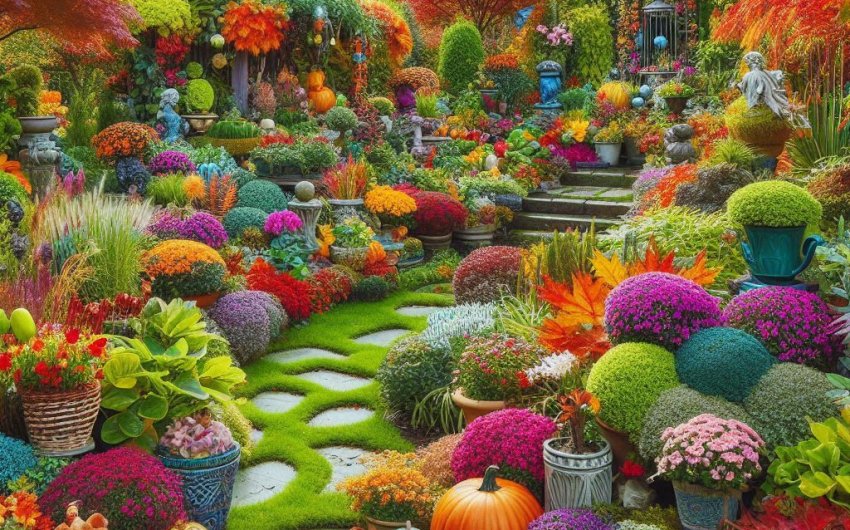
As the lazy days of summer begin to shorten, and a crispness enters the air, a magical transformation begins in nature. The vibrant greens of spring and summer slowly give way to an explosion of reds, oranges, yellows, and purples. This breathtaking phenomenon, known as fall foliage, is one of nature's most spectacular displays. It's a bittersweet symphony, signaling the end of the growing season but offering a final, glorious burst of color before winter's quiet embrace.
For gardeners, fall foliage isn't just something to admire from afar; it's an integral part of creating a vibrant autumn garden. By choosing the right plants, understanding the science behind the colors, and providing a little care, you can extend your garden's season of beauty well beyond the first frost. Imagine your outdoor space bathed in warm, fiery hues, even as temperatures drop.
In this comprehensive guide, we'll help you unlock the secrets to maximizing fall foliage in your own landscape. We'll explore the best trees, shrubs, and even perennials for autumn color, offer tips for enhancing their vibrancy, and discuss how to integrate these seasonal stars into a year-round garden plan. Get ready to embrace the unparalleled beauty of autumn and make your garden a true spectacle of color!
What Makes Fall Foliage So Beautiful?
The stunning transformation of leaves in autumn is a complex biological process that results in the vibrant colors we cherish. Understanding this science helps us appreciate the fleeting beauty even more.
Why Do Leaves Change Color in the Fall?
The spectacular array of colors in fall foliage isn't simply leaves "changing" color; it's more about colors being revealed or created.
- Chlorophyll Breakdown (Green Disappears): During the spring and summer, leaves are packed with chlorophyll, the green pigment essential for photosynthesis (the process by which plants convert sunlight into energy). Chlorophyll is so abundant that it masks all other pigments in the leaf. As days shorten and temperatures cool in autumn, trees begin to prepare for winter dormancy. They stop producing chlorophyll, and the existing chlorophyll breaks down and disappears. As the green fades, the other pigments, which were there all along, become visible.
- Carotenoids (Yellows and Oranges Revealed): Carotenoids are pigments that produce yellow, orange, and brown colors. They are always present in the leaves, but during summer, the overwhelming amount of green chlorophyll hides them. When chlorophyll breaks down, these bright yellows and oranges are finally revealed, giving us the glorious golden hues of maples, birches, and aspens.
- Anthocyanins (Reds and Purples Created): Anthocyanins are different. They are not present in the leaves all summer. Instead, they are produced in the fall in response to bright sunlight and cool (but not freezing) temperatures after the chlorophyll begins to break down. Sugars trapped in the leaves also contribute to their production. The more sunlight and cool nights, the more vibrant the reds, purples, and even some bronzes. Maples, oaks, and dogwoods are known for their brilliant anthocyanin colors.
- Tannins (Browns): Tannins are waste products that remain in the leaves, often contributing to the brown hues seen in some oak leaves after other pigments fade.
Ideal Conditions for Vibrant Color: The most brilliant fall foliage typically occurs after a warm, wet growing season followed by a clear, sunny autumn with cool (but above freezing) nights. This combination encourages sugar production and anthocyanin formation, while the crisp nights lead to chlorophyll breakdown.
What Features Contribute to a Vibrant Autumn Garden?
Beyond just trees, a truly vibrant autumn garden incorporates several elements to maximize seasonal impact.
- Leaf Color: This is the most obvious and spectacular element. Selecting trees and shrubs known for consistent, brilliant fall foliage is paramount.
- Berries and Fruit: Many plants offer colorful berries or persistent fruit that add visual interest after the leaves have changed or fallen. Think red dogwood berries, orange viburnum fruit, or purple beautyberry.
- Bark Interest: As leaves drop, the unique textures and colors of tree bark (e.g., peeling bark of River Birch, striped bark of Snakebark Maple, red twigs of Dogwood) become prominent, offering winter beauty.
- Seed Heads: The dried seed heads of ornamental grasses and perennials can add texture and structure to the late-season garden, often catching the light beautifully.
- Late-Season Blooms: While many plants fade, some perennials and annuals provide a final burst of flowers, often in autumnal tones. Think asters, chrysanthemums, and sedum.
- Evergreen Contrast: Including evergreen plants provides a vital green backdrop against which the fiery fall foliage truly pops. They also offer structure and color through the winter months.
- Hardscaping Elements: Stone paths, weathered wood, or garden structures can complement the natural autumn palette.
A truly successful autumn garden design considers all these elements, creating a layered and enduring display of beauty.
Is My Climate Good for Fall Foliage?
The vibrancy and type of fall foliage you experience depend heavily on your climate zone.
- Temperate Zones (Zones 4-7, roughly): These are typically the best zones for classic, brilliant fall foliage with a wide range of colors. They experience distinct seasons with warm summers, adequate rainfall, and the necessary cool nights for anthocyanin production.
- Warmer Climates (Zones 8+): In regions with mild winters and less pronounced temperature drops, fall foliage tends to be less spectacular. Trees may remain green longer, or colors might be more muted yellows and browns. However, certain species adapted to warmer climates (e.g., some oaks, maples, and deciduous hollies) can still provide good autumn interest.
- Colder Climates (Zones 1-3): While these zones experience strong temperature drops, the number of broadleaf deciduous trees that thrive there might be fewer. However, those that do grow (e.g., certain maples, aspens) will often display brilliant colors before winter sets in quickly.
Understanding your USDA Hardiness Zone (you can find yours online by zip code) and local climate patterns is crucial when selecting plants for fall foliage. For example, a sugar maple that turns brilliant red in Vermont might only achieve a muted yellow in Florida.
What Are the Best Plants for Fall Foliage?
To create a vibrant autumn garden, you need to choose plants specifically known for their brilliant and consistent fall foliage. Here are some top contenders across different plant types.
Top Trees for Stunning Autumn Color:
Trees are often the showstoppers of fall foliage, providing large splashes of color.
- Maples (Acer spp.): The undisputed kings of fall color.
- Sugar Maple (Acer saccharum): Famous for brilliant oranges, reds, and yellows. Needs ample space.
- Red Maple (Acer rubrum): Consistently fiery red to orange. More adaptable to various soils than Sugar Maple.
- Amur Maple (Acer ginnala): Smaller tree or large shrub, excellent for smaller gardens, with reliable bright red fall color.
- Japanese Maples (Acer palmatum cultivars): Many varieties offer spectacular fall colors, from fiery reds to glowing golds and oranges. Sizes vary from small shrubs to medium trees.
- Oaks (Quercus spp.): While some stay green, many oaks offer beautiful fall hues.
- Scarlet Oak (Quercus coccinea): Known for brilliant scarlet-red leaves.
- Pin Oak (Quercus palustris): Often turns bronze to deep red.
- White Oak (Quercus alba): Turns beautiful wine-red to reddish-brown.
- Dogwoods (Cornus florida, Cornus kousa): More than just spring blooms, these provide stunning fall color.
- Flowering Dogwood (Cornus florida): Burgundy to reddish-purple. Also has bright red berries.
- Kousa Dogwood (Cornus kousa): Reddish-purple to scarlet. Also has interesting fruit.
- Ginkgo (Ginkgo biloba): A living fossil, truly spectacular with its fan-shaped leaves turning a pure, glowing golden-yellow.
- Birch (Betula spp.): Especially River Birch (Betula nigra), offers bright yellow fall color and beautiful peeling bark.
- Sourwood (Oxydendrum arboreum): A lesser-known native tree with brilliant scarlet to deep red fall color, often accompanied by dangling white flower clusters in summer that persist into fall.
- Serviceberry (Amelanchier spp.): Small tree or large shrub with early spring blooms, edible berries, and lovely orange to reddish-purple fall color.
Top Shrubs for Autumn Color and Interest:
Shrubs provide mid-level color and can be integrated into borders or as stand-alone specimens.
- Burning Bush (Euonymus alatus): While stunning with its intense fiery red color, be aware that it is highly invasive in many regions of North America. Avoid planting and consider native alternatives.
- Native Alternatives to Burning Bush:
- Virginia Sweetspire (Itea virginica): Brilliant reds and oranges, beautiful arching form, and fragrant white flowers in summer.
- Fothergilla (Fothergilla gardenii or Fothergilla major): Spectacular shades of yellow, orange, and red. Also has interesting bottlebrush flowers in spring.
- Viburnums (Viburnum spp.): Many species offer beautiful fall foliage along with colorful berries.
- Blackhaw Viburnum (Viburnum prunifolium): Purplish-red to deep red, with blue-black berries.
- Arrowwood Viburnum (Viburnum dentatum): Yellow to reddish-purple, with blue berries.
- Sumac (Rhus spp.): Often considered weed-like, but some native species like Staghorn Sumac (Rhus typhina) offer truly brilliant scarlet, orange, and purple fall foliage, plus fuzzy red fruit clusters.
- Oakleaf Hydrangea (Hydrangea quercifolia): Its unique, oak-shaped leaves turn beautiful shades of deep red, burgundy, and orange. Also has interesting exfoliating bark.
- Dogwood (Shrub varieties like Redosier Dogwood, Cornus sericea): While the tree dogwoods are known for their leaf color, the shrub varieties offer vibrant red or yellow stems that provide exceptional winter interest once leaves fall, along with some good fall foliage.
- Chokeberry (Aronia melanocarpa): Glossy leaves turn brilliant red in fall, complemented by abundant dark purple berries that persist into winter and are excellent for wildlife.
Top Perennials and Grasses for Autumn Texture and Color:
These plants add a lower layer of interest, complementing the trees and shrubs.
- Ornamental Grasses: Many turn beautiful shades of gold, bronze, or rust in fall, often holding their color and texture through winter.
- Maiden Grass (Miscanthus sinensis): Golden-bronze.
- Switchgrass (Panicum virgatum): Yellow, orange, or reddish-brown, depending on variety.
- Little Bluestem (Schizachyrium scoparium): Gorgeous shades of copper, purple, and orange.
- Asters (Symphyotrichum spp.): While their primary appeal is late-season blooms, many varieties have foliage that contributes to the fall tapestry, and their spent blooms provide texture.
- Sedum (Hylotelephium spectabile and hybrids): Upright varieties like 'Autumn Joy' have succulent leaves that might take on reddish tints, and their dried flower heads provide architectural interest.
- Heuchera (Coral Bells): Many cultivars offer striking foliage colors (purple, orange, caramel) that intensify in cooler weather and last through fall and often winter.
- Ferns: Deciduous ferns like Maidenhair Fern (Adiantum pedatum) turn a beautiful golden yellow before fading. Some evergreens like Christmas Fern (Polystichum acrostichoides) provide a green contrast.
When selecting plants, consider a mix of these types to create layered beauty and ensure something is always providing interest throughout the autumn season. For local suitability, check with your local extension office or a reputable native plant nursery.
How Do I Enhance and Maintain Fall Foliage Vibrancy?
While nature does most of the work, a few simple gardening practices can help maximize the intensity and longevity of your fall foliage.
What Role Does Sunlight Play in Fall Color?
As discussed, sunlight is crucial for anthocyanin production (the reds and purples).
- Plant in Full Sun (where appropriate): For plants that thrive in full sun, ensure they receive it. A tree or shrub planted in too much shade may have muted colors, even if its species is known for vibrant fall foliage.
- Avoid Overcrowding: Give trees and shrubs enough space to grow without shading each other excessively. Good air circulation also helps prevent disease.
- Proper Pruning: Prune trees and shrubs correctly to allow light penetration into the canopy. Remove any dead, diseased, or crossing branches. Avoid heavy pruning late in the season, as this can stimulate new growth that won't harden off for winter.
How Does Watering Affect Fall Color?
Adequate water during the growing season is essential for healthy leaves that can produce vibrant pigments in the fall.
- Consistent Moisture: Trees and shrubs that experience severe drought stress during the summer might drop their leaves prematurely or have less vibrant color in the fall. Ensure deep, consistent watering throughout the summer, especially for newly planted trees and during dry spells.
- Avoid Overwatering: While they need moisture, waterlogged soil can lead to root rot and weaken the tree, which will negatively impact fall color. Ensure good drainage.
- Water Before Winter: Give all your trees and shrubs a good, deep watering before the ground freezes in late fall. This helps them stay hydrated through winter dormancy.
Should I Fertilize My Plants for Better Fall Color?
Generally, do not over-fertilize your plants with high-nitrogen fertilizers specifically for fall foliage.
- Balanced Nutrition: Focus on providing good, balanced nutrition throughout the year to support overall plant health. A healthy plant with well-developed leaves is better equipped to produce vibrant fall colors.
- Avoid Late Nitrogen: Avoid applying high-nitrogen fertilizers in late summer or early fall. Nitrogen encourages leafy growth, which can delay or disrupt the plant's natural process of going dormant and developing fall color.
- Soil Health: Instead of chemical fertilizers, focus on improving your soil health with compost or leaf mold. This provides slow-release nutrients and improves soil structure, which benefits fall color indirectly by supporting healthier plants. You can find good quality organic compost or a leaf shredder to make your own.
How Can I Protect My Fall Foliage Plants?
Protecting your plants from stress helps them perform their best in autumn.
- Pest and Disease Management: Keep an eye out for pests and diseases throughout the growing season. A healthy plant is less likely to be stressed and will put on a better fall show. Use organic pest control methods whenever possible to avoid harming beneficial insects.
- Mulch: Apply a 2-4 inch (5-10 cm) layer of organic mulch (like shredded bark or compost) around the base of trees and shrubs. This helps retain soil moisture, regulate soil temperature, suppress weeds, and slowly adds organic matter as it decomposes. Keep mulch a few inches away from tree trunks.
- Planting Zone: Choose plants that are well-suited to your USDA Hardiness Zone. Plants struggling in an unsuitable climate will have poorer fall color.
By combining careful plant selection with thoughtful care throughout the year, you can significantly enhance the vibrancy of your fall foliage and extend the beauty of your garden deep into the autumn season.
How Do I Incorporate Fall Foliage into a Year-Round Garden?
Designing a garden for fall foliage isn't just about autumn; it's about creating interest throughout all four seasons.
How Can I Design for Layered Autumn Interest?
Think about height and texture to create a dynamic and appealing autumn display.
- Tall Layer: Use large deciduous trees with spectacular fall foliage as the backbone or anchor points of your design. These provide the most dramatic, sweeping color.
- Mid-Layer: Incorporate medium-sized deciduous trees and shrubs that offer brilliant fall colors, interesting berries, or persistent fruit. These fill in the middle ground.
- Ground Layer: Plant smaller shrubs, ornamental grasses, and perennials with interesting fall foliage, seed heads, or late-season blooms. These provide texture, fill spaces, and tie the design together at eye level.
- Evergreen Contrast: Integrate evergreen trees and shrubs throughout your garden. Their consistent green (or blue, or golden) provides a beautiful backdrop that makes the fiery autumn colors pop. They also offer crucial winter interest.
What About Winter Interest After the Leaves Fall?
The beauty of autumn doesn't end when the leaves drop. Many of the same plants that offer great fall foliage also provide winter interest.
- Exfoliating Bark: Trees like River Birch (Betula nigra), Paperbark Maple (Acer griseum), and Stewartia (Stewartia pseudocamellia) have beautiful peeling bark that becomes a focal point in winter.
- Colorful Stems: Shrub dogwoods, especially Redosier Dogwood (Cornus sericea), have vibrant red, yellow, or orange stems that are most prominent after their leaves fall, offering a bright splash of color against snow.
- Persistent Berries/Fruit: Many viburnums, hollies, and crabapples hold their colorful berries through winter, providing food for birds and visual interest.
- Evergreens: As mentioned, evergreen conifers (pine, spruce, fir) and broadleaf evergreens (rhododendrons, boxwood, hollies) provide essential structure, color, and texture through the cold months.
- Architectural Forms: The bare branches of deciduous trees and shrubs can create beautiful sculptural forms against a winter sky.
How Can I Ensure Continuous Garden Interest Beyond Fall?
To create a garden that is truly beautiful year-round, plan for interest in every season.
- Spring Blooms: Choose trees and shrubs that offer beautiful spring flowers (e.g., Serviceberry, Dogwood, Magnolia).
- Summer Foliage/Flowers: Select plants with attractive summer foliage or a long season of summer blooms (e.g., Hydrangeas, Coneflowers, hostas).
- Year-Round Structure: Use evergreens and plants with interesting bark or form to provide consistent structure throughout all seasons.
By planning for fall foliage as part of a holistic, four-season garden design, you'll create a landscape that delights and inspires year-round, culminating in the spectacular, radiant show of autumn. Embrace the beauty of the changing seasons and watch your garden truly come alive!