
Creating a Stunning Fall Garden: Essential Tips for Seasonal Success
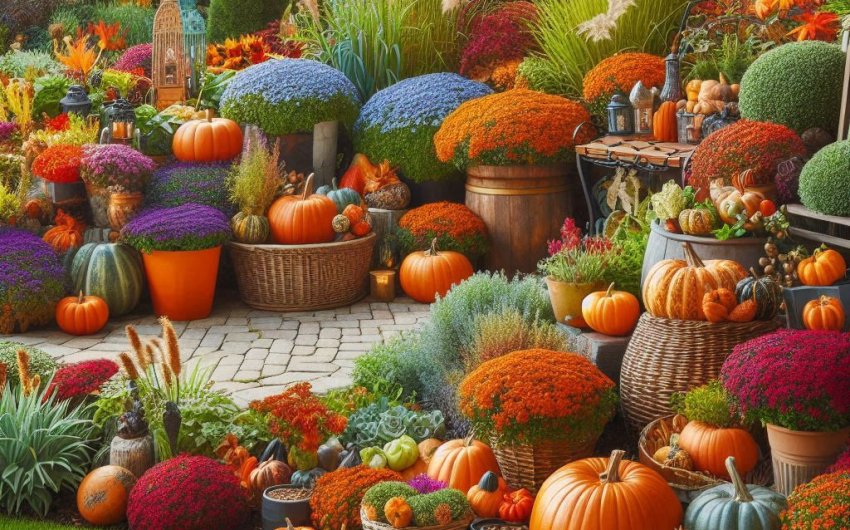
Does Your Garden Fade After Summer's Peak?
Summer's vibrant colors often steal the show in the garden. But as days shorten and temperatures cool, many gardens start to look tired and empty. Imagine a garden that truly shines in fall, bursting with rich colors, interesting textures, and late-season blooms that provide a beautiful farewell before winter's quiet arrival. Creating a stunning fall garden is entirely possible with some smart planning and the right plant choices. It’s about extending the gardening season and embracing the unique beauty of autumn.
Why Fall is a Magical Gardening Season
Fall in the garden isn't just about leaves falling. It's a surprisingly active and rewarding season that offers unique opportunities for beauty and preparation.
1. Spectacular Color Palette
- Beyond Blooms: While summer focuses on flowers, fall introduces a whole new range of colors primarily from foliage. Think fiery reds, golden yellows, brilliant oranges, deep purples, and rich bronzes.
- Unique Hues: These colors are unlike anything seen in spring or summer, creating a warm and dramatic display.
- Lasting Impact: Unlike individual flowers that bloom for a short period, fall foliage often holds its color for weeks, providing a sustained visual impact.
2. Gentle Weather for Gardening
- Cooler Temperatures: The scorching heat of summer gives way to milder, more comfortable temperatures. This makes gardening tasks like planting, weeding, and preparing beds much more pleasant.
- More Enjoyable Time Outdoors: Cooler weather invites more time outdoors to admire your garden without the intense heat or humidity of summer.
3. Texture and Structure Shine
- Ornamental Grasses: Many ornamental grasses reach their peak in fall, with their plumes maturing into golden, bronze, or silvery hues, adding incredible texture and movement.
- Seed Heads: The dried seed heads of many perennials (like coneflowers, hydrangeas, sedum) become architectural elements, especially when outlined by frost or low fall sun.
- Evergreen Backdrop: Evergreen shrubs and conifers provide a stable, deep green backdrop that makes the vibrant fall colors pop.
4. Important Planting Window
- Fall Planting is Ideal: For many plants (trees, shrubs, perennials, spring-flowering bulbs), fall is an excellent time to plant.
- Warm Soil, Cool Air: The soil is still warm enough for roots to establish, but the cooler air temperatures reduce stress on the top part of the plant.
- Spring Bloom Prep: Planting spring-flowering bulbs in fall is essential for their stunning spring display.
5. Wildlife Benefits
- Berries and Seeds: Many fall-blooming plants and those with colorful fall foliage also produce berries or seed heads that provide crucial food sources for birds and other wildlife preparing for winter.
- Pollinators: Some late-season flowers provide a final nectar source for migrating butterflies and late-flying bees.
Creating a stunning fall garden allows you to extend the enjoyment of your outdoor space and celebrate the unique beauty of autumn.
Essential Tip 1: Focus on Fall Foliage Stars (Trees & Shrubs)
The absolute cornerstone of a stunning fall garden is selecting trees and shrubs known for their spectacular fall foliage. These provide the backbone of your autumn color palette.
Deciduous Trees for Brilliant Fall Color
These trees shed their leaves in fall after a vibrant display.
- Maple Trees (Acer spp.): A classic for fall foliage.
- Sugar Maple (Acer saccharum): Famous for brilliant oranges and reds.
- Red Maple (Acer rubrum): Reliable reds and purples.
- Japanese Maple (Acer palmatum): Many cultivars with intricate leaf shapes and a vast range of reds, oranges, and yellows. Excellent for smaller gardens or as focal points.
- Oak Trees (Quercus spp.): While some are more subtle, many oaks (like Red Oak) display rich reds and russets, and often hold their leaves longer into winter.
- Dogwood Trees (Cornus florida): Beautiful white or pink flowers in spring, and lovely reddish-purple fall foliage.
- Ginkgo Biloba (Maidenhair Tree): Unique fan-shaped leaves turn a stunning, uniform golden yellow. A very tough and beautiful tree.
- Sourwood (Oxydendrum arboreum): Delicate white flowers in summer, followed by brilliant scarlet fall foliage.
- Birch Trees (Betula spp.): Known for their striking bark, many birches also offer attractive yellow fall foliage.
Deciduous Shrubs for Fall Hues
These shrubs add layers of fall color to your garden beds.
- Burning Bush (Euonymus alatus): Arguably the most intense scarlet fall foliage available. Can be invasive in some regions, so choose wisely or seek out non-invasive cultivars.
- Virginia Sweetspire (Itea virginica): Delicate white flowers in summer, followed by beautiful red, orange, and purple fall foliage. Adaptable and relatively compact.
- Viburnum (Viburnum spp.): Many viburnum varieties offer attractive fall foliage in shades of red and purple, often accompanied by colorful berries.
- Oakleaf Hydrangea (Hydrangea quercifolia): Large, architectural leaves turn beautiful shades of red, bronze, and purple in fall. Its dried flower heads also add interest.
- Aronia (Chokeberry): Edible berries and brilliant red-purple fall foliage. Very hardy.
- Fothergilla (Fothergilla gardenii/major): White bottlebrush flowers in spring, then spectacular fall foliage in a mix of yellows, oranges, and reds. For vibrant colors, add shrubs for fall foliage.
When selecting trees and shrubs, consider their mature size, light requirements, and soil preferences to ensure they thrive and provide reliable fall color year after year. These fall foliage stars will be the main event in your stunning fall garden.
Essential Tip 2: Incorporate Late-Season Bloomers
While fall foliage is paramount, adding plants that actually flower in fall extends your garden's vibrant display, providing nectar for late-season pollinators and a burst of fresh color.
Classic Fall-Blooming Perennials
These plants are powerhouses for late-season color.
- Chrysanthemums (Mums): The quintessential fall flower. Available in a huge range of colors (reds, oranges, yellows, purples, white) and forms. Plant hardy garden mums for reliable return.
- Asters: Daisy-like flowers in shades of purple, pink, blue, and white. They provide a beautiful contrast to the warm tones of fall foliage. They are also excellent for late-season pollinators.
- Sedum (Stonecrop, e.g., 'Autumn Joy' or 'Autumn Fire'): Large, flat-topped flower heads that start green, then turn pink, red, and finally rusty-bronze. They hold their shape and color well into winter, providing excellent texture. Look for late blooming perennials for extended color.
- Anemone (Japanese Anemone): Tall, delicate flowers in white, pink, or purple that sway gracefully in the fall breeze. They bloom from late summer into fall.
- Rudbeckia (Black-Eyed Susan, e.g., 'Goldsturm'): Bright yellow, daisy-like flowers with dark centers that continue to bloom profusely into early fall. Their seed heads also provide winter interest.
- Sneezeweed (Helenium): Daisy-like flowers in hot shades of yellow, orange, and red-brown. Blooms from mid-summer through fall.
- Toad Lily (Tricyrtis): Unique, orchid-like flowers that bloom in late summer to fall, often spotted or mottled. Great for shady areas.
Annuals for Continuous Color
For an immediate and vibrant splash of color, especially if you're planning last-minute, annuals are fantastic.
- Pansies and Violas: Can be planted in fall for a burst of color that often lasts through mild winters and reblooms in spring.
- Ornamental Cabbage and Kale: While not flowers, their vibrant purple, pink, and cream foliage provides amazing color and texture that lasts even through light frosts.
- Celosia: Feathery or crested flowers in bright reds, oranges, and yellows can add a tropical touch well into fall.
Flowering Shrubs for Fall Blooms
- Reblooming Hydrangeas: Newer varieties of hydrangeas (e.g., Hydrangea paniculata cultivars like 'Limelight' or 'Little Lime', or some Hydrangea macrophylla rebloomers) continue to flower into fall, with their blooms often changing color as the season progresses.
- Sweet Autumn Clematis (Clematis terniflora): A vigorous vine that covers itself in masses of fragrant white flowers in late summer to early fall.
By strategically placing these late-season bloomers, your fall garden will offer a beautiful and inviting display that extends the vibrancy well beyond summer.
Essential Tip 3: Embrace Texture, Berries, and Seed Heads
A stunning fall garden isn't just about color; it's also about rich textures and the captivating forms that develop as plants mature. Don't cut everything back!
1. The Glory of Ornamental Grasses
- Peak Season: Fall is truly the peak season for many ornamental grasses. Their plumes develop full color and texture.
- Movement: They add incredible movement to the garden, swaying gently in the fall breeze.
- Winter Interest: Many ornamental grasses provide excellent winter interest, standing tall even after snow, their dried plumes catching the low winter sun. Do not cut them back until late winter or early spring.
- Examples:
- Miscanthus (Maiden Grass): Large, feathery plumes that turn silver or bronze.
- Pennisetum (Fountain Grass): Arching, foxtail-like plumes.
- Panicum (Switchgrass): Upright forms with airy seed heads, often with good fall foliage color.
- Schizachyrium (Little Bluestem): Excellent blue-green foliage that turns beautiful shades of orange, red, and purple in fall. Many ornamental grasses for fall color are available.
2. Berries for Brilliant Pops of Color
- Food for Wildlife: Many shrubs produce colorful berries in fall that persist into winter, providing crucial food for birds.
- Visual Impact: These berries offer vivid pops of color against fading foliage or a snowy backdrop.
- Examples:
- Winterberry Holly (Ilex verticillata): Deciduous holly that loses its leaves, leaving branches completely covered in brilliant red berries. Stunning in winter.
- Beautyberry (Callicarpa spp.): Known for its clusters of iridescent, metallic-purple berries along the stems.
- Viburnum (various spp.): Many viburnums offer attractive red, blue, or black berries in fall.
- Cotoneaster: Small red or orange berries often persist for a long time.
3. Architectural Seed Heads
- Don't Deadhead Everything: Resist the urge to deadhead (remove spent flowers) all your perennials in fall. Many have beautiful seed heads that provide structural interest.
- Winter Interest: These dried seed heads add texture and silhouette to the winter garden, especially when dusted with frost or snow. They also provide seeds for birds.
- Examples:
- Hydrangea: Large, dried flower heads hold up well.
- Coneflower (Echinacea): Dark, spiky seed heads are a favorite for finches.
- Sedum (Stonecrop): Sturdy, umbrella-like flower heads remain intact.
- Alliums: Spherical seed heads add architectural flair.
- Liatris (Blazing Star): Tall, spiky columns.
By leaving these natural elements in place, your garden will continue to offer texture, color, and a sense of life well into winter, showcasing the enduring beauty of nature's palette. This ensures excellent winter garden interest.
Essential Tip 4: Strategic Planting for Fall and Beyond
A stunning fall garden isn't just about what you plant, but also how you plant it. Thinking strategically about location and layers ensures continuous beauty.
1. Layering for Visual Depth
- Background: Place taller fall-interest trees and shrubs at the back of your garden beds. These provide the backdrop for the rest of your display.
- Mid-ground: Fill the middle with medium-height fall-blooming perennials (like mums or asters) and shrubs with good fall foliage or berries.
- Foreground: Use shorter perennials like sedum, or colorful annuals like pansies and ornamental kale, at the front edges of your beds to welcome the eye.
- Height Variety: This layering creates depth and ensures all your plants can be seen and appreciated.
2. Consider Sunlight and Soil
- Sunlight Needs: Match your plant choices to the sunlight conditions of your garden beds (full sun, partial shade, shade). Many fall foliage plants need good sun to develop their best color.
- Soil Drainage: Ensure your soil drains well. Amend with compost if necessary. Healthy soil supports healthy plants that can perform well in fall.
3. Plant Spring-Flowering Bulbs
- Fall is Planting Time: For those beautiful spring blooms, you must plant your bulbs in fall. This is when they establish roots before winter dormancy.
- Plan Ahead: Think about where you want spring color to emerge. Plant tulips, daffodils, hyacinths, crocuses, and snowdrops in drifts or clusters among your fall-interest plants. Their emergence will be a delightful surprise after winter. A great choice is a spring flowering bulb mix.
4. Container Gardens for Flexibility
- Instant Color: For quick and flexible fall color, create container gardens. Plant mums, ornamental kale, pansies, and small fall foliage shrubs in pots.
- Strategic Placement: Place these containers on patios, porches, steps, or to fill gaps in garden beds. You can move them around as needed.
- Versatility: This allows you to bring vibrant fall color to areas where you might not have dedicated beds, or to change your display easily.
5. Think About Year-Round Interest
- Evergreen Structure: Ensure you have a good base of evergreen trees and shrubs in your garden. Their stable green provides contrast for fall colors and essential winter structure.
- Bark and Form: Select some deciduous trees and shrubs for their attractive bark or interesting branching patterns that will shine once their leaves have fallen. (e.g., Red Twig Dogwood, Birch).
By planning for layers, considering plant needs, utilizing containers, and thinking beyond just the fall season, you can create a truly dynamic and stunning fall garden that transitions gracefully into winter.
Essential Tip 5: Fall Garden Maintenance for Success
Even a stunning fall garden needs some maintenance, but many tasks are about preparing for the next season rather than intensive chores. Proper fall garden maintenance ensures both present beauty and future success.
1. Water Strategically
- Important Even in Fall: Don't stop watering just because summer is over. Plants (especially newly planted ones, evergreens, and those with fall foliage) still need water to stay healthy and establish roots before the ground freezes.
- Deep Watering: Continue with deep, infrequent watering. This is especially crucial for evergreens as they continue to lose moisture from their needles all winter.
- Monitor: Check soil moisture and adjust based on rainfall.
2. Mulch for Protection and Moisture Retention
- Apply After Cold: Once the ground starts to freeze or after a few hard frosts, apply a 2-4 inch layer of organic mulch (shredded leaves, wood chips, straw) over your garden beds.
- Benefits:
- Insulation: Helps moderate soil temperature, protecting plant roots from extreme cold and freeze-thaw cycles.
- Moisture Retention: Helps the soil retain moisture over winter.
- Weed Suppression: Continues to suppress weeds.
- Nutrient Boost: As it decomposes, it adds organic matter to the soil. You can use organic garden mulch.
3. Leave Perennials and Grasses Standing
- Winter Interest: As discussed, the dried seed heads of perennials and the plumes of ornamental grasses provide valuable winter interest and texture.
- Wildlife Food and Shelter: They offer food and shelter for birds and beneficial insects through winter.
- Protection: The dead foliage can also provide a bit of natural insulation for the plant's crown.
- When to Cut Back: Cut them back in late winter or early spring before new growth begins.
4. Prune Deciduous Trees and Shrubs (Carefully)
- Timing: For most deciduous trees and shrubs, fall is a good time to prune out dead, diseased, or damaged branches.
- Avoid Major Pruning: Avoid major shaping or reduction pruning in fall, as this can stimulate new growth that won't have time to harden off before freezing temperatures, making it susceptible to winter damage. Save major pruning for late winter or early spring.
- Clean Cuts: Use sharp, clean pruning shears or loppers.
5. Clean Up Fallen Leaves (Selectively)
- Under Trees: Rake up leaves from under trees if they are disease-prone or if the leaves are too thick (can smother grass).
- Compost: Most leaves are excellent for your compost pile ("brown" material!). Shred them first for faster breakdown.
- Mulch: Rake leaves into your garden beds to act as a natural mulch.
6. Plant Fall-Season Containers
- Refresh: Remove tired summer annuals from pots and replace them with fall-loving plants like mums, pansies, ornamental kale, and small evergreens for instant color.
By following these fall garden maintenance tips, you'll ensure your garden not only looks stunning throughout autumn but is also well-prepared for a healthy return in spring. It’s the final act of garden care before winter's rest.