
Top Fall Plants to Brighten Your Garden as the Seasons Change
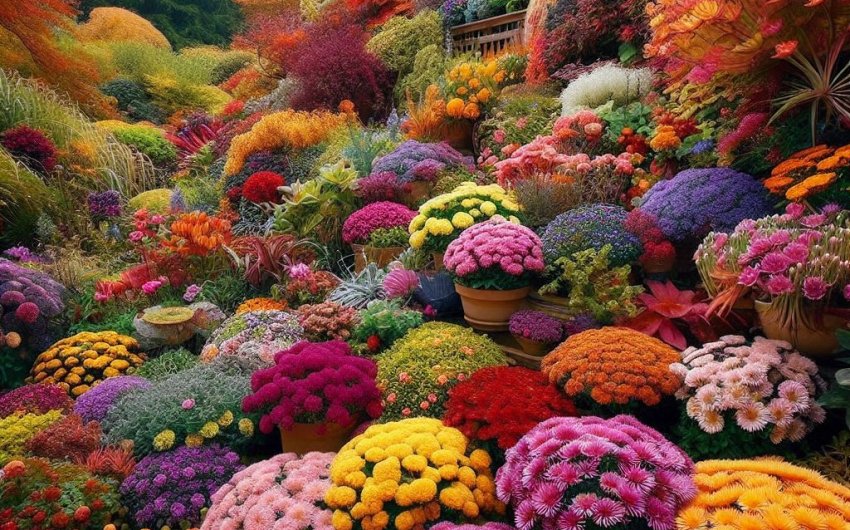
As the vibrant heat of summer begins to fade, a subtle shift occurs in the garden. The long, sunny days give way to cooler temperatures, shorter daylight hours, and the first hints of autumn's crisp air. While many summer blooms start to wane, this transitional period doesn't mean your garden has to lose its charm. In fact, fall offers a unique opportunity to infuse your outdoor space with a spectacular display of color and texture, providing a final burst of beauty before winter sets in.
Choosing the right fall plants can transform a fading landscape into a breathtaking tableau of rich hues—from fiery reds and oranges to deep purples and golden yellows. This guide will unveil the top fall plants that thrive as the seasons change, offering enduring beauty and visual interest when many other plants are preparing for dormancy. Get ready to discover how to extend your garden's peak appeal, ensuring a vibrant and inviting space even as autumn arrives.
What Makes a Plant Ideal for Fall Gardens?
Not all plants are created equal when it comes to fall performance. Certain characteristics make some species particularly well-suited to shining as temperatures drop and days shorten.
What are Key Characteristics of Good Fall Plants?
The best fall plants possess specific traits that allow them to endure cooler weather and contribute significantly to autumn aesthetics.
- Late-Season Bloomers: These are plants that either begin flowering in late summer and continue strongly into fall, or those that primarily come into their full glory as autumn arrives. Their blooms provide much-needed color when other plants are finishing up. This is essential for a vibrant fall flower garden.
- Vibrant Fall Foliage: Many trees and shrubs are celebrated specifically for their dramatic leaf color changes. From brilliant reds and oranges to deep purples and glowing yellows, these plants add a spectacular visual feast to the autumn landscape. This goes beyond just flowers.
- Interesting Seed Heads or Berries: After flowering, some plants develop decorative seed heads or colorful berries that remain on the plant, providing textural interest and a food source for birds well into winter. These elements contribute significantly to garden interest in autumn.
- Cold Tolerance: Good fall garden plants can withstand the cooler temperatures, and often the first light frosts, without immediately turning mushy or dying back. Some are even hardy enough to survive several hard freezes.
- Structural Interest: As deciduous plants lose their leaves, the underlying structure of the garden becomes more apparent. Plants with interesting branching patterns, bark, or persistent upright forms provide important visual weight.
- Adaptability: Many top performers are adaptable to various soil types and light conditions, making them versatile additions to different parts of the garden.
By focusing on these characteristics, you can select plants that truly perform as the seasons shift, ensuring your garden remains a showstopper.
Why is Fall Planting Beneficial?
While many gardeners focus on spring planting, autumn offers some distinct advantages, especially for woody plants and perennials.
- Cooler Temperatures: The cooler air temperatures in fall are less stressful for plants than hot summer conditions. This allows them to focus energy on root development rather than fighting heat.
- Warm Soil: The soil remains warm for an extended period in fall after the air cools. This warm soil is ideal for root growth, allowing plants to establish a strong root system before winter sets in.
- Natural Moisture: Fall often brings more consistent rainfall, reducing the need for frequent watering compared to summer planting.
- Reduced Pest and Disease Pressure: Many garden pests and diseases become less active in cooler fall weather, giving new plants a better chance to establish without immediate threats.
- Spring Advantage: Plants established in fall have a head start in spring. Their roots are already in place, allowing them to put on vigorous top growth much earlier than spring-planted counterparts. This can lead to earlier blooms or better overall performance.
- Nursery Selection: Nurseries often have a great selection of fall annuals and perennials that are already in bloom, allowing you to see their colors and choose plants that fill your specific needs. Look for specific fall-planted perennials at your local garden center.
Fall planting is an underutilized strategy that can lead to stronger, healthier plants in the long run.
What are the Top Perennials for Fall Color?
Perennials are fantastic for fall because they return year after year, providing reliable color and texture. They form the backbone of a vibrant autumn garden.
Why are Mums a Classic Fall Choice?
Chrysanthemums (often just called mums) are synonymous with fall, providing an explosion of color.
- Bloom Time: Available in nurseries already in full bloom, making them perfect for instant fall color from late summer through fall, until a hard frost.
- Color Range: Come in an astonishing array of colors: reds, oranges, yellows, purples, pinks, whites, and bronzes.
- Flower Forms: Wide variety of flower shapes, from traditional daisies to pom-poms and spiders.
- Ease of Use: Great for mass plantings in beds or for container displays.
- Hardiness: "Garden mums" are perennial if planted early enough (late summer) to establish roots and given proper winter care (mulching). Florist mums, often sold indoors, are usually not winter hardy outdoors.
- Tips: Plant garden mums in full sun with well-drained soil. Pinch back new growth in spring and early summer to encourage bushier plants and more blooms. For container displays, combine with ornamental grasses or other fall annuals. A mixed mum plant pack can offer instant variety.
Mums are unbeatable for their immediate impact and burst of fall flower garden color.
What About Asters and Sedum?
These two perennials are reliable and provide distinct textures and colors in autumn.
- Asters: These daisy-like flowers are quintessential fall perennials, covering themselves in blooms.
- Bloom Time: Bloom from late summer into fall, often continuing until heavy frost.
- Color Range: Most common in shades of purple, blue, pink, and white.
- Pollinators: A magnet for late-season pollinators, providing a crucial food source for bees and butterflies before winter.
- Height: Available in various heights, from low-growing cushions to tall background plants.
- Tips: Need full sun and well-drained soil. Some taller varieties may benefit from staking. Look for New England Asters (Symphyotrichum novae-angliae) and New York Asters (Symphyotrichum novi-belgii) for hardiness and vibrant color. A purple aster plant adds rich color.
- Sedum (Stonecrop 'Autumn Joy' and similar): Known for their succulent-like foliage and unique flower heads that transform through the season.
- Bloom Time: Flower heads begin forming in summer, turning from green to pink, then rusty red or bronze in fall, holding their color and form well into winter.
- Texture and Form: Provide excellent textural interest and architectural structure in the fall garden.
- Low Maintenance: Extremely drought-tolerant and easy to grow in full sun with well-drained soil.
- Tips: Leave the spent flower heads on for winter interest. They are very reliable. A sedum autumn joy plant is a hardy choice.
Asters and Sedum are powerful additions for long-lasting fall garden interest.
Are There Other Notable Fall-Blooming Perennials?
- Japanese Anemone (Anemone hupehensis or A. x hybrida): Elegant, graceful flowers that bloom in late summer and fall, often in white or pink. They prefer partial shade and moist, well-drained soil. A lovely choice for adding a delicate touch to a fall flower bed.
- Sneezeweed (Helenium): Despite its unfortunate name (it doesn't cause sneezes!), Helenium produces cheerful daisy-like flowers in shades of yellow, orange, and red from mid-summer into fall. Great for attracting pollinators. Needs full sun.
- Turtlehead (Chelone): A unique native perennial with hooded, snapdragon-like flowers that bloom in late summer to fall. Tolerates wet soil and partial shade, making it a good choice for challenging spots.
- Goldenrod (Solidago): Often blamed for allergies (it's ragweed's fault!), cultivated goldenrod varieties are beautiful, easy-to-grow plants that provide a burst of golden yellow in late summer and fall. Look for clump-forming, non-invasive cultivars. A vibrant goldenrod plant offers cheer.
These late-season blooming perennials ensure your garden remains lively and colorful until winter's chill.
What Are the Best Trees and Shrubs for Fall Foliage?
Trees and shrubs provide height, structure, and some of the most spectacular fall color displays.
Which Maples Offer Stunning Fall Color?
Maple trees are iconic for their brilliant fall foliage, with many varieties performing well in different regions.
- Sugar Maple (Acer saccharum): The classic, native North American maple responsible for vibrant oranges, reds, and yellows. Needs significant space to grow.
- Red Maple (Acer rubrum): Known for its intense red fall color, especially in acidic soils. More adaptable to various conditions than sugar maple. Many cultivars with specific shades of red.
- Japanese Maple (Acer palmatum): Smaller, ornamental trees available in countless cultivars, offering a breathtaking range of fall colors (from brilliant reds to oranges and purples) and delicate leaf forms. Many are suitable for small garden spaces or containers. A dwarf Japanese maple is a stunning focal point.
- Amur Maple (Acer ginnala): A smaller, hardy maple that provides bright red to reddish-purple fall color. Excellent for smaller yards or as a multi-stemmed shrub.
A strategically placed maple tree can be the star of your autumn garden landscape.
What About Other Trees and Shrubs for Fall Color?
Beyond maples, many other woody plants provide incredible fall foliage and other autumn interests.
- Oak Trees (Quercus species): Many oak varieties provide rich, deep red, burgundy, or russet fall colors that often persist longer on the tree than other deciduous leaves.
- Serviceberry (Amelanchier species): A versatile small tree or large shrub with white spring flowers, edible berries, and beautiful red-orange fall foliage.
- Dogwood (Cornus florida, Cornus kousa): Known for attractive spring flowers, but many also offer lovely red-purple fall foliage. Some have interesting bark for winter interest.
- Burning Bush (Euonymus alatus): While highly invasive in many regions, its intense neon red fall color is undeniable. If you live in an area where it's invasive, consider non-invasive alternatives.
- Oakleaf Hydrangea (Hydrangea quercifolia): A four-season shrub with large, oak-shaped leaves that turn beautiful shades of red, purple, and bronze in fall. Its exfoliating bark provides winter interest. A oakleaf hydrangea shrub adds stunning texture.
- Virginia Creeper (Parthenocissus quinquefolia): A vigorous native vine that can climb walls or fences, providing brilliant red fall foliage. Can be aggressive but offers spectacular color.
- Blueberry Shrubs (Vaccinium species): Beyond their delicious fruit, many blueberry varieties display stunning fiery red or orange fall foliage. A great choice for edible landscaping.
These trees and shrubs with fall color provide structure and long-lasting beauty to your autumn garden.
Which Shrubs Offer Berries and Winter Interest?
Some shrubs transition beautifully into late fall and winter with persistent, colorful berries.
- Winterberry Holly (Ilex verticillata): A deciduous holly that loses its leaves in fall, leaving behind an astonishing display of bright red berries that persist through winter. Needs both a male and female plant for berries. A winterberry holly shrub is essential for winter color.
- Beautyberry (Callicarpa species): Features striking clusters of iridescent purple berries along its stems in fall, remaining after the leaves drop.
- Cotoneaster: Many varieties have small leaves and produce abundant red or orange berries that add fall and winter interest. Some are evergreen.
- Pyracantha (Firethorn): Known for its thorny branches and clusters of bright orange or red berries that persist into winter. Can be trained as an espalier.
These berry-producing shrubs provide food for birds and extend the visual appeal of your fall garden well into the colder months.
What Are Other Key Elements for a Stunning Fall Garden?
Beyond individual plants, consider integrating other elements that enhance the autumn garden's overall appeal.
How Do Ornamental Grasses Contribute?
Ornamental grasses are unsung heroes of the fall garden, providing texture, movement, and often golden or bronze hues.
- Texture and Movement: Their swaying blades add dynamism to the landscape, especially in autumn breezes.
- Fall and Winter Color: Many grasses develop beautiful golden, bronze, or reddish tints in fall, and their dried seed heads remain attractive through winter, offering winter interest.
- Low Maintenance: Generally very easy to care for, requiring only an annual cutback in late winter or early spring.
- Varieties:
- Maiden Grass (Miscanthus sinensis): Many cultivars with various heights and forms, often with feathery plumes.
- Feather Reed Grass (Calamagrostis x acutiflora 'Karl Foerster'): Upright, columnar grass with golden plumes that turn wheat-colored. Excellent for vertical accents. A Karl Foerster feather reed grass is very popular.
- Switchgrass (Panicum virgatum): Native grass with beautiful fall color and airy seed heads.
- Fountain Grass (Pennisetum alopecuroides): Arching, bottle-brush-like plumes.
Ornamental grasses are essential for adding subtle beauty and year-round interest to your fall garden landscape.
What About Annuals and Container Displays?
Annuals offer instant, season-long color, perfect for filling gaps or creating stunning container arrangements.
- Pansies and Violas: These cheerful flowers thrive in cool weather and can bloom from fall through winter in milder climates, or provide vibrant color until a hard freeze in colder areas. They come in an incredible range of colors. A pack of fall pansy seeds can offer varied colors.
- Flowering Kale and Cabbage: While not true flowers, these ornamental cabbages and kales offer stunning rosettes of colorful foliage (pinks, purples, creams, greens) that intensify with cold weather.
- Heuchera (Coral Bells): Many varieties have stunning foliage color that provides continuous interest in fall and through winter. While perennial, they are great for containers too.
- Container Combos: Create dynamic fall container gardens by combining hardy annuals (pansies, kale), small perennials (sedum, heuchera), small ornamental grasses, and miniature pumpkins or gourds for a festive touch. A large outdoor planter for fall can serve as a focal point.
Fall annuals and container displays provide immediate pops of color and festive charm.
How Can You Incorporate Hardscaping and Decor for Fall?
The hard elements of your garden can be enhanced to celebrate autumn's beauty.
- Pathway Materials: Natural stone, brick, or gravel pathways provide a warm, earthy tone that complements fall colors. Ensure pathways are clear for safety as leaves fall.
- Garden Structures: Arbors, pergolas, and benches can be adorned with autumn-themed decor like gourds, dried corn stalks, or fall foliage garlands. A decorative garden bench becomes a cozy spot.
- Lighting: Extend your enjoyment of the fall garden into the evening with warm-toned landscape lighting. Highlight colorful trees or create a cozy ambiance in seating areas. Solar powered string lights can add a magical glow.
- Seasonal Decor: Incorporate elements like pumpkins, colorful gourds, hay bales, and corn stalks for a festive touch.
- Fire Pit: A fire pit for backyard becomes the ultimate focal point for enjoying cool fall evenings.
By combining the top fall plants with thoughtful hardscaping and seasonal decor, you can truly unleash the beauty of autumn in your garden, transforming it into a stunning and inviting space as the seasons change.