
Choosing the Perfect Fall Tree for Your Landscape: What to Consider
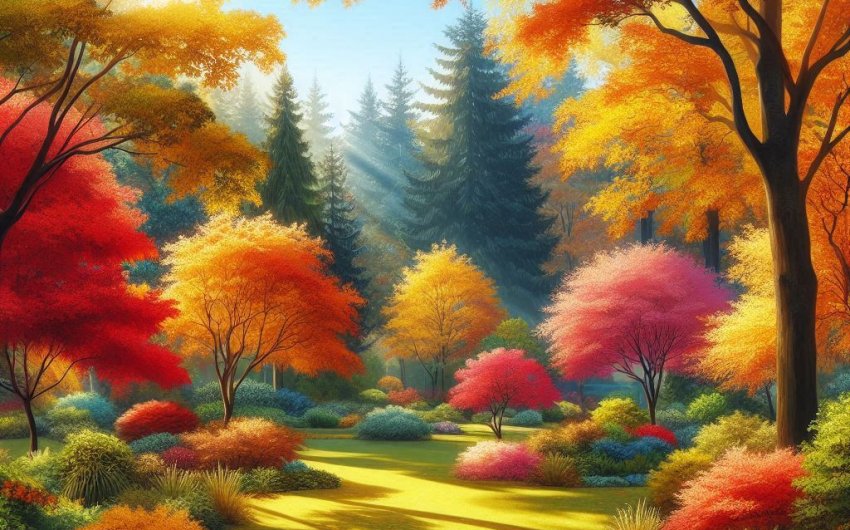
Fall. The word itself brings to mind crisp air, pumpkin spice, and a dazzling display of colors. If you're dreaming of a backyard bursting with fiery reds, golden yellows, and rich oranges, then choosing the right fall tree for your landscape is key. It's more than just picking a pretty tree; it's about finding one that thrives in your yard and truly shines when autumn arrives. Let's dig into what you need to think about before you grab that shovel.
What's Your Space Like? Size Matters!
Before you even start browsing for trees, take a good look at your yard. How big is it? Are there overhead power lines? Do you have enough room for a tree to grow to its full potential? This is perhaps the most important question to ask yourself.
How Much Room Do You Really Have?
Imagine a tiny puppy. Cute, right? Now imagine that puppy is a full-grown Golden Retriever in a studio apartment. Not so cute anymore, huh? Trees are the same way. A tree that starts small can grow surprisingly large, both in height and spread. An oak tree, for example, can grow to 70 feet tall and just as wide. Planting a huge tree in a small urban yard can cause problems down the road. Its roots can crack foundations or sidewalks, and its branches might interfere with your house or your neighbor's property.
Measure the space where you want to plant your tree. Consider its mature height and spread. Don't just look up; look out. How wide will the branches get? Will they block sunlight from your windows or your neighbor's yard? Think about both the vertical and horizontal space.
If you have a small yard, don't despair! There are many beautiful small fall trees that offer stunning color without overwhelming your space. Consider options like a Japanese maple or a dogwood tree. These trees are perfect for tighter spots, offering a big splash of color in a compact package.
Are There Any Overhead Obstacles?
Look up! Are there power lines or telephone wires running above where you want to plant your tree? This is a crucial safety concern. Planting a tall tree under power lines is a bad idea. As the tree grows, its branches can interfere with the lines, causing outages or even fires. Utility companies often prune trees aggressively around power lines, which can disfigure your beautiful tree and reduce its lifespan.
Always check with your local utility company if you're unsure about planting near lines. They can provide guidance on safe planting distances. If you have overhead lines, focus on understory trees or small ornamental trees that won't reach the lines when fully grown. A good example might be a serviceberry tree or a redbud tree, both of which offer lovely fall color and stay under 20 feet.
How About Underground Utilities?
It's not just what's above ground that matters. Before you dig, always, always, always call 811. This national "Call Before You Dig" hotline connects you to your local utility companies, who will mark any underground lines for free. These can include water pipes, gas lines, sewer lines, and communication cables. Hitting one of these can be dangerous and extremely costly.
Knowing where these lines are will help you choose a safe planting spot. You'll want to keep your tree's root system away from any underground infrastructure. Some trees have aggressive roots that can seek out water and infiltrate pipes. For instance, willow trees are notorious for their invasive root systems and should be avoided near underground pipes.
What's Your Climate Like? Understanding Hardiness Zones
You might fall in love with a certain tree in a picture, but if it doesn't like your climate, it won't thrive. Understanding your USDA Plant Hardiness Zone is essential. This zone system tells you which plants are likely to survive the coldest winter temperatures in your area.
What's a Hardiness Zone?
Think of it like a map that shows how cold it gets in different parts of the country. Each zone represents a 10-degree Fahrenheit range of average annual extreme minimum winter temperatures. For example, if you live in Zone 6a, it means your area typically experiences winter lows between -10°F and -5°F.
You can easily find your hardiness zone by typing your zip code into the USDA Plant Hardiness Zone Map. Most plant tags and online descriptions will list the hardiness zones a particular tree can tolerate. For instance, a tag might say "Zones 4-8." This means the tree can withstand the winter temperatures in zones 4 through 8.
Why Is It Important?
Planting a tree that isn't suited for your zone is like trying to grow a palm tree in Alaska. It just won't work. The tree won't be able to handle the cold winters (or sometimes, even the hot summers) and will likely die.
Always choose a tree that is "hardy" for your specific zone. If you're in Zone 5, don't buy a tree that's only hardy to Zone 7. It won't survive. It's often best to choose a tree that is hardy to one zone colder than yours if you want to be extra safe, especially if you experience unexpected cold snaps.
What Kind of Soil Do You Have? The Foundation of Success
Soil isn't just dirt; it's a complex mix of minerals, organic matter, air, and water. The type of soil you have will greatly affect how well your tree grows. Some trees are pickier than others, while some are more adaptable.
Is Your Soil Clay, Sand, or Loam?
There are three main types of soil particles:
- Sand: Feels gritty. Water drains through it very quickly, and it doesn't hold nutrients well.
- Clay: Feels sticky when wet and forms hard clumps when dry. It holds water well but can become compacted, making it hard for roots to grow and for air to reach them.
- Silt: Feels smooth and powdery. It's a good middle ground.
Ideally, most trees prefer loamy soil. Loam is a balanced mix of sand, silt, and clay. It drains well but also holds enough moisture and nutrients for plants.
How Do You Test Your Soil?
You can do a simple squeeze test: Grab a handful of moist (not wet) soil and squeeze it.
- If it crumbles easily, it's probably sandy.
- If it forms a tight, sticky ball, it's likely clay.
- If it forms a loose ball that you can break apart, it's probably loam.
For a more accurate assessment, you can send a soil sample to your local extension office. They'll tell you about your soil's composition, its pH level (how acidic or alkaline it is), and what nutrients it's missing. This information is incredibly valuable when choosing a tree and deciding if you need to amend your soil.
What's Your Soil pH?
Soil pH measures how acidic or alkaline your soil is, on a scale of 0 to 14.
- 0-6.9 is acidic.
- 7.0 is neutral.
- 7.1-14 is alkaline (or basic).
Most trees prefer a slightly acidic to neutral pH (around 6.0-7.0). However, some trees have specific preferences. For example, oaks and maples generally prefer slightly acidic soil. If your soil is too alkaline, it can make it hard for certain trees to absorb iron and other vital nutrients, leading to yellowing leaves (a condition called chlorosis).
Knowing your soil pH helps you select trees that will naturally thrive, or tells you if you need to adjust your soil with amendments. For instance, if your soil is too alkaline, you might add soil acidifiers like elemental sulfur. You can find these at garden stores, such as Espoma Organic Soil Acidifier.
How Much Sun Does Your Yard Get? Sunlight Needs
Just like people need different amounts of sunlight, so do trees. Some love soaking up the sun all day, while others prefer a bit of shade.
Full Sun, Partial Sun, or Shade?
- Full Sun: Means at least six hours of direct, unfiltered sunlight per day. Most fall foliage trees need full sun to produce their best color. Think of a sugar maple or a scarlet oak; they need lots of sun to really show off.
- Partial Sun/Partial Shade: Means four to six hours of direct sunlight, often in the morning or late afternoon. The tree gets some sun but is protected from the intense midday heat. Some trees, like certain varieties of dogwood or serviceberry, can tolerate partial sun.
- Full Shade: Means less than four hours of direct sunlight per day, or dappled light throughout the day. Very few trees with spectacular fall color thrive in full shade. Most will become leggy (stretched out looking for light) and won't produce vibrant colors.
Why Does Sunlight Affect Fall Color?
The beautiful reds, oranges, and yellows of fall leaves are created by pigments in the leaves. Chlorophyll, the green pigment, is dominant during the growing season. As days shorten and temperatures drop, trees stop producing chlorophyll, and the other pigments (carotenoids for yellow/orange and anthocyanins for red/purple) become visible.
Sunlight plays a crucial role in the production of anthocyanins, the pigments responsible for reds and purples. Trees that get more direct sunlight often have more intense and brilliant red and purple fall colors. So, if you're dreaming of a fiery red maple, make sure you plant it where it will get plenty of sun.
What About Water? Hydration Needs
Water is life for plants, and trees are no exception. Some trees are drought-tolerant once established, while others are "water hogs" that need consistently moist soil.
How Much Water Does Your Chosen Tree Need?
When you buy a tree, its tag or description will usually specify its water needs.
- High water needs: These trees need consistently moist soil and may not do well in dry climates or areas with infrequent rainfall. Think river birch or willow oak.
- Medium water needs: Most trees fall into this category, preferring evenly moist soil but can tolerate some dry spells once established. Many maples fit this description.
- Low water needs/Drought-tolerant: These trees can withstand periods of dryness once their roots are established. This is a great characteristic for areas with water restrictions or if you prefer a low-maintenance landscape. Examples include some oak varieties and honeylocust.
How Will You Water It?
Consider your irrigation system or your willingness to hand-water. During the first year or two after planting, newly planted trees need regular and deep watering to establish a strong root system. This is critical for their survival. You can use a tree watering bag for consistent, slow watering.
If you live in a dry climate or an area prone to drought, choosing a drought-tolerant tree will save you a lot of hassle and water. It's always best to select a tree that matches the natural rainfall and your capacity for watering.
Are There Any Pests or Diseases? Tree Health
Unfortunately, no tree is completely immune to problems. Some trees are more susceptible to certain pests or diseases than others. While you can't guarantee a completely problem-free tree, choosing resistant varieties can save you a lot of headaches.
What Are Common Pests and Diseases?
Different trees are prone to different issues. For example:
- Ash trees have been devastated by the emerald ash borer, an invasive beetle.
- American elms were largely wiped out by Dutch elm disease.
- Dogwood trees can be affected by dogwood anthracnose.
- Maples can sometimes get verticillium wilt or tar spot.
Before you buy, do a quick search for common problems associated with the tree you're considering. Knowledge is power!
Can You Choose Disease-Resistant Varieties?
Often, nurseries will offer disease-resistant cultivars or varieties that have been bred to withstand common problems. For example, if you love the idea of a dogwood, look for varieties specifically labeled as anthracnose-resistant. This is an excellent way to choose a tree that has a better chance of staying healthy and vibrant for years to come.
Also, consider the overall health of the local tree population. If you see many trees of a certain type struggling in your neighborhood, it might be a sign to choose a different species that is more resilient in your area.
What Kind of Fall Color Are You Hoping For? The Big Payoff!
This is often the main reason people want a fall tree, so let's talk about those glorious colors! Different trees offer different hues.
Red, Orange, Yellow, or Purple?
- Fiery Reds and Oranges: If you want a bold, brilliant display of reds and oranges, look no further than maples (especially sugar maples, red maples, and Norway maples), scarlet oaks, black gum (Nyssa sylvatica), and some varieties of dogwood. These trees are the superstars of red and orange fall foliage.
- Golden Yellows: For bright, sunny yellows, consider gingko trees, tulip poplars, birch trees, and some hickory trees. Their leaves turn a stunning pure yellow that brightens up any landscape.
- Rich Purples and Maroons: If you're looking for deeper, more sophisticated colors, oak trees (like pin oak or red oak), some maples (like October Glory maple), and Virginia creeper (though it's a vine, not a tree) can offer beautiful purples and maroons.
- Multicolor Blends: Some trees offer a mix of colors as the leaves change, creating a truly dynamic display. Serviceberry often shows shades of red, orange, and yellow.
Are There Other Seasonal Interests?
While fall color is the star, think about what the tree offers during the other seasons.
- Spring Flowers: Many trees that have great fall color also have beautiful spring blossoms. Dogwood trees are famous for their white or pink spring flowers, followed by red fall foliage and berries. Serviceberry trees have delicate white flowers in spring, edible berries in summer, and then stunning fall color. A Star Magnolia tree could also add some wonderful spring blooms.
- Summer Foliage: Does the tree provide good shade in the summer? Is its summer foliage attractive? Some trees have interesting leaf shapes or textures that add visual interest even before the fall show.
- Winter Interest: Does the tree have interesting bark, berries that persist through winter, or an attractive branching structure when the leaves have fallen? The exfoliating bark of a river birch or the persistent berries of a winterberry holly (a large shrub often trained as a small tree) can provide beauty during the colder months.
Choosing a tree with multiple seasons of interest gives you more bang for your buck, so to speak. It means your tree is working hard to enhance your landscape all year long, not just for a few weeks in autumn.
What's the Maintenance Like? Workload and Cleanup
Some trees are high-maintenance divas, while others are pretty self-sufficient. Think about how much time and effort you're willing to put into caring for your tree.
How Much Leaf Cleanup Will There Be?
Let's be honest, those beautiful fall leaves eventually fall. Some trees drop their leaves gradually, while others unleash a torrent of foliage all at once.
- Large-leaved trees like oaks and maples can produce a lot of leaves, requiring more raking.
- Small-leaved trees like birch or honeylocust generally produce smaller, more manageable piles of leaves.
- Consider evergreen trees if you want zero leaf cleanup, but they won't give you fall color. However, some deciduous conifers like the Larch tree (or Tamarack) turn a brilliant gold before dropping their needles, offering a unique fall display with easier cleanup than broad-leaved trees.
Think about the size of the tree and the amount of leaves it will produce at maturity. If you have a huge property and a leaf blower, it might not be a big deal. If you have a small yard and rely on a rake, it's something to consider.
Does it Drop Messy Fruit or Nuts?
Some trees produce fruit, nuts, or seed pods that can create a mess on your lawn, patio, or driveway.
- Sweet gum trees drop spiky, hard seed pods that can be painful to step on and a nuisance to clean up.
- Crabapple trees can drop small fruit that attracts wasps if not cleaned up promptly.
- Oak trees drop acorns, which can be a tripping hazard and attract squirrels.
If you have a patio, deck, or frequently used pathway under where you plan to plant, you might want to avoid trees with messy dropping habits. If you don't mind the cleanup, or the tree is in a less-trafficked area, then these trees are still excellent choices for fall color. Many seedless varieties of trees have been developed to avoid this issue, so always ask at the nursery.
How Fast Does It Grow?
Tree growth rate can vary.
- Fast-growing trees like red maples or tulip poplars can provide shade and visual impact quickly, but they may also be more prone to weaker wood and breaking branches in storms. They might also require more frequent pruning.
- Slow-growing trees like oaks or sugar maples take longer to mature but often develop stronger wood and live longer, becoming magnificent specimens over time. They might require less frequent pruning.
There's a trade-off between instant gratification and long-term stability. Decide what's more important for your landscape goals.
Where to Buy Your Tree? Quality Matters
Once you've narrowed down your choices, where you purchase your tree is just as important as the tree you choose.
Reputable Local Nurseries
Buying from a reputable local nursery is almost always the best option.
- Expert Advice: The staff at local nurseries are usually knowledgeable about the specific trees that thrive in your area. They can offer personalized advice on planting, care, and pest issues specific to your region.
- Local Adaptation: Trees at local nurseries are often grown in conditions similar to yours, making them more likely to adapt well to your landscape.
- Healthy Stock: Good nurseries take pride in selling healthy plants. They'll have well-cared-for trees with strong root systems and no signs of disease or pests. Look for a tree that has a good shape, healthy leaves, and no circling roots visible in the pot.
Online Retailers (With Caution)
You can also buy trees from online retailers, which sometimes offer a wider selection or specialized varieties. However, be cautious.
- Shipping Stress: Trees can undergo significant stress during shipping, which can impact their survival rate.
- Bare Root vs. Potted: Online trees often come as bare-root trees (no soil around the roots) or in smaller pots. Bare-root trees need to be planted quickly and carefully.
- Read Reviews: If buying online, always read reviews from other customers about the plant quality and shipping practices. Stick to well-known and highly-rated online plant nurseries. For example, some people have good experiences with Trees for Me, or Fast Growing Trees. Look for reviews that mention the condition of the trees upon arrival and their subsequent growth.
Avoid Big Box Stores (Usually)
While convenient, big box stores often have less knowledgeable staff and plants that may not have been cared for optimally. Their stock might be stressed or not suited for your local climate. It's often worth the extra drive to a dedicated nursery.
By carefully considering all these factors – your space, climate, soil, sun, water, pest resistance, desired fall color, overall seasonal interest, and maintenance commitment – you'll be well on your way to selecting the perfect fall tree that will bring beauty and joy to your landscape for many years to come. Happy planting!