
How Do I Deal with Anthracnose in Bean Plants?
Growing your own beans can be incredibly rewarding, offering a fresh, crisp crunch whether you're harvesting green beans, shelling beans, or drying them for future use. However, like all plants, beans can sometimes face challenges from diseases. One of the most common and frustrating problems for bean growers is anthracnose. This fungal disease can quickly spread through your bean patch, causing damage to leaves, stems, pods, and even the seeds themselves. It can significantly reduce your harvest or even wipe out an entire crop if not managed properly. Identifying anthracnose early and taking action is key to protecting your precious bean plants.
Anthracnose is caused by a fungus called Colletotrichum lindemuthianum. It thrives in cool, wet conditions, making it a particular concern during rainy periods or when overhead watering is used frequently. The spores of this fungus can overwinter in plant debris, in the soil, or even on infected seeds, meaning it can show up year after year if not properly addressed. Don't despair if you spot signs of it in your garden! While it can be a nuisance, there are many effective strategies you can use to control anthracnose and keep your bean plants healthy and productive. This guide will walk you through understanding this disease, spotting its symptoms, and implementing both preventative measures and direct treatments to save your bean harvest.
What is Anthracnose and Why Does It Affect Beans?
Anthracnose is a fungal disease that targets many different plants, but it's particularly well-known for affecting bean plants. It’s caused by a specific fungus, Colletotrichum lindemuthianum. Understanding what it is and how it works is the first step to dealing with it.
What Exactly is Anthracnose?
Think of anthracnose as a common plant disease caused by a type of fungus. Fungi are tiny living things, like molds or mushrooms, that can grow on plants. This particular fungus loves to attack bean plants. It’s not like an insect that eats the plant; instead, it causes spots and lesions that damage the plant's tissues, making it harder for the plant to grow and produce healthy beans.
The disease spreads through tiny microscopic particles called spores. These spores are the fungal equivalent of seeds. They can travel through water (like rain or irrigation), on wind, or even on garden tools and clothes. When these spores land on a bean plant and find the right conditions—usually cool, wet weather—they germinate and start to infect the plant. Once inside, the fungus grows and causes the typical symptoms you'll see. The fungus can survive for a long time, often hiding in old plant parts or in the soil, waiting for the next bean crop to appear.
Why Do Beans Get Anthracnose?
Beans are especially prone to anthracnose for a few key reasons related to their biology and how they are often grown:
- Susceptible Varieties: Many common bean varieties are simply more likely to get anthracnose. It’s in their genetic makeup. Some types of beans are more naturally resistant, while others are quite vulnerable. This is why choosing the right variety is one of the first lines of defense.
- Seed-Borne Nature: A major way anthracnose spreads is through infected seeds. If you plant seeds that carry the fungus, you're essentially planting the problem directly into your garden. This means the disease can show up right from the start of the growing season.
- Favorable Conditions: The fungus that causes anthracnose absolutely loves cool, wet weather. If you have periods of cool temperatures combined with frequent rain or long dew periods, or if you use overhead watering methods that keep the leaves wet for many hours, you're creating the perfect environment for the fungus to thrive and spread. It needs moisture on the plant surfaces to germinate and infect.
- Plant Debris: The fungus can survive over winter in leftover plant parts from a previous year's infected bean crop. If you don't clean up your garden well at the end of the season, the fungus can hide in those old stems and leaves, ready to infect your new plants next spring.
Understanding these factors helps you realize that dealing with anthracnose isn't just about treating the symptoms, but also about preventing the conditions that allow it to take hold in the first place.
How Do I Identify Anthracnose on My Bean Plants?
Spotting anthracnose early is really important because it allows you to act quickly before the disease spreads too much. The fungus can show up on different parts of the bean plant, and the symptoms can look a bit different depending on where they appear.
What Does Anthracnose Look Like on Leaves?
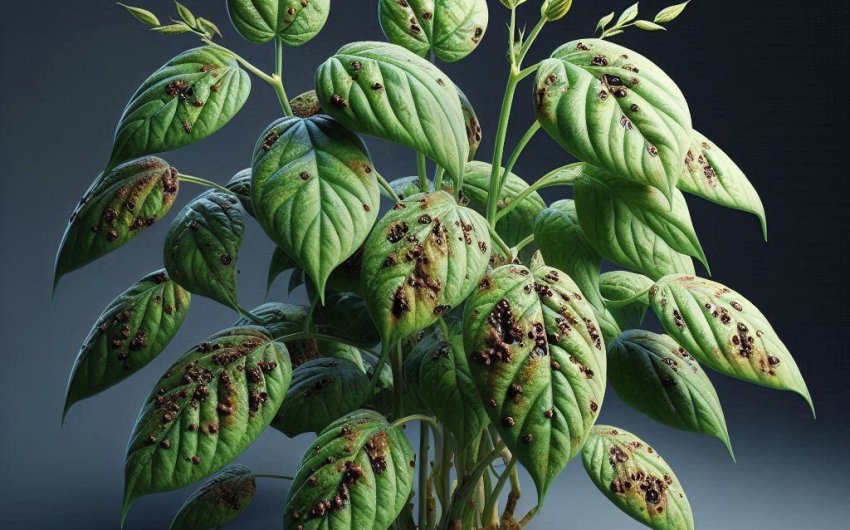
On the leaves of your bean plants, anthracnose typically starts as small, dark spots.
- Early Stages: You might see tiny, dark brown or black spots, often appearing along the veins of the leaf. These spots might be slightly sunken or depressed.
- As It Develops: These spots will grow larger and often merge together. They can become more angular or irregular in shape. The center of these spots might turn a lighter brown or gray, and sometimes you'll see a slightly reddish-purple border around them.
- Severe Infection: In bad cases, the spots can get so numerous that they cause large areas of the leaf to die, turning brown and crispy. The leaves might even look distorted or drop off the plant prematurely.
It's easy to confuse anthracnose with other leaf spots, so look for the slightly sunken nature of the spots and their tendency to follow the leaf veins.
What Does It Look Like on Stems?
The symptoms of anthracnose on the stems of your bean plants are often more damaging than those on the leaves.
- Streaks and Lesions: You'll typically see elongated, sunken spots or streaks that are dark brown to black in color. These can look like cankers.
- Deepening: These lesions can deepen and sometimes wrap around the stem. If a lesion girdles (goes all the way around) a stem, it can cut off the flow of water and nutrients to the parts of the plant above it, causing that part of the plant to wilt and die.
- Seedlings: On young seedlings, anthracnose can cause a problem known as damping-off, where the stem near the soil line rots and the seedling collapses. This is a very serious symptom because it kills the young plant right away.
Checking the stems, especially near the base of the plant, can give you an early warning sign of a severe infection.
What Does It Look Like on Pods?
The symptoms of anthracnose on the bean pods are probably the most recognizable and damaging, as they directly affect the part of the plant you want to eat.
- Sunken Spots with Pinkish Centers: On the pods, you'll see distinct, sunken, circular spots. These spots are usually dark brown or black around the edges. The most telling sign is that the center of these sunken spots might develop a slightly pink or reddish-orange slimy growth, especially in wet conditions. This pinkish material is actually the fungal spores, showing that the disease is actively reproducing.
- Pod Distortion: As the spots grow, they can cause the pods to become twisted or distorted.
- Seed Damage: If the infection is severe, the fungus can grow through the pod wall and infect the developing bean seeds inside. Infected seeds can be discolored, shriveled, or have dark spots on them, making them unsuitable for eating or replanting.
These pod symptoms are often what gardeners first notice and are a clear sign that you are dealing with anthracnose.
How Can I Prevent Anthracnose in My Bean Plants?
Prevention is always the best strategy when it comes to plant diseases like anthracnose. Taking steps before the disease shows up can save you a lot of trouble and heartache.
Why Are Disease-Resistant Varieties Important?
One of the easiest and most effective ways to avoid anthracnose is to choose bean varieties that are naturally resistant to the disease. Plant breeders have worked hard to develop beans that can fight off common diseases.
- Check Seed Packets: When you buy bean seeds, look for varieties that are listed as having resistance to "anthracnose" or "Colletotrichum lindemuthianum." This information is usually on the seed packet or in the seed catalog description.
- Specific Resistances: Some varieties might be resistant to certain "races" of the anthracnose fungus, as there are different types. While knowing the specific race might be more for advanced growers, simply choosing a variety with general anthracnose resistance is a great start for a home gardener.
- Examples: Some varieties known for good resistance include 'Hystyle', 'Black Valentine', 'Contender', 'Provider', and some pole bean varieties like 'Blue Lake'. Always double-check current seed descriptions as resistance can vary.
- Invest in Resistant Seeds: While disease-resistant bean seeds disease-resistant bean seeds might sometimes cost a tiny bit more, the investment is worth it for a healthier harvest.
Choosing resistant varieties doesn't guarantee your beans will never get anthracnose, but it significantly reduces the likelihood and severity of an outbreak.
What is the Role of Certified Disease-Free Seeds?
Even if a variety is resistant, planting infected seeds can bring the disease directly into your garden. This is where certified disease-free seeds come in.
- Source of Infection: Anthracnose spores can live on or inside bean seeds. If you plant these infected seeds, the disease will start growing as soon as the seedling emerges, quickly spreading to other plants.
- Certification: "Certified disease-free" means that the seeds have been tested and found to be free of certain common diseases, including anthracnose. Reputable seed companies go through this process to ensure quality.
- Why It Matters: Using certified disease-free seeds helps break the disease cycle. It prevents the problem from even starting in your garden. This is especially important if you've had anthracnose in your garden before.
- Avoid Saving Seeds from Infected Plants: Never save seeds from bean plants that showed any signs of anthracnose, even mild ones. You will likely be saving and replanting the disease. It's better to purchase fresh, certified seeds each year, especially if you're battling anthracnose.
Using a combination of disease-resistant varieties and certified disease-free seeds gives you a very strong preventative start.
How Does Crop Rotation Help?
Crop rotation is a time-honored gardening practice that involves changing where you plant certain crops each year. It's a fantastic way to break disease cycles.
- Why It Works for Anthracnose: The anthracnose fungus can survive in the soil or on leftover plant debris from infected bean crops for several years. If you plant beans in the same spot year after year, the fungus just builds up and waits for its next meal. By rotating crops, you essentially "starve" the fungus out.
- The Process: Do not plant beans (or peas, which can also be affected by a form of anthracnose) in the same spot more than once every three to four years. Instead, plant other types of vegetables that are not affected by anthracnose in that spot, such as corn, squash, tomatoes, or leafy greens.
- Garden Planning: This requires a bit of planning. You might want to draw a simple map of your garden each year, noting where you planted different vegetables. A garden planner journal can be very helpful for this.
- Smaller Gardens: In very small gardens, a 3-4 year rotation might be difficult. Do your best to rotate as much as possible, or consider container gardening for beans in rotation.
Crop rotation is a cornerstone of organic and sustainable gardening and is highly effective against many soil-borne diseases.
Why is Garden Hygiene Important?
Good garden hygiene, also known as sanitation, is about keeping your garden clean and free of disease-causing materials.
- Remove Plant Debris: At the end of the growing season, or as soon as you notice infected plants, remove all plant debris from the garden. This means pulling up old bean plants, leaves, stems, and any fallen pods. Do not compost diseased plant material unless your compost pile reaches very high temperatures, as the fungus spores can survive in cooler compost. It's safer to bag and discard infected material, or burn it if local regulations allow.
- Clean Tools: Anthracnose spores can easily hitch a ride on your gardening tools, like trowels, hoes, and stakes. After working with infected plants, clean your tools thoroughly. You can wash them with soap and water, then wipe them down with a disinfectant solution, such as a 10% bleach solution (1 part bleach to 9 parts water) or rubbing alcohol. A tool cleaning brush can help.
- Wash Hands/Gloves: Similarly, spores can stick to your hands and gloves. Wash your hands and gloves after handling diseased plants to avoid spreading the fungus to healthy plants.
- Sterilize Stakes: If you use stakes for pole beans, especially wooden ones, ensure they are clean before reusing them. If stakes were used in an infected patch, they might need to be replaced or thoroughly disinfected.
By keeping your garden clean, you remove places where the anthracnose fungus can hide and overwinter, reducing the chance of future outbreaks.
How Does Proper Watering Technique Help?
The anthracnose fungus needs moisture on the plant's surface to infect. This means your watering method can make a big difference.
- Avoid Overhead Watering: Do not use sprinklers that spray water over the entire plant, getting the leaves and stems wet. This creates the perfect environment for spores to germinate and spread.
- Water at the Base: The best way to water bean plants is at their base, directly onto the soil. This keeps the foliage as dry as possible.
- Drip Irrigation or Soaker Hoses: These methods are ideal for preventing anthracnose and other fungal diseases. A drip irrigation system drip irrigation system or a soaker hose delivers water slowly and directly to the plant's root zone, leaving the leaves dry.
- Water in the Morning: If you must use a watering can or hand-held hose, do it in the morning. This gives any water that splashes onto the leaves time to dry completely before evening. Wet foliage overnight is a major contributor to fungal diseases.
- Good Air Circulation: Space your plants appropriately to allow for good air circulation between them. This helps leaves dry faster after rain or dew, making it harder for the fungus to establish. Avoid overcrowding your bean rows.
By controlling moisture on the plant's surface, you make it much harder for anthracnose to get a foothold and spread.
What Are My Options for Treating Anthracnose?
Even with the best preventative measures, sometimes anthracnose can still show up in your bean patch. If you spot symptoms, it's time to take action to manage the disease and try to save your harvest.
Should I Remove Infected Plant Parts?
Yes, absolutely. Removing infected plant parts as soon as you see them is a crucial step in managing an existing anthracnose outbreak. This is often called "pruning out" or "rogueing."
- Stop the Spread: Each spot or lesion on a plant is actively producing spores, especially the pinkish ones on the pods. By removing these infected parts, you are physically taking away the source of new spores and preventing them from spreading to healthy parts of the plant or to neighboring plants.
- How to Do It:
- Early Detection: If you only see a few infected leaves or pods, carefully snip them off using clean pruning shears.
- Severely Infected Plants: If an entire plant is heavily infected, especially if symptoms are on the main stem or many pods, it's usually best to remove the whole plant. This is a tough decision, but it prevents that plant from acting as a massive source of spores for the rest of your garden.
- Dispose Properly: Do NOT put infected plant parts in your compost pile unless you're sure your compost reaches high enough temperatures to kill pathogens. For most home composters, it's safer to bag and discard infected material in the trash or burn it if allowed.
- Clean Tools: Always clean and disinfect your pruning shears or any tools after cutting away diseased plant material to avoid spreading the fungus to healthy plants. Wipe them with a rubbing alcohol pad or a 10% bleach solution.
This method is most effective when the disease is caught very early and is limited to a few spots or plants.
When Can Fungicides Be Used?
Fungicides are chemical or organic compounds designed to kill or inhibit fungi. They can be a tool in your fight against anthracnose, but they are usually a last resort for home gardeners or for very severe outbreaks.
- Preventative vs. Curative: Most fungicides work best as a preventative measure, meaning they create a protective barrier on the plant's surface to stop spores from germinating. They are less effective at curing existing infections once the fungus is already deep within the plant tissue.
- Types of Fungicides:
- Copper-based Fungicides: Many organic gardeners opt for copper-based fungicides copper-based fungicides. These are broad-spectrum and can help control many fungal and bacterial diseases.
- Neem Oil: While primarily an insecticide, neem oil neem oil has some fungicidal properties and can act as a deterrent. It's often used by organic gardeners.
- Synthetic Fungicides: There are also various synthetic chemical fungicides available. These are often more potent but may have more environmental considerations.
- Application:
- Timing is Key: If you choose to use a fungicide, apply it at the first sign of disease, or even preventatively if you know anthracnose is a recurring problem in your garden and conditions are favorable for its spread (e.g., prolonged cool, wet weather).
- Thorough Coverage: You need to get thorough coverage of all plant surfaces—tops and undersides of leaves, stems, and developing pods—for the fungicide to be effective.
- Follow Instructions: Always read and strictly follow the label instructions for any fungicide product regarding mixing rates, application frequency, safety precautions, and the "days to harvest" interval (PHI - Pre-Harvest Interval), which is the time you must wait between applying the product and harvesting edible parts.
- Limitations: Fungicides won't "cure" already damaged parts of the plant, and they need to be reapplied regularly, especially after rain, to maintain their protective barrier. They should be considered part of an integrated approach, not the sole solution.
For organic gardeners or those who want to avoid chemicals, focusing on prevention and cultural practices (like resistant varieties, seed selection, rotation, and watering) is usually sufficient for anthracnose management.
Can Biological Controls Help?
Biological controls use beneficial microorganisms or natural compounds to fight plant diseases. While less common for anthracnose in home gardens compared to other diseases, some products are emerging.
- Beneficial Microbes: Some products contain beneficial bacteria or fungi that can outcompete or directly suppress plant pathogens. For example, certain Bacillus subtilis strains are known to have fungicidal properties. These might be sold as biological fungicides biological fungicides.
- Compost Tea: While not a proven scientific cure for specific diseases like anthracnose, some gardeners swear by the use of aerated compost tea as a general plant tonic and a way to introduce beneficial microbes to the plant and soil, which can enhance plant health and resistance to diseases. However, scientific evidence for its efficacy against specific diseases like anthracnose is mixed.
- Mode of Action: These products work by forming a protective layer on the plant surface, consuming resources that the harmful fungus would need, or by producing compounds that are toxic to the pathogen.
- Prevention Focused: Like conventional fungicides, most biological controls are more effective as a preventative measure rather than a cure for established, severe infections. They are part of a proactive approach to building a healthy soil and plant ecosystem.
- Availability: Look for products labeled for use against fungal diseases on vegetables in your local garden center or online. Read reviews and product descriptions carefully to see if they specifically target or are effective against Colletotrichum species.
Biological controls are an appealing option for organic gardeners and those looking for environmentally friendly solutions, but they require consistent application and may not be as immediately potent as synthetic chemicals for severe outbreaks.
What Else Can I Do to Support My Bean Plants?
Beyond directly tackling anthracnose, ensuring your bean plants are generally healthy and vigorous can help them resist disease and recover from any stress they experience. A strong plant is better equipped to fight off problems.
How Does Proper Nutrition Affect Disease Resistance?
Just like humans, plants need a balanced diet to stay healthy and strong. Proper nutrition makes your bean plants more resilient to diseases like anthracnose.
- Balanced Fertilization: Don't over-fertilize, especially with too much nitrogen. While nitrogen promotes leafy green growth, too much can make plants soft and more susceptible to diseases. A balanced fertilizer (like 5-10-10 or a formulation with more phosphorus and potassium) is often recommended for fruiting vegetables like beans to support flower and pod development. A balanced vegetable fertilizer works well.
- Micronutrients: Ensure your soil has adequate micronutrients. Deficiencies in certain nutrients (like calcium or boron) can weaken cell walls, making plants more vulnerable. A good organic compost or a fertilizer that includes micronutrients can help.
- Soil Health: Focus on building healthy soil over time with plenty of organic matter. Healthy soil is teeming with beneficial microorganisms that can actually help suppress disease-causing fungi. Adding compost to your garden beds annually is one of the best things you can do for long-term plant health.
A well-fed plant is a happy plant, and a happy plant is better at resisting diseases.
Does Air Circulation Play a Role?
Yes, good air circulation is incredibly important in preventing and managing fungal diseases like anthracnose.
- Drying Power: Remember, anthracnose spores need moisture on the plant's surface to germinate and infect. Good air circulation helps the leaves, stems, and pods dry quickly after rain, dew, or watering. When plants dry faster, the fungus has less time to get established.
- Proper Spacing: When planting your beans, follow the recommended spacing on your seed packet. Avoid overcrowding your rows or individual plants. Giving them enough room allows air to flow freely between them.
- Support for Vining Beans: For pole beans, use sturdy trellises or stakes. A bean trellis kit can help. This keeps the vines off the ground, improves air circulation, and reduces contact with wet soil.
- Pruning Lower Leaves (Carefully): Sometimes, for very dense bush bean plants, carefully removing a few lower leaves that are consistently touching the soil can help improve air circulation at the base of the plant. Do this sparingly and only if truly needed, as leaves are essential for photosynthesis.
Anything that helps keep the foliage dry will make it harder for anthracnose to spread.
Why Monitor Regularly?
Regular monitoring of your bean plants is probably the simplest, yet most effective, ongoing strategy.
- Early Detection: The earlier you spot symptoms of anthracnose, the better your chances of managing it effectively. Small outbreaks are much easier to control than widespread infections.
- Observe Your Plants: Make it a habit to walk through your bean patch every day or every other day, closely inspecting leaves, stems, and especially developing pods. Look for any unusual spots, lesions, or discoloration.
- Respond Quickly: If you see any suspicious signs, don't wait. Implement the treatment steps immediately, starting with removing infected parts and reviewing your watering practices.
- Environmental Cues: Pay attention to the weather. If you have a period of cool, wet, or humid weather, be extra vigilant with your monitoring, as these conditions are prime for anthracnose development.
Regular vigilance allows you to be proactive rather than reactive, giving your bean plants the best chance to thrive and produce a bountiful, disease-free harvest.