
What Causes Scab Disease on Apple Trees and How Do I Treat It?
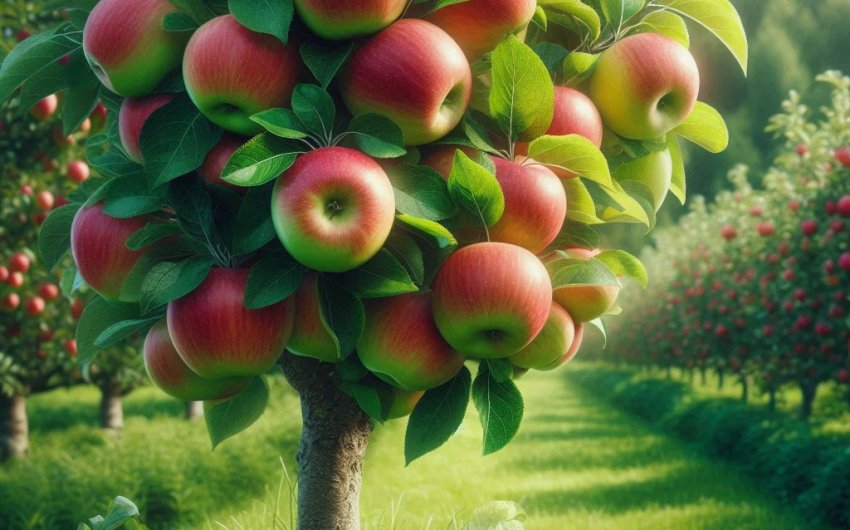
Apple trees are a favorite in many orchards and backyards, gracing us with crisp, delicious fruit. However, these beloved trees are susceptible to a common and frustrating ailment known as apple scab. This fungal disease can wreak havoc on your harvest, turning beautiful apples into spotted, unappetizing fruit. Understanding what causes apple scab and how to effectively manage it is key to maintaining a healthy and productive apple tree.
The sight of dark, velvety spots on leaves, fruit, and even twigs can be disheartening for any apple grower. These blemishes aren't just cosmetic; severe infections can lead to stunted growth, premature fruit drop, and an overall weakening of the tree. Taking proactive steps and knowing the right treatments can make all the difference in protecting your apple crop from this pervasive pathogen.
What Causes Apple Scab on Apple Trees?
Apple scab is caused by a tiny fungus called Venturia inaequalis. This fungus loves cool, wet weather, which makes it a common problem in many apple-growing regions. It’s like a tiny, invisible enemy waiting for the perfect conditions to attack your trees.
How Does the Apple Scab Fungus Spread?
The life cycle of the apple scab fungus starts in fallen leaves and fruit from the previous year. Imagine tiny fungal spores, microscopic seeds, nestled within this decaying plant material. As spring arrives and temperatures rise, these spores mature and are ready to launch their assault.
When spring rains begin, these mature spores are shot into the air, carried by wind and splashing water. They can travel surprisingly far, seeking out new, healthy apple leaves and fruit to infect. Think of it as a stealthy aerial invasion. Once these spores land on a susceptible part of the apple tree, and if there’s enough moisture for a certain amount of time, they begin to germinate. This means they start to grow, like a tiny seed sprouting. The amount of time leaves need to stay wet for infection to occur depends on the temperature. For example, at 50 degrees Fahrenheit, leaves need to be wet for about 9 hours for infection to happen. This period is known as the leaf wetness duration and is critical for the disease to take hold.
Once the fungus successfully infects the plant tissue, it starts to grow and reproduce, forming visible spots. These spots are actually lesions where the fungus is actively multiplying. From these lesions, new spores, called conidia, are produced. These conidia are like a second wave of attack. They are easily spread by wind and rain to other parts of the same tree or to neighboring trees, leading to more infections throughout the growing season. This cycle of infection and reinfection can continue as long as conditions remain favorable, especially during periods of frequent rain and moderate temperatures. This is why apple scab can seem to explode during a wet spring and early summer.
What Conditions Favor Apple Scab Development?
As mentioned, the apple scab fungus thrives in specific environmental conditions. Understanding these conditions helps you predict when the disease is most likely to become a problem and allows you to take preventative measures.
- Moisture is Key: This is the most crucial factor. The fungus needs water to germinate and infect plant tissues. Extended periods of leaf wetness are highly conducive to scab development. This means long dew periods, frequent rains, or even persistent fog can create the perfect environment for the fungus to flourish. Think of it this way: if your leaves are consistently damp, the fungus has ample opportunity to get a foothold.
- Cool to Moderate Temperatures: While moisture is paramount, temperature also plays a significant role. The apple scab pathogen prefers temperatures between 60 and 70 degrees Fahrenheit (15-21 degrees Celsius). This is why spring and early summer are often the peak times for infections. Temperatures that are too hot or too cold can slow down or stop the fungus from spreading.
- Poor Air Circulation: Trees that are planted too close together or have dense, unpruned canopies tend to trap moisture, creating microclimates that are ideal for the fungus. Good air circulation helps leaves dry out more quickly after rain or dew, reducing the amount of time the fungus has to infect. Imagine a crowded room where air doesn't move – it stays humid. The same applies to a dense apple tree.
- Susceptible Apple Varieties: Not all apple trees are equally vulnerable to apple scab. Some varieties have natural resistance, while others are highly susceptible. Planting scab-resistant apple varieties is one of the best long-term strategies for managing this disease. If you have a highly susceptible variety, you'll likely face more challenges.
How Do I Identify Apple Scab Symptoms?
Spotting apple scab early is crucial for effective treatment. The symptoms change slightly depending on which part of the tree is infected and how far along the disease has progressed.
Symptoms on Leaves
The most common place to first notice apple scab is on the leaves. These symptoms typically appear shortly after the first infections in spring.
- Small, Olive-Green Spots: Initially, you'll see small, slightly raised spots on the upper surface of the leaves. These spots are usually olive-green in color and have a somewhat fuzzy or velvety texture. They often appear first along the veins of the leaf.
- Darkening and Enlarging Lesions: As the disease progresses, these spots will grow larger and turn a darker, brownish-black color. The velvety texture becomes more pronounced. In severe cases, multiple lesions may merge together, covering large portions of the leaf.
- Leaf Distortion and Drop: Heavily infected leaves may become puckered, curled, or distorted. If the infection is severe, the leaves may turn yellow and drop prematurely. This premature defoliation can weaken the tree, reduce its ability to produce food through photosynthesis, and impact the size and quality of the fruit. Imagine a solar panel losing its power.
Symptoms on Fruit
The spots on the fruit are what most growers notice and are often the most disheartening, as they directly impact the marketability and edibility of the apples.
- Dark, Circular Lesions: On young fruit, the lesions appear as small, dark, circular spots. These spots also have that characteristic velvety, olive-green to brownish-black texture.
- Scabbing and Cracking: As the fruit grows, the infected tissue does not expand at the same rate as the healthy tissue. This causes the spots to become rough, corky, and scab-like. The lesions may also crack, creating entry points for other opportunistic diseases, such as black rot or fruit rot, which can further spoil the apple. These cracks are often a major issue as they compromise the fruit's integrity.
- Fruit Distortion: Severe infections on young fruit can lead to deformed or misshapen apples. The fruit may also drop prematurely, especially if infected early in its development. This loss of fruit can significantly reduce your harvest.
- Lesions on Mature Fruit: On mature fruit, the spots tend to be smaller, blacker, and more superficial, appearing as small, dark specks. While not as disfiguring as early infections, they still reduce the aesthetic appeal and storage life of the apples.
Symptoms on Twigs and New Shoots
While less common, apple scab can also infect the woody parts of the tree, especially on highly susceptible varieties or in areas with very severe infections.
- Blistered Lesions: On twigs and new shoots, the lesions appear as small, raised blisters. These blisters typically burst, revealing the same velvety, olive-green to black fungal growth.
- Cankers and Dieback: In more severe cases, these lesions can develop into cankers, which are sunken, dead areas on the bark. If a canker girdles (goes all the way around) a twig or branch, it can lead to dieback of the branch beyond that point. This can affect the overall structure and health of the tree.
How Do I Treat Apple Scab on Apple Trees?
Treating apple scab effectively requires a multi-pronged approach that combines sanitation, cultural practices, and, when necessary, fungicidal applications. It’s about being proactive and consistent.
Cultural and Sanitation Practices
These are your first line of defense and are crucial for reducing the amount of inoculum (the fungal spores) present in your orchard or garden. Think of it as cleaning house before the guests arrive.
- Fall Cleanup: This is perhaps the most important sanitation step. The primary source of the fungus for the following spring is infected leaves that have fallen to the ground. Raking and removing all fallen leaves and fruit in the autumn is critical. You can compost these materials, bury them, or dispose of them off-site. Do not leave them under the tree. Using a leaf rake can make this task easier.
- Pruning for Air Circulation: Proper pruning not only helps the tree grow better but also plays a vital role in disease prevention. Prune your apple trees annually to open up the canopy and improve air circulation. This allows leaves to dry more quickly after rain or dew, reducing the time that the fungus has to infect. Remove crossing branches, water sprouts, and any dead or diseased wood. A good set of pruning shears is essential for this task. Aim for an open structure that allows sunlight and air to penetrate all parts of the tree.
- Mowing Under Trees: If you can’t rake all the leaves, mowing over them frequently in the fall and early spring can help break them down. This speeds up decomposition and reduces the number of viable spores that can be released.
- Avoid Overhead Watering: If you irrigate your apple trees, try to use drip irrigation or soaker hoses instead of overhead sprinklers. Overhead watering wets the foliage and fruit, creating ideal conditions for scab development. You want to deliver water directly to the roots without wetting the leaves.
- Choosing Resistant Varieties: If you are planting new apple trees or replacing old ones, opt for scab-resistant apple varieties. Many excellent varieties have been bred to resist Venturia inaequalis. Some popular resistant choices include 'Liberty', 'Freedom', 'Goldrush', 'Prima', 'Enterprise', and 'William's Pride'. While no variety is 100% immune, these varieties will significantly reduce your need for chemical interventions and make management much easier. This is the most proactive step you can take.
Fungicidal Treatments
For orchards with a history of severe apple scab or for highly susceptible varieties, fungicides are often necessary to protect the crop. Timing is extremely important when applying fungicides for apple scab.
Timing of Applications (Critical Periods):
- Dormant Oil Application: Some growers apply a dormant oil spray (like a horticultural oil) in late winter or early spring before bud break. While primarily for insect control, it can smother some overwintering fungal spores on the bark and dormant buds, providing a very early start to disease management.
- Pre-Bloom to Petal Fall (Most Critical): This is the most crucial period for apple scab control. Primary infections occur when spores are released from fallen leaves in spring, starting around green tip (when leaf buds begin to show green) and continuing through petal fall (when the majority of flower petals have dropped). This period typically lasts about 6-8 weeks. You'll need to apply fungicides repeatedly during this time, often every 7-10 days, or immediately after a prolonged wetting event, especially if rain is predicted. The goal is to protect new growth as it emerges.
- Cover Sprays (Post-Bloom): After petal fall, secondary infections can occur as new spores are produced on infected leaves. Continue with "cover sprays" if wet conditions persist and you see signs of active infection. These sprays are less frequent than pre-bloom applications but still important for keeping the disease in check, especially in humid or rainy summers.
- Summer Protection: In dry summers, you might not need many additional sprays. However, if summer rains are common, especially as the fruit develops, occasional sprays might be beneficial to prevent late-season fruit scab, which impacts storage.
Types of Fungicides:
- Contact Fungicides: These fungicides form a protective barrier on the plant surface. They need to be applied before infection occurs and thoroughly coat all plant parts. Examples include captan (a common garden fungicide, a captan fungicide is often used) and mancozeb. They wash off with rain, so reapplication is needed after significant rainfall.
- Systemic (or Penetrant) Fungicides: These fungicides are absorbed into the plant tissue and move within the plant. They can provide both protective and limited curative (after infection has started but before visible symptoms are widespread) action. Examples include products with active ingredients like myclobutanil (often found in Spectracide immunox) or propiconazole. Because the fungus can develop resistance to systemic fungicides, it's often recommended to alternate between different chemical classes or use combination products. This rotation helps prevent the fungus from becoming resistant to any one type of fungicide.
- Organic Options: For organic growers, Bordeaux mixture (a combination of copper sulfate and lime) and sulfur are traditional options. Copper fungicides like copper fungicide spray are effective, but can sometimes cause phytotoxicity (plant damage) if applied improperly or in very hot weather. Sulfur fungicide is also effective, particularly as a preventative, but can also cause damage to some apple varieties if applied when temperatures are too high. Always read the label carefully for application instructions and precautions. Newer organic options include products based on beneficial microbes, like Bacillus subtilis.
Application Tips:
- Read the Label: Always, always read and follow the instructions on the fungicide label carefully. This includes mixing ratios, application rates, safety precautions, and pre-harvest intervals (PHI) – the time you must wait between the last spray and harvesting the fruit.
- Good Coverage: Ensure thorough coverage of all leaf surfaces (top and bottom) and developing fruit. A good garden sprayer that can create a fine mist is beneficial.
- Weather Conditions: Apply fungicides when rain is not imminent for at least a few hours, and avoid spraying during high winds to prevent drift. Also, be mindful of temperature restrictions for certain products, especially sulfur and copper.
- Record Keeping: Keep a record of when you sprayed, what product you used, and the weather conditions. This helps you track effectiveness and plan future applications.
Monitoring and Prevention Strategies
Ongoing monitoring is essential to catch early signs of apple scab and adjust your treatment plan as needed. Prevention is always better than cure, so integrating these strategies will help you stay ahead of the disease.
Regular Tree Inspection
Make it a habit to walk through your apple trees regularly, especially during the spring and early summer. Look closely at the leaves, twigs, and developing fruit.
- Early Detection: Catching the first few spots on leaves can allow you to react quickly and prevent the disease from spreading widely. Early detection means you can often target your treatments more precisely and potentially reduce the overall amount of fungicide needed.
- Weekly Checks: During critical periods (green tip through petal fall, and during any prolonged wet spells), check your trees at least once a week. This allows you to observe any new symptoms or signs of disease progression.
- Focus on New Growth: Pay particular attention to new leaves and young fruit, as these are generally the most susceptible to primary infections.
Understanding Disease Forecasts
Some agricultural extension services and weather apps provide apple scab risk forecasts. These forecasts use local weather data (temperature and leaf wetness duration) to predict when conditions are favorable for infection.
- Horticultural Resources: Look for resources from your local university extension or agricultural department. They often have tailored advice and forecast models for your specific region.
- Disease Predictive Models: These models can tell you when infection periods are occurring, helping you decide exactly when to apply fungicides for maximum effectiveness. Knowing when an infection period has occurred (or is predicted to occur) can help you decide if a protective spray is needed, or if a "post-infection" or "kick-back" spray with a systemic fungicide would be beneficial to stop the infection from developing further.
Integrated Pest Management (IPM) Approach
An Integrated Pest Management (IPM) approach means using a combination of strategies to control pests and diseases, rather than relying solely on one method. For apple scab, IPM combines all the cultural practices, resistant varieties, and judicious use of fungicides.
- Holistic View: Think about the entire orchard ecosystem. Healthy trees are more resilient.
- Minimize Chemical Use: The goal of IPM is to minimize the use of pesticides and fungicides whenever possible, reducing environmental impact and promoting beneficial organisms. This often means relying heavily on cultural practices and resistant varieties first.
- Scout and Identify: Correctly identifying apple scab is paramount. Don't spray just because it's Tuesday; spray because the conditions warrant it or symptoms are present.
- Thresholds: While harder for backyard growers, commercial orchards often use disease thresholds – meaning they only spray when the risk of disease reaches a certain level, rather than on a strict schedule. This reduces unnecessary applications.
Long-Term Management
Successfully managing apple scab is a long-term commitment. It's not a one-time fix but an ongoing process.
- Consistent Sanitation: Make fall cleanup a yearly ritual. Consistency in removing infected leaves will significantly reduce the amount of inoculum year after year.
- Proper Pruning: Regular, thoughtful pruning will ensure good air circulation and tree health for the life of the tree.
- Variety Selection: If you have highly susceptible varieties, be prepared for consistent management. If you are planting new trees, prioritizing scab-resistant varieties will save you a lot of trouble in the long run.
- Stay Informed: Keep up-to-date with the latest research and recommendations from agricultural experts in your region. Disease management strategies can evolve, and new, more effective methods may become available.
By understanding the causes, recognizing the symptoms, and implementing a comprehensive management plan, you can protect your apple trees from the persistent threat of apple scab. It takes effort and consistency, but the reward of a healthy harvest of blemish-free apples is well worth it.