
Why Are My Spider Plants Developing Brown Leaf Tips and How Can I Correct It?
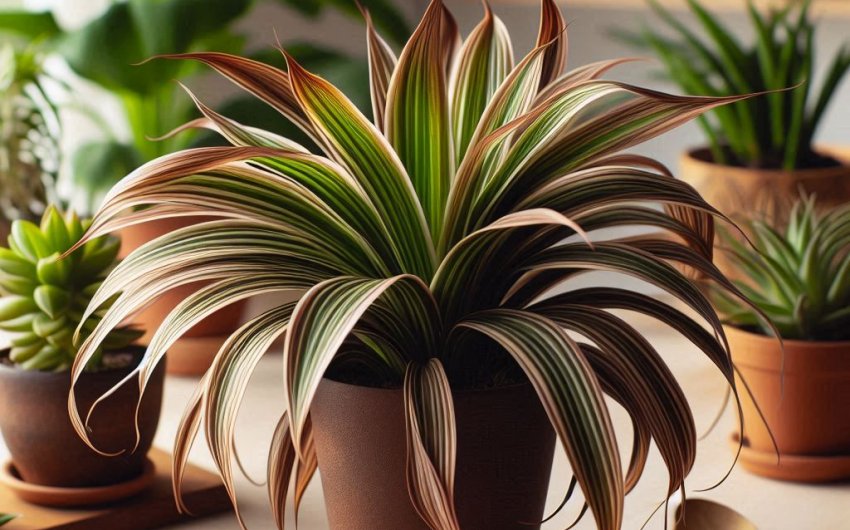
Spider plants are incredibly popular houseplants, and for good reason! They're easy to care for, grow quickly, and even produce adorable "spiderettes" that you can share with friends. Their long, arching leaves, often variegated with green and white stripes, add a lovely touch of greenery to any room. However, even these seemingly carefree plants can sometimes show signs of distress. One of the most common complaints among spider plant owners is the appearance of brown leaf tips. It can be a bit disheartening to see those crisp, discolored ends on what should be lush, vibrant foliage.
Don't worry, seeing brown leaf tips on your spider plant doesn't mean you're a bad plant parent! It's actually a very common issue, and most of the time, it's quite easy to fix once you understand the cause. Think of those brown tips as your plant's way of telling you it needs a little adjustment to its environment or routine. By understanding what triggers this problem, you can quickly get your spider plant back to its beautiful, tip-top shape. Let's dive into the common reasons behind brown leaf tips and how to give your spider plant exactly what it needs.
Why Are My Spider Plant Leaf Tips Turning Brown?
Those brown leaf tips are usually a clear sign that your spider plant isn't getting exactly what it needs from its environment. Most of the time, the problem boils down to a few key factors related to water, air, or minerals. Let's break down the most common culprits.
1. Tap Water Troubles: Fluoride and Chlorine
This is, by far, the most frequent reason for brown leaf tips on spider plants.
What's the Problem with Tap Water?
Many municipal water sources contain chemicals like fluoride and chlorine. While these are safe for us to drink, spider plants are particularly sensitive to them.
- Fluoride: Spider plants are notoriously sensitive to fluoride. It builds up in the plant's tissues and can cause toxicity, which often shows up as brown, crispy tips.
- Chlorine: While generally less problematic than fluoride, chlorine can also contribute to leaf tip browning, especially if the levels are high in your tap water.
How Does It Cause Browning?
These chemicals accumulate in the leaves, especially at the tips where water evaporates. As they build up, they damage the leaf cells, leading to that characteristic brown, crispy appearance.
2. Low Humidity
Spider plants are tropical plants by nature, meaning they thrive in environments with higher humidity than most homes provide.
Why is Humidity Important?
Plants absorb water not just through their roots but also from the air through their leaves. In low humidity, plants lose moisture more quickly through a process called transpiration.
How Does Low Humidity Cause Browning?
When the air is too dry, the plant works harder to pull moisture from its roots to replace what's lost from its leaves. If it can't keep up, the tips of the leaves, being the furthest from the water source, dry out and turn brown. This is especially true if your plant is near a heating vent or an air conditioner that dries out the air.
3. Underwatering
While spider plants don't like soggy soil, they also don't like to be completely dried out for long periods.
How Does Underwatering Cause Browning?
If the soil dries out too much between waterings, the roots can't absorb enough water to keep the entire plant hydrated. Again, the leaf tips are the first to suffer because they are the furthest points from the root system's water supply. The browning caused by underwatering is often accompanied by the entire leaf looking a bit dull or droopy.
4. Overwatering (Less Common for Tips, More for Whole Leaves)
While overwatering typically leads to yellowing leaves and root rot, it can sometimes contribute to brown tips indirectly by stressing the plant.
How Can Overwatering Cause Browning?
Soggy soil deprives roots of oxygen, causing them to suffocate and rot. When roots are damaged, they can't effectively take up water and nutrients, leading to stress that might manifest as brown tips, though yellowing and overall decline are more common. Always ensure your pot has drainage holes.
5. Excess Fertilizer or Salt Buildup
Fertilizer contains mineral salts that plants use as food. But too much of a good thing can be harmful.
How Does Excess Fertilizer Cause Browning?
If you fertilize too often, use too strong a solution, or don't flush the soil regularly, these salts can build up in the potting mix. This salt buildup can actually draw moisture out of the plant's roots, essentially dehydrating them, and leading to brown, crispy tips. The salts also get transported to the leaf tips where water evaporates, leaving behind concentrated salt deposits that burn the tissue.
6. Too Much Direct Sunlight
Spider plants prefer bright, indirect light. Direct, intense sunlight can be too harsh for their delicate leaves.
How Does Too Much Sun Cause Browning?
Direct sun can literally scorch the leaves, causing them to dry out and turn brown, especially at the tips and edges. This browning will often look more like a sunburn, sometimes with bleached areas, rather than just isolated tips.
How Can I Correct Brown Leaf Tips on My Spider Plant?
Now that you know the common reasons, let's look at how to fix those brown leaf tips and keep your spider plant happy and healthy.
1. Water Smarter: The Key to Happy Spider Plants
Changing your watering habits is often the quickest way to see improvement.
Use Filtered, Distilled, or Rainwater
- Filtered Water: If you have a water filter pitcher or a filter on your tap, this can help remove some of the chlorine and fluoride. A Brita Water Filter Pitcher can make a big difference.
- Distilled Water: This is pure water with all minerals and chemicals removed. It's an excellent choice but can be costly for large plants.
- Rainwater: If you can collect it, rainwater is naturally free of chlorine and fluoride and is ideal for spider plants.
- Aged Tap Water: If none of the above are feasible, fill a watering can or open bucket with tap water and let it sit uncovered for at least 24 hours. This allows much of the chlorine to evaporate. While it won't remove fluoride, it's better than direct tap water.
Water Thoroughly When Needed
- Check Soil Moisture: Don't water on a strict schedule. Instead, feel the soil. Stick your finger 1-2 inches deep into the soil. If it feels dry, it's time to water.
- Water Until it Drains: When you do water, water thoroughly until you see water draining from the bottom of the pot. This helps flush out any accumulating salts.
- Don't Let it Sit in Water: Never let your spider plant sit in standing water in its saucer. This can lead to root rot. Empty the saucer after watering.
- Frequency: In general, you might water every 7-10 days in warmer months and less often (every 2-3 weeks) in cooler months when the plant's growth slows down.
2. Boost Humidity
Increasing the humidity around your spider plant can make a significant difference.
Mist Your Plant Regularly
- Use a fine mist sprayer to mist your spider plant's leaves daily, or several times a week. This provides temporary humidity. A good plant mister can be very helpful.
Use a Pebble Tray
- Place a tray filled with pebbles and water beneath your plant's pot. Make sure the bottom of the pot doesn't sit directly in the water (you want the evaporation to create humidity, not drown the roots).
Group Plants Together
- Plants naturally release moisture into the air. Grouping several houseplants together can create a small humid microclimate.
Consider a Humidifier
- If your home is consistently very dry, especially in winter with heating systems running, a room humidifier can benefit both your plants and your own comfort.
3. Flush the Soil and Rethink Fertilizing
Addressing salt buildup is crucial for long-term health.
Flush the Soil Regularly
- Every 2-3 months, take your spider plant to a sink or shower. Slowly pour a large volume of non-chlorinated water through the potting mix for several minutes (at least 5-10 minutes, or until the amount of water equals 2-3 times the volume of the pot). This helps rinse away accumulated mineral salts.
Fertilize Appropriately
- Less is More: Spider plants are not heavy feeders. Fertilize only during their active growing season (spring and summer), typically once a month or every other month.
- Diluted Strength: Use a balanced liquid houseplant fertilizer at half or even quarter strength. A common option is Miracle-Gro Indoor Plant Food, but remember to dilute it well.
- Avoid Fertilizing in Winter: Do not fertilize during fall and winter when the plant's growth naturally slows down.
4. Adjust Lighting
If your spider plant is showing signs of sunburn along with brown tips, its light might be too intense.
Move to Indirect Bright Light
- Ideal Spot: Place your spider plant in a spot where it receives bright, indirect light. This means a location near a window that doesn't get harsh, direct sun for extended periods. An east-facing window is often ideal, or a few feet away from a south or west-facing window.
- Sheer Curtains: If you only have sunny windows, use sheer curtains to diffuse the light.
5. Prune Brown Tips (Purely Cosmetic)
While pruning won't fix the underlying issue, it can improve the look of your plant.
How to Prune:
- Use clean, sharp scissors.
- Cut off only the brown part of the leaf tip, following the natural shape of the leaf. Try to leave a tiny bit of brown to avoid cutting into the green, healthy tissue, which could cause further browning.
- This is purely for aesthetics; it won't harm or help the plant beyond making it look tidier.
What Else Should I Consider for a Healthy Spider Plant?
Beyond fixing brown tips, keeping these general care tips in mind will ensure your spider plant flourishes.
Potting Mix and Drainage
- Well-Draining Mix: Always use a high-quality, well-draining potting mix. A standard houseplant mix or a mix with added perlite for extra drainage is excellent.
- Drainage Holes: Ensure your pot has adequate drainage holes. This is non-negotiable for spider plant health.
Repotting
- When to Repot: Spider plants like to be a little root-bound, but if roots are coming out of the drainage holes or growth slows significantly, it might be time to repot.
- Size Up Gradually: Only move up one pot size (e.g., from a 6-inch to an 8-inch pot). Too large a pot can hold too much moisture, leading to issues.
- Fresh Soil: Repotting provides an opportunity to give your plant fresh nutrients and aerate the root ball.
Temperature
- Ideal Range: Spider plants prefer temperatures between 65-80°F (18-27°C).
- Avoid Extremes: Protect them from sudden temperature drops, cold drafts, and placement directly near heating or AC vents.
Dealing with Pests (Rarely a Cause of Brown Tips)
While not usually the cause of brown tips, occasional pests can weaken a plant.
- Common Pests: Keep an eye out for spider mites, mealybugs, and scale insects.
- Inspection: Regularly inspect the undersides of leaves and leaf axils.
- Treatment: If you spot pests, treat with neem oil or insecticidal soap according to product instructions. A common option is Garden Safe Brand Insecticidal Soap Insect Killer.
By consistently providing your spider plant with the right type of water, sufficient humidity, appropriate fertilization, and indirect bright light, you'll tackle those brown leaf tips and ensure your plant stays lush, vibrant, and continues to produce those charming little spiderettes for years to come. Remember, a little attention to detail goes a long way in keeping your green companions happy.