
How Do I Prevent Rust on My Hollyhock Plants?
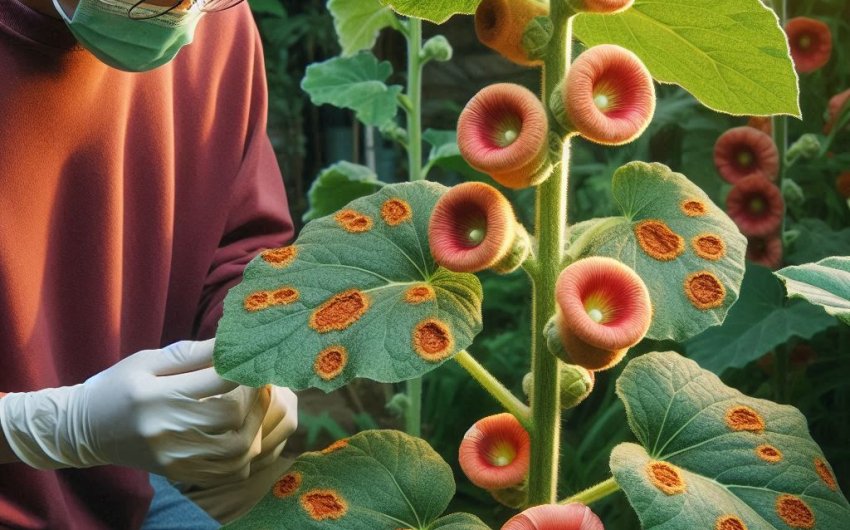
Hollyhock rust can be a disheartening sight for gardeners who adore these classic, towering blooms. While their stately presence and vibrant flowers make them garden favorites, rust disease is a common and often persistent foe. This fungal infection, easily identified by its distinctive orange or brown pustules on leaves and stems, can weaken plants, stunt their growth, and significantly reduce their floral display. Understanding how to prevent rust on your hollyhock plants is essential for keeping these beauties healthy and vibrant, allowing them to truly shine in your garden. This guide provides comprehensive strategies, from proactive measures to effective treatments, to help you combat this pervasive problem.
What is Hollyhock Rust and Why is it a Problem?
Before diving into prevention, it's crucial to understand what hollyhock rust is and why it's such a common issue for these particular plants. Knowing your enemy helps you fight it more effectively.
What Causes Hollyhock Rust?
Hollyhock rust is caused by a specific fungus called Puccinia malvacearum. This fungus is obligate, meaning it can only survive and reproduce on living hollyhock plants (and other plants in the mallow family). It does not require an alternate host to complete its life cycle, which makes it particularly persistent in areas where hollyhocks are grown year after year. The fungus spreads through spores, which are carried by wind, splashing water, or even on gardening tools and clothing.
How Do You Identify Hollyhock Rust?
Identifying hollyhock rust is relatively easy due to its distinct appearance. Look for:
- Orange or Yellow Spots: Small, raised, orange or yellowish spots (pustules) appearing on the undersides of leaves, especially lower leaves first.
- Rust-Colored Pustules: As the disease progresses, these spots mature into raised, powdery, rust-colored (reddish-brown) pustules. When touched, these pustules release spores that look like fine rust-colored powder.
- Yellow/Brown Spots on Top: On the upper surface of the leaves, directly above the pustules, you'll see yellow or brown spots or lesions.
- Stem and Petiole Infection: In severe cases, the rust pustules can also appear on stems, petioles (leaf stalks), and even flower bracts.
- Distorted or Dying Leaves: Severely infected leaves may yellow, wilt, curl, become distorted, and eventually dry up and fall off.
Why is Hollyhock Rust Such a Common Problem?
Several factors contribute to hollyhock rust being so prevalent:
- Susceptibility: All varieties of Alcea rosea (common hollyhock) are highly susceptible to this specific rust fungus. There are few truly resistant varieties.
- Fungus Persistence: The fungus can overwinter as spores on dead plant debris, on living perennial hollyhock tissue, or even on seeds. This means it can easily re-infect plants year after year.
- Environmental Conditions: Like many fungi, hollyhock rust thrives in cool, moist conditions, especially with long periods of leaf wetness. Overcast days, crowded plants, and overhead watering create ideal conditions for spore germination and spread.
- Wind and Water Dispersal: Spores are easily carried by wind over long distances and splash onto healthy leaves during watering or rain.
What Are the Best Cultural Practices for Preventing Hollyhock Rust?
The most effective approach to preventing hollyhock rust involves a series of proactive cultural practices that reduce the conditions favorable for fungal growth and spread. These methods focus on garden hygiene and creating an environment where the fungus struggles to thrive.
How Does Proper Spacing Prevent Rust?
Proper plant spacing is fundamental for rust prevention.
- Air Circulation: When plants are too close together, air flow is restricted. This keeps leaves wet for longer periods after rain or watering, creating the perfect humid environment for fungal spores to germinate and infect.
- Recommended Spacing: Space your hollyhock plants according to the mature size listed on the seed packet or plant tag, typically 2-3 feet apart. This allows for ample air circulation around and between plants, helping leaves dry quickly. Even if your garden looks a bit sparse when the plants are young, resist the urge to plant them closer. They will fill in!
How Does Water Management Reduce Rust Risk?
Watering techniques play a critical role in controlling hollyhock rust.
- Water at the Base: Always aim to water the base of the plant, directly at the soil level, using a soaker hose or drip irrigation system. Avoid overhead watering (using sprinklers), which wets the foliage and creates ideal conditions for fungal spores.
- Water in the Morning: If overhead watering is unavoidable, do it in the early morning. This gives the leaves plenty of time to dry out completely before evening, reducing the period of leaf wetness overnight when fungal growth is most active.
- Ensure Good Drainage: Hollyhock plants prefer well-draining soil. Standing water around the roots can stress plants, making them more susceptible to disease, although rust is primarily an airborne/waterborne spore issue affecting foliage. Amending heavy clay soils with compost can improve drainage.
Why is Garden Cleanup Crucial for Rust Prevention?
Thorough garden hygiene in both fall and spring is paramount for breaking the rust fungus's life cycle.
- Fall Cleanup: After your hollyhock plants finish blooming and start to die back in late fall, cut down all the stalks and leaves to the ground. Remove ALL plant debris from the garden. Do NOT compost infected plant material, as the fungus can survive in the compost pile and reinfect your garden next year. Bag and dispose of it with your household waste or burn it if permissible. This removes overwintering spores.
- Spring Vigilance: In early spring, before new growth emerges, inspect the area thoroughly for any lingering plant debris. Continue to remove any yellowing or infected leaves as soon as they appear throughout the growing season. Early removal of infected material can slow the spread of the disease.
What is the Role of Pruning for Rust Control?
Pruning your hollyhock plants strategically can help prevent rust.
- Remove Lower Leaves: As your hollyhock plants grow, the lower leaves are often the first to show signs of rust. They are also closer to the ground, where splashing water can easily transfer spores. Once the plant has established sufficient upper foliage, carefully remove the lower, older leaves. This improves air circulation near the base of the plant and removes potential entry points for the fungus.
- Thin Crowded Areas: If your hollyhocks become very dense, consider thinning out some of the inner stems or leaves to further improve air flow, especially in humid climates. Use clean, sharp pruning shears and disinfect them after each cut, especially if working on infected plants.
Can Resistant Varieties Help Prevent Hollyhock Rust?
While no hollyhock variety is completely immune to rust, some types show greater resistance or tolerance to the disease. Choosing these can be a good proactive step.
Are There Truly Rust-Resistant Hollyhocks?
The honest answer is that truly "rust-resistant" hollyhock varieties are rare, and none are 100% immune. However, some cultivars are marketed as being more "tolerant" or "less susceptible" to rust. These varieties may still get rust, but the infection might be less severe, or the plants might be better able to withstand its effects.
What Varieties Show More Resistance?
When purchasing hollyhock seeds or plants, look for varieties explicitly labeled as having "rust tolerance." Some examples that have shown better resistance than others include:
- 'Chater's Double' (though still often susceptible)
- 'Halo' Series
- 'Majorette' Series
- Some of the Alcea rugosa (Russian Hollyhock) hybrids: While not the common Alcea rosea, Alcea rugosa is often reported to have better rust resistance and has lovely pale yellow flowers. If rust prevention is your primary goal, exploring Alcea rugosa or its hybrids might be a good alternative.
Always read seed packet descriptions carefully. Even with "tolerant" varieties, maintaining good cultural practices remains essential for minimizing rust.
What Are Chemical and Organic Treatments for Hollyhock Rust?
Even with the best cultural practices, hollyhock rust can sometimes appear. When it does, you might need to turn to treatments, ranging from organic sprays to chemical fungicides.
What are Organic Sprays for Rust Control?
For gardeners who prefer a natural approach, several organic sprays can help manage hollyhock rust, especially when the infection is still mild.
- Neem Oil: A natural insecticide and fungicide derived from the neem tree. It works by disrupting the fungus's ability to grow and reproduce. Mix neem oil concentrate with water according to package directions and spray all parts of the plant, especially the undersides of leaves. Apply every 7-10 days, or after rain.
- Baking Soda Spray: A simple homemade solution can sometimes help. Mix 1 tablespoon of baking soda and 1 teaspoon of liquid dish soap (not detergent) in a gallon of water. Spray infected plants thoroughly, especially leaf undersides. Test on a small area first to ensure it doesn't harm the foliage. The baking soda changes the pH on the leaf surface, making it less hospitable for the fungus.
- Sulfur-Based Fungicides: Elemental sulfur is an approved organic fungicide that is effective against many fungal diseases, including rust. It forms a protective barrier on the plant surface that inhibits spore germination. Apply as a dust or a wettable powder mixed with water. Always follow label instructions carefully and avoid applying when temperatures are very high, as it can cause foliar burn. Look for an organic sulfur fungicide.
- Horticultural Oils: Light horticultural oils can smother fungal spores and inhibit their spread. Apply according to label directions.
When Should You Consider Chemical Fungicides?
For severe and persistent hollyhock rust infections, or if you prefer a more aggressive approach, chemical fungicides can be used.
- Types: Look for fungicides specifically labeled for rust control on ornamentals. Common active ingredients include chlorothalonil, propiconazole, or myclobutanil.
- Application: Apply according to the product's label directions. Fungicides are generally most effective when applied preventatively or at the first sign of disease. They work by creating a protective layer on the plant, preventing spores from germinating. They typically don't cure existing infections but stop new ones.
- Timing: You'll likely need to apply every 7-14 days throughout the growing season, especially during periods of wet weather, to maintain protection.
- Safety: Always wear appropriate personal protective equipment (gloves, eye protection) and follow all safety warnings and disposal instructions on the product label. Avoid applying during windy conditions to prevent drift.
A general garden fungicide might contain suitable active ingredients.
What About Systemic Fungicides?
Systemic fungicides are absorbed by the plant and move throughout its tissues, offering internal protection. While effective, they are generally stronger chemicals and should be used with caution and only as a last resort. Read labels carefully to ensure they are safe for your specific plants and that you understand the application method and safety precautions.
How Do You Choose the Right Location for Hollyhocks?
The initial placement of your hollyhock plants in the garden can significantly influence their susceptibility to rust. Choosing the right spot is a key preventative measure.
How Much Sun Do Hollyhocks Need?
Hollyhocks are sun-loving plants and require full sun to thrive and produce abundant blooms. This means at least 6-8 hours of direct sunlight per day.
- Benefits of Full Sun: Ample sunlight helps dry foliage quickly after rain or dew, which is crucial for rust prevention. It also promotes strong, healthy growth, making plants more resilient to disease.
- Avoid Shady Spots: Planting hollyhocks in overly shady locations will not only lead to fewer flowers but also keep the foliage wet for longer, greatly increasing the risk of rust.
What are the Best Soil Conditions for Hollyhocks?
Hollyhocks prefer well-draining soil.
- Drainage: While rust is a foliar disease, healthy root systems in well-draining soil contribute to overall plant vigor, making them better able to withstand disease pressure. Avoid heavy, compacted soils where water can pool.
- Soil Amendments: If you have heavy clay soil, amend it generously with organic matter like compost to improve drainage and aeration.
- Soil pH: Hollyhocks tolerate a wide range of soil pH, from slightly acidic to slightly alkaline (6.0-8.0), but a neutral to slightly alkaline pH is often preferred. A soil test can confirm your pH.
Should You Consider Proximity to Other Plants?
While rust is specific to the mallow family, ensuring good airflow around all your plants is beneficial for overall garden health. Avoid planting hollyhocks in overly crowded beds where they will be overshadowed or prevent air circulation for neighboring plants.
What Are Other Tips for Managing Hollyhock Rust?
Beyond the main strategies, a few other considerations can contribute to a successful hollyhock rust prevention plan.
What is the Role of Overwintering Spores?
Understanding that rust spores can overwinter is critical for long-term control.
- Perennial vs. Biennial: Many common hollyhocks are biennials, meaning they grow foliage in their first year and flower in their second, then often die. However, they readily self-seed, making them seem like perennials. Perennial hollyhocks (like Alcea rugosa or some hybrids) will overwinter as living plants. The fungus can survive on these living tissues, making consistent fall cleanup even more important.
- Volunteer Seedlings: Be vigilant for volunteer hollyhock seedlings that might pop up in spring, as these can also carry overwintered spores from the previous year's infected plants. Remove them if you don't intend to grow them.
How Does Staking Help Rust Prevention?
While staking doesn't directly prevent rust, it indirectly helps maintain hollyhock health.
- Improved Airflow: Tall hollyhock stalks can become top-heavy, especially when laden with flowers. If they flop over, leaves come into contact with the damp ground, increasing their exposure to splashing water and hindering air circulation.
- Keep Foliage Off Ground: Staking keeps the foliage upright and off the ground, reducing the chance of moisture accumulating on lower leaves and preventing contact with potentially contaminated soil.
- Equipment: Use sturdy garden stakes and soft ties to support the main stalk as the plant grows tall.
What About Growing Hollyhocks as Annuals?
In areas where hollyhock rust is a severe and recurring problem, some gardeners choose to grow hollyhocks as annuals.
- One-Year Cycle: Plant new seeds or starts each spring, let them bloom (often in their first year for newer annual-type cultivars), and then remove and destroy all plant material at the end of the season before the fungus has a chance to overwinter.
- Reduced Overwintering: This strategy effectively breaks the fungus's life cycle in your garden, reducing the buildup of spores.
What is the Importance of Fertilization for Plant Health?
While over-fertilizing with nitrogen can promote lush, tender growth that is more susceptible to disease, providing balanced nutrition helps your hollyhock plants grow strong and resilient.
- Balanced Nutrients: A healthy plant is better equipped to resist pests and diseases. Ensure your soil has adequate phosphorus and potassium for overall plant vigor, not just nitrogen for leafy growth. A soil test can guide your fertilization.
- Avoid Excess Nitrogen: Don't overdo nitrogen fertilizer, as it can lead to succulent growth that's more prone to fungal infections.
Why is Tool Sanitization Important?
Always sanitize your gardening tools, especially pruning shears or knives, after working on infected plants and before moving to healthy ones.
- Prevent Spread: This prevents accidentally spreading rust spores from infected leaves to healthy plants.
- Sanitizer: A simple solution of 10% bleach (1 part bleach to 9 parts water) or rubbing alcohol can be used to wipe down blades between cuts or after pruning.
Early Detection and Removal
Be vigilant and regularly inspect your hollyhock plants for any signs of rust.
- Daily Check: Make it a habit to check the undersides of leaves, particularly the lower ones.
- Prompt Removal: As soon as you spot the first few rust pustules, immediately remove the infected leaves. Place them in a sealed bag and dispose of them; do not compost. This early intervention can sometimes prevent the disease from spreading widely.
By integrating these comprehensive practices into your gardening routine, you significantly increase your chances of enjoying healthy, rust-free hollyhock plants year after year. It takes a bit of proactive effort, but the reward of those magnificent blooms is well worth it.