
Garden Hoses: A Comprehensive Guide for Gardeners
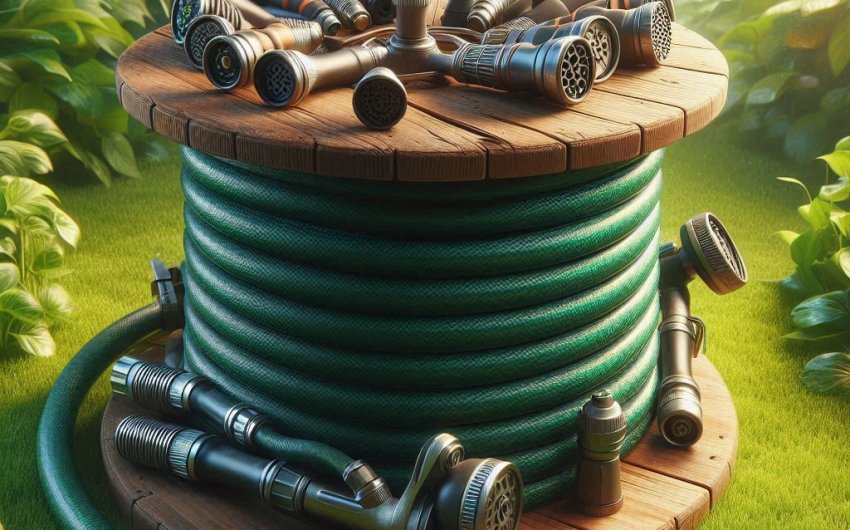
A garden hose is arguably one of the most essential tools for any gardener, whether you're tending a small patio full of pots or a sprawling backyard vegetable patch. Far more than just a tube that carries water, the right garden hose can make watering tasks easier, more efficient, and even more enjoyable. This comprehensive guide will explore everything you need to know about choosing, using, and maintaining your garden hose, ensuring you select the perfect one for your specific gardening needs and keep it in top condition for years of reliable service.
What Are the Different Types of Garden Hoses?
Choosing a garden hose can be overwhelming due to the sheer variety available. Each type offers distinct advantages and disadvantages, making them suitable for different uses and budgets. Understanding these differences is the first step in selecting the best garden hose for your needs.
Standard Rubber Hoses
Standard rubber hoses are often considered the workhorses of the gardening world. They are known for their durability, flexibility, and resistance to kinking compared to some other materials.
- Pros:
- Extremely durable: Can last for many years with proper care.
- Resistant to kinks: Less likely to crimp and stop water flow.
- Withstands extreme temperatures: Good for both hot and cold weather.
- Heavy-duty: Can handle high water pressure.
- Cons:
- Heavy: Can be cumbersome to move and store, especially longer lengths.
- Can be expensive: Higher initial cost than vinyl hoses.
- May leave rubber residue: Some cheaper rubber hoses can leave black marks.
Vinyl Hoses (PVC)
Vinyl hoses, often made from PVC, are the most common and budget-friendly option. They are lightweight, making them easy to maneuver, but often compromise on durability and kink resistance.
- Pros:
- Lightweight: Easy to carry and coil.
- Inexpensive: A great option for those on a tight budget or for light-duty tasks.
- Flexible: Can be easy to wrap up.
- Cons:
- Prone to kinking: The biggest drawback; water flow can be easily interrupted.
- Less durable: More susceptible to cracks, punctures, and sun damage over time.
- Less flexible in cold weather: Can stiffen significantly in low temperatures.
- May contain harmful chemicals: Look for "drinking water safe" or "lead-free" if using for edibles.
Rubber-Vinyl Hybrid Hoses
These hybrid hoses attempt to combine the best qualities of both rubber and vinyl. They offer a good balance of flexibility, durability, and a more manageable weight than pure rubber.
- Pros:
- Good balance: Better kink resistance than vinyl, lighter than rubber.
- More durable than pure vinyl: Can withstand more wear and tear.
- Often more affordable than pure rubber: A middle-ground price point.
- Cons:
- Variable quality: Performance can differ greatly between brands.
- Still heavier than pure vinyl: Not as light as some users might prefer.
Expandable Hoses
Expandable hoses are a relatively new innovation, designed to be lightweight and compact when empty and then expand up to three times their length when filled with water.
- Pros:
- Extremely lightweight: Very easy to carry, store, and maneuver.
- Compact: Shrinks down for convenient storage.
- Less prone to tangling: The material often prevents knots.
- Cons:
- Less durable: More prone to punctures and bursting than traditional hoses, especially at the fittings.
- Limited water pressure: May not deliver the consistent high pressure needed for certain tasks (e.g., pressure washing).
- Not ideal for constant pressure: Should be drained after each use.
- TheFitLife Expandable Garden Hose
Soaker Hoses
A soaker hose is designed to deliver water slowly and directly to the soil through tiny pores along its length. This minimizes evaporation and conserves water, making it excellent for deep watering of garden beds and rows.
- Pros:
- Water efficient: Delivers water directly to plant roots, reducing waste.
- Reduces fungal diseases: Keeps foliage dry.
- Low maintenance: Once laid out, it requires little attention.
- Cons:
- Not for general purpose: Can't be used for spraying or washing.
- Limited pressure: Designed for low flow.
- Can clog: Pores can become blocked by sediment over time.
- Flexon Soaker Hose
Flat Hoses
Flat hoses resemble fire hoses, lying flat when empty and becoming round when filled with water. They are designed for easy storage and portability.
- Pros:
- Compact storage: Very easy to coil and store flat.
- Lightweight: Easy to carry around.
- Cons:
- Prone to kinking: Can be very difficult to unkink when in use.
- Less durable: Often made of vinyl, susceptible to wear.
- Not ideal for constant use: Best for occasional, specific tasks like draining a pool.
By understanding the unique characteristics of these garden hose types, you can make an informed decision that best suits your gardening style and needs.
How Do I Choose the Right Length and Diameter for My Garden Hose?
Selecting the right length and diameter for your garden hose is crucial for efficient watering and ease of use. A hose that's too short is frustrating, while one that's too long can lead to reduced water pressure and unnecessary bulk. Similarly, diameter affects water flow and the hose's weight.
Choosing the Right Length
Measure Your Property:
- Walk the farthest distance from your outdoor spigot (faucet) to the areas you need to water. Add a few extra feet for flexibility and maneuvering around obstacles.
- It's always better to have a hose that's slightly too long than too short.
Standard Lengths:
- 25 feet: Ideal for small patios, balconies, or very small urban gardens where the spigot is close to all plants. Good for washing cars near the house.
- 50 feet: The most popular and versatile length for average-sized suburban yards. It reaches most areas without being overly cumbersome.
- 75 feet: Suitable for larger yards or gardens where the watering areas are further from the spigot.
- 100 feet or more: Reserved for very large properties, farms, or areas where a single spigot needs to cover extensive ground. Be aware that hoses of this length are very heavy and can significantly reduce water pressure.
Consider Water Pressure Drop:
- The longer the garden hose, the more water pressure is lost due to friction within the hose. If you have low water pressure to begin with, a very long hose (75+ feet) might not provide enough force for certain tasks, like running a sprinkler effectively or using a powerful nozzle.
Storage:
- A longer hose is heavier and takes up more storage space. Factor in how and where you'll store it when making your decision.
Choosing the Right Diameter
The diameter of a garden hose refers to its internal measurement, which directly impacts the volume of water that can flow through it (flow rate).
Standard Diameters:
- 5/8 inch (0.625 inches): This is the most common and versatile diameter for homeowners. It offers a good balance of adequate water flow for most gardening tasks (watering plants, filling kiddie pools, washing cars) and manageable weight.
- 1/2 inch (0.5 inches): Lighter and more compact, but provides lower water flow. Best suited for very small gardens, light watering tasks, or patio container gardens where less water volume is needed.
- 3/4 inch (0.75 inches): Provides maximum water flow and pressure, making it ideal for large properties, farms, or tasks requiring high water volume, like quickly filling large tanks or using high-volume sprinklers. However, these hoses are significantly heavier and more expensive.
Water Flow vs. Pressure:
- Diameter affects flow (volume), not necessarily pressure (force). A wider hose (3/4 inch) allows more gallons per minute (GPM) to pass through, but the force (PSI) might not be higher unless your spigot already has high pressure.
- If you need to quickly water a large area or run a high-volume sprinkler, a larger diameter hose is beneficial. For everyday tasks, 5/8 inch is usually perfect.
Weight:
- Remember that a larger diameter hose filled with water will be considerably heavier than a smaller one of the same length. This impacts ease of use and storage.
By carefully considering both the length and diameter of your garden hose, you can ensure you have a tool that is efficient for watering your entire garden without being overly cumbersome or ineffective.
What Materials and Construction are Best for Durability?
The materials and construction of a garden hose are primary determinants of its durability, flexibility, and resistance to kinking and wear. Investing in a hose with superior materials and thoughtful construction will save you frustration and replacement costs in the long run.
Core Materials:
Rubber:
- Pros: Exceptional durability, flexibility, and resistance to kinking, abrasion, and temperature extremes. Often the longest-lasting hose material.
- Cons: Heaviest and usually the most expensive.
- Best For: Heavy-duty use, frequent use, all-weather conditions.
- Continental Commercial Grade Rubber Hose
Vinyl (PVC):
- Pros: Lightweight and very inexpensive.
- Cons: Most prone to kinking, cracking, abrasion, and temperature damage (stiffens in cold, softens in heat). Generally the least durable.
- Best For: Light, occasional use, tight budgets.
Rubber-Vinyl Hybrid:
- Pros: Offers a compromise, combining some flexibility and kink resistance of rubber with the lighter weight and lower cost of vinyl.
- Cons: Quality varies widely between brands. May still kink.
- Best For: Moderate use, gardeners wanting a balance of features.
Polyurethane:
- Pros: Lightweight, very flexible, and generally more durable than vinyl, with good resistance to kinking and abrasion. Often found in coiled or expandable hoses.
- Cons: Can be more expensive than vinyl.
- Best For: Those prioritizing lightweight and compactness without sacrificing too much durability.
Reinforcement (Ply):
Reinforcement refers to the number of layers (or "plies") of mesh or braiding embedded within the hose walls. This directly impacts a hose's burst strength and kink resistance.
- 2-Ply: Basic, usually found in cheap vinyl hoses. Very prone to kinking and bursting.
- 3-Ply: Common for mid-range hoses. Offers better kink resistance and durability than 2-ply.
- 4-Ply or More: Found in higher-quality, heavy-duty hoses. Provides excellent kink resistance, higher burst pressure ratings, and superior durability. Look for terms like "radial tire cord" for top-tier reinforcement.
Burst Pressure:
- This specification indicates the maximum internal water pressure the garden hose can withstand before bursting.
- Look for a burst pressure of at least 300-500 PSI (pounds per square inch) for a durable hose. Hoses with lower ratings are more prone to bursting, especially if left under pressure.
Outer Casing:
- Some hoses feature a durable outer casing made of materials like nylon, polyester, or woven fabric (common on expandable hoses). This can add abrasion resistance but might compromise flexibility or puncture resistance depending on the specific design.
- A smooth outer surface on traditional hoses helps prevent snagging.
Couplings/Fittings:
- The fittings (couplings) are where the hose connects to the spigot and accessories. These are critical points of failure.
- Brass Fittings: The gold standard for durability. They are heavy-duty, corrosion-resistant, and provide a secure, leak-free connection. Look for solid, crush-resistant brass.
- Plastic Fittings: Common on cheaper hoses. They are lightweight and inexpensive but prone to cracking, cross-threading, and leaking, especially in cold weather or if overtightened.
- Nickel-Plated or Chrome-Plated Brass: Offers some corrosion resistance and a shiny finish. Ensure it's solid brass underneath for durability.
- Gaskets: Check that the fittings include durable rubber gaskets to create a watertight seal. These can be replaced if they wear out.
By understanding these aspects of garden hose materials and construction, you can confidently select a hose that will withstand the rigors of gardening and last for many seasons.
What Features Should I Look for in a Garden Hose?
Beyond material and construction, several features can significantly enhance the usability and longevity of your garden hose. Considering these elements will help you select a hose that not only lasts but also makes your gardening tasks much more pleasant.
Kink Resistance:
- This is often the most frustrating issue with garden hoses. Look for hoses advertised as "kink-resistant" or "non-kinking."
- How it's achieved: This is primarily due to the hose's material (rubber is best), the number of plies (more plies mean better resistance), and sometimes special internal reinforcement designs.
- Tip: A higher burst pressure rating often correlates with better kink resistance.
Flexibility:
- A flexible hose is easier to coil, uncoil, maneuver around obstacles, and store.
- Consider Temperature: A good hose remains flexible even in cooler temperatures, rather than becoming stiff and hard to manage. Rubber and polyurethane excel here.
"Drinking Water Safe" / Lead-Free:
- If you plan to fill pet bowls, children's pools, or irrigate edible plants, choose a garden hose explicitly labeled as "drinking water safe" or "lead-free."
- Many standard hoses can leach chemicals (like lead or phthalates) into the water, which can be harmful.
- Look for FDA-approved materials or NSF/ANSI 61 certified hoses.
- Water Right Polyurethane Lead-Free Drinking Water Safe Hose
UV Resistance:
- Exposure to sunlight (UV rays) can degrade hose materials over time, leading to cracking and brittleness.
- Look for hoses with UV-resistant coatings or materials. While still recommended to store out of direct sun, this feature adds an extra layer of protection.
Abrasion Resistance:
- The outer jacket of the hose should be resistant to scuffs, scrapes, and punctures from dragging it across concrete, rocks, or thorny bushes.
- Thicker outer layers and robust materials like rubber or reinforced polyurethane offer better abrasion resistance.
Grip and Ergonomics:
- Some hoses come with rubberized grips on the couplings, making them easier to attach and detach, especially with wet hands.
- The overall feel of the hose, its weight, and how easily it coils affect user comfort.
Hose Protectors/Collars:
- Some hoses have anti-kink collars or spring protectors at the connection points to the spigot and nozzle. This prevents kinking where the hose is most stressed. This small feature can greatly extend the life of the hose ends.
Weight:
- While not a "feature" in the traditional sense, the weight of the hose is a crucial consideration for ease of use.
- Heavy-duty rubber hoses are often the heaviest, while vinyl and expandable hoses are the lightest.
- Consider who will be using the hose and how frequently. A lighter hose might be preferred for daily light watering, even if it means sacrificing some durability.
Color:
- While seemingly trivial, some darker colored hoses can absorb more heat in direct sunlight, making the water inside very hot. Lighter colors reflect more heat.
- Additionally, some vibrant colors might blend in or stand out depending on your preference and safety needs (e.g., bright colors are more visible to avoid tripping).
By considering these important features, you can narrow down your choices and find a garden hose that not only meets your practical needs but also enhances your overall gardening experience.
How Do I Maintain and Store My Garden Hose Properly?
Proper maintenance and storage are critical for extending the lifespan of your garden hose and ensuring it performs reliably year after year. Neglecting these steps can lead to cracks, leaks, and early replacement.
Everyday Maintenance:
Release Pressure After Each Use:
- Always turn off the spigot and then squeeze the nozzle or open the valve to release any remaining water pressure from the hose.
- Leaving a hose under constant pressure, especially in the sun, can weaken its walls and fittings, leading to premature bursting or leaks.
Drain Before Coiling:
- Before coiling, try to drain as much water as possible from the hose. Lift sections of the hose to help gravity pull the water out.
- This prevents stagnant water from sitting inside, which can lead to algae growth and can also cause issues in freezing temperatures.
Avoid Sharp Objects and Vehicles:
- Do not drag the garden hose over sharp rocks, thorns, or concrete edges.
- Never drive over a hose with a car or lawnmower, as this can severely damage its internal structure and outer casing.
Clean Fittings:
- Occasionally check the hose fittings for debris, dirt, or mineral buildup. Clean them with a brush if necessary.
- Inspect and replace worn-out rubber gaskets (washers) inside the fittings. These are cheap and easy to replace and are often the cause of leaks.
- Durable Rubber Garden Hose Washers
Address Leaks Promptly:
- Small leaks can quickly become bigger problems. Use a hose repair kit to mend punctures or replace damaged fittings as soon as you notice them.
- Orbit Hose Repair Kit
Storage Tips:
Coil Neatly:
- Always coil your garden hose neatly after each use. This prevents kinks, tangles, and makes it easier to store and uncoil next time.
- Methods:
- Hose Reel: The most convenient option. It keeps the hose tidy and off the ground.
- Hose Caddy/Cart: Great for longer, heavier hoses that need to be moved around the yard.
- Hose Hanger/Hook: A simple and effective way to store a hose neatly on a wall.
- Loose Coiling on the Ground: If no other option, coil it loosely, ensuring it's not lying in puddles.
Store Out of Direct Sunlight:
- UV rays from the sun are a major cause of hose degradation. Even if your hose is UV-resistant, prolonged exposure will shorten its lifespan.
- Store the hose in a shaded area, a shed, or a garage when not in use.
Winterization (Crucial for Cold Climates):
- Drain Completely: This is the most critical step. Disconnect the garden hose from the spigot and nozzle. Elevate one end and let all water drain out. You can also swing it around to force water out. Water left in a hose will freeze, expand, and burst the hose.
- Store Indoors: Bring the hose into a frost-free environment like a garage, basement, or shed. Do not leave it coiled outside in freezing temperatures.
- Disconnect from Spigot: Even if you're not bringing the hose inside, always disconnect it from the spigot in winter. Water trapped in the spigot can freeze and burst the spigot or even damage your home's pipes. Consider insulating your spigot with a cover.
By consistently applying these maintenance and storage practices, your garden hose will remain a reliable and efficient tool for many years, saving you time, money, and frustration.
What are the Best Garden Hose Accessories?
A garden hose is just the beginning. A variety of accessories can greatly enhance its functionality, making watering, cleaning, and other outdoor tasks more efficient and enjoyable. From specialized nozzles to convenient storage solutions, the right accessories can transform your gardening experience.
Nozzles and Sprayers:
These are perhaps the most common and versatile accessories, allowing you to control water flow and spray patterns.
Pistol Grip Nozzles:
- Features: Often have multiple spray patterns (jet, mist, shower, flat, etc.) and a comfortable, ergonomic handle.
- Best For: General watering, washing cars, basic cleaning.
- Green Mount Watering Nozzle
Wand Sprayers:
- Features: Long extension (15-48 inches or more) for reaching hanging baskets, deep into garden beds, or cleaning high areas. Often have adjustable spray patterns and a shut-off valve.
- Best For: Watering hard-to-reach plants, minimizing bending, gentle watering of delicate plants.
- Dramm One Touch Rain Wand
Fan Sprayers:
- Features: Creates a wide, gentle, fan-shaped spray.
- Best For: Watering newly seeded areas, delicate seedlings, or quickly soaking larger areas without harsh pressure.
Fireman-Style Nozzles:
- Features: Heavy-duty, typically brass, with a simple twist mechanism to adjust from a powerful jet to a broad cone spray. Very durable.
- Best For: High-pressure cleaning tasks, filling large containers quickly, heavy-duty watering.
Oscillating Sprinklers:
- Features: Sprays water in a rectangular pattern, oscillating back and forth. Often adjustable for width and length.
- Best For: Watering rectangular lawns or garden beds evenly.
- Melnor XT Oscillating Sprinkler
Impact Sprinklers:
- Features: Delivers water in a circular pattern using a pulsating, "clicking" motion. Known for durability and long throw distance.
- Best For: Large lawns and open areas.
Connection and Control Accessories:
These accessories improve the usability and connectivity of your garden hose.
Quick Connectors:
- Features: Allow you to quickly snap attachments (nozzles, sprinklers, other hoses) on and off without twisting. Typically come in male and female sets.
- Benefits: Saves time and effort, prevents stripping hose threads, reduces leaks.
- Gardena Quick Connect Set
Y-Connectors / Hose Splitters:
- Features: Attaches to a single spigot and provides two or more outlets, each with its own shut-off valve.
- Benefits: Allows you to run two hoses or a hose and a sprinkler simultaneously, ideal for multi-tasking.
- Orbit Two-Way Brass Hose Splitter
Shut-off Valves:
- Features: Small lever or ball valve that attaches between the hose and nozzle (or sprinkler), allowing you to turn the water on/off at the point of use without returning to the spigot.
- Benefits: Saves water, reduces wear on hose fittings, extremely convenient.
Hose Repair Kits:
- Features: Contains replacement fittings (male/female ends) and/or clamps to repair a damaged section of hose.
- Benefits: Extends the life of your hose, saving you money on replacement.
Storage and Organization:
These help keep your garden hose tidy and protected.
Hose Reels:
- Types: Wall-mounted, freestanding, or cart-style (with wheels). Manual or automatic rewind.
- Benefits: Neat storage, prevents kinks and tangles, prolongs hose life by keeping it off the ground and out of the sun.
Hose Hangers/Hooks:
- Features: Simple wall-mounted hooks or decorative holders for coiling and hanging a hose.
- Benefits: Inexpensive, keeps hose off the ground, prevents tripping hazards.
Decorative Hose Pots/Baskets:
- Features: Attractive containers that hide the coiled hose, often with a hole for the lead hose.
- Benefits: Aesthetically pleasing way to store a hose near a spigot.
By thoughtfully selecting and utilizing these garden hose accessories, you can significantly improve the efficiency, convenience, and enjoyment of your outdoor watering and cleaning tasks.
Are There Eco-Friendly Options for Garden Hoses?
As gardeners become more conscious of their environmental impact, the demand for eco-friendly garden hose options has grown. These hoses aim to reduce the use of harmful chemicals, incorporate recycled materials, and sometimes even offer enhanced water-saving features.
Chemical-Free / Drinking Water Safe Hoses:
- The Primary Concern: Many traditional garden hoses are made from PVC (polyvinyl chloride), which can contain phthalates, lead, and BPA. These chemicals can leach into the water, especially when the hose heats up in the sun. This is a significant concern if you're watering edible plants, filling pet bowls, or using the water for children's activities.
- Eco-Friendly Solution: Look for hoses specifically labeled:
- "Drinking Water Safe": Indicates the materials meet safety standards for potable water.
- "Lead-Free": Guarantees no lead is used in the manufacturing process or in the brass fittings.
- "Phthalate-Free" and "BPA-Free": Explicitly states the absence of these endocrine-disrupting chemicals.
- Materials: These hoses are typically made from polyurethane, virgin rubber, or food-grade polymers that do not leach harmful substances.
- Water Right Polyurethane Lead-Free Drinking Water Safe Hose
Recycled Content Hoses:
- The Idea: Some manufacturers are beginning to incorporate recycled materials into their garden hose production, reducing reliance on virgin plastics and diverting waste from landfills.
- Challenges: It can be difficult to ensure the quality and safety of recycled content, especially concerning chemical leaching if the source materials are unknown.
- What to Look For: If a hose claims recycled content, research the brand to ensure they have transparent sourcing and manufacturing practices. Look for certifications if available.
Water-Saving Hoses and Systems:
While not inherently "eco-friendly" in their material, certain hose types and accessories promote water conservation, which is a crucial aspect of eco-friendly gardening.
Soaker Hoses:
- Benefits: Deliver water directly to the plant's root zone, minimizing evaporation and runoff. This is highly efficient and prevents water waste common with overhead sprinklers.
- Material: Often made from recycled rubber or new rubber/vinyl blends. The primary eco-benefit comes from water conservation.
- Gilmour Flat Soaker Hose
Drip Irrigation Systems:
- Benefits: While more elaborate than a simple hose, these systems connect to your spigot via a garden hose or similar tubing. They provide precise, slow watering directly to individual plants, significantly reducing water consumption.
- Eco-Connection: Minimizes water use and keeps foliage dry, reducing fungal diseases and the need for chemical treatments.
Water-Saving Nozzles and Sprinklers:
- Features: Look for nozzles that offer fine mist settings (for delicate seedlings) or low-flow shower settings that provide gentle, deep watering without excessive runoff. Sprinklers with precise spray patterns and adjustable coverage minimize watering non-target areas.
- Benefits: Reduces overall water consumption during active watering.
Longevity and Durability:
- A Hidden Eco-Feature: A garden hose that lasts for many years is inherently more eco-friendly than one that needs frequent replacement. Less frequent manufacturing and less waste going into landfills contribute positively to the environment.
- What to Choose: Investing in a high-quality, durable rubber or polyurethane hose, coupled with proper maintenance and storage, reduces its environmental footprint over its lifespan.
When considering an eco-friendly garden hose, prioritize "drinking water safe" and "lead-free" labels for health safety, and then consider hose types and accessories that promote efficient water use. A durable hose that lasts a long time is also an excellent eco-conscious choice.
What is Hose Pressure (PSI) and How Does it Affect My Gardening?
Understanding hose pressure, typically measured in PSI (pounds per square inch), is important because it directly impacts the performance of your garden hose and the attachments you use. While your home's water pressure is the ultimate source, the hose itself can affect how much of that pressure reaches your plants or cleaning tasks.
What is PSI (Pounds Per Square Inch)?
- PSI is a unit of pressure. In the context of a garden hose, it refers to the force with which water is being pushed through the hose.
- Typical Home Water Pressure: Most residential water systems operate between 40 and 80 PSI. Anything below 40 PSI is generally considered low, while anything above 80 PSI can be too high (and potentially damaging to plumbing).
How Hose Features Affect PSI:
Hose Length:
- Longer Hoses = Lower PSI at the End: Water loses pressure as it travels through a hose due to friction. The longer the hose, the more friction, and thus, the greater the pressure drop at the nozzle end.
- Impact: A 100-foot hose will deliver less pressure than a 50-foot hose from the same spigot, assuming the same diameter. If you have low baseline water pressure, a very long hose might make it difficult to run sprinklers effectively or use powerful spray nozzles.
Hose Diameter:
- Smaller Diameter = Higher Apparent Pressure (but lower flow): While a smaller diameter hose (e.g., 1/2 inch) might feel like it has more pressure at the nozzle (because the water is constricted and shoots out faster), it actually delivers less overall volume of water (GPM - gallons per minute).
- Larger Diameter = More Flow (and better pressure retention): A wider hose (3/4 inch) allows more water to flow through with less friction, meaning less pressure drop over distance and higher overall volume delivered. This is crucial for high-volume sprinklers or tasks that need a lot of water quickly.
Hose Material and Reinforcement:
- Stiff vs. Flexible: Hoses with poor reinforcement or those that are prone to kinking will significantly reduce effective PSI when kinks occur.
- Burst Pressure (related): A hose's burst pressure rating indicates its structural integrity. While not directly PSI delivery, a higher burst pressure means the hose can withstand higher internal pressure without bursting, which is important if your home has naturally high water pressure or if you leave the hose under pressure.
How PSI Affects Gardening Tasks:
Watering Delicate Plants:
- Lower PSI/Gentle Flow: You want a lower PSI and a gentle spray pattern (like a shower or mist) to avoid damaging delicate seedlings, flowers, or newly planted edibles. High pressure can wash away soil or injure plants.
Watering Established Plants/Lawns:
- Moderate PSI/Volume: For established garden beds and lawns, a moderate PSI is good for deep watering. The goal is to soak the soil thoroughly, not just wet the surface.
- Sprinklers: Most sprinklers have a minimum PSI requirement to operate effectively. If your hose is too long or too narrow, your sprinkler may not cover its advertised area.
Cleaning Tasks:
- Higher PSI: For washing cars, cleaning patios, or removing stubborn dirt, you'll want higher PSI. Nozzles designed for "jet" streams will concentrate the pressure.
- Pressure Washer Integration: If you plan to use a pressure washer, the garden hose simply delivers water to the pressure washer's pump. The pressure washer itself then creates the high PSI needed for heavy-duty cleaning.
Filling Buckets/Pools:
- High Flow (GPM) is Key: For filling tasks, PSI is less important than the volume of water (GPM) your hose can deliver. A wider diameter hose (3/4 inch) will fill buckets and pools much faster than a narrower one.
In essence, while you can't increase your home's water pressure with a hose, choosing the right garden hose length, diameter, and construction will help you maximize the effective PSI and water flow for all your various gardening and outdoor chores.
What is the Difference Between Garden Hose and Soaker Hose?
While both a garden hose and a soaker hose are designed to deliver water, their fundamental purpose, design, and method of watering are distinctly different. Understanding these differences is key to using each tool effectively for specific gardening needs.
Garden Hose:
A garden hose is a general-purpose, high-pressure water delivery tool.
- Primary Function: To transport water from a spigot to a specific point where it can be dispensed through a nozzle, sprinkler, or simply as an open stream. It's designed for active, controlled watering or cleaning tasks.
- Design:
- Single Channel: Water flows through one open channel from one end to the other.
- Internal Pressure: Designed to handle standard household water pressure (40-80 PSI) and deliver water at varying pressures via a nozzle.
- Materials: Made from rubber, vinyl, or hybrid blends, reinforced to prevent bursting and kinking.
- Fittings: Standard male and female threaded brass or plastic couplings at each end for connecting to spigots and accessories.
- Typical Uses:
- Hand Watering: Using a nozzle to water individual plants, containers, or small areas.
- Sprinkler Operation: Connecting to various types of sprinklers (oscillating, impact, rotating) to water lawns or larger garden beds.
- Cleaning: Washing cars, patios, siding, outdoor furniture, or tools.
- Filling: Filling buckets, kiddie pools, bird baths, or ponds.
- Water Efficiency: Can be inefficient if not used carefully, as water can evaporate from the surface, run off, or spray where it's not needed.
Soaker Hose:
A soaker hose is a specialized, low-pressure, water-efficient irrigation tool.
- Primary Function: To deliver water slowly and directly to the soil over its entire length, focusing on the root zone of plants. It's designed for passive, consistent, deep watering and water conservation.
- Design:
- Porous Material: Made from recycled rubber or other porous materials with thousands of tiny pores along its entire length.
- Slow Release: Water "weeps" or "sweats" out of these pores in small, controlled amounts.
- Low Pressure: Designed to operate efficiently at very low water pressure. Often, you only need to open the spigot slightly.
- Fittings: Typically has standard male and female threaded couplings, allowing it to be connected to a regular garden hose lead.
- Typical Uses:
- Garden Beds: Ideal for watering vegetable rows, perennial borders, or hedges where plants are in a line or concentrated area.
- Foundation Planting: Efficiently waters plants around the perimeter of a house.
- New Plantings: Provides consistent moisture to help new plants establish.
- Under Mulch: Can be laid under a layer of mulch for even greater water efficiency and to hide the hose.
- Water Efficiency: Highly efficient because:
- Reduces Evaporation: Water goes directly to the soil, minimizing loss to air.
- Prevents Runoff: Slow delivery allows the soil to absorb water without pooling or running off.
- Keeps Foliage Dry: Reduces the risk of fungal diseases that thrive on wet leaves.
- Limitations:
- Not for Spraying: Cannot be used with nozzles for spraying or cleaning.
- Limited Coverage: Only waters the area directly adjacent to the hose.
- Can Clog: Pores can become blocked by sediment over time, especially with hard water.
| Feature | Garden Hose | Soaker Hose |
|---|---|---|
| Primary Use | Transport water, spray, clean, fill | Slow, direct watering of plant roots |
| Water Delivery | High-volume, high-pressure stream/spray | Low-volume, "weeping" from pores |
| Water Efficiency | Can be low if not used carefully | High (minimizes evaporation/runoff) |
| Effect on Foliage | Wets foliage (can promote disease) | Keeps foliage dry (reduces disease risk) |
| Pressure Needed | Standard household pressure (40-80 PSI) | Low pressure (10-20 PSI ideal) |
| Typical Materials | Rubber, Vinyl, Hybrid (reinforced) | Recycled rubber, porous fabric |
| Mobility | Designed to be moved and coiled | Typically laid in place for a season or more |
| Price | Varies widely based on length/material | Generally less expensive per foot than hose |
In summary, a garden hose is your versatile tool for active watering and various outdoor tasks, while a soaker hose is a specialized, efficient solution for passive, targeted irrigation that saves water and promotes plant health. Many gardeners use both to meet their diverse watering needs.
How Do I Safely Use My Garden Hose with Chemicals or Fertilizers?
Using your garden hose with chemicals or fertilizers, typically through an attachment like a hose-end sprayer, requires careful attention to safety to protect yourself, your plants, and the environment. Mixing chemicals directly in your hose is never recommended. Always use an appropriate, specialized attachment.
Types of Hose-End Sprayers:
Dial-Type Sprayers:
- How it Works: You pour the concentrated liquid chemical or fertilizer into a reservoir on the sprayer. A dial allows you to select the desired mixing ratio (e.g., 1 tablespoon per gallon). The sprayer automatically mixes the concentrate with water from the hose as you spray.
- Benefits: Convenient, easy to use, ensures correct dilution.
- Best For: Most liquid fertilizers, herbicides, insecticides.
- Ortho Dial N Spray Hose End Sprayer
Siphon-Type Sprayers:
- How it Works: These have a tube that siphons concentrate directly from the original chemical bottle or a separate container. The water from the hose creates a vacuum effect to pull the concentrate.
- Benefits: No need to pour chemicals, can use large bottles.
- Best For: Larger applications, bulk products.
Safety Precautions:
Read Product Labels Thoroughly:
- This is the most critical step. Always read the instructions on the chemical or fertilizer product packaging AND the hose-end sprayer itself.
- Pay attention to dilution rates, application methods, safety warnings (e.g., "wear gloves"), and re-entry intervals (how long until it's safe to re-enter the treated area).
Wear Personal Protective Equipment (PPE):
- Gloves: Always wear chemical-resistant gloves.
- Eye Protection: Goggles or safety glasses are essential to protect against splashes or mist.
- Long Sleeves/Pants: Wear long sleeves and pants to minimize skin exposure.
- Mask: Consider a respirator or dust mask, especially if spraying fine mists or powdered products.
Prevent Backflow (Critical):
- Use a Backflow Preventer: This is perhaps the most important safety device when using a garden hose with chemicals. A backflow preventer attaches to your spigot (or is built into some sprayers) and stops contaminated water from flowing back into your home's potable water supply.
- Why it's needed: If water pressure drops while you're spraying, a siphon effect can draw chemicals from your hose into your drinking water.
- Many outdoor spigots have a built-in vacuum breaker, but it's wise to confirm or add an external one.
- Watts Brass Anti-Siphon Vacuum Breaker
Work in a Well-Ventilated Area:
- Spray outdoors on a calm day to avoid drift and minimize inhalation. Avoid windy conditions.
Mix Only What You Need:
- Prepare only the amount of solution you intend to use for a single application. This avoids storing mixed chemicals, which can lose potency or become unstable.
Clean Equipment Thoroughly:
- After each use, thoroughly rinse the hose-end sprayer according to its instructions. Run clean water through it for several minutes.
- If using the same garden hose for potable water (drinking/pet use) and chemical applications, consider having a dedicated "chemical hose" or flushing it thoroughly after each chemical use.
Store Chemicals Safely:
- Store unused concentrated chemicals in their original containers, in a cool, dry, secure location, out of reach of children and pets.
Best Practices:
- Test on a Small Area: If applying a new chemical, test it on a small, inconspicuous area of your plants first to check for any adverse reactions before treating the entire garden.
- Water Plants Beforehand (Sometimes): For some fertilizers or pest control products, watering the plants slightly before application can reduce the risk of plant burn. Check the product label.
- Avoid Contamination: Do not allow the hose end or sprayer nozzle to sit in or touch the chemical solution or treated area.
By following these safety guidelines and using the right equipment, you can safely and effectively apply chemicals or fertilizers using your garden hose without risk to your health or your home's water supply. A good garden hose is a versatile tool, and with proper accessories and precautions, it can handle many tasks beyond just watering.