
Gardening Gloves: Protect Your Hands While You Work
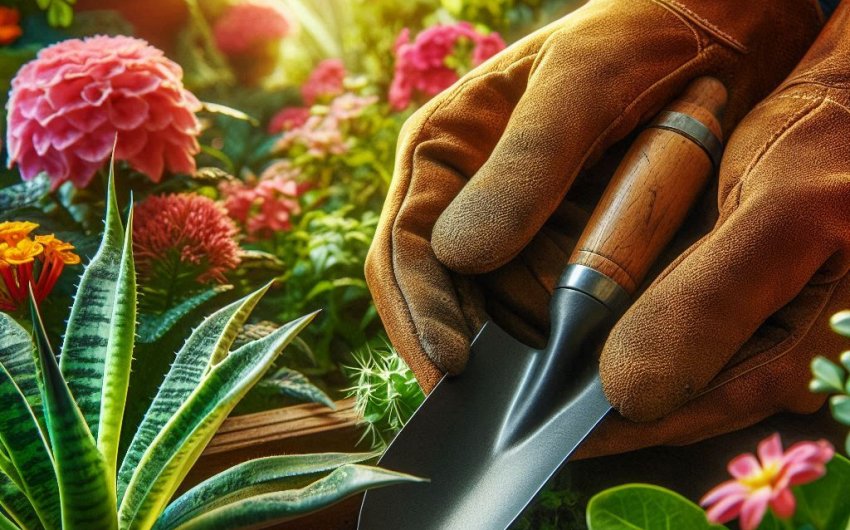
Gardening gloves are an essential piece of equipment for any gardener, whether you're a seasoned pro or just starting out. They provide a crucial layer of protection for your hands, safeguarding them from thorns, splinters, dirt, moisture, and even irritating plants. Beyond mere cleanliness, the right pair of gardening gloves can prevent cuts, scrapes, blisters, and exposure to harmful chemicals or unseen microbes in the soil, allowing you to work more comfortably and safely in your garden.
Why Are Gardening Gloves So Important?
Many new gardeners might think they can skip gardening gloves, but a few hours of work will quickly reveal their value. Protecting your hands is about more than just avoiding dirt.
Protecting Your Hands from Injury
The garden is full of potential hazards for unprotected hands.
- Thorns and Spines: Roses, blackberries, pyracantha, and even some common weeds like thistles can deliver painful jabs. Tough gardening gloves are a must for handling these plants.
- Splinters: Working with wood, fences, or even rough-edged pots can lead to nasty splinters.
- Cuts and Abrasions: Sharp rocks, broken glass (if present), or even repetitive motions can cause scrapes and cuts.
- Blisters: Repetitive tasks like digging, raking, or pruning can quickly lead to blisters, making further work uncomfortable or impossible.
Shielding Against Dirt and Moisture
While getting dirty is part of gardening, excessive exposure to dirt and moisture can be problematic.
- Keeping Hands Clean: Obvious, but worth noting! Gloves keep your hands free from embedded dirt, grime, and plant sap that can stain or be hard to wash off.
- Preventing Dryness and Cracking: Constant exposure to wet soil, followed by drying, can strip natural oils from your skin, leading to dry, cracked, and painful hands. Gloves create a barrier.
Protection from Skin Irritants and Allergens
Some plants and soil elements can cause skin reactions.
- Poison Ivy/Oak: If you have these plants in your garden, a sturdy, impermeable pair of gardening gloves is critical to prevent contact dermatitis.
- Other Irritating Plants: Many plants, like giant hogweed, some euphorbias, and even tomatoes, can cause mild skin irritation or rashes in sensitive individuals.
- Soil Microbes: Soil contains various microorganisms, some of which can cause infections if they enter cuts or open wounds. Tetanus is a serious concern.
- Fungi: Certain fungi present in soil can cause skin infections.
- Chemicals: If you use any fertilizers, pesticides, or herbicides, gloves are essential to prevent skin absorption. Always choose gloves rated for chemical resistance if working with strong chemicals.
Enhancing Grip and Comfort
Beyond protection, gardening gloves can actually make your work easier and more enjoyable.
- Improved Grip: Many gloves feature textured palms or rubber coatings that provide a better grip on tools, even when wet.
- Padding: Some gloves include padding in the palm or knuckle areas, reducing strain and fatigue during long tasks.
- Temperature Regulation: In colder weather, insulated gloves keep hands warm. In hot weather, breathable gloves can prevent sweating.
What Are the Different Types of Gardening Gloves?
Just as you wouldn't use a shovel for every task, different gardening gloves are designed for specific jobs. Choosing the right type will ensure optimal protection and performance.
General Purpose Gardening Gloves
These are your everyday go-to gloves, suitable for most light to medium tasks.
- Materials: Often a blend of cotton, polyester, nylon, or bamboo with a coated palm (latex, nitrile, or polyurethane).
- Features: Lightweight, breathable backs, good dexterity, offer basic protection against dirt and minor scrapes.
- Best For: Planting, weeding, light pruning, seeding, raking, general yard clean-up.
- Example: A popular choice is a Nitrile Coated Garden Glove.
Heavy-Duty Gardening Gloves
When you're tackling tougher jobs, you need more robust protection.
- Materials: Leather (cowhide, goatskin, pigskin), synthetic leather, or heavy-duty fabrics.
- Features: Puncture resistance, abrasion resistance, sometimes extra padding on palms or knuckles, longer cuffs for wrist protection.
- Best For: Pruning thorny bushes (roses, blackberries), clearing dense brush, handling rough lumber or rocks, heavy digging, working with sharp tools.
- Example: Consider a pair of Leather Rose Pruning Gloves for ultimate thorn protection.
Waterproof Gardening Gloves
Ideal for wet conditions or working with very damp soil.
- Materials: Often rubber, PVC, neoprene, or fully coated synthetic materials.
- Features: Fully waterproof barrier, sometimes insulated for cold water.
- Best For: Working in muddy conditions, cleaning ponds, washing pots, handling wet compost, or rainy day gardening.
- Pros: Keep hands completely dry.
- Cons: Can be less breathable, potentially leading to sweaty hands in warm weather. May offer less dexterity than general-purpose gloves.
- Example: Look for Waterproof Gardening Gloves.
Insulated or Winter Gardening Gloves
For cooler climates or cold-weather gardening.
- Materials: Often fleece-lined or insulated synthetic materials, sometimes with waterproof outer layers.
- Features: Provide warmth, often with some level of water resistance.
- Best For: Winter pruning, cold-weather cleanup, working in chilly soil.
- Example: Try Insulated Garden Gloves.
Specialized Gloves (e.g., Rose Gloves, Digging Gloves)
- Rose Gloves: Typically feature very long cuffs made of thick leather or canvas, extending up the forearm to protect against rose thorns. They combine durability with dexterity.
- Digging Gloves (Claw Gloves): One glove often has hard plastic claws on the fingertips, useful for light digging, raking, or planting without tools.
- Heat-Resistant Gloves: For working around outdoor ovens or fire pits.
| Type of Glove | Best For | Key Features | Common Materials |
|---|---|---|---|
| General Purpose | Planting, weeding, light pruning, raking | Lightweight, breathable, good dexterity | Cotton/nylon blend with coated palm (nitrile, latex) |
| Heavy-Duty | Thorny plants, heavy digging, brush clearing | Puncture resistance, abrasion resistance, padding | Leather (cowhide, goatskin), heavy synthetics |
| Waterproof | Wet/muddy conditions, washing pots | Fully waterproof, keeps hands dry | Rubber, PVC, Neoprene, fully coated synthetics |
| Insulated/Winter | Cold weather gardening | Warmth, sometimes water resistance | Fleece-lined synthetics, insulated fabrics |
| Rose Gloves | Pruning roses, thorny bushes | Extended cuffs, high puncture resistance | Thick leather, sometimes reinforced with synthetic |
How Do I Choose the Right Size and Fit for Gardening Gloves?
A well-fitting glove isn't just about comfort; it's about functionality and safety. Ill-fitting gardening gloves can cause blisters, reduce dexterity, and even be dangerous if they slip.
Importance of Proper Fit
- Dexterity: Gloves that are too loose will make it hard to grasp small seeds or delicate seedlings. Gloves that are too tight will restrict movement.
- Comfort: Well-fitting gloves reduce friction, preventing blisters and general discomfort during long periods of work.
- Safety: Gloves that slip off or bunch up can lead to accidents with sharp tools or thorny plants.
Measuring Your Hand for Gloves
Most glove manufacturers provide a sizing chart. Here's how to measure:
- Hand Circumference: Use a measuring tape to measure around the fullest part of your dominant hand, just below the knuckles, excluding your thumb.
- Hand Length: Measure from the tip of your middle finger down to the base of your palm where your wrist begins.
- Compare to Chart: Refer to the manufacturer's sizing chart to find the best fit. If you're between sizes, consider the tasks you'll be doing. For delicate work, go smaller for better dexterity; for heavy-duty work, slightly larger might be more comfortable.
Trying On Gloves
- Consider Material: Materials like leather will stretch and mold to your hand over time, while synthetic materials typically hold their shape.
- Test Dexterity: Once on, try to pick up small objects, bend your fingers, and make a fist. You should have full range of motion without excessive bagging or tightness.
- Wrist/Cuff: Ensure the cuff is comfortable and provides adequate protection for your wrist, if needed. Some gloves have adjustable wrist closures.
What Materials Are Best for Gardening Gloves?
The material dictates the glove's durability, breathability, and level of protection. Choosing the right material for your gardening gloves depends on the task at hand.
Leather Gardening Gloves
- Types: Cowhide (durable, puncture resistant), Goatskin (softer, more flexible, good dexterity), Pigskin (durable, becomes softer with use).
- Pros: Excellent durability, good puncture resistance (especially cowhide), molds to your hand over time, offers good protection against thorns and rough surfaces.
- Cons: Not waterproof (can absorb water and become stiff when dry), less breathable than some synthetics, requires some care (cleaning, conditioning).
- Best For: Heavy-duty tasks, pruning roses, working with rough materials, general durability.
- Care Tip: To keep leather gloves supple, clean them and apply a Leather Conditioner for Gloves periodically.
Synthetic Material Gardening Gloves (Nylon, Polyester, Spandex, Bamboo)
- Pros: Often very flexible and breathable, excellent dexterity, quick-drying, many are machine washable, come in a wide range of colors and styles, often more affordable.
- Cons: Less puncture resistant than leather (unless coated), may wear out faster for heavy-duty work.
- Best For: General gardening, planting, weeding, delicate tasks.
- Types:
- Nitrile Coated: A popular choice. The back of the hand is breathable, while the palm is coated with nitrile for grip and basic water/dirt resistance. Good dexterity.
- Latex Coated: Similar to nitrile but can cause allergic reactions in some individuals. Offers excellent grip.
- Polyurethane Coated (PU): Very lightweight coating, offers good dexterity and grip, but less durable than nitrile or latex for heavy-duty use.
- Bamboo Fiber: Very soft, breathable, and often naturally antibacterial. Good for light tasks and sensitive skin.
Cotton Gardening Gloves
- Pros: Soft, comfortable, very breathable, inexpensive, easy to wash.
- Cons: Offer minimal protection against thorns or punctures, absorb water easily, can get dirty quickly.
- Best For: Very light tasks, wearing as a liner under other gloves, or very clean, dry conditions.
Rubber or PVC Gardening Gloves
- Pros: Completely waterproof, good chemical resistance (depending on specific material and thickness), good for messy or wet jobs.
- Cons: Lack dexterity, less breathable, can cause hands to sweat.
- Best For: Pond work, mixing chemicals, heavy-duty cleaning.
How Do I Care for My Gardening Gloves to Make Them Last?
Proper care extends the life of your gardening gloves and ensures they remain effective and hygienic.
Cleaning Your Gloves
- Shake Off Excess Dirt: Before storing, give your gloves a good shake or gentle clap to dislodge loose dirt.
- Hand Wash (Most Types):
- For fabric or coated gloves, hand wash them in cool or lukewarm water with a mild soap.
- Scrub gently with a brush if needed.
- Rinse thoroughly.
- Machine Wash (Check Label!): Some synthetic or fabric gloves are machine washable. Use a gentle cycle and cool water.
- Leather Gloves:
- Wipe off dirt with a damp cloth.
- For deeper cleaning, use a specialized Leather Cleaner for Gloves.
- Avoid fully submerging leather gloves in water unless specifically designed for it, as it can cause them to become stiff.
Drying Your Gloves
- Air Dry ONLY: Never put gardening gloves in a machine dryer, especially leather ones. High heat can shrink, crack, or damage the materials.
- Hang to Dry: Hang them upside down (fingers pointing up) in a well-ventilated area, out of direct sunlight. A Glove Dryer Rack can help air circulate.
- Ensure Thorough Drying: Make sure gloves are completely dry before storing to prevent mildew and odor.
Storing Your Gloves
- Dry and Ventilated Area: Store gloves in a cool, dry, and well-ventilated spot.
- Avoid Direct Sunlight: Prolonged exposure to sunlight can degrade some materials.
- Hang or Lay Flat: Don't stuff them into a small space where they can't breathe.
- Separate If Needed: If you have multiple types of gloves, keep them organized (e.g., heavy-duty with heavy-duty).
When to Replace Your Gloves
Even with good care, gardening gloves won't last forever.
- Holes or Tears: Any breach in the material compromises protection.
- Loss of Grip: If the coating on the palm wears off, they lose effectiveness.
- Excessive Stiffness/Cracking: Especially for leather, if conditioning no longer helps.
- Irreparable Damage: If they're torn beyond simple repair.
Investing in a few pairs of quality gardening gloves suited for different tasks, and then taking good care of them, will ensure your hands are always protected and comfortable while you enjoy your gardening.