
Kneeling Pads: Comfort Solutions for Gardeners
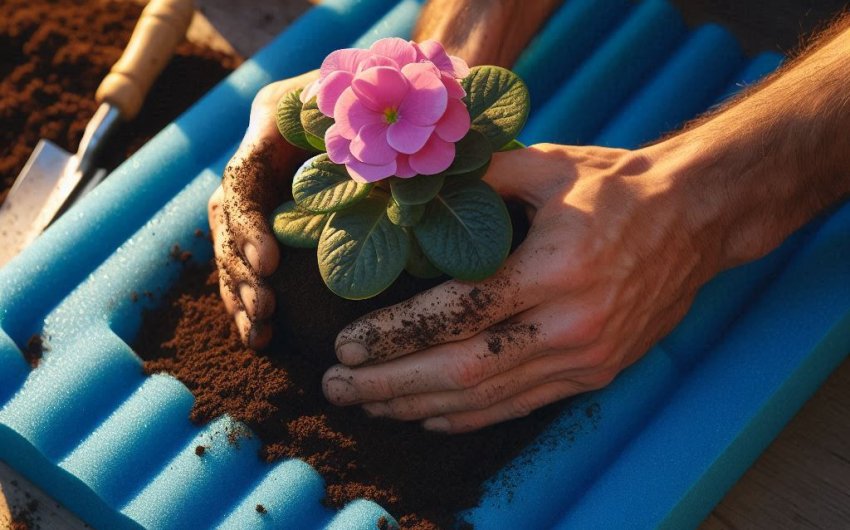
Gardening, while incredibly rewarding, often requires spending considerable time on your knees, whether you're weeding, planting, or tending to delicate blooms. The strain on your knees, particularly on hard or damp ground, can quickly turn a joyful activity into an uncomfortable chore. This is where kneeling pads step in as essential comfort solutions for gardeners. Far more than just a piece of foam, a good kneeling pad provides crucial cushioning, protection, and support, allowing you to enjoy your time in the garden for longer without aches and pains. Let's explore why kneeling pads are indispensable and what to look for when choosing the perfect one.
Why are Kneeling Pads Essential for Gardeners?
Kneeling is an unavoidable posture for many gardening tasks. Without proper protection, this repetitive stress can lead to discomfort, pain, and even long-term knee problems. Kneeling pads are specifically designed to alleviate these issues, making gardening more accessible and enjoyable for everyone.
What are the Key Benefits of Using a Kneeling Pad?
- Pain Relief: The primary benefit. A good pad cushions your knees from hard surfaces like concrete, rocks, or compacted soil, drastically reducing pressure and preventing bruising.
- Joint Protection: Provides a barrier between your knees and cold or damp ground, which can exacerbate joint pain (e.g., arthritis). It also protects against sharp objects like thorns, small stones, or hidden debris.
- Extended Comfort: Allows you to stay in a kneeling position for longer periods without discomfort, increasing your efficiency and enjoyment in the garden.
- Reduces Strain: Minimizes strain on your knees, hips, and back that comes from awkward kneeling positions or frequently getting up and down.
- Cleanliness: Keeps your knees clean and dry, preventing mud, grass stains, or dampness from seeping through to your clothes.
- Versatility: Beyond gardening, kneeling pads are useful for many other tasks around the house or garage, such as scrubbing floors, bathing children or pets, car repairs, or even yoga.
What Materials Make the Best Kneeling Pads?
The effectiveness and durability of kneeling pads largely depend on the materials they are made from. Different materials offer varying levels of cushioning, water resistance, and longevity.
Common Materials Used in Kneeling Pads:
- EVA Foam (Ethylene-Vinyl Acetate):
- Pros: Very lightweight, good cushioning, generally inexpensive, water-resistant (closed-cell foam won't absorb water), comes in various colors. Easy to clean.
- Cons: Can compress over time with heavy use, losing some cushioning. May degrade with prolonged UV exposure. Less durable than gel or dense rubber.
- Best For: General gardening, light to moderate use, budget-conscious gardeners. A popular and readily available type of EVA foam kneeling pad.
- Memory Foam:
- Pros: Excellent contouring and pressure relief, adapts to the shape of your knees for superior comfort. Often used as an inner layer.
- Cons: Can be more expensive. May absorb water if not encased in a waterproof cover. Can get hot.
- Best For: Gardeners with existing knee pain or those who need maximum pressure relief.
- Gel Inserts:
- Pros: Provides superb shock absorption and weight distribution. Very comfortable and durable. Often combined with foam layers.
- Cons: Can be heavier and more expensive. Some cheaper gels can migrate or break down over time.
- Best For: Professional gardeners, those with chronic knee pain, or heavy-duty use. Look for gel kneeling pads for gardening.
- High-Density Foam (e.g., Nitrile Rubber/NBR):
- Pros: Denser and more resilient than standard EVA foam, offering better long-term cushioning and resistance to compression. Good water resistance.
- Cons: Can be slightly heavier and more expensive than basic EVA.
- Best For: Regular gardeners, better durability than basic foam.
- Multi-Layered Construction:
- Pros: Many premium kneeling pads combine different materials (e.g., a dense foam base for support, a memory foam or gel layer for cushioning, and a durable outer shell) to offer the best of all worlds.
- Cons: Tend to be the most expensive.
- Best For: Optimal comfort and durability for avid gardeners.
Outer Covering/Shell Materials:
- Neoprene: Flexible, water-resistant, and durable.
- Heavy-Duty Fabric (e.g., Polyester, Nylon): Often water-resistant or waterproof-coated.
- Rubberized Coatings: Provide extra grip and protection.
When selecting a kneeling pad, consider both the core cushioning material and any outer coverings for a balance of comfort, durability, and water resistance.
What Size and Thickness are Best for Kneeling Pads?
The size and thickness of a kneeling pad directly relate to the level of comfort and protection it provides. Finding the right dimensions ensures adequate cushioning without being overly cumbersome.
How to Choose the Right Thickness?
- Minimum (1/2 inch to 3/4 inch):
- Pros: Very lightweight, portable, often inexpensive.
- Cons: Offers minimal cushioning, quick to compress, best for very short tasks or softer ground.
- Best For: Light, occasional use, or as a secondary pad.
- Standard (1 inch to 1.5 inches):
- Pros: Good balance of cushioning, portability, and value. Provides adequate protection for most surfaces and tasks.
- Cons: May still compress over time with heavy use.
- Best For: Most general gardeners for regular use on various surfaces. A popular thickness for a garden kneeling pad.
- Thick/Heavy-Duty (1.5 inches to 2+ inches):
- Pros: Maximum cushioning and pressure relief, excellent for hard surfaces (concrete, gravel), ideal for extended kneeling tasks, durable.
- Cons: Can be heavier, bulkier, and more expensive.
- Best For: Gardeners with chronic knee issues, professional landscapers, or those spending long hours kneeling.
Rule of Thumb: Thicker is generally better for comfort, especially on very hard or uneven surfaces. However, it comes with increased bulk and weight.
How to Choose the Right Size (Length and Width)?
- Standard (approx. 18" x 11"):
- Pros: Most common size, provides enough space for two knees for most adults. Easy to carry and store.
- Cons: Might feel cramped for larger individuals or during prolonged shifting of position.
- Best For: Most general gardening tasks.
- Large/Extra-Large (20+" x 12"+):
- Pros: Provides more surface area for comfort and movement, ideal for larger individuals, or when working in one spot for an extended period.
- Cons: Less portable, takes up more storage space.
- Best For: Avid gardeners, those who need more room to shift, or professionals.
- Small/Compact (12" x 8" or smaller):
- Pros: Very portable, easy to stash in a garden tote.
- Cons: Only fits one knee comfortably, less versatile.
- Best For: Very small tasks, or to supplement a larger pad.
Consider your typical gardening stance and the size of your body. If you tend to shift a lot or have broader knees, a larger pad will be more comfortable. For quick, localized tasks, a standard size is usually fine.
What Features Enhance a Kneeling Pad's Functionality?
Beyond basic cushioning, many kneeling pads come with clever features that enhance their durability, portability, and overall user experience. These details can significantly improve a gardener's comfort and efficiency.
Key Functional Features to Look For:
- Waterproof/Water-Resistant Exterior:
- Benefit: Essential for gardening. Prevents water, mud, and dampness from soaking into the pad and transferring to your clothes. Also makes cleanup easy.
- Look for: "Waterproof," "water-resistant," or materials like closed-cell EVA foam, neoprene, or durable coated fabrics.
- Integrated Handle:
- Benefit: Makes carrying the pad much easier. Can be a simple cut-out or a sturdy fabric strap.
- Look for: A comfortable, durable handle. A kneeling pad with handle is a practical choice.
- Non-Slip Surface:
- Benefit: Prevents the pad from sliding around on wet grass, slick concrete, or uneven terrain, enhancing safety and stability.
- Look for: Textured surfaces, ribbed patterns, or a rubberized bottom layer.
- Durability/Tear Resistance:
- Benefit: A good pad should withstand punctures from twigs, thorns, or small rocks, and resist tearing with regular use.
- Look for: High-density foams, robust outer coverings, and quality stitching if it's a multi-layered design.
- Easy to Clean:
- Benefit: A simple wipe-down with a damp cloth should be sufficient for most garden grime.
- Look for: Smooth, non-porous surfaces.
- Lightweight:
- Benefit: While thickness adds weight, some materials (like EVA foam or some gel compositions) remain relatively light for their cushioning, making them easy to carry around the garden.
- Multi-Purpose Design (Optional):
- Some kneeling pads are designed to double as a seat (e.g., foldable kneeling stools) or have features useful for other activities.
Consider These Optional Features:
- Portability/Foldability: If you need to carry it long distances or have limited storage, a thinner, lighter, or foldable pad might be preferred.
- Color: Bright colors can make the pad easier to spot in the garden, reducing the chance of leaving it behind.
- Ergonomic Shape: Some pads have contoured designs to better cradle the knees.
By paying attention to these functional features, you can select a kneeling pad that not only provides comfort but also enhances your overall gardening experience, making chores easier and more enjoyable.
How Do You Choose Between a Kneeling Pad and a Kneeling Stool?
While kneeling pads offer excellent cushioning, some gardeners prefer the versatility of a kneeling stool. Understanding the pros and cons of each will help you decide which is the best comfort solution for your gardening style.
Kneeling Pad (The Focus of this Guide):
- Pros:
- Portability: Very lightweight and easy to carry around the garden.
- Flexibility: Can be placed on any surface, uneven ground, or tight spots where a stool might not fit.
- Cushioning: Provides direct knee protection from hard, cold, or damp surfaces.
- Simplicity: No moving parts, nothing to assemble.
- Cost: Generally more affordable.
- Cons:
- No Handles for Standing: Doesn't offer support for getting up or down.
- Lower to Ground: You're still directly on the ground, which some find difficult for movement.
- Limited Seating: Not designed for sitting (though some might use it as a makeshift cushion).
- Best For: Gardeners who frequently move from spot to spot, work on diverse terrain, or prefer to be low to the ground. A heavy-duty kneeling pad is perfect for this.
Kneeling Stool (Bench with handles):
- Pros:
- Dual Functionality: Serves as both a kneeling platform and a low garden bench/seat.
- Assistance for Standing: The handles provide sturdy support for pushing up to a standing position, which is a significant advantage for those with knee or back issues.
- Elevated Kneeling: Keeps your knees slightly off the ground, even from dampness.
- Storage: Some models have built-in tool pouches.
- Cons:
- Less Portable: Heavier and bulkier than a pad. Can be cumbersome to move frequently.
- Less Flexible: Can't be used in very tight spaces or on extremely uneven ground.
- Higher Cost: More expensive than most pads.
- Bulkier Storage: Takes up more space.
- Best For: Gardeners who spend longer periods in one spot, need assistance getting up and down, or prefer the option of sitting while gardening. A kneeling garden stool with handles is a popular option.
Making Your Decision:
- Your Mobility: If you struggle to get up from the ground, a kneeling stool might be invaluable.
- Type of Tasks: If you do a lot of precise work low to the ground, a pad might be more comfortable. If you sit and prune, a stool is better.
- Garden Layout: Does your garden allow space for a stool, or do you need something more adaptable for tight rows?
- Budget: Kneeling pads are generally more budget-friendly.
- Combination: Many avid gardeners own both – a pad for quick tasks and a stool for longer sessions or when extra support is needed.
Ultimately, both are excellent comfort solutions for gardeners. The choice depends on your personal needs, physical capabilities, and gardening style.
How Do You Care for Your Kneeling Pad to Extend Its Life?
Even the highest quality kneeling pads will eventually show wear, but proper care and maintenance can significantly extend their lifespan, ensuring your gardening comfort for many seasons to come.
What are Essential Care Tips for Kneeling Pads?
- Clean After Each Use:
- Wipe Down: After each gardening session, wipe off dirt, mud, and grass stains with a damp cloth or sponge. For stubborn grime, use a mild soap solution (like dish soap).
- Rinse Off: If it's heavily soiled, you can rinse it with a garden hose.
- Avoid Abrasives: Do not use harsh chemical cleaners, abrasive scrubbers, or stiff brushes, as these can damage the pad's surface or outer coating.
- Allow to Dry Completely:
- Prevent Mold/Mildew: Before storing, ensure the kneeling pad is completely dry, especially if it has a fabric cover or is a multi-layered design. Storing a damp pad can lead to mold, mildew, and unpleasant odors.
- Air Dry: Air dry the pad in a well-ventilated area, out of direct sunlight.
- Store Properly:
- Indoor Storage: When not in use (especially during the off-season), store your kneeling pad indoors, away from direct sunlight and extreme temperatures. A shed, garage, or even a utility closet is ideal.
- Avoid Prolonged Sun Exposure: While many pads are UV-resistant, continuous sun exposure will degrade materials over time, making them brittle or causing colors to fade.
- Flat Storage: Store flat or hang by its handle if it has one. Avoid folding or creasing it tightly for long periods, which can cause permanent compression or cracks.
- Protect from Punctures/Sharp Objects:
- Be Mindful: While durable, no kneeling pad is completely puncture-proof. Try to clear sharp twigs, thorns, or very jagged rocks from your kneeling area before placing the pad down.
- Avoid Rough Surfaces: Limit direct use on extremely rough concrete or gravel for prolonged periods, which can accelerate wear and tear. If unavoidable, choose a thicker, more durable pad.
- Address Damage Promptly:
- If you notice small cuts or tears, especially in foam pads, consider using a strong, flexible adhesive (like Shoe Goo or a flexible sealant) to repair them. This can prevent further tearing and water intrusion.
By implementing these simple care routines, you ensure your kneeling pads remain effective comfort solutions for gardeners for many seasons, continuing to protect your knees and enhance your enjoyment in the garden.