
Garden Scissors: The Secret to Neat Flower Arrangements
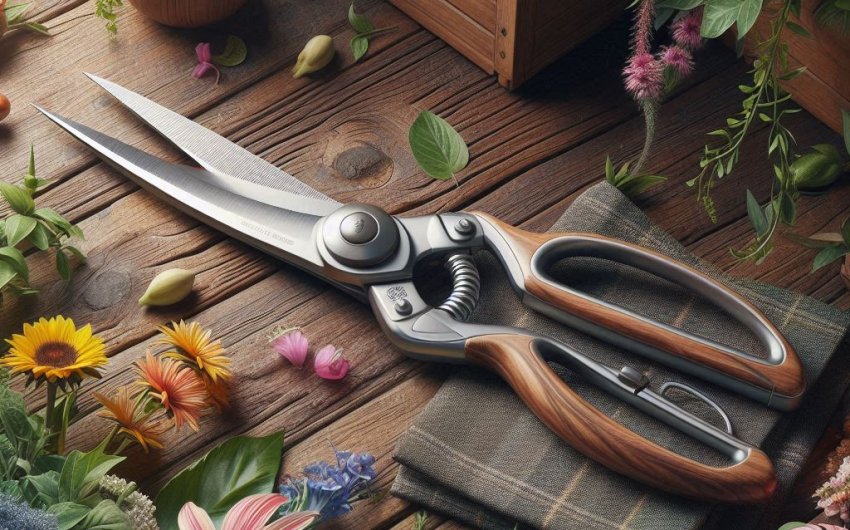
Unlocking the secret to neat flower arrangements often begins with a simple yet powerful tool: garden scissors. While various cutting tools exist for the garden, a good pair of garden scissors offers unparalleled precision and delicate handling, making them indispensable for harvesting blooms and shaping them into exquisite displays. This comprehensive guide will explore why these specialized scissors are superior for floral work, the different types available, and how to use them effectively to ensure every cut contributes to beautiful, long-lasting arrangements.
Why Are Garden Scissors So Important for Flower Arrangements?
While you might be tempted to grab any old pair of shears or kitchen scissors, dedicated garden scissors are specifically designed to handle the delicate stems of flowers, offering advantages that significantly impact the quality and longevity of your arrangements.
Precision and Clean Cuts
The primary reason to use garden scissors for flower arrangements is the cleanliness and precision of the cut.
- Preventing Stem Damage: Unlike dull or inappropriate tools that crush and tear stems, sharp garden scissors make a clean, swift cut. Crushed stems cannot properly absorb water, leading to rapid wilting and a much shorter vase life for your flowers.
- Promoting Water Uptake: A smooth, precise cut allows the stem's vascular system (the tiny tubes that transport water) to remain open and undamaged, maximizing water uptake. This is crucial for keeping flowers fresh and vibrant.
- Fine Tuning: The smaller, often pointed blades of garden scissors allow for precise trimming of individual stems, removing leaves, or shaping delicate foliage without damaging neighboring blooms or buds.
Protecting Your Plants
Using the right tool also benefits the plant still in the garden.
- Minimizing Stress: A clean cut on the plant reduces stress and the risk of disease entry points, promoting faster healing and healthier regrowth.
- Targeted Harvesting: With garden scissors, you can easily snip off individual blooms without harming the surrounding plant structure, encouraging further flowering.
Ergonomics and Comfort
Garden scissors are designed with the user in mind, especially for repetitive cutting tasks.
- Comfortable Handles: Often featuring ergonomic grips, they reduce hand fatigue during extended periods of cutting.
- Lightweight Design: Their typically lighter weight compared to heavy pruning shears makes them easy to maneuver, particularly when working with delicate flowers.
In essence, garden scissors are the secret to neat flower arrangements because they respect the integrity of the bloom, ensuring both beauty and longevity in your floral creations.
What Are the Different Types of Garden Scissors for Floral Work?
The term garden scissors can encompass several variations, each with unique features that make them suitable for specific aspects of floral harvesting and arrangement. Understanding these types will help you choose the best tools for your needs.
Floral Snips (Flower Snips)
These are arguably the most common and versatile type of garden scissors specifically designed for floral work.
- Characteristics: Typically have slender, sharp blades, often with pointed tips. They are lightweight and designed for one-handed operation.
- Uses:
- Harvesting Delicate Flowers: Ideal for cutting stems of roses, dahlias, zinnias, and other cut flowers from the garden.
- Trimming for Arrangements: Perfect for making precise cuts to adjust stem length, remove lower leaves, and clean up foliage for flower arrangements.
- Deadheading: Excellent for removing spent blooms from plants to encourage more flowering.
- Blade Material: Look for high-carbon steel or stainless steel blades for durability and rust resistance.
- Spring Mechanism: Many have a spring-loaded mechanism that opens the blades after each cut, reducing hand fatigue. A popular choice is Fiskars Micro-Tip Pruning Snips.
Japanese Floral Scissors (Ikebana Scissors)
These specialized scissors are traditional tools used in the art of Ikebana, Japanese flower arranging, but are also popular among general floral enthusiasts.
- Characteristics: Distinctive large, flat handles that fit comfortably in the palm, and shorter, thicker, very sharp blades. The blades are often set at an angle.
- Uses:
- Precise Cuts: Their design allows for incredibly precise, clean cuts on both delicate flower stems and tougher woody material.
- Splitting Stems: Some designs are robust enough to split woody stems, which can improve water uptake for certain flowers.
- Removing Thorns: The thick blades can also be used to strip thorns from roses.
- Blade Material: Typically made from high-carbon steel, known for holding a very sharp edge.
- Durability: Built to last for generations with proper care. A good example is Japanese Ikebana Scissors.
Herb Scissors (Multi-Blade Scissors)
While not primarily for flower arrangements, these can be useful for preparing large quantities of delicate foliage or herbs that might be incorporated into an arrangement.
- Characteristics: Feature multiple parallel blades, often 3 or 5, resembling a comb.
- Uses: Quickly snip herbs or fine foliage into small, uniform pieces.
- Limitations: Not suitable for single, precise cuts on flower stems, as they will crush rather than cleanly cut.
Everyday Shears (For Heavier Duty)
While not "scissors" in the traditional sense, some lightweight pruning shears (bypasses pruners) can bridge the gap for thicker stems that floral snips might struggle with.
- Bypass Pruners: Blades pass each other like scissors, making a clean cut. Choose a smaller, lighter pair for floral work.
- Limitations: Generally too bulky for delicate, precise work on thin flower stems. Use these for woody stems larger than 1/4 inch in diameter.
Choosing the right type of garden scissors depends on the specific flowers you're working with and the level of precision required. Many enthusiasts own both floral snips for everyday use and a more specialized pair for specific tasks or thicker stems.
How Do I Choose the Best Pair of Garden Scissors?
Selecting the right garden scissors is an investment in your floral arranging hobby or profession. A good pair will last for years and make a noticeable difference in your work. Here are the key factors to consider:
Blade Material and Sharpness
- High-Carbon Steel: This is the gold standard for sharpness and durability. Blades made from high-carbon steel can take and hold a very fine, sharp edge, which is critical for clean cuts on delicate flower stems. They are prone to rust, so they require regular cleaning and oiling.
- Stainless Steel: Offers excellent rust resistance, making them easier to maintain. While they might not hold an edge quite as long as high-carbon steel, good quality stainless steel blades are still very sharp and durable. They are a great choice for casual users.
- Titanium Coated: Some blades are titanium coated. This can enhance hardness and corrosion resistance, but the quality of the underlying steel is still paramount.
- Blade Finish: Look for blades that are finely ground and polished. A smooth finish helps prevent sap buildup and makes cleaning easier.
Blade Type
- Bypass Blades: Most garden scissors for floral work will have bypass blades, where two blades pass each other like traditional scissors. This creates a clean, scissor-like cut, essential for delicate stems without crushing.
- Micro-Tip: Many floral snips feature micro-tips or pointed tips. These are excellent for getting into tight spaces, making precise cuts, and navigating dense foliage.
Handle Design and Ergonomics
- Comfort: The handles should feel comfortable in your hand, even after prolonged use. Look for ergonomic designs that fit your hand size.
- Material:
- Rubberized or Padded Grips: Offer comfort and a non-slip grip, even when hands are wet.
- Metal (e.g., Japanese floral scissors): Often very durable and can be comfortable if designed well to fit the palm.
- Plastic/Composite: Lightweight, but ensure they are sturdy and don't feel flimsy.
- Spring Mechanism: A spring-loaded mechanism (often visible between the handles) helps open the blades after each cut, reducing hand fatigue, especially when making many cuts.
- Locking Mechanism: A safety lock that keeps the blades closed when not in use is a useful feature, preventing accidental cuts and protecting the blade.
Size and Weight
- Overall Length: Most floral snips are relatively compact, usually ranging from 6 to 8 inches in length. Choose a size that feels balanced and maneuverable for your hand.
- Weight: Lighter scissors are generally preferred for delicate work, as they reduce fatigue during repetitive tasks.
Durability and Build Quality
- Joint/Pivot: Check the pivot point where the blades meet. It should feel sturdy and have no wobble. A good quality bolt or rivet is a sign of durable construction.
- Overall Feel: The scissors should feel solid and well-constructed, not flimsy. Investing a bit more in a quality pair can save you money and frustration in the long run.
Price vs. Quality
While you don't need to break the bank, generally, better materials and craftsmanship come at a higher price. Think of your garden scissors as an investment. For a balance of quality and value, brands like Fiskars Micro-Tip Pruning Snips or reputable Japanese brands offer excellent performance for floral enthusiasts.
By carefully considering these factors, you can select the perfect pair of garden scissors that will make all the difference in achieving those beautiful, neat flower arrangements.
What Are the Best Techniques for Using Garden Scissors in Floral Arranging?
Effective use of garden scissors goes beyond simply cutting. Proper technique ensures clean cuts for longer-lasting blooms and helps you achieve the desired shape and balance in your flower arrangements.
Harvesting Flowers from the Garden
- Timing is Key: Harvest flowers in the early morning after the dew has dried, or in the late afternoon/early evening. This is when the stems are most turgid (full of water) and least stressed by heat.
- Angle of Cut: Make a clean, 45-degree angle cut on the stem. This angled cut increases the surface area for water absorption and prevents the stem from sitting flat on the bottom of the vase, which could block water uptake.
- Where to Cut:
- For single stems (like roses or dahlias), cut just above a set of leaves or a node (where new growth emerges). This encourages the plant to produce more blooms.
- For branching flowers, cut the entire stalk back to a strong side shoot or the main stem.
- Immediate Hydration: As soon as you cut a stem, plunge it into a bucket of water. This prevents air bubbles from entering the vascular system, which can block water uptake and cause wilting. A flower-cutting bucket can be very useful.
Preparing Flowers for the Vase (Processing)
- Remove Lower Foliage: Once indoors, use your garden scissors to remove all leaves that would fall below the waterline in your vase. Submerged leaves decompose quickly, introducing bacteria into the water, which can clog stems and shorten vase life.
- Recut Stems: Before placing flowers in the vase, always recut the stems (again, at a 45-degree angle) under running water or in a bowl of water. This is crucial as air bubbles can form at the end of the stem after harvesting, blocking water uptake. Cutting under water prevents these bubbles.
- Trim Any Damaged Ends: Snip off any discolored, crushed, or soft stem ends with your sharp garden scissors.
Arranging Techniques
- Measure Before You Cut: Hold the flower stem against your vase to estimate the desired length before making the final cut. Remember you can always cut more, but you can't add length back!
- Varying Heights: Use your garden scissors to cut stems to different lengths to create visual interest and depth in your arrangement. Start with your tallest central flowers, then add shorter ones.
- Cleanliness: Throughout the arranging process, keep your garden scissors clean. Wipe off any sap or debris to maintain a sharp cut and prevent bacterial transfer.
- Strategic Removal: Use the fine tips of your garden scissors to strategically remove any leaves or small branches that are blocking other flowers, creating too much bulk, or detracting from the overall shape.
Advanced Tips
- Woody Stems: For very woody stems (like lilacs or hydrangeas), after making your angled cut, you can gently split the bottom inch or two of the stem with your robust garden scissors or a sharp knife. This increases the surface area for water absorption.
- Hollow Stems: For hollow stems (like delphiniums), you can fill the stem with water before placing it in the vase, or poke a small hole just below the flower head to release trapped air, preventing bending.
By employing these techniques with your sharp garden scissors, you'll ensure that your flowers not only look beautiful but also remain hydrated and fresh, making your flower arrangements last longer and look truly professional.
How Do I Maintain and Store My Garden Scissors for Longevity?
To ensure your garden scissors remain the secret to neat flower arrangements for years to come, proper maintenance and storage are paramount. A well-cared-for tool will always perform better and last longer.
Cleaning After Every Use
- Immediate Clean-up: As soon as you've finished using your garden scissors, clean them. Sap, soil, and plant debris can quickly build up and harden on the blades, making them dull and sticky.
- Wipe Blades: Use a damp cloth or sponge to wipe down the blades, removing any visible gunk. For stubborn sap, use a product like Rubbing Alcohol or mineral spirits.
- Dry Thoroughly: After cleaning, always dry the blades completely. Moisture is the enemy of metal and leads to rust.
Sharpening the Blades
- Frequency: The frequency depends on use, but generally, sharpen your garden scissors whenever you notice them tearing or crushing stems instead of making clean cuts. This could be every few uses or once a season for casual users.
- Method:
- Sharpening Stone: Use a fine-grit sharpening stone (e.g., Arkansas sharpening stone). Apply a few drops of honing oil or water (depending on the stone type) to the stone.
- Angle: Maintain the original bevel angle of the blade. Place the blade flat against the stone at the correct angle and draw it across the stone in one direction, lifting on the return stroke. Repeat several times.
- Both Sides: Sharpen both sides of the bypass blades.
- Small Sharpeners: You can also use a dedicated garden tool sharpener designed for pruners and snips.
- Safety: Always wear sturdy gloves when sharpening.
Oiling and Lubricating
- Rust Prevention: After cleaning and drying, apply a thin coat of oil to the metal blades. This protects against rust and helps the blades move smoothly.
- Linseed Oil: A natural choice.
- Mineral Oil: Non-toxic and readily available.
- 3-in-1 Oil or multi-purpose lubricant: Also effective.
- Pivot Point: Apply a drop of oil to the pivot point (where the two blades meet) and work the blades open and closed a few times to lubricate the mechanism. This ensures smooth action and prevents seizing.
Inspection and Minor Repairs
- Check for Looseness: Periodically check the pivot screw or bolt. If it's loose, tighten it to ensure the blades operate without wobble.
- Blade Alignment: Ensure the blades meet correctly. If they are misaligned (which can happen after a drop or heavy use), some models allow for adjustment.
Proper Storage
- Dry Location: Always store your garden scissors in a dry, well-ventilated place, like a garden shed or garage. Avoid leaving them outdoors, even under cover, where humidity can cause rust.
- Safety Lock: Engage the safety lock to keep the blades closed when not in use. This protects both the blades and prevents accidental injury.
- Hang Tools: Store them hanging on a hook or in a designated tool rack to keep them off the ground and prevent contact with moisture. A tool organizer keeps them easily accessible.
By dedicating a few moments to cleaning, sharpening, and oiling your garden scissors after each use, you'll ensure they remain sharp, functional, and ready to help you create stunning, long-lasting flower arrangements, truly living up to their name as the secret to neat flower arrangements.