
Plant Labels: Keep Your Garden Organized and Informative
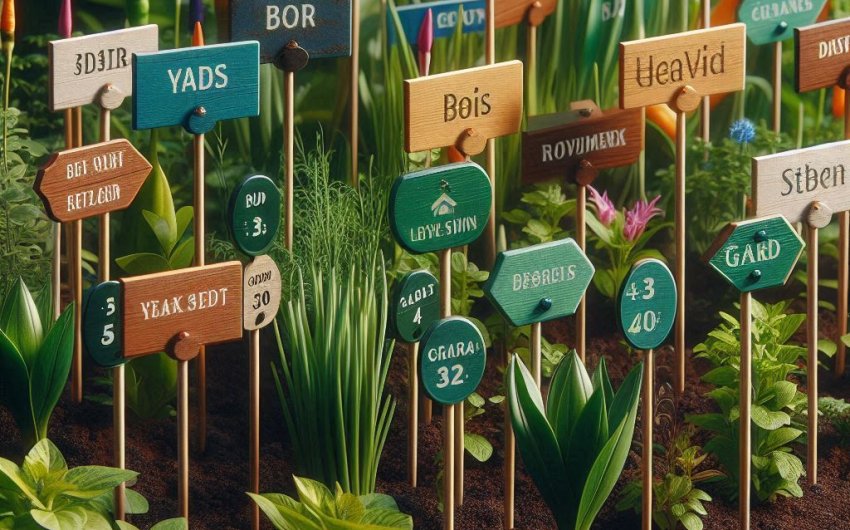
Plant labels are far more than just decorative garden accessories; they are essential tools for keeping your garden organized, informed, and truly thriving. Whether you're a seasoned horticulturist with a diverse collection or a beginner just starting your first vegetable patch, clear and durable plant markers can prevent confusion, save you time, and even enhance your gardening knowledge. From identifying newly sown seeds to remembering specific plant varieties, understanding the immense value of plant labels will transform your gardening experience from chaotic to perfectly controlled.
Why Are Plant Labels Indispensable for Any Gardener?
Every gardener, regardless of experience level, quickly learns the frustration of forgotten plant names or misplaced seeds. Plant labels are the simple solution to these common dilemmas, providing clarity and structure to your green space.
What are the Core Benefits of Using Plant Labels?
- Identification: The most obvious benefit. Knowing exactly what's growing where, especially with young seedlings or dormant perennials. No more "mystery plants" in your beds!
- Organization: Keeps your garden tidy and visually structured. Helps differentiate between similar-looking varieties or young plants and weeds.
- Information Hub: Beyond just names, labels can record crucial details like planting dates, variety names, expected harvest times, or specific care needs.
- Educational Tool: Especially valuable for teaching children about different plants and their growth cycles.
- Aesthetic Appeal: Many modern plant labels are designed to be beautiful, adding to the visual charm of your garden.
- Record Keeping: Facilitates better record-keeping for future planning and evaluating plant performance.
What Types of Plant Labels Are Available?
The market offers a vast array of plant labels, each with its own advantages, disadvantages, and aesthetic appeal. Choosing the right type depends on your garden's style, the duration you need the label to last, and your budget.
Common Materials and Designs for Plant Labels:
| Type of Label | Material & Design | Pros | Cons | Best Use Case |
|---|---|---|---|---|
| Plastic T-Type | White plastic "T" shape with flat writing area. | Inexpensive, readily available, lightweight. | UV degradation (brittle/fades), less aesthetic, can snap easily. | Seed trays, temporary marking, annuals. |
| Plastic Stick | Flat plastic rectangle on a stick. | Similar to T-type, but often larger writing space. | Same as T-type. | Potting, small garden beds, quick marking. |
| Wooden Stakes | Natural wood stick or paddle shape. | Eco-friendly, natural look, inexpensive. | Prone to rot/degrade quickly, writing fades/washes off easily. | Temporary, decorative, quick, eco-conscious. |
| Metal Stake (Copper/Zinc) | Metal plate on a durable metal stake. | Very durable, long-lasting, elegant, weather-resistant. | More expensive, can be sharp edges. | Perennials, herbs, shrubs, upscale gardens. |
| Slate/Stone | Small pieces of natural slate/stone. | Very aesthetic, durable, unique. | Heavy, prone to chipping, writing needs specific pens, can be expensive. | Herb gardens, formal gardens, decorative. |
| Ceramic/Terra Cotta | Decorative glazed or unglazed pieces. | Charming, artistic, durable. | Can be fragile, break if dropped. | Herb gardens, container gardens, decorative. |
| Chalkboard | Small slate or painted wood/metal with stake. | Reusable, changeable writing. | Writing washes off easily, best for protected areas. | Temporary, decorative, highly changeable info. |
| Hanging Tags | Tags that tie or clip to branches/stems. | Good for trees, shrubs, espaliers. | Can chafe bark, might get lost in foliage. | Trees, shrubs, fruit bushes. |
| Planting Sticks (DIY) | Reused popsicle sticks, bamboo skewers, etc. | Free, eco-friendly, customizable. | Very temporary, degrade quickly. | Seedlings, quick temporary marking. |
What Information Should You Include on Plant Labels?
The type of information you put on your plant labels can range from basic identification to detailed cultivation notes. The more organized you are, the more helpful your labels will be for managing your garden.
Essential Information for Most Plants:
- Plant Name:
- Common Name: "Tomato," "Lettuce," "Rose." This is usually sufficient for everyday use.
- Variety Name: "Roma Tomato," "Buttercrunch Lettuce," "Peace Rose." This is crucial for tracking performance and reordering specific favorites.
- Planting Date/Sowing Date:
- For annuals and vegetables, knowing when they were planted helps track growth, predict harvest times, and remember succession planting schedules.
- For perennials, it helps remember how long they've been established.
Advanced Information for Detailed Gardeners:
- Harvest Date/Expected Harvest: Especially useful for vegetables to know when to start checking for ripeness.
- Care Notes:
- "Full Sun," "Partial Shade"
- "Needs Consistent Water"
- "Heavy Feeder" (for fertilization reminders)
- "Deer Resistant" or "Pollinator Attractor"
- "Prune After Flowering"
- Source/Supplier: Where you bought the seeds or plants (e.g., "Burpee," "Local Nursery"). This helps if you want to reorder or look up specific details.
- Yield/Performance Notes: For trial varieties, you might add notes like "High Yield," "Resistant to Blight," or "Best Flavor." This is often too much for a label but can be a quick reference to detailed garden journals.
- Scientific Name (for specific collections): If you collect rare plants or want to be precise, the botanical name (e.g., Rosa peace) can be included.
- Color/Height: Useful for ornamental plants when planning garden design.
How to Prioritize Information for Your Labels:
- Short-Term Crops (Annuals, Vegetables): Focus on Plant Name, Variety Name, and Planting Date.
- Long-Term Plants (Perennials, Shrubs, Trees): Prioritize Plant Name, Variety Name, and perhaps general care notes or planting date.
- Limited Space Labels: Use abbreviations or codes (e.g., "Tom RM" for Roma Tomato, "PD: 5/15" for Planting Date: May 15).
How Do You Choose Durable and Readable Plant Labels?
The best plant labels are those that remain readable and intact throughout the growing season and beyond. Durability and readability are paramount for their long-term utility in your garden.
What Factors Influence Label Durability?
- Material Resistance to UV Rays: Sunlight causes most plastics to become brittle and discolored over time. Look for UV-stabilized plastics or materials like metal (copper, zinc, stainless steel), slate, or ceramic, which are naturally UV resistant.
- Weather Resistance: The label must withstand rain, humidity, frost, and temperature fluctuations without degrading, rusting, or dissolving. Metal and slate are excellent here. Treated wood can last longer, but eventually breaks down.
- Physical Robustness: The label should be sturdy enough not to break if accidentally knocked, stepped on, or blown around by wind. Thicker plastic, metal, and stone are generally more robust.
What Factors Influence Label Readability?
- Writing Instrument: This is critical!
- Permanent Markers: Many "permanent" markers fade quickly in sunlight or wash off with rain. Look for garden markers specifically designed to be UV-resistant and waterproof. Garden marker pens are formulated for this purpose.
- Grease Pencils/China Markers: Excellent for plastic labels, they are wax-based and very resistant to fading and washing.
- Pencil: Regular graphite pencils work surprisingly well on plastic labels (if the surface is slightly rough) and are very UV stable.
- Paint Pens: Acrylic or oil-based paint pens can provide a very durable, opaque mark on various surfaces.
- Engraving/Stamping: For metal or wooden labels, physically engraving or stamping the names offers the most permanent solution. Garden label stamp kits are available.
- Surface Texture/Color:
- Smooth, light-colored surfaces provide the best contrast for dark writing.
- Dark labels require light-colored pens for readability.
- Porous surfaces like unsealed wood or terra cotta can absorb ink, leading to bleeding or fading.
- Font Size and Clarity: Write clearly and large enough to be easily read from a standing position. Avoid overly fancy scripts.
Best Combinations for Durability and Readability:
- For Long-Term/Perennials:
- Copper or Zinc Labels: Etched or stamped, these will last decades and develop a beautiful patina.
- Metal Stake Labels: With information written using a durable garden marker or paint pen.
- For Annuals/Vegetables:
- Plastic Labels with Grease Pencil/Paint Pen: A good balance of cost, durability for a season, and readability.
- Wooden Labels (sealed/painted) with Paint Pen: More aesthetic, but require sealing to last.
Can You Make DIY Plant Labels?
Absolutely! Creating your own plant labels is a fun, creative, and often eco-friendly way to personalize your garden while still keeping it organized. Many common household items can be repurposed into charming and functional plant markers.
What are Popular DIY Plant Label Ideas?
- Popsicle Sticks/Craft Sticks:
- How to: Write directly on them with a permanent garden marker. For more durability, paint them with exterior-grade paint before writing, or apply a clear sealant afterwards.
- Pros: Very cheap, readily available, biodegradable (if untreated).
- Cons: Very temporary, degrade quickly in moisture.
- Painted Rocks:
- How to: Collect smooth, flat rocks. Wash them thoroughly. Paint the name of the plant with outdoor acrylic paint or a paint pen. You can paint a background color first for better contrast. Seal with an outdoor clear coat.
- Pros: Durable, natural aesthetic, heavy (won't blow away), can be very decorative.
- Cons: Not suitable for all garden styles. Need a specific type of rock.
- Wine Corks:
- How to: Write directly on the cork with a permanent marker, or stamp/burn names into them. Attach them to bamboo skewers with a bit of hot glue or by pushing the skewer into the cork.
- Pros: Eco-friendly, charming, free (if you drink wine!).
- Cons: Not extremely durable, cork can degrade over time.
- Recycled Plastic Containers:
- How to: Cut strips from plastic milk jugs, yogurt containers, or clam-shell packaging. Use scissors to create T-shapes or straight stakes. Write with a grease pencil or a good garden marker.
- Pros: Free, eco-friendly, UV resistant (especially HDPE plastics like milk jugs).
- Cons: Can be flimsy, aesthetics vary.
- Tin Cans/Aluminum Strips:
- How to: Cut strips from aluminum cans (be careful of sharp edges!). Write with a permanent marker or engrave/stamp names onto the metal. Attach to a stick or shape into a stake.
- Pros: Very durable, rust-resistant, unique industrial look.
- Cons: Can be sharp, requires care in making.
- Broken Terra Cotta Pots:
- How to: Salvage pieces of broken terra cotta pots. Write on the flat side with a paint pen or permanent marker. You can glue them to a stick or just place them flat.
- Pros: Rustic, attractive, repurposing.
- Cons: Fragile, can absorb water and degrade writing.
Tips for Successful DIY Labels:
- Weatherproof Your Writing: Always use a truly weatherproof marker or paint pen, and consider adding a clear, outdoor-grade sealant over your writing for extra protection.
- Consider Durability for Purpose: Use less durable DIY labels for annuals or seedlings, and more robust options for perennials.
- Safety First: Be mindful of sharp edges if cutting plastic or metal.
- Personalize: Let your creativity shine! DIY labels are a great way to add personal flair to your garden.
How Do Plant Labels Aid Garden Management and Learning?
Beyond simple identification, plant labels become an invaluable tool for strategic garden planning, troubleshooting, and deepening your understanding of horticulture. They turn your garden into a living laboratory.
How Do Labels Support Garden Management?
- Succession Planting: For vegetable gardens, labels that include planting dates allow you to easily track when one crop is finishing and when the next batch should be planted, ensuring a continuous harvest.
- Crop Rotation: Knowing exactly what was planted in each bed in previous seasons (via old labels or a journal referenced by current labels) is vital for proper crop rotation, which prevents nutrient depletion and disease buildup in the soil.
- Variety Performance Tracking: Did 'Early Girl' tomatoes outperform 'Celebrity' in your climate? Did 'Buttercrunch' lettuce bolt faster than 'Romaine'? Labels help you remember which varieties thrive in your specific garden conditions, guiding future seed and plant purchases.
- Troubleshooting: If a plant struggles, the label provides instant context. "Oh, this is 'Powdery Mildew Resistant Zucchini' that's still getting mildew, so maybe it's not the variety, but rather a drainage issue." Or "This 'Full Sun Lavender' isn't doing well in this partial shade spot."
- Weed vs. Desired Plant: Especially in early spring, when many desired plants emerge from dormancy, labels help you distinguish them from nascent weeds, preventing accidental removal of valuable plants.
- Pruning & Care Reminders: A label indicating "Prune after flowering" can remind you of specific needs for ornamental plants.
How Do Labels Enhance Garden Learning?
- Memory Aid: For beginners, remembering dozens of plant names and their care requirements is daunting. Labels serve as quick, accessible memory aids.
- Research Catalyst: Seeing a plant's name on a label can prompt you to research its specific needs, history, or optimal growing conditions, expanding your horticultural knowledge.
- Sharing Knowledge: If you have visitors or are part of a garden tour, labels are a polite and informative way to share your plant collection with others, sparking conversations and interest.
- Family Engagement: Involving children in creating and writing on plant labels makes gardening a more interactive and educational experience, fostering an early love for plants. They learn plant names, care needs, and the importance of organization.
- Historical Record: Over years, a well-labeled garden becomes a living history of your gardening journey, chronicling successes, experiments, and enduring favorites.
From the simplest seed tray to the most elaborate botanical display, plant labels are an indispensable tool for every gardener. By investing in durable, readable plant markers and making them an integral part of your gardening routine, you unlock a wealth of organizational benefits, practical information, and enhanced enjoyment. They are the silent, steadfast guardians of your garden's identity, ensuring that every green endeavor is well-remembered and wisely managed.