
Mastering the Mulching Fork: How to Use it Effectively
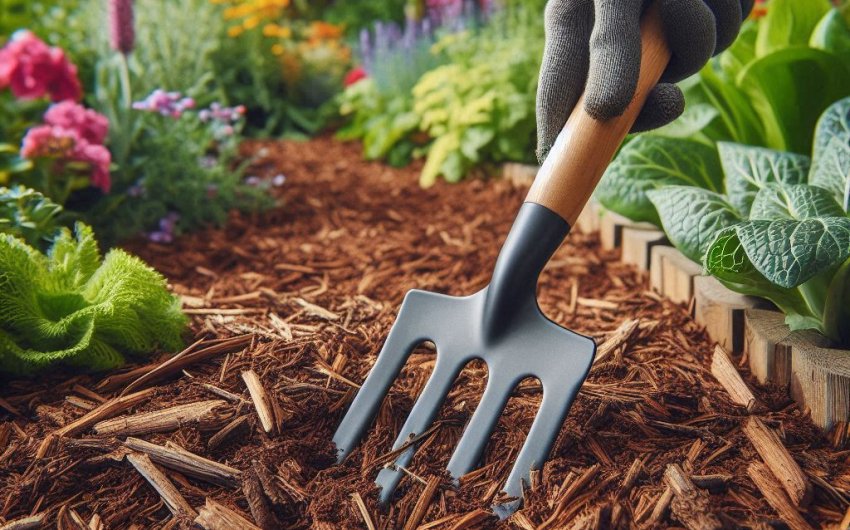
For anyone working with loose, bulky garden materials, the right tool can make all the difference, transforming a strenuous chore into a manageable task. When it comes to spreading and moving organic matter, mastering the mulching fork: how to use it effectively is a fundamental skill that every gardener or landscaper should cultivate. This specialized tool, often overlooked in favor of shovels or rakes, is uniquely designed to handle materials like compost, wood chips, straw, and hay with remarkable efficiency and less back strain.
What is a Mulching Fork and How Does it Differ from Other Garden Forks?
Often confused with digging forks or pitchforks, a mulching fork has distinct features that make it superior for handling loose, bulky organic materials. Understanding these differences is the first step in mastering the mulching fork: how to use it effectively.
Tine Design
The most distinguishing feature of a mulching fork is its numerous, closely spaced, flat or slightly curved tines. Unlike a digging fork, which has fewer, thicker, square-tapered tines designed to break up compacted soil, or a standard pitchfork with widely spaced, round tines for hay, a mulching fork's design allows it to scoop and hold bulky materials without letting them fall through. The tines are typically flat on the top side, allowing for a better scoop, and slightly angled. You can find a variety of mulching forks from garden tool suppliers.
Head Shape
The head of a mulching fork is often wider and has a slightly scooped or basket-like shape compared to the flatter heads of digging forks. This increased surface area and slight curve are ideal for gathering and carrying larger volumes of loose material, minimizing spills and increasing efficiency.
Handle Length and Material
Mulching forks typically come with long handles, often made of wood or fiberglass, providing ample leverage and reducing the need to bend over excessively. The length allows you to reach further and distribute mulch evenly without constantly moving your body.
Purpose
In essence, a mulching fork is specialized for moving and spreading bulky, lightweight materials. It excels where a shovel would struggle to pick up a loose pile, and a rake would simply spread it thinly. Its design is all about efficient gathering, lifting, and distributing of organic matter.
Why is a Mulching Fork Better for Spreading Mulch Than a Shovel?
While a shovel can technically move mulch, a mulching fork is significantly more efficient and ergonomic for the task. The differences in their design directly translate to superior performance, underscoring the importance of mastering the mulching fork: how to use it effectively.
Efficient Scooping
A shovel's flat blade is designed to slice into and lift denser materials like soil or gravel. When used for loose mulch, much of the material simply slides off the sides before you can lift it, requiring multiple inefficient scoops. A mulching fork, with its numerous tines and slightly scooped head, can effectively gather a large volume of loose mulch with a single pass, ensuring minimal spillage and maximizing payload.
Reduced Back Strain
Lifting heavy, wet mulch with a shovel puts a lot of strain on your back. A mulching fork allows you to pick up and spread material with a more upright posture, leveraging the length of the handle. You can lift from your legs and arms, rather than relying solely on your back, which significantly reduces fatigue and the risk of injury. The design allows you to effectively toss or distribute the mulch with a sweeping motion, rather than a hard lift and dump.
Even Spreading
The tines of a mulching fork naturally help to distribute mulch more evenly than a solid shovel blade. As you shake or sweep the fork, the material sifts off the tines in a more controlled and consistent layer, making it easier to achieve the recommended depth without creating thick clumps or bare spots. This precision is difficult to achieve with a shovel, which tends to dump mulch in concentrated piles.
Aeration and Lightness
Mulching forks are inherently lighter than shovels, making them easier to maneuver for extended periods. Their tines also help to aerate the mulch as you move it, which can be beneficial for some types of compost or wood chips, preventing compaction.
What are the Core Techniques for Effective Mulch Spreading?
Using a mulching fork isn't just about scooping; it involves a fluid motion that maximizes efficiency and minimizes effort. Mastering these techniques is fundamental to mastering the mulching fork: how to use it effectively.
The Scoop and Lift
- Approach the Pile: Position yourself comfortably in front of the mulch pile, ensuring good footing.
- Scoop Deep and Wide: Insert the tines of the fork deep into the mulch pile, aiming to scoop a full, generous load. Use your body weight to push the tines under the material.
- Leverage and Lift: Use the handle's length for leverage. Bend at your knees, not your back, and lift the fork smoothly, allowing the weight of the mulch to rest on the tines. Keep the tines slightly angled upwards to prevent material from sliding off.
The Swing and Scatter
- Pivot and Aim: Once the mulch is lifted, pivot your body towards the area where you want to spread the mulch.
- Controlled Release: With a controlled swing or shaking motion, gently release the mulch from the tines. This is where the flat, closely spaced tines really shine, allowing for an even distribution. Avoid simply dumping it in one spot.
- Layer Evenly: Aim to spread a consistent layer of mulch (typically 2-4 inches deep, depending on the material and plant needs). Use the back of the fork to lightly spread or level any high spots.
Working Around Plants
When mulching around existing plants, be mindful of their stems and trunks.
- Create a Doughnut: Always leave a small ring of space (an inch or two) around the base of tree trunks and plant stems. Piling mulch directly against them can trap moisture, leading to rot and encouraging pest activity. The fork's tines allow for precise placement around delicate plants.
- Gentle Tossing: For delicate plants, use a lighter, more controlled toss rather than a forceful swing to avoid damaging foliage.
Beyond Mulch: Other Effective Uses for a Mulching Fork
While its name implies a singular purpose, a mulching fork is a versatile tool that can be invaluable for handling a variety of loose organic materials in your garden. Its design makes it an excellent all-around tool, demonstrating broader applications for mastering the mulching fork: how to use it effectively.
Turning Compost Piles
While not a "no-turn" bioreactor, a traditional compost pile benefits greatly from regular turning to introduce oxygen and speed up decomposition. A mulching fork is ideal for this task. Its tines can easily penetrate the pile, lift and mix the materials, and aerate the entire mass, making it much more efficient than a shovel for this specific job.
Spreading Compost
Just like mulch, finished compost is best applied in an even layer across garden beds or lawns as a top-dressing. The mulching fork excels at scooping and scattering compost uniformly, ensuring that nutrients are distributed evenly without creating overly thick patches that could smother plants.
Moving Hay or Straw
If you use hay or straw for mulching, animal bedding, or as a component in a raised bed "lasagna" garden, a mulching fork is far more efficient than a pitchfork for moving and spreading these materials. Its more numerous, closer tines capture more of the finer strands.
Clearing Loose Debris
After pruning shrubs or small trees, a mulching fork can be used to efficiently gather and move loose piles of branches, twigs, and leaves to a compost pile or yard waste bin. It saves you from bending down repeatedly to pick up scattered debris by hand.
Aerating Garden Beds
For loose, established garden beds (not compacted turf), a mulching fork can be gently inserted and wiggled to introduce air without completely turning the soil structure. This helps improve drainage and oxygen availability for plant roots, particularly useful after heavy rains.
What are the Safety Tips for Using a Mulching Fork?
Like any garden tool, a mulching fork can be dangerous if not handled properly. Prioritizing safety ensures a productive and injury-free experience, a vital part of mastering the mulching fork: how to use it effectively.
Wear Appropriate Footwear
Always wear sturdy, closed-toe shoes or work boots when using a mulching fork. This protects your feet from accidental jabs from the tines or from falling material. Never use a fork while wearing sandals or open-toed shoes.
Mind Your Stance and Back
- Bend Your Knees: When scooping or lifting, always bend at your knees and use your leg muscles, not your back. Keep your back straight.
- Keep Load Close: Try to keep the load of mulch close to your body when lifting to minimize leverage on your back.
- Pivot, Don't Twist: When turning to spread mulch, pivot your feet and entire body rather than twisting your spine.
Clear Your Workspace
Ensure the area around you is clear of obstacles, tripping hazards, or other people (especially children and pets) before you begin to swing or toss mulch. This prevents accidental injuries.
Check the Tool Condition
Before each use, quickly inspect your mulching fork.
- Handle Security: Ensure the handle is securely attached to the head and free from cracks or splinters.
- Tine Integrity: Check that the tines are straight and not bent, dull, or broken. A damaged tine can snap off or cause an unstable load.
Store Properly
When not in use, store your mulching fork safely.
- Tines Down: Store it with the tines facing downwards in a designated tool rack or against a wall, to prevent accidental contact with the sharp ends.
- Clean and Dry: Clean off any residual dirt or material and dry the tines before storing to prevent rust, which can degrade the tool's effectiveness and lifespan.
How Do You Choose the Right Mulching Fork?
Selecting the correct mulching fork for your needs ensures comfort, durability, and effectiveness. A well-chosen tool is crucial for mastering the mulching fork: how to use it effectively.
Handle Material
- Wood: Traditional, offers good shock absorption, and feels natural. Look for ash or hickory for strength. Requires some maintenance (sanding, oiling) to prevent splinters and prolong life.
- Fiberglass: Lightweight, extremely strong, and durable. Resistant to moisture and rot. Often has a more modern, ergonomic feel.
- Steel/Composite: Some handles are made of steel or various composite materials, offering high durability but can sometimes be heavier or less flexible.
Handle Length
Consider your height and the type of work you'll be doing. A longer handle provides more leverage for tossing, while a slightly shorter one might be more manageable in tighter spaces. Standard long handles are usually sufficient for most users.
Tine Material and Construction
- Forged Steel: Considered the highest quality. The tines are made from a single piece of steel, making them incredibly strong, durable, and less prone to bending or breaking.
- Carbon Steel: Good quality, but can be prone to rust if not maintained.
- Stainless Steel: Excellent rust resistance but typically more expensive. Ensure the tines are securely attached to the handle, either by a strong socket connection or rivets.
Weight and Balance
Lift and feel several forks before buying. A well-balanced fork will feel comfortable in your hands and won't feel overly heavy or unwieldy, even when loaded with material. The right weight and balance contribute significantly to reducing fatigue during extended use.
Number and Spacing of Tines
For general mulching, look for a fork with 5 to 8 tines that are relatively closely spaced. This offers the best balance between scooping capacity and easy release of materials. Too few or too widely spaced tines will let material fall through, defeating the purpose.
By understanding its specialized design, employing proper scooping and spreading techniques, prioritizing safety, and selecting the right tool for your needs, you will confidently be mastering the mulching fork: how to use it effectively, turning large-scale mulching projects into efficient and even enjoyable tasks.