
Pest Control: Eliminating Gnats from Houseplants
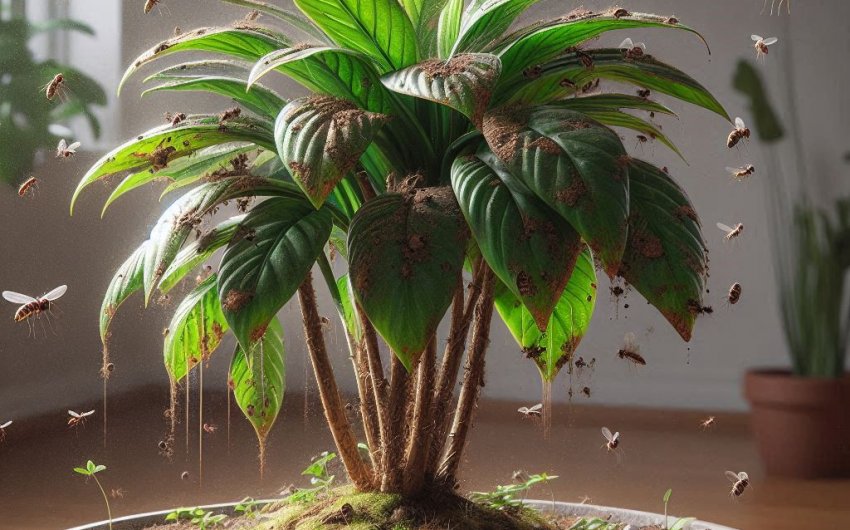
Few things are as irritating as a swarm of tiny, buzzing insects swirling around your beloved indoor greenery. These persistent little nuisances, commonly known as gnats, can quickly transform the joy of houseplant ownership into a frustrating battle. Fortunately, eliminating gnats from houseplants is an entirely achievable goal, requiring a strategic approach that targets both the adult flies and their hidden larvae, ensuring your indoor oasis remains a peaceful, pest-free zone.
Why Do Gnats Infest Houseplants?
The presence of gnats buzzing around your houseplants isn't just an annoying coincidence; it's a direct result of environmental conditions that cater perfectly to their life cycle. Understanding why they choose your plants as their home is the first step toward effective elimination and long-term prevention.
What Attracts Gnats to Houseplants?
Fungus gnats, the most common type of gnat infesting houseplants, are primarily attracted to conditions that support their larvae, which are the true problem. These conditions almost always revolve around moisture and decaying organic matter.
- Moist Soil: This is the number one attractant. Fungus gnats lay their eggs in consistently moist or wet soil. The high humidity in the soil surface provides the perfect environment for their eggs to hatch and for their larvae to thrive. Overwatering is the biggest culprit, as it keeps the top layers of soil perpetually damp.
- Decaying Organic Matter: The larvae of fungus gnats feed on fungi, algae, and decaying organic matter in the soil. This includes decomposing peat moss, bark, or other components of potting mix, as well as dead roots or plant debris in the pot. The richer the soil in organic matter, and the damper it is, the more appealing it is to them.
- Poor Drainage: If your plant pots lack adequate drainage holes, or if the soil mixture is too dense and compact, water will sit and remain soggy for longer periods. This creates the ideal, continuously wet environment that gnats crave.
- Humidity: While soil moisture is key, high ambient humidity in a room can also contribute to creating an environment that gnats find appealing, especially if combined with overly wet soil.
- New Plants or Potting Mix: Sometimes, gnats can be introduced to your home on new plants that already have larvae or eggs in their soil. They can also hitch a ride in bags of potting mix that have been left open and exposed to moisture.
- Algae Growth: Green algae growing on the surface of the soil (a sign of excessive moisture and light) is another food source for gnat larvae, further attracting the adults.
What is the Life Cycle of a Fungus Gnat?
Understanding the life cycle of a fungus gnat is crucial for effective pest control. You need to target not just the visible flying adults, but also the hidden larval stage in the soil.
- Egg: Adult gnats lay tiny eggs (about 200 per female!) in the top 1-2 inches of moist potting soil. These eggs are almost impossible to see with the naked eye. Eggs hatch in about 3-6 days, depending on temperature.
- Larva (Maggot): This is the stage that causes minor plant damage. The legless, worm-like larvae are tiny (up to 1/4 inch long) with clear bodies and shiny black heads. They live in the soil and primarily feed on fungi, algae, and decaying organic matter. However, if these food sources are scarce, or if the infestation is severe, they can also chew on delicate plant roots, especially those of seedlings, cuttings, or young plants. This root damage can lead to wilting, stunted growth, or even death of young plants. This stage lasts about 10-14 days.
- Pupa: After the larval stage, the gnat pupates in the soil. This is a non-feeding, resting stage where it transforms into an adult. This stage lasts about 3-7 days.
- Adult: The adult gnat emerges from the pupa and is the annoying, small, dark-bodied, flying insect you see hovering around your plants or crawling on the soil surface. Adults are about 1/8 inch long and resemble tiny mosquitoes. Their primary purpose is to mate and lay more eggs. They typically live for about 7-10 days, during which time they do not feed on plants but continue the reproductive cycle.
- Rapid Reproduction: The entire life cycle can be completed in as little as 2-4 weeks, depending on temperature and humidity. This rapid turnover means infestations can quickly get out of hand if not addressed, as a new generation is constantly emerging.
Are Gnats Harmful to Houseplants?
While extremely annoying, fungus gnats are generally considered a minor nuisance for most mature, healthy houseplants. However, they can pose a significant threat to vulnerable plants.
- Adult Gnats: Adult fungus gnats are harmless to plants. They do not feed on plant tissue, only seeking moisture and decaying matter for egg-laying. Their primary harm is being a major annoyance, flying into faces and food, and generally being unpleasant.
- Larval Damage: This is where the potential for harm lies.
- Minor Damage to Mature Plants: For established, healthy plants, the larvae primarily feed on fungi and decaying organic matter, doing little to no harm to the robust root systems. You might not even notice larval damage on a mature plant unless the infestation is severe.
- Significant Damage to Seedlings, Cuttings, and Young Plants: This is where fungus gnats can be genuinely destructive. Their tiny larvae can chew on the delicate, tender roots of young plants, seedlings, and recently rooted cuttings. This root damage inhibits the plant's ability to absorb water and nutrients, leading to:
- Wilting: Even if the soil is moist.
- Stunted Growth: The plant simply doesn't thrive.
- Yellowing Leaves: Due to nutrient deficiency.
- Dieback: In severe cases, especially for very young plants, the plant may die.
- Indirect Harm: A heavy infestation of gnats can also be a sign of overwatering or poor drainage, which can lead to more serious issues like root rot, even without direct gnat damage. The gnats are an indicator of an underlying problem.
- Vector for Fungi: There's some evidence that adult gnats can act as vectors, potentially carrying fungal spores (like Pythium or Fusarium, which cause damping-off disease in seedlings) from one plant to another.
How to Prevent Gnats in Houseplants?
Prevention is the most effective strategy for eliminating gnats from houseplants. By controlling the conditions that attract them, you can break their life cycle before an infestation even begins.
What are Best Watering Practices?
Since moisture is the biggest attractant, adopting proper watering practices is the cornerstone of gnat prevention.
- Allow Soil to Dry Out: This is the most crucial step. Fungus gnats thrive in perpetually moist soil. Allow the top 1-2 inches of potting mix to dry out completely between waterings. For many plants, this means letting the soil feel dry to the touch before watering again. For some sensitive plants that prefer consistent moisture, you'll need to be more vigilant with other prevention methods.
- Water Thoroughly, Then Drain: When you do water, water thoroughly until water drains from the bottom of the pot. Then, ensure the pot drains completely. Never let your plant sit in standing water in a saucer, as this creates a perpetually wet environment at the bottom of the pot, ideal for gnat larvae and root rot.
- Bottom Watering: Consider bottom watering your plants. Place the pot in a tray or sink filled with about an inch or two of water and let the plant soak up water from the bottom drainage holes for 15-30 minutes (or until the top surface of the soil feels slightly damp). This keeps the top layer of soil drier, which is less appealing for adult gnats to lay eggs.
- Monitor Soil Moisture: Use a soil moisture meter for accuracy, or simply stick your finger into the soil. Don't just water on a schedule; water when the plant actually needs it.
- Reduce Frequency, Not Volume: If you're currently watering every few days, try extending the time between waterings. It's better to water deeply less often than shallowly and frequently.
How Can Potting Mix and Drainage Help?
The type of potting mix you use and the drainage capabilities of your pots directly impact soil moisture and, consequently, gnat attraction.
- Well-Draining Potting Mix: Always use a high-quality, well-draining potting mix specifically formulated for indoor plants. Avoid heavy, dense, or cheap potting soils that retain too much moisture.
- Add Perlite or Orchid Bark: If your potting mix seems too dense, amend it with perlite, coco coir, or small orchid bark chips to improve aeration and drainage.
- Proper Drainage Holes: Ensure all your plant pots have ample drainage holes at the bottom. Never use pots without them for houseplants.
- Avoid Excess Organic Matter: While organic matter is good, overly rich potting mixes that are very high in fresh compost or undecomposed materials can be more attractive to gnats. Use aged, stable potting mixes.
- Top Dressing with Inorganic Material:
- Cover the top 1-2 inches of soil with a layer of inorganic material like pea gravel, decorative pebbles, sand, or diatomaceous earth. This creates a dry, inhospitable barrier that prevents adult gnats from laying eggs in the moist soil below and also makes it difficult for emerging larvae to reach the surface.
- Diatomaceous Earth (DE): Food-grade diatomaceous earth is a natural powder that contains microscopic sharp edges. When gnats (or their larvae) crawl over it, it dehydrates and kills them. Apply a thin layer to the top of the soil and reapply after watering if it gets wet.
- Don't Use Garden Soil Indoors: Never use soil from your outdoor garden in houseplants. It's too dense, retains too much water, and is full of potential pests and pathogens.
What are Other Preventative Measures?
Beyond watering and potting mix, a few other habits can significantly reduce the likelihood of a gnat infestation.
- Inspect New Plants: Before bringing any new plant into your home, thoroughly inspect it for signs of pests, including gnats. Look for adults flying around, or inspect the soil surface for tiny larvae or white fuzz (mold that attracts larvae). If possible, quarantine new plants for a few weeks in a separate area to ensure they are pest-free.
- Cleanliness: Remove any fallen leaves, dead plant material, or spilled potting mix from the soil surface and around the base of your pots. Decaying organic matter is a food source for gnat larvae.
- Repotting: When repotting, use fresh, sterile potting mix. Never reuse old, potentially contaminated potting mix, especially if it's been stored uncovered outdoors.
- Air Circulation: Good air circulation around your plants can help the soil surface dry out faster, making it less attractive to gnats. Ensure adequate spacing between plants and consider using a small fan if your room is stagnant.
- Avoid Over-Fertilizing: Excessive fertilizer can lead to salt buildup in the soil, which can stress plants and sometimes contribute to conditions that attract gnats if the soil remains too wet.
- Monitor Humidity: While many houseplants love humidity, very high humidity combined with constantly wet soil can exacerbate gnat problems. Balance humidity needs with proper watering.
How to Treat an Existing Gnat Infestation?
If you already have a gnat infestation, don't panic. A multi-pronged approach that targets both the adult flies and the larvae in the soil is usually most effective for eliminating gnats from houseplants.
What are Methods to Control Adult Gnats?
Getting rid of the visible, annoying flying adult gnats is important for immediate relief and to stop them from laying more eggs.
- Yellow Sticky Traps: These are highly effective for catching adult gnats. Yellow sticky traps are bright yellow (which gnats are attracted to) and coated with a strong adhesive. Place them directly in the soil or hang them just above your plants. They won't eliminate the larvae, but they will significantly reduce the adult population, breaking the reproductive cycle. Replace them when they are full.
- DIY Apple Cider Vinegar Traps: Pour a small amount of apple cider vinegar into a shallow dish or small cup. Add a few drops of dish soap (this breaks the surface tension of the liquid, so gnats sink). Cover loosely with plastic wrap and poke a few small holes. The gnats are attracted to the vinegar, crawl in, and get trapped.
- Vacuuming: For an immediate reduction of buzzing adults, you can carefully use a handheld vacuum to suck up the visible gnats around your plants. This is a temporary fix but provides instant relief.
- Insecticide Sprays (Caution!): Chemical sprays are generally not recommended for adult fungus gnats indoors, as they don't address the larvae in the soil and can be harmful to you, pets, or your plants if not used properly. If you must use one, choose a pyrethrin-based spray specifically labeled for indoor use on houseplants, and only spray the visible adults in a well-ventilated area. This should be a last resort.
How to Eliminate Gnat Larvae in the Soil?
Targeting the larval stage in the soil is critical, as these are the feeding, damaging stage, and they will mature into more adults if not eradicated. This is where you truly break the life cycle.
- Reduce Watering (Most Important!): This is the single most effective method. Let the top 1-2 inches of soil (or even more for non-sensitive plants) dry out completely between waterings. Adult gnats won't lay eggs in dry soil, and existing larvae will die from lack of moisture and food (fungi). This might mean extending watering intervals by several days or even a week.
- Top Dressing with Inorganic Material (as mentioned in prevention): Applying a 1-2 inch layer of pea gravel, sand, or diatomaceous earth on top of the soil creates a dry barrier. This prevents adult gnats from reaching moist soil to lay eggs and can kill emerging larvae.
- Beneficial Nematodes: These are microscopic, naturally occurring roundworms that are harmless to plants, pets, and humans. They are parasitic to gnat larvae (and other soil-dwelling pests). You mix them with water and apply them to the soil. The nematodes seek out and kill the larvae. This is a very effective and organic long-term solution. You can purchase beneficial nematodes for fungus gnats online.
- BTI (Bacillus thuringiensis israelensis): This is a naturally occurring bacterium that is toxic only to the larvae of certain insects, including fungus gnats and mosquitoes. It's often sold as dunks or granules (Mosquito Bits are a popular brand). You can soak the bits in your watering can for 30 minutes, then use the water to irrigate your plants. The larvae ingest the BTI and die. This is highly effective and safe for plants, humans, and pets.
- Hydrogen Peroxide Drench: Mix 1 part 3% hydrogen peroxide with 4 parts water. Pour this solution directly onto the soil of affected plants. The fizzing action indicates it's killing larvae and eggs on contact. It quickly breaks down into water and oxygen, causing no harm to the plant roots. Do not use this method too frequently, as it can kill beneficial soil microbes. Ensure the soil is somewhat dry before applying.
- Neem Oil Soil Drench: While often used as a foliar spray, a diluted neem oil solution can be watered into the soil to act as an insect growth regulator, disrupting the larvae's development. Follow product instructions carefully.
What is a Multi-Pronged Approach for Stubborn Infestations?
For persistent or severe gnat infestations, combining several methods is often the most effective way to completely eradicate them and prevent their return.
- Step 1: Isolate and Dry Out: Immediately isolate affected plants to prevent spread. Then, implement strict "dry out" watering practices for all plants.
- Step 2: Attack Adults: Place yellow sticky traps in every affected pot and around the plant area. Refresh regularly. Use apple cider vinegar traps if desired.
- Step 3: Attack Larvae (Choose one of the following):
- BTI Waterings: Consistently water with BTI-infused water for several weeks (at least 2-4 waterings), following the product's instructions. This is generally the safest and most effective for most plants.
- Beneficial Nematodes: Apply nematodes as a soil drench. They provide longer-term larval control.
- Hydrogen Peroxide Drench: Use this as an initial "knock down" for very heavy infestations, then follow up with BTI or nematodes.
- Step 4: Top Dressing: Apply a 1-2 inch layer of diatomaceous earth, sand, or gravel on top of the soil of all plants (even seemingly unaffected ones) to prevent new egg-laying and emerging adults.
- Step 5: Inspect and Adjust: Regularly check your plants, especially the undersides of leaves and the soil surface. Observe your watering habits. Are you truly letting the soil dry out? Are pots draining completely? Make adjustments as needed.
- Repotting (Extreme Cases): In very severe and persistent cases, you might need to repot the plant completely. Gently remove the plant, carefully brush off as much old soil as possible from the roots, and repot into fresh, sterile, well-draining potting mix. Dispose of the old potting mix safely outside your home. Clean the old pot thoroughly before reuse.
By combining diligent preventative measures with targeted treatment strategies, you can confidently take control and enjoy your vibrant, pest-free houseplants once more, transforming your indoor garden into a serene sanctuary rather than a breeding ground for annoying gnats.