
Choosing the Right Pot for Your Houseplants: A Guide
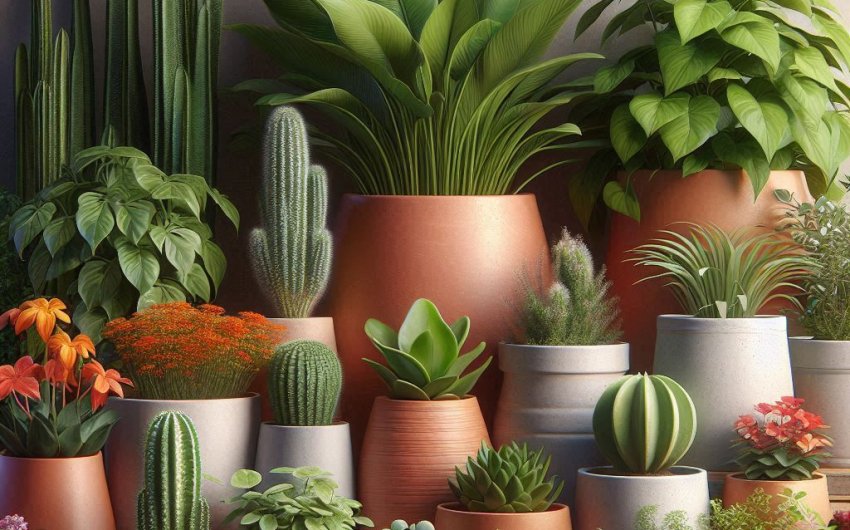
The container your houseplant resides in is far more than just a decorative element; it's a critical component of its health and thriving environment. Learning about choosing the right pot for your houseplants: a guide involves understanding how different materials, sizes, and features impact water retention, airflow to roots, and overall plant vigor. Making an informed decision ensures your beloved indoor greenery receives the optimal conditions it needs to flourish.
Why is Choosing the Right Pot So Important?
Selecting the proper pot for your houseplant goes far beyond aesthetic appeal. It directly impacts the plant's health, growth, and your success as a plant parent. Understanding this significance is the first step in choosing the right pot for your houseplants.
- Drainage is King: The single most critical factor. Without proper drainage, water collects at the bottom of the pot, suffocating roots and leading to root rot, which is a leading cause of houseplant death. The pot material and the presence of drainage holes directly affect this.
- Moisture Retention: Different pot materials absorb and release moisture at varying rates. This impacts how often you need to water and whether your plant's specific moisture needs are met. For example, a plant that likes consistently moist soil will struggle in a quick-drying pot if not watered frequently.
- Root Health and Aeration: Roots need oxygen to thrive. The pot material and soil volume affect airflow to the roots. Proper aeration prevents roots from "drowning" and allows them to absorb nutrients efficiently.
- Preventing Over/Underwatering: The right pot helps regulate soil moisture, making it easier for you to water correctly. A pot that dries too quickly can lead to underwatering, while one that holds too much moisture can lead to overwatering.
- Stability: For taller or top-heavy plants, the weight and base of the pot contribute to the plant's stability, preventing it from tipping over.
- Growth and Repotting: The size of the pot directly influences how much space roots have to grow. Choosing the wrong size can stunt growth or, conversely, lead to problems if the pot is too large.
- Aesthetics: While secondary to plant health, the pot's appearance does contribute to your home decor. A well-chosen pot enhances the plant's beauty and complements your interior design.
By understanding these fundamental impacts, you're better equipped to navigate the options and make an informed decision when choosing the right pot for your houseplants.
What is the Golden Rule of Drainage?
When it comes to pots for houseplants, there's one rule that supersedes all others, regardless of material or style: drainage. This "golden rule" is non-negotiable for the vast majority of indoor plants and is the first thing to consider when choosing the right pot for your houseplants.
The Necessity of Drainage Holes
- Prevents Root Rot: When a pot has no drainage holes, excess water has nowhere to go. It sits at the bottom of the pot, creating a stagnant, oxygen-deprived environment. Plant roots need oxygen to survive; without it, they begin to rot and die. Root rot is notoriously difficult to recover from and is a leading cause of houseplant death.
- Flushes Salts: Proper drainage also allows you to "flush" the soil, washing away excess mineral salts that can build up from tap water and fertilizers. Too much salt can burn roots and inhibit nutrient uptake.
- Ensures Proper Watering: With drainage, you can water thoroughly, knowing that any excess will exit the pot. This ensures the entire root ball is saturated, rather than just the top layer of soil.
What About the "Drainage Layer" Myth?
It's a common misconception that adding a layer of gravel, rocks, or broken pot shards to the bottom of a pot without drainage holes will improve drainage. This is a myth.
- Perched Water Table: Instead of improving drainage, a layer of gravel actually creates a "perched water table." This means water collects above the gravel layer, keeping the soil directly above it perpetually soggy. The water simply hits the boundary between soil and gravel and stops draining effectively, still leading to root rot.
- Reduced Soil Volume: This practice also reduces the amount of usable soil for your plant's roots, unnecessarily cramping them.
Solutions for Pots Without Drainage Holes
If you fall in love with a beautiful pot that lacks drainage, you still have options.
- Drill Holes: If the pot material allows (e.g., ceramic, terracotta), you can often drill drainage holes yourself using a diamond-tipped drill bit and proper safety precautions.
- Double Potting (The Best Option): This is the safest and most popular method for decorative pots without drainage.
- Nursery Pot Inside: Keep your plant in a slightly smaller plastic nursery pot (with drainage holes) that fits snugly inside the decorative pot.
- Watering Process: When it's time to water, remove the plant in its nursery pot from the decorative pot. Water thoroughly over a sink or tub until water drains completely.
- Return to Decorative Pot: Allow the excess water to drain for 15-30 minutes, then place the nursery pot back into the decorative container.
- Benefits: This method ensures perfect drainage, allows you to flush salts, and lets you use any beautiful pot you desire without risking your plant's health.
Remember, the absence of drainage holes is a deal-breaker for healthy roots. Prioritizing proper drainage is the most fundamental aspect of choosing the right pot for your houseplants.
What Different Pot Materials Mean for Your Plant?
Beyond drainage, the material of a pot significantly influences how quickly the soil dries out, affecting your watering frequency and the plant's root health. Understanding these differences is key to choosing the right pot for your houseplants.
Terracotta (Unglazed Clay) Pots
Terracotta is a traditional and highly breathable pot material.
- Porous Nature: The unglazed clay material is porous, meaning it allows air and water to pass through its walls. This promotes excellent air circulation to the roots and allows excess moisture to evaporate from the sides of the pot.
- Dries Quickly: Because of its porosity, soil in terracotta pots tends to dry out much faster than in other materials. This is a significant advantage for plants prone to root rot.
- Good for Overwaterers: If you tend to be heavy-handed with watering, terracotta can be a forgiving choice as it helps prevent soggy soil.
- Ideal For: Cacti, succulents, ZZ plants, Snake Plants, Pothos, Philodendrons, and other plants that prefer their soil to dry out thoroughly between waterings.
- Considerations: Can look dusty over time with mineral salt buildup on the outside. May require more frequent watering for some plants. Can be heavy and breakable. Terracotta pots with drainage are a classic choice.
Plastic and Resin Pots
Plastic pots are lightweight, affordable, and widely available.
- Non-Porous Nature: Plastic is non-porous, so it does not allow water to evaporate through its walls. Soil in plastic pots retains moisture for a longer period.
- Dries Slowly: This means plants in plastic pots will generally need less frequent watering compared to those in terracotta.
- Good for Underwaterers/Moisture Lovers: Ideal for plants that prefer consistently moist soil or if you tend to forget to water frequently.
- Ideal For: Ferns, Calatheas, Peace Lilies, tropical plants that prefer constant moisture.
- Considerations: Can become brittle over time with UV exposure if left outdoors. Lighter weight can make tall plants top-heavy. Ensure ample drainage holes. Plastic nursery pots are perfect for "double potting."
Ceramic and Glazed Pots
Ceramic pots, whether glazed or unglazed but fired at high temperatures, are less porous than terracotta.
- Less Porous/Non-Porous: Glazed ceramic pots are non-porous, meaning they retain moisture much like plastic pots. Unglazed, high-fired ceramic can be somewhat breathable but less so than raw terracotta.
- Dries Slowly: Similar to plastic, soil in glazed ceramic pots will dry out slowly, requiring less frequent watering.
- Aesthetics: Highly decorative and come in a vast array of colors, textures, and designs.
- Ideal For: Plants that like consistently moist soil, or as a decorative outer pot for double potting.
- Considerations: Can be heavy and more expensive. Fragile and prone to breaking. MUST have drainage holes if planting directly. Many decorative ceramic planters with drainage are available.
Other Materials (Concrete, Metal, Fabric)
Less common but gaining popularity, these materials offer specific characteristics.
- Concrete Pots:
- Pros: Very heavy and stable for large plants, modern aesthetic. Can be somewhat porous depending on sealing.
- Cons: Very heavy, difficult to move. Can absorb moisture.
- Metal Pots:
- Pros: Modern, sleek aesthetic. Lightweight (aluminum).
- Cons: Can heat up quickly, potentially stressing roots. Rust-prone if not treated. Often lack drainage holes, making them suitable for double potting only.
- Fabric Grow Bags:
- Pros: Excellent aeration, prevents root circling (air pruning), lightweight, foldable for storage.
- Cons: Dries out very quickly, requires more frequent watering. Not as aesthetically pleasing for indoor display.
- Ideal For: Temporarily, or for growing larger plants that you move outdoors. A fabric grow bag can be useful for propagation or temporary homes.
Understanding how different pot materials behave with water is a cornerstone of choosing the right pot for your houseplants, directly influencing your watering habits and plant health.
What is the Right Pot Size for My Houseplant?
Choosing the correct pot size is just as important as the material. An improperly sized pot can lead to a host of problems, from stunted growth to root rot. This step is critical in choosing the right pot for your houseplants.
The "Go Up One Size" Rule
For most houseplants, gradual increases in pot size are best.
- Current Pot Diameter: Measure the diameter of your plant's current pot.
- Next Pot Size: When repotting, choose a new pot that is only 1-2 inches (2.5-5 cm) larger in diameter than the current one for small to medium plants (up to 10 inches in diameter). For larger plants, you can go up 2-4 inches (5-10 cm) in diameter.
- Example: If your plant is in a 6-inch pot, move it to an 8-inch pot. If it's in a 10-inch pot, move it to a 12-inch or 14-inch pot.
Why Too Small is a Problem
An undersized pot severely restricts your plant's growth.
- Root Bound: Roots will quickly fill the available space, becoming "root bound." They will circle the pot, eventually choking themselves.
- Stunted Growth: With limited room to grow, the plant above ground will also stop growing or put out very small leaves.
- Nutrient/Water Deficiency: The small amount of soil will quickly dry out and deplete of nutrients, making it hard for the plant to thrive even with regular watering and fertilizing.
- Frequent Watering: You'll find yourself watering almost daily because the tiny soil volume simply can't hold enough moisture.
Why Too Large is a Problem
While counter-intuitive, an oversized pot is often more detrimental than one that's slightly too small.
- Overwatering Risk: A large pot holds significantly more soil and, consequently, more moisture than the plant's root system can absorb. This excess moisture in the soil leads to perpetually soggy conditions.
- Root Rot: Consistently wet soil deprives roots of oxygen, causing them to rot. This is a very common killer of plants placed in pots that are too large.
- Slowed Growth: The plant will initially focus all its energy on growing roots to fill the large pot, neglecting top growth. It can take a long time for the plant to appear to grow above ground.
- Soil Compaction: Large volumes of unused, wet soil can compact over time, further reducing aeration and exacerbating root rot issues.
When to Repot
Not all plants need repotting every year.
- Signs of Root Bound: Only repot when your plant shows clear signs of being root bound (roots circling the top or bottom of the pot, water running straight through, stunted growth).
- Growth Rate: Fast-growing plants may need repotting annually. Slower-growing plants might only need it every 2-3 years, or even less frequently if you prefer to maintain their current size and simply refresh the top few inches of soil (topdressing).
By carefully considering the appropriate size for your plant's growth stage, you'll make a vital decision in choosing the right pot for your houseplants, ensuring optimal conditions for its roots and overall health.
What Other Pot Considerations Are Important?
Beyond the critical factors of drainage, material, and size, several other features can influence your choice when choosing the right pot for your houseplants, impacting both aesthetics and practicality.
Shape and Design
The pot's shape affects both its appearance and its interaction with the plant's roots.
- Tapered vs. Straight Sides:
- Tapered (smaller at bottom): Can make it harder to remove a root-bound plant during repotting.
- Straight Sides: Easier for roots to spread and for the plant to be removed during repotting.
- Wide vs. Narrow:
- Wide and Shallow (e.g., bowl planters): Best for plants with shallow root systems (some succulents) or for creating arrangements of multiple small plants. Dries out faster.
- Tall and Narrow: Good for plants with deep taproots or to give stability to tall, slender plants.
- Aesthetics: The pot's color, texture, and style should complement your plant and your home decor. Consider how it looks with the foliage and whether it draws attention to or away from the plant itself.
Hanging Pots and Baskets
For trailing plants, hanging options are essential for display and often have specific design features.
- Material: Often plastic, ceramic, or macrame hangers with a plastic inner pot. Choose materials that are lightweight if hanging from the ceiling.
- Integrated Drainage: Many hanging planters have drainage holes with an attached saucer or reservoir to prevent drips. If not, use the double potting method.
- Stability: Ensure the hangers are strong and well-balanced.
- Ease of Watering: Consider how easy it will be to water the plant while it's hanging. You might need to take it down or use a long-spout watering can.
Self-Watering Pots
These pots feature a reservoir that wicks water up into the soil, offering convenience.
- Mechanism: Typically have an inner pot with a wicking system or aeration screen that sits above a water reservoir.
- Pros: Reduces watering frequency, provides consistent moisture, good for plants that like to stay evenly moist.
- Cons: Can be problematic for plants that prefer to dry out completely between waterings. Risk of root rot if overfilled or if the wicking system is not maintained. Some can lead to salt buildup in the soil.
- Ideal For: Moisture-loving plants like Peace Lilies, ferns, or African Violets. Not recommended for succulents or cacti. Look for self-watering planters for houseplants.
Cachepots (Decorative Outer Pots)
These are pots without drainage holes, purely for aesthetic purposes.
- Purpose: Used to conceal a plain nursery pot (which has drainage). The plant remains in its functional pot inside the decorative cachepot.
- Pros: Allows you to use any beautiful container you like, regardless of drainage. Easy to switch out decorative pots.
- Cons: Must remember to empty any standing water that drains into the cachepot after watering, as this still leads to root rot if the inner pot sits in it.
- Considerations: Ensure the inner pot fits well within the cachepot, leaving a small gap for airflow. Many decorative cachepots are available.
By taking these additional factors into account, you can make a truly comprehensive decision when choosing the right pot for your houseplants, balancing plant health, personal style, and convenience.