
Houseplant Decor Ideas: Add Greenery to Your Home
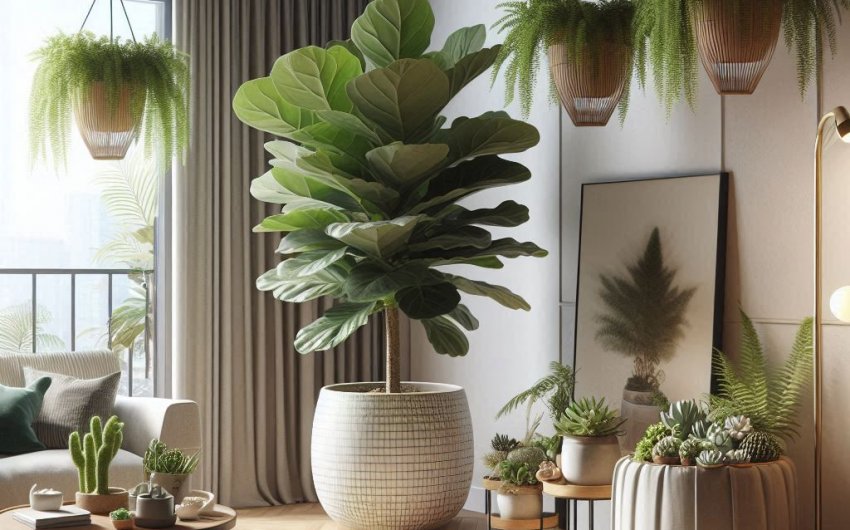
Bringing the vibrancy of nature indoors offers a refreshing way to enhance any living space, transforming rooms with life and color. Exploring houseplant decor ideas: add greenery to your home is about more than just placing a plant on a shelf; it's about integrating living art into your interior design, creating a healthier, more calming, and visually appealing environment. From dramatic floor-standing specimens to delicate terrariums and lush vertical displays, houseplants provide endless opportunities to infuse your home with natural beauty, purify the air, and express your personal style.
How do I choose the right plants for my home and style?
Selecting the perfect houseplants for your home involves a balance between aesthetics and practicality. It's not just about what looks good; it's also about what will thrive in your specific environment and complement your existing decor style. Making smart plant choices is the first step in successfully integrating houseplant decor ideas: add greenery to your home.
What light conditions do I have in my home?
This is the single most important factor when choosing a houseplant. Plants have varying light requirements, and mismatching a plant to its light environment is the most common reason for plant failure.
- Bright, Direct Light: Areas near south- or west-facing windows that receive several hours of unfiltered sunlight. Plants that thrive here include: Cacti, Succulents (like Jade plants), Fiddle Leaf Fig (Ficus lyrata), Bird of Paradise (Strelitzia), and Meyer Lemon trees.
- Bright, Indirect Light: Near east-facing windows, or a few feet back from south/west-facing windows where light is abundant but diffused. This is ideal for most houseplants. Examples: Monstera deliciosa, Pothos, Philodendron, Peace Lily, ZZ Plant, and Prayer Plant (Calathea).
- Medium Light: Areas a bit further away from windows, or rooms with smaller windows. Plants here still need some natural light but can tolerate lower intensity. Examples: Snake Plant, Cast Iron Plant (Aspidistra elatior), Aglaonema (Chinese Evergreen), and Spider Plant.
- Low Light: Areas with very minimal natural light, such as a corner far from a window or a north-facing room. Few plants truly "thrive" in very low light, but some can tolerate it. Examples: ZZ Plant, Snake Plant, and Cast Iron Plant.
Always check the light requirements on the plant tag or do a quick search before purchasing.
What is my interior design style?
Your chosen plant should complement your home's aesthetic, becoming an integrated part of your houseplant decor ideas.
- Modern/Minimalist: Opt for plants with strong architectural forms and clean lines, such as a tall Snake Plant, a dramatic Fiddle Leaf Fig, or a sculptural Monstera deliciosa. Pair with simple, geometric pots in neutral colors (white, black, gray, terracotta).
- Bohemian/Eclectic: Embrace plants with lush, trailing foliage or interesting textures. Think Pothos, Philodendron, Ficus elastica (Rubber Plant), or a variety of hanging plants. Use pots with earthy tones, woven textures, or macrame hangers.
- Traditional/Classic: Choose plants with classic appeal and abundant green foliage, like a stately Peace Lily, a full Areca Palm, or a vibrant Boston Fern. Pair with ornate ceramic pots or classic terracotta.
- Tropical/Jungle: Go for lush, large-leaved plants that evoke a rainforest feel, such as Monstera, Alocasia, Calathea, and various palms. Use pots that mimic natural textures or vibrant colors.
- Farmhouse/Rustic: Incorporate plants with a sturdy, homey feel, like a ZZ Plant, a simple Spider Plant, or herbs. Use distressed metal, wooden, or simple clay pots.
What is my lifestyle and commitment level?
Consider how much time and effort you're willing to put into plant care.
- Low Maintenance: If you travel frequently or tend to forget to water, choose resilient plants that tolerate neglect, like a ZZ Plant, Snake Plant, or Pothos. These are forgiving and can go longer between waterings.
- Medium Maintenance: Most popular houseplants fall into this category, requiring consistent but not constant attention.
- High Maintenance: Some plants, like Calatheas (due to humidity needs) or certain ferns, require more specific conditions and regular attention.
- Pet Safety: If you have pets, research whether the plant you choose is toxic to animals. Many common houseplants are, so always check if it's a pet-safe houseplant before bringing it home.
By aligning your plant choices with your home's light conditions, aesthetic style, and your personal commitment, you'll ensure your houseplant decor ideas are both stunning and sustainable, adding thriving greenery to your home.
How can I incorporate plants into various rooms?
Integrating houseplants effectively into different rooms involves selecting the right plants for the room's specific conditions and designing arrangements that enhance the room's function and aesthetic. Thinking strategically about placement helps infuse vibrant houseplant decor ideas throughout your entire home.
How do plants fit into the living room and dining room?
These are often the most visible and well-lit rooms, perfect for making a statement.
- Focal Points: Use large, dramatic plants like a Fiddle Leaf Fig, a mature Monstera deliciosa, or a stately Areca Palm in attractive floor planters to anchor a corner, define a seating area, or fill empty space. These act as living sculptures.
- Layering Heights: Create visual interest by varying plant heights. Combine a tall floor plant with a medium-sized plant on a plant stand and smaller plants on shelves or coffee tables.
- Shelving Displays: Open shelves, bookcases, or built-in units are perfect for displaying a collection of smaller plants. Mix trailing varieties like Pothos and Philodendron with upright plants like Snake Plants or ZZ Plants.
- Dining Table Centerpiece: A low-lying plant arrangement, perhaps a few succulents in a decorative tray or a small Peace Lily, can serve as a living centerpiece, adding freshness without obstructing views.
What plants work well in bedrooms?
Bedrooms often benefit from plants that promote calm and help purify the air.
- Air Purifiers: Choose plants known for their air-purifying qualities, like Snake Plants (which release oxygen at night), Peace Lilies, or ZZ Plants.
- Soothing Colors: Opt for plants with soft green foliage or minimal patterns to create a serene atmosphere.
- Nightstands/Dressers: Smaller plants in charming pots are perfect for bedside tables or dressers. Consider a Pothos that can trail, or a compact ZZ Plant.
- Hanging Plants: If space is limited, a hanging plant can add greenery without taking up surface area.
How can I add greenery to kitchens and bathrooms?
These rooms often have specific conditions (higher humidity in bathrooms, potential for splashes in kitchens) that suit certain plants.
- Kitchen:
- Herbs: Grow fresh herbs (basil, mint, rosemary, chives) on a sunny windowsill for culinary use and fresh fragrance.
- Vining Plants: Let a Pothos trail from the top of cabinets or a refrigerator for a lush look.
- Compact Plants: Small succulents or ZZ Plants can fit on shelves or countertops.
- Bathroom: Bathrooms are often warm and humid, making them ideal for tropical plants that love moisture.
- Humidity Lovers: Ferns (Boston, Maidenhair), Orchids, Peace Lilies, Calatheas, and Pothos thrive in steamy conditions.
- Windowsill Plants: If you have a windowsill, capitalize on the natural light.
- Shower Plants: Some plants like air plants or small epiphytic ferns can even be hung directly in the shower area, benefiting from the high humidity.
By strategically placing the right plants in each room, you can maximize their health benefits and aesthetic impact, truly integrating houseplant decor ideas to add greenery to your entire home.
What creative display ideas can elevate my houseplants?
Moving beyond simply placing a potted plant on a flat surface, creative display techniques can transform your houseplants into true focal points and living art installations. These innovative houseplant decor ideas maximize space, add visual interest, and allow you to showcase your greenery in unique ways, truly adding a vibrant touch to your home.
How can I use vertical space effectively?
Vertical displays are fantastic for small spaces or for creating dramatic green walls.
- Hanging Planters: Utilize macrame hangers, decorative chains, or simple hooks to suspend plants from the ceiling, curtain rods, or wall brackets. This frees up surface space and allows vining plants like Pothos, Philodendron, or Spider Plants to cascade beautifully. Look for stylish macrame plant hangers or ceramic hanging planters.
- Shelving Units: Install floating shelves or use tall bookcases to create a multi-level display. Arrange plants of different heights and textures, interspersing them with books or other decorative objects.
- Plant Ladders/Tiered Stands: A plant ladder shelf or a compact, tiered plant stand can hold multiple pots in a small footprint, ideal for corners or narrow spaces.
- Vertical Garden Panels: For a dramatic statement, create or buy wall-mounted vertical garden panels or pocket planters. These can transform an entire wall into a living green tapestry, perfect for herbs, ferns, or small leafy plants.
What are creative ways to group plants?
Grouping plants can enhance their impact and create a cohesive display.
- Vignettes: Create small "plant vignettes" on tables, sideboards, or windowsills. Group plants of varying heights, leaf shapes, and textures together in complementary plant pots. Add non-plant elements like pebbles, small sculptures, or candles.
- Clustering: Cluster several plants of the same variety together, or different varieties with similar care needs, to create a fuller, lusher appearance. This also helps create a microclimate of increased humidity.
- Theme Groupings: Group plants by color (e.g., all variegated plants), texture (e.g., all plants with interesting leaf patterns), or family (e.g., all different types of Philodendrons).
- Terrariums and Cloches: For high-humidity lovers or tiny plants, create a closed or open terrarium in a glass vessel. A glass cloche over a single small plant can create a beautiful mini-display and boost humidity.
How can I utilize unique containers and accessories?
The pot is just as much a part of the decor as the plant itself.
- Mix Materials: Don't limit yourself to one type of pot. Combine terracotta, ceramic, concrete, woven baskets (with a plastic liner), and even repurposed items like old tea kettles or vintage tins (ensure drainage).
- Plant Stands: Elevate your plants with stylish plant stands made of wood, metal, or ceramic. This adds height and allows the plant to become a more prominent feature.
- Moss Poles or Trellises: For vining plants like Monstera or Pothos, provide a moss pole or a small indoor trellis for them to climb. This mimics their natural growth habit and adds a sculptural element.
- Pebbles or Decorative Topping: Cover the top of the soil with decorative pebbles, bark chips, or preserved moss for a clean, finished look.
- Lighting: Use LED grow lights that integrate subtly with your decor to provide supplemental light to plants in darker areas, allowing you to place them almost anywhere.
By embracing these creative display techniques, you move beyond simple plant placement to truly transform your houseplants into integral and stunning components of your home's aesthetic, adding vibrant greenery and sophisticated charm to every room.