
Pest Control: Eliminating Fungus Gnats from Houseplants
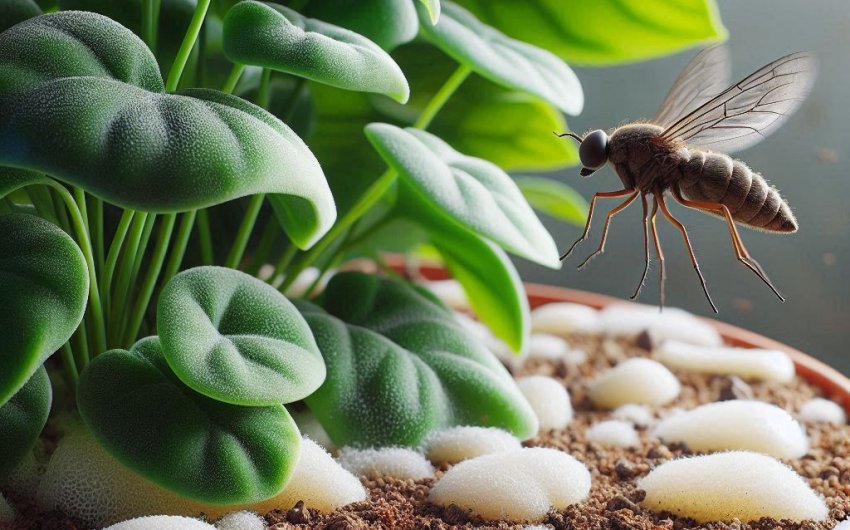
Fungus gnats are a common nuisance for indoor plant enthusiasts, buzzing around your face and seemingly appearing out of nowhere. If you're looking for effective pest control: eliminating fungus gnats from houseplants, understanding their lifecycle and applying targeted strategies will help you reclaim your space and protect your beloved greenery. These tiny, dark-winged insects are more than just an annoyance; their larvae can actually cause damage to plant roots, especially in young or sensitive plants.
What Are Fungus Gnats and Why Are They a Problem?
Fungus gnats (Sciaridae, Mycetophilidae, and other families) are small, dark-bodied flies, typically about 1/8 to 1/10 of an inch long. They are often mistaken for fruit flies, but fungus gnats are usually found hovering around houseplants, while fruit flies are attracted to rotting fruit. Understanding their nature and habits is the first step in effective pest control.
The adult fungus gnats you see flying around are mostly a nuisance, though they can spread fungal spores between plants. The real problem lies beneath the soil surface with their larvae. Adult females lay tiny eggs in moist, organic-rich soil. These eggs hatch into clear or white, legless larvae with shiny black heads. These larvae feed on fungi and decaying organic matter in the soil. However, if their preferred food source is scarce, or if the infestation is severe, they will turn to feeding on delicate plant roots, especially those of young seedlings, cuttings, or plants stressed by overwatering. This root damage can lead to wilting, yellowing leaves, stunted growth, and in severe cases, plant death. Fungus gnats thrive in constantly damp soil, which provides the ideal breeding ground for their larvae and encourages the growth of the fungi they feed on.
What Causes Fungus Gnat Infestations?
Understanding the root cause of a fungus gnat infestation is crucial for effective and long-lasting pest control. These tiny pests don't just appear out of thin air; their presence almost always points to specific environmental conditions, primarily related to watering habits and soil composition.
The primary attractant for fungus gnats is consistently moist or wet potting soil. Adult fungus gnats are drawn to damp environments because it provides the ideal breeding ground for their eggs and the perfect food source for their larvae. The larvae feed on fungi, algae, and decaying organic matter that thrive in soggy conditions. When the top inch or two of your potting mix remains wet for extended periods, it creates a hospitable nursery for these pests. This often happens due to:
- Overwatering: This is the most common cause. Giving your plants too much water, or watering too frequently, keeps the soil saturated, making it an irresistible breeding ground.
- Poor Drainage: If your pots lack drainage holes, or if the potting mix is too dense and doesn't drain well, water can sit at the bottom, leading to soggy conditions.
- Leaving Water in Saucers: Allowing plants to sit in standing water in their drainage saucers for prolonged periods creates a constant source of moisture for gnats.
- High Humidity: While not a direct cause, very high ambient humidity can contribute to slower soil drying times, indirectly leading to more favorable conditions for gnats.
- Compost or Organic Matter: Potting mixes rich in uncomposted organic matter or fresh compost can sometimes introduce fungus gnat eggs or provide ample food for larvae if kept too wet.
By identifying and addressing these underlying causes, you can break the fungus gnat lifecycle and effectively manage, and eventually eliminate, the infestation.
What Are Immediate Solutions for Adult Fungus Gnats?
Dealing with the flying adult fungus gnats can be annoying, and while they don't cause significant damage themselves, eliminating them is important to stop the egg-laying cycle. Several immediate solutions can help reduce their numbers, complementing your long-term pest control strategy.
- Yellow Sticky Traps: These bright yellow cards are highly attractive to adult fungus gnats. The gnats fly onto the sticky surface and get caught, preventing them from laying more eggs. Place yellow sticky traps near affected plants, either vertically or horizontally on the soil surface. They are non-toxic and provide a visual indicator of how severe your infestation is. Replace them when they are covered with gnats.
- Apple Cider Vinegar Traps: A simple DIY trap can attract and drown adult gnats. Mix a few tablespoons of apple cider vinegar with a drop or two of dish soap in a shallow dish or small bowl. The vinegar attracts the gnats, and the soap breaks the surface tension of the water, causing them to drown. Place these traps near affected plants.
- Fan Power: A small fan blowing air gently across your plants can make it difficult for adult fungus gnats to fly and lay eggs. This simple airflow also helps to dry out the top layer of soil, which discourages egg-laying.
- Vacuum Cleaner: For a quick reduction in flying adults, you can simply use a handheld vacuum cleaner to suck up the gnats hovering around your plants. This offers immediate relief from the nuisance while you implement other, more permanent solutions.
While these methods help control the adult population, remember that the larvae are the actual problem. These immediate solutions should be used in conjunction with strategies that target the larvae and alter the soil environment.
How Can I Control Fungus Gnat Larvae in the Soil?
Targeting the fungus gnat larvae in the soil is the most critical step in effectively eliminating fungus gnats from houseplants. By disrupting their lifecycle at this stage, you prevent future generations of adults and protect your plant roots from damage.
- Adjust Watering Habits (The Most Important Step): Since fungus gnat larvae thrive in consistently moist soil, the single most effective method is to let the soil dry out between waterings. Allow the top 1-2 inches of soil to completely dry before watering again. This removes the ideal breeding and feeding environment for the larvae. For many plants, allowing the soil to dry out a bit is actually beneficial for root health. If a plant can tolerate it, let the soil dry out even more thoroughly.
- Top Dressing with Sand or Diatomaceous Earth:
- Horticultural Sand: A 1/2 to 1-inch layer of coarse horticultural sand on top of the potting mix can create a dry barrier that discourages adult gnats from laying eggs in the soil. They prefer moist surfaces.
- Diatomaceous Earth (DE): A thin layer of food-grade diatomaceous earth (DE) on the soil surface is a natural, non-toxic insecticide. DE is made of fossilized diatoms; its microscopic sharp edges cut the exoskeletons of crawling insect larvae, causing them to dehydrate and die. Reapply after watering if it gets wet.
- Neem Oil Soil Soak: Neem oil is a natural insecticide that disrupts insect growth and feeding. Mix a solution of neem oil concentrate according to package directions with water and a few drops of mild dish soap (as an emulsifier). Use this solution to water your plants thoroughly. The active compounds in neem oil will be absorbed by the plant roots and can poison the larvae as they feed. This works as a systemic treatment.
- Hydrogen Peroxide Drench: A solution of hydrogen peroxide can kill fungus gnat larvae on contact. Mix one part 3% hydrogen peroxide with four parts water. Water your plants with this solution. You'll likely see a fizzing action, which means the peroxide is reacting with organic matter and oxygenating the soil. This will kill the larvae instantly. Be cautious not to overdo this treatment, as it can sometimes harm beneficial soil microbes if used too frequently.
- Beneficial Nematodes (Steinernema feltiae): For severe and persistent infestations, beneficial nematodes are an excellent biological control. These microscopic, parasitic roundworms are harmless to humans, pets, and plants but are natural predators of fungus gnat larvae. You mix them with water and apply them as a soil drench. Once applied, they seek out and kill the larvae in the soil, effectively breaking the gnat lifecycle. You can typically find fungus gnat beneficial nematodes from online garden suppliers.
Implementing a combination of these methods, particularly focusing on proper watering, will significantly reduce and eventually eliminate fungus gnat larvae, leading to healthier plants and a gnat-free home.
What Are Long-Term Prevention Strategies?
Once you've managed to eliminate fungus gnats from houseplants, the next crucial step is to implement long-term prevention strategies. These measures are designed to make your houseplants and their environment less appealing to fungus gnats, preventing future infestations and maintaining healthy plants.
- Proper Watering Practices (Consistent): This is the single most important long-term prevention strategy. Always allow the top 1-2 inches of potting mix to dry out completely between waterings. For many plants, you can even let the soil dry out further before watering again. If you're unsure, it's better to slightly underwater than to overwater. Consider using a soil moisture meter to accurately gauge moisture levels beneath the surface.
- Good Drainage: Ensure all your pots have adequate drainage holes. If a pot lacks drainage, drill holes or repot the plant into a container with proper drainage. Using a well-draining potting mix that doesn't retain too much moisture is also essential. Avoid leaving plants sitting in standing water in their drainage saucers for extended periods. Empty saucers about 30 minutes after watering.
- Avoid Excessive Organic Matter in Potting Mix: While some organic matter is good, potting mixes that are overly rich in uncomposted bark, peat, or other fresh organic materials can initially provide a bountiful food source for fungus gnat larvae. Using a high-quality, balanced potting mix formulated for houseplants is generally best.
- Inspect New Plants: Before bringing any new plants into your home, inspect them thoroughly for signs of pests, including fungus gnats. If you see gnats flying around or larvae in the soil, quarantine the plant and treat it before introducing it to your existing collection.
- Sterilize Reused Pots and Tools: If you're reusing old pots, clean and sterilize them thoroughly before repotting. This helps kill any lingering eggs or larvae. A simple solution of 1 part bleach to 9 parts water can be used for sterilization.
- Keep Houseplants Clean: Remove any dead leaves, flowers, or debris from the soil surface. Decaying plant matter can contribute to the fungal growth that fungus gnats feed on.
- Adequate Air Circulation: Good air circulation around your plants can help the topsoil dry out faster and make the environment less hospitable for flying gnats. A small fan can be beneficial in humid conditions or crowded plant areas.
- Monitor for Early Signs: Regularly inspect your plants and the soil surface for any signs of fungus gnats. The earlier you catch an infestation, the easier it is to control. Yellow sticky traps can serve as a continuous monitoring tool.
By consistently applying these preventative measures, you create an environment that actively discourages fungus gnats, ensuring your houseplants remain healthy and your home gnat-free. This proactive approach is key to effective pest control in the long run.