
Vibrant and Beautiful: Caring for African Violet Houseplants
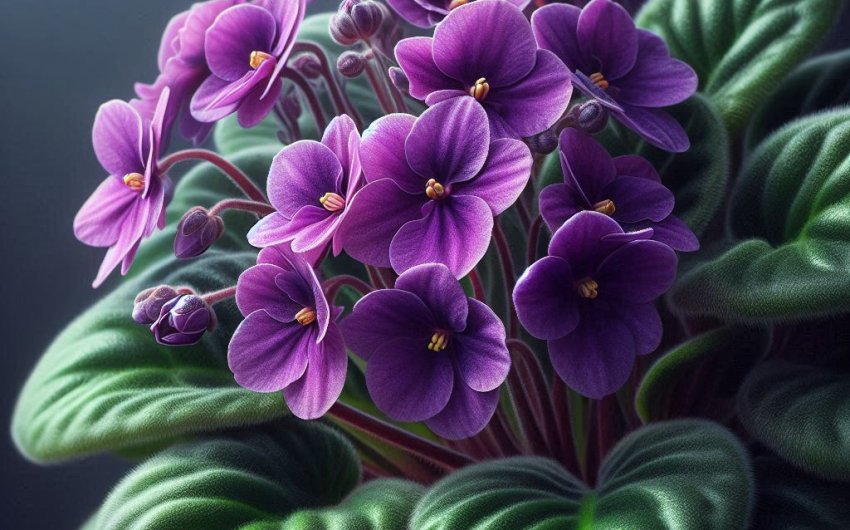
African violets, with their charming blooms and velvety leaves, are among the most beloved houseplants. Their compact size and ability to flower year-round make them a popular choice for brightening up any indoor space. Despite their delicate appearance, these little beauties are quite resilient, and with the right care, they can provide continuous joy and a splash of color to your home. Many people believe they are difficult to grow, but the truth is, once you understand their specific needs, they are relatively straightforward to care for.
The secret to a thriving African violet lies in mimicking their natural habitat. Originating from the humid forests of East Africa, these plants prefer consistent conditions and a gentle touch. From proper watering techniques to providing the right amount of light, every step contributes to their health and prolific blooming. By paying attention to these key factors, you can enjoy an abundance of their delightful flowers, which come in a surprising array of colors and petal forms, from classic purples and pinks to intricate whites and bi-colors. Let's explore how to keep your African violets happy and blooming for years to come.
What's the Best Light for African Violets to Bloom?
Light is one of the most important factors for African violet care. These plants need bright, indirect light to produce those beautiful blooms. Too little light, and your plant won't flower. Too much direct sunlight, and their leaves can get scorched and turn yellow or brown. Finding that sweet spot is key to a happy, blooming African violet.
How Much Light Do African Violets Need?
African violets thrive in bright, indirect light. This means light that is strong but not shining directly on the leaves. Think of a sunny window that has sheer curtains, or a spot a few feet away from a south or west-facing window. East-facing windows are often ideal because they get gentle morning sun. North-facing windows can work, but they might not provide enough light for consistent flowering, especially in winter.
When your African violet is getting enough light, its leaves will be a healthy green color and the plant will be compact. If the leaves look pale and stretched out, it probably needs more light. If the leaves are turning yellow or brown with crispy edges, it's getting too much direct sun.
Can You Use Grow Lights for African Violets?
Yes, grow lights are excellent for African violets, especially if your home doesn't have enough natural light. Many serious African violet enthusiasts use grow lights because they provide consistent light intensity and duration, which encourages more blooms. You want a full-spectrum grow light that mimics natural sunlight. A good LED grow light for houseplants will provide the necessary wavelengths.
When using grow lights, place them about 10-12 inches above your African violets. Keep the lights on for about 12-14 hours a day. Timers are very helpful for this, ensuring your plants get a consistent light schedule. A simple grow light timer can make your life much easier. Watch your plants for signs of too much or too little light, and adjust the distance or duration as needed. Leaves that cup downwards can be a sign of too much light, while leaves that stretch upwards indicate they are reaching for more light.
What's the Right Way to Water African Violets?
Watering is perhaps the trickiest part of African violet care. They are very sensitive to both overwatering and underwatering, and getting water on their fuzzy leaves can cause spots. The goal is to keep the soil consistently moist, but never soggy. Think of a damp sponge, not a dripping wet one.
How Often Should You Water African Violets?
The frequency of watering depends on several things: the size of your pot, the type of potting mix, the humidity in your home, and the temperature. Instead of watering on a strict schedule, it's best to check the soil. Stick your finger about an inch into the potting mix. If it feels dry, it's time to water. If it still feels moist, wait a day or two and check again.
Typically, you'll find yourself watering every 5-7 days, but this can vary. It's better to underwater slightly than to overwater. Overwatering is the most common killer of African violets because it can lead to root rot, a fungal disease that suffocates the roots.
What's the Best Method for Watering African Violets?
African violets prefer to be watered from the bottom. This prevents water from getting on their leaves, which can cause ugly brown spots, especially if cold water is used or if the plant is in direct sun after watering.
Here are a few popular bottom-watering methods:
- Saucer Method: Place your potted African violet in a saucer or shallow tray filled with about an inch of room-temperature water. Let the plant soak up the water through the drainage holes for about 20-30 minutes, or until the top of the soil feels slightly damp. Then, remove the plant from the saucer and let any excess water drain away before putting it back on its regular spot. Never let your African violet sit in standing water for extended periods.
- Wick Watering: This is a fantastic method for consistent moisture. You thread a nylon or acrylic wick (like a piece of aquarium tubing or special wick material) through the drainage hole of the pot, extending into the potting mix. The other end of the wick sits in a reservoir of water below the plant. The wick draws water up into the soil as the plant needs it. This method works well for busy growers.
- Self-Watering Pots: These pots have a built-in reservoir that wicks water up to the plant, similar to the wick watering method. They are very convenient for maintaining consistent moisture. A good African violet self-watering pot can be a great investment.
Always use room-temperature water. Cold water can shock the plant and cause unsightly spots on the leaves. If your tap water is heavily chlorinated, let it sit out for 24 hours to allow the chlorine to evaporate before using it.
What Kind of Soil and Pots Do African Violets Like?
The right potting mix and pot are crucial for African violet health. They need a mix that drains well but also holds enough moisture, and a pot that allows for good airflow. Getting these elements right will prevent many common problems.
What's the Best Potting Mix for African Violets?
African violets need a special potting mix that's lighter and more airy than standard houseplant soil. A regular potting mix can become too dense and hold too much water, leading to root rot. You want a mix that provides good drainage and aeration while still holding some moisture and nutrients.
Look for a specialized African violet potting mix. These mixes usually contain a blend of peat moss, vermiculite, and perlite.
- Peat moss helps retain moisture and nutrients.
- Vermiculite helps with moisture retention and aeration.
- Perlite improves drainage and prevents compaction.
You can buy a ready-made African violet potting mix or mix your own. A common recipe is equal parts peat moss, vermiculite, and perlite. This mix ensures excellent drainage and aeration, which is exactly what their delicate root systems need.
What Size and Type of Pot is Best?
African violets actually prefer to be slightly root-bound. This means they flower best when their roots are snug in the pot, rather than having too much space. A general rule of thumb is to choose a pot that is about one-third the diameter of the plant's leaf span. For example, if your plant's leaves spread 9 inches wide, use a 3-inch pot.
Most African violets do well in plastic pots or glazed ceramic pots because these materials hold moisture better than terracotta. Terracotta pots can dry out too quickly for African violets, requiring more frequent watering. Always make sure the pot has drainage holes at the bottom. Proper drainage is non-negotiable for preventing root rot. If you're using self-watering pots, they are designed with their own internal system for drainage and wicking.
When and How Should You Fertilize African Violets?
To encourage continuous blooming, African violets need a steady supply of nutrients. Regular fertilization is important, but it's easy to overdo it, which can harm your plant. The key is to use the right type of fertilizer at the right strength and frequency.
What Kind of Fertilizer Do African Violets Need?
African violets benefit from a balanced fertilizer or one specifically formulated for flowering plants. Look for a fertilizer with an N-P-K ratio (Nitrogen-Phosphorus-Potassium) where the middle number (Phosphorus) is relatively high, as phosphorus promotes blooming. A common ratio for African violets is something like 14-12-14 or 12-36-14.
Many specialized African violet fertilizers are available. These are usually liquid concentrates or water-soluble powders. It's important to use a fertilizer that is low in urea nitrogen, as African violets can be sensitive to this form of nitrogen.
How Often Should You Fertilize African Violets?
It's usually better to fertilize "weakly, weekly" or with every watering. This means using a very diluted solution of fertilizer each time you water, rather than a full-strength dose less often. For example, if the package directions say to mix 1 teaspoon per gallon of water, you might use 1/4 teaspoon per gallon instead and apply it with every watering. This provides a consistent supply of nutrients without burning the roots.
During the plant's active growing and blooming periods (which can be year-round for African violets in good conditions), fertilize regularly. Reduce or stop fertilizing if your plant isn't actively growing or blooming, or during very cold winter months if it seems to be resting. Always water your plant before fertilizing to prevent root burn. Never apply fertilizer to dry soil.
Signs of nutrient imbalance can include:
- Yellowing leaves: Might indicate a nitrogen deficiency.
- Lack of blooms despite good light: Could mean a phosphorus deficiency.
- Stunted growth: General nutrient deficiency.
However, be careful not to confuse these with signs of over-fertilization, which can cause crispy leaf edges or a white crust on the soil surface. If you see a white crust, it means salts from the fertilizer are building up. To fix this, you can "leach" the soil by flushing it with plain, room-temperature water until water drains out of the bottom for several minutes. Do this several times over a few days.
Why is Humidity Important for African Violets?
African violets naturally grow in humid environments, so providing adequate humidity is crucial for their health and blooming success indoors. Dry air, especially in heated homes during winter, can stress your plants, leading to crisp leaf edges and fewer flowers.
How Much Humidity Do African Violets Need?
African violets prefer humidity levels between 50% and 70%. This can be a challenge in most homes, especially when heating or air conditioning systems are running. Low humidity can cause the leaf edges to turn brown and crispy, prevent flowers from opening fully, or cause blooms to fade quickly.
How Can You Increase Humidity for Your African Violets?
There are several ways to boost the humidity around your plants:
- Pebble Trays: This is a simple and effective method. Fill a shallow tray with pebbles and add water to just below the top of the pebbles. Place your African violet pots on top of the pebbles (not in the water). As the water evaporates, it creates a more humid microclimate around the plant. You can use a dedicated plant humidity tray.
- Humidifier: For multiple plants or very dry environments, a room humidifier is the most effective solution. An ultrasonic humidifier placed near your African violets can maintain consistent humidity levels.
- Grouping Plants: Grouping several African violets together (or with other humidity-loving plants) can naturally raise the humidity level in their immediate area, as plants release moisture through transpiration.
- Avoid Misting: While misting seems like a good way to add humidity, it's generally not recommended for African violets. The water droplets can sit on the fuzzy leaves, leading to fungal spots or rot, especially if the water is cold or if the plant is in cool, still air. The effect of misting is also very short-lived.
Monitoring your home's humidity with a simple hygrometer can help you understand your starting point and adjust your methods accordingly. Consistent humidity will keep your African violets' leaves soft and lush, and encourage more bountiful blooms.
What Temperature Do African Violets Prefer?
Just like humidity, temperature plays a big role in the well-being of African violets. They are sensitive to sudden changes and extreme temperatures. Maintaining a stable, comfortable temperature will help your plants thrive and bloom.
What's the Ideal Temperature Range for African Violets?
African violets prefer average room temperatures. The ideal range is between 65°F and 75°F (18°C to 24°C). They can tolerate slightly cooler or warmer temperatures for short periods, but consistent extremes will stress them.
- Below 60°F (15°C): Prolonged exposure to cold can slow growth, inhibit blooming, and even cause chilling damage to the leaves (manifesting as dark, water-soaked spots).
- Above 80°F (27°C): High temperatures combined with low humidity can cause stress, leading to wilted leaves and reduced flowering.
How to Protect African Violets from Temperature Swings?
- Avoid Drafts: Keep your African violets away from cold drafts from windows or doors, and hot drafts from heating vents or air conditioners. Sudden blasts of cold or hot air can cause stress and damage.
- Stable Location: Choose a spot in your home where the temperature is relatively consistent throughout the day and night. Avoid placing them directly on cold windowsills in winter without some insulation, like a layer of cork or a thick mat.
- Summer Heat: In very hot summers, ensure good air circulation, perhaps with a gentle fan (not directly blowing on the plant) and slightly increase humidity.
- Winter Cold: In winter, move plants away from drafty windows at night if temperatures drop significantly. Ensure indoor heating doesn't dry out the air too much, which ties back into the importance of humidity.
Consistent and moderate temperatures, along with good humidity, are crucial for supporting healthy leaf growth and abundant blooms. Think of creating a cozy, tropical-like environment for them year-round.
How Do You Repot and Groom African Violets?
Repotting and grooming are essential tasks for keeping your African violet healthy, shapely, and blooming. They help the plant stay vigorous, prevent disease, and encourage new growth. Don't be afraid to get your hands a little dirty!
When and How to Repot African Violets?
African violets don't need frequent repotting. In fact, they prefer being a little snug in their pots. You generally only need to repot them once every 6 to 12 months, or when you notice signs like:
- The plant looks top-heavy and might tip over.
- Roots are growing out of the drainage holes.
- The soil has developed a white crust (salt buildup from fertilizer).
- The plant has developed a "neck" – a bare stem where old leaves have fallen off.
When repotting, choose a pot of the same size or just one size up (no more than an inch larger in diameter). The general rule is the pot diameter should be about one-third the diameter of the plant's leaf span.
Here's how to repot:
- Prepare: Gather your new African violet pot, fresh African violet potting mix, and a small trowel or spoon.
- Remove the Plant: Gently tip the plant out of its old pot. If it's developed a neck, you might need to scrape off some of the old, bare stem with a clean knife to encourage new root growth higher up.
- Fresh Soil: Add a layer of fresh potting mix to the bottom of the new pot.
- Position: Center the plant in the new pot, ensuring the lowest ring of leaves is just above the soil line. If you've trimmed a neck, make sure the bare part of the stem is covered by the new soil.
- Fill: Gently fill around the root ball with new potting mix, lightly tamping it down to remove large air pockets. Don't compact the soil too much.
- Water: Water thoroughly from the bottom to settle the soil.
Why and How to Groom African Violets?
Regular grooming keeps your African violet looking tidy, encourages air circulation, and directs the plant's energy towards producing new leaves and flowers.
- Remove Dead or Damaged Leaves/Flowers: Always remove any yellow, brown, or mushy leaves. These not only look bad but can also harbor pests or diseases. Gently pinch or snip off spent flower stalks close to the stem. Use sharp, clean pruning snips for clean cuts.
- Remove Suckers: African violets sometimes produce "suckers," which are small plantlets that grow from the leaf axils (where the leaf meets the stem). These compete with the main plant for energy and can make the plant look messy. Gently remove them when they are small using a clean toothpick or sharp tool. If left to grow, they can form another crown.
- Maintain Shape: For standard African violets, aim for a symmetrical rosette of leaves. Gently remove older, larger leaves from the bottom ring as they age to encourage new growth from the center. This also helps with air circulation.
Grooming is not just about making the plant look good; it's a vital part of preventative care that contributes to your African violet's overall health and blooming power.
How Can You Propagate African Violets?
Propagating African violets is incredibly rewarding and surprisingly easy! The most common and successful method is using a single leaf cutting. This allows you to create new plants from your favorite varieties or share them with friends. It's a truly magical process to watch a new tiny plant emerge from a simple leaf.
How to Propagate African Violets from Leaf Cuttings?
Propagating from a leaf cutting is a fun and economical way to expand your collection.
- Select a Healthy Leaf: Choose a healthy, mature leaf from the middle ring of your plant. Avoid very old or very young leaves. The leaf should be firm and free of any blemishes.
- Make the Cut: Using a clean, sharp knife or razor blade, cut the leaf stem (petiole) at an angle of about 45 degrees, leaving about 1 to 1.5 inches of stem. An angled cut increases the surface area for rooting.
- Prepare the Potting Medium: Fill a small pot or a propagation tray with a light, airy medium. A mix of equal parts peat moss and perlite or vermiculite works well. You can also use seed starting mix. Moisten the medium thoroughly.
- Insert the Leaf: Insert the cut end of the leaf stem into the prepared medium, so the leaf blade is just above the surface. Plant it at a slight angle.
- Create Humidity: To encourage rooting, create a humid environment. You can place the pot inside a clear plastic bag, cover it with a clear plastic dome, or use a small propagation dome. Ensure there's some airflow to prevent mold.
- Provide Light and Warmth: Place the pot in bright, indirect light and maintain a warm temperature, ideally around 70-75°F (21-24°C).
- Be Patient: Rooting can take anywhere from 4 to 8 weeks, and tiny plantlets (baby plants) will emerge from the base of the leaf stem in 2-4 months. Don't disturb them too much during this time.
- Separate the Plantlets: Once the plantlets have developed a few leaves and are about 1-2 inches tall, you can gently separate them from the mother leaf and pot them individually in small African violet pots. The mother leaf may or may not survive this process.
Can You Propagate in Water?
While some people have success propagating African violet leaves in water, it's generally not recommended. Roots will form, but they are often weaker than those formed in soil. When transferred to soil, these water-rooted plants can struggle to adapt. The soil-based method tends to produce stronger, healthier plantlets.
Propagating African violets is a delightful way to expand your collection and is a testament to the plant's resilience. It also provides an endless supply of plants for gifts!
What Are Common African Violet Problems and How to Solve Them?
Even with the best care, African violets can sometimes face problems. Most issues are related to improper watering, light, or environmental conditions. Learning to recognize the signs and act quickly can save your plant.
Why Are My African Violet Leaves Turning Yellow or Brown?
Yellow Leaves:
- Too Much Direct Sun: If leaves are yellowing and crisping, especially at the edges, and the plant is in direct, strong sunlight, it's getting scorched. Move it to a shadier spot or add a sheer curtain.
- Lack of Nutrients: If older, lower leaves are yellowing consistently, it might be a sign of a nitrogen deficiency. Increase or regularize your fertilization schedule (using a balanced African violet fertilizer).
- Overwatering: If leaves are yellow and mushy, especially at the base, combined with soft stems, it's likely overwatering leading to root rot. See "Mushy Stems/Leaves" below.
- Cold Water Spots: If you see distinct yellow or brown spots or rings on the leaves, especially after watering from above, it's likely from cold water hitting the fuzzy leaves. Always use room-temperature water and water from the bottom.
Brown Leaves:
- Dry Air/Low Humidity: Crispy brown edges on leaves indicate very low humidity. Increase humidity around the plant using pebble trays or a humidifier.
- Underwatering: If leaves are wilting and then turning crispy brown, and the soil is bone dry, the plant is underwatered. Water thoroughly from the bottom.
- Too Much Fertilizer: Brown, crispy leaf edges, especially on newer leaves, can be a sign of fertilizer burn or salt buildup. Flush the soil thoroughly with plain water and reduce fertilizer strength.
Why Isn't My African Violet Blooming?
The most common reason an African violet isn't blooming is insufficient light.
- Not Enough Light: This is the primary culprit. If your plant has healthy green leaves but no flowers, it needs more bright, indirect light. Move it to an east-facing window, or use a grow light for 12-14 hours a day.
- Too Much Nitrogen: If your fertilizer has too much nitrogen and not enough phosphorus, the plant will produce lots of green leaves but few flowers. Switch to a fertilizer with a higher middle number (phosphorus).
- Too Cold/Too Hot: Extreme temperatures can prevent blooming. Ensure your plant is in the ideal temperature range of 65-75°F (18-24°C).
- Needs Repotting: If the plant is very root-bound or has a long "neck" from old leaves, it might be putting energy into simply surviving rather than blooming. Repot it into fresh soil.
- Lack of Nutrients: Not fertilizing at all can also lead to a lack of blooms. Use a diluted African violet fertilizer regularly.
What if My African Violet Has Mushy Stems or Leaves?
Mushy stems or leaves are almost always a sign of overwatering or root rot. This happens when the soil stays too wet for too long, depriving the roots of oxygen and encouraging harmful fungi.
- Act Quickly: If you see mushy parts, gently remove the affected leaves and inspect the plant.
- Check Roots: Carefully unpot the plant and examine the roots. Healthy roots are white and firm. Rotted roots are brown or black and mushy.
- Salvage: If root rot is extensive, your plant might be difficult to save. If there are still some healthy roots, trim away all the rotted portions with clean scissors. Repot the plant into fresh, dry African violet potting mix in a clean pot (the same size or smaller). Do not water for a few days to allow the plant to recover.
- Prevention: The best cure is prevention. Always check the soil before watering, water from the bottom, and ensure your pot has excellent drainage.
What About Pests on African Violets?
African violets can sometimes attract common houseplant pests.
- Mealybugs: Look for white, cottony masses on stems, leaf axils, and under leaves. These pests suck sap and weaken the plant. Isolate the plant. Dab mealybugs directly with a cotton swab dipped in rubbing alcohol. For a larger infestation, use an insecticidal soap spray.
- Fungus Gnats: Small, dark flies that fly around the plant, especially when watered. They are more of an annoyance, but their larvae feed on organic matter in the soil, sometimes tiny roots. Let the soil dry out more between waterings. You can also use sticky traps for gnats or a soil drench with a biological control.
- Spider Mites: Tiny spiders that create fine webbing, usually on the undersides of leaves, and cause speckling. Increase humidity as spider mites prefer dry conditions. Wipe leaves with a damp cloth or spray with insecticidal soap.
Regularly inspecting your plants will help you catch any problems early. With a little attention, you can keep your African violets thriving and filling your home with their vibrant beauty.