
The Symbolism of Houseplants: Meaning and Significance
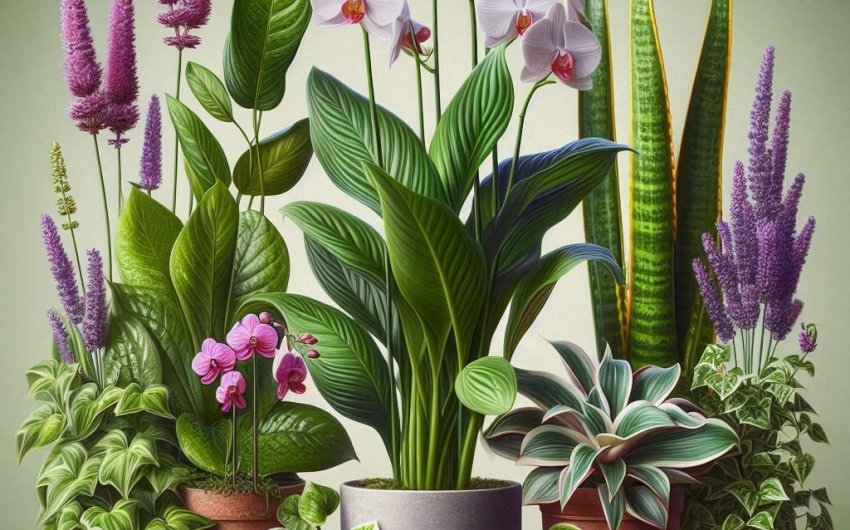
Beyond their undeniable beauty and air-purifying qualities, houseplants hold a deeper significance, subtly enriching our lives with more than just greenery. For centuries, across various cultures and traditions, plants have been imbued with symbolic meanings, representing everything from prosperity and peace to love and good fortune. This rich tapestry of the symbolism of houseplants allows us to choose indoor companions that not only enhance our decor but also resonate with personal intentions, cultural beliefs, or the message we wish to convey when giving a plant as a gift. Let's delve into the fascinating meanings behind some of our most beloved indoor plants, uncovering the hidden language woven into their leaves and blooms.
Why Do Houseplants Have Symbolic Meanings?
The practice of attributing meaning to plants is deeply rooted in human history, spanning across mythology, folklore, religion, and cultural traditions. This tradition extends to the plants we bring into our homes.
What is the Origin of Houseplant Symbolism?
The symbolic language of plants has evolved over millennia.
- Ancient Beliefs and Folklore: Many plant meanings originated in ancient times, linked to observations of nature, pagan rituals, and early agricultural societies. For example, evergreen plants often symbolized immortality or eternal life due to their year-round greenery.
- Mythology and Religion: Plants frequently appear in myths, legends, and religious texts, where their characteristics are tied to deities, spiritual concepts, or moral lessons.
- Victorian Floriography: The Victorian era saw the peak of "floriography," or the language of flowers. Since direct expression of emotion was often constrained, people communicated complex messages through carefully chosen bouquets. This codified many plant meanings that persist today.
- Feng Shui: In Eastern traditions, particularly Feng Shui, plants are chosen and placed based on their energetic properties and symbolism, aiming to harmonize spaces and attract positive chi (energy).
- Cultural Significance: Different cultures assign unique meanings to plants based on local history, customs, and the plant's use (e.g., medicinal, culinary, ceremonial).
- Observed Characteristics: Sometimes, the symbolism is simply derived from the plant's physical attributes – its resilience, rapid growth, unique shape, or how it responds to its environment. For instance, plants that thrive easily often symbolize good fortune or adaptability.
Popular Houseplants and Their Meanings
Let's explore the hidden language of some of the most common and beloved houseplants, uncovering the messages they quietly convey.
What Do Common Houseplants Symbolize?
From luck to peace, these plants carry significant meanings.
- Snake Plant (Sansevieria trifasciata):
- Meaning: Often symbolizes good luck, purification, tenacity, and protection. In some cultures, it's believed to ward off evil spirits. Its sharp, upright leaves are sometimes seen as representing strong will or resilience.
- Why it fits: Its incredibly hardy nature and ability to thrive in challenging conditions (low light, inconsistent watering) perfectly embody tenacity and strength. Its air-purifying qualities further solidify its association with purification and health. Snake plants are a popular choice for minimalist home decor.
- Peace Lily (Spathiphyllum):
- Meaning: Universally recognized as a symbol of peace, purity, hope, healing, and sympathy. Its name directly reflects its primary symbolism.
- Why it fits: The elegant white spathe (which looks like a flower but is a modified leaf) resembles a white flag of surrender, representing peace. Its ability to thrive in low light and effectively purify air also links it to tranquility and well-being. It's often given as a gift during times of loss or to bring calm to a new home. You can find peace lily plants in various sizes.
- Money Tree (Pachira aquatica):
- Meaning: A potent symbol of good fortune, prosperity, wealth, and positive energy. It's particularly popular in Feng Shui and is often given as a business or housewarming gift. The braided trunk is believed to "trap" good luck.
- Why it fits: Its unique braided trunk and five-lobed leaves (representing the five elements of Feng Shui) are thought to bring good luck and financial abundance. It's believed to bring prosperity to those who care for it.
- Lucky Bamboo (Dracaena sanderiana):
- Meaning: Represents good fortune, prosperity, happiness, health, and love. The number of stalks carries specific meanings (e.g., 2 stalks for love, 3 for happiness/wealth/long life, 8 for great wealth, 9 for great luck).
- Why it fits: Despite its name, it's not true bamboo but resembles it. Its resilience, fast growth, and ability to thrive in water make it a strong symbol of strength and adaptability, drawing on traditional Asian beliefs. You can find lucky bamboo arrangements.
- Pothos (Epipremnum aureum):
- Meaning: Symbolizes perseverance, determination, and growth. Its vigorous, trailing nature and ability to thrive in various conditions reflect its resilience. In some contexts, it's also seen as a plant of good luck, purifying negative energy.
- Why it fits: Its common name "Devil's Ivy" (because it's hard to kill) perfectly encapsulates its hardy nature and symbolic perseverance. Its ability to grow long vines makes it ideal for hanging planters.
- Jade Plant (Crassula ovata):
- Meaning: A powerful symbol of good luck, prosperity, wealth, and friendship. Its round, coin-shaped leaves are believed to attract financial abundance, especially when placed near a home's entrance.
- Why it fits: Its succulent, plump leaves resemble jade stones or coins, making it a natural fit for wealth symbolism. Its longevity (often living for decades) also signifies enduring friendship and prosperity.
- Orchid (Orchidaceae family):
- Meaning: Represents love, beauty, luxury, fertility, strength, and refinement. Specific colors can add more nuanced meaning (e.g., pink for pure affection, white for purity, yellow for friendship).
- Why it fits: Their exotic, delicate, and long-lasting blooms have long been associated with elegance and sensuality across cultures, particularly in Asia. A phalaenopsis orchid plant is a common gift.
- Spider Plant (Chlorophytum comosum):
- Meaning: Symbolizes fertility, rapid growth, protection, and adaptability. Its ability to produce numerous "spiderettes" (baby plants) makes it a clear representation of new life and abundance.
- Why it fits: Its easy propagation and prolific production of plantlets make it a literal symbol of new beginnings and growth. It's often associated with parenting and providing for new generations.
- ZZ Plant (Zamioculcas zamiifolia):
- Meaning: Represents prosperity, endurance, growth, and steadfastness. It's considered a good luck plant, especially in Asia, where its thick, waxy leaves are thought to resemble jade. Its extreme hardiness reinforces its symbol of endurance.
- Why it fits: Its almost indestructible nature and ability to thrive on neglect make it a perfect symbol of resilience and continued growth even in challenging circumstances.
- Aloe Vera (Aloe barbadensis miller):
- Meaning: Symbolizes healing, protection, beauty, good fortune, and purification. Its medicinal properties have been recognized for millennia, leading to its strong association with health and well-being.
- Why it fits: Its widely known healing gel and ability to thrive in harsh conditions contribute to its symbolic meanings of resilience and restorative power.
- Fiddle Leaf Fig (Ficus lyrata):
- Meaning: Often symbolizes happiness, good luck, prosperity, and harmony. Its large, violin-shaped leaves are believed to bring positive energy into a space.
- Why it fits: A popular choice for modern interior design, its impressive size and striking appearance contribute to its perceived ability to command positive energy and growth within a home.
Cultural and Regional Symbolism
The meaning of a houseplant can vary greatly depending on its cultural context and geographical origin. What is lucky in one place might have a different connotation elsewhere.
How Does Culture Influence Houseplant Meaning?
Traditions, myths, and everyday uses shape symbolic interpretations.
- Asian Traditions (Feng Shui):
- Money Tree, Lucky Bamboo, Jade Plant: These are highly revered for attracting wealth and positive energy. Placement within the home (e.g., wealth corner) is key.
- Orchids: Symbolize fertility, refinement, and innocence, particularly important for gifting.
- Snake Plant: Often associated with warding off negative energy.
- Victorian Floriography:
- Ferns: Sincerity, fascination, confidence.
- Ivy: Fidelity, friendship, eternal love.
- African Violet: Loyalty, devotion.
- Medicinal and Culinary Use:
- Aloe Vera: Its ancient use in medicine directly informs its symbolism of healing and protection.
- Herbs (Rosemary, Mint): Often carry symbolism related to remembrance, purification, or hospitality due to their historical uses.
- Seasonal and Lifecycle Symbolism:
- Evergreen Plants: Like many Ficus varieties or ferns, symbolize eternal life, endurance, and continuous growth because they retain their foliage year-round.
- Flowering Plants: Often represent growth, beauty, and the cycle of life.
How to Choose a Houseplant Based on Its Symbolism
Knowing the meanings allows you to select plants that resonate with your personal intentions or the message you wish to convey.
What Factors Should I Consider When Selecting a Symbolic Houseplant?
Aligning plant choice with purpose adds depth to your indoor garden.
- Personal Intention: What energy do you want to invite into your home?
- For prosperity: Money Tree, Jade Plant, ZZ Plant, Lucky Bamboo.
- For peace and calm: Peace Lily, Lavender (if grown indoors).
- For growth and new beginnings: Pothos, Spider Plant.
- For protection: Snake Plant, Aloe Vera.
- For love and beauty: Orchid.
- Gift-Giving Occasion: A plant gift can be incredibly thoughtful when its symbolism matches the event.
- Housewarming: Money Tree, Peace Lily, Snake Plant.
- New Job/Business: Money Tree, ZZ Plant.
- Sympathy: Peace Lily.
- Birthday/Anniversary: Orchid (for love/beauty), Jade Plant (for friendship).
- Aesthetic Appeal: While symbolism is powerful, don't forget to choose a plant you find visually appealing and that fits your home's decor.
- Care Requirements: Most importantly, select a plant whose care needs match your lifestyle and gardening skill level. A symbol of peace won't bring much peace if it's constantly wilting! You can find a beginner-friendly plant care guide for easy-to-grow varieties.
- Space and Light: Ensure the chosen plant is suitable for the available light and space in your home. A Money Tree symbolizing prosperity needs ample space to grow.
- Pet Safety: If you have pets, always check if the plant is toxic to animals before bringing it home. Many beautiful houseplants can be harmful if ingested.
The fascinating world of the symbolism of houseplants adds a rich layer of meaning to our indoor green spaces. By understanding the hidden language of leaves and blooms, you can choose plants that not only beautify your home but also subtly reinforce your intentions, bring positive energy, or convey heartfelt messages to loved ones. It transforms plant ownership from a simple hobby into a mindful practice, connecting us more deeply to the living world around us.