
Beautiful and Easy: Growing Houseplants in Water Vases
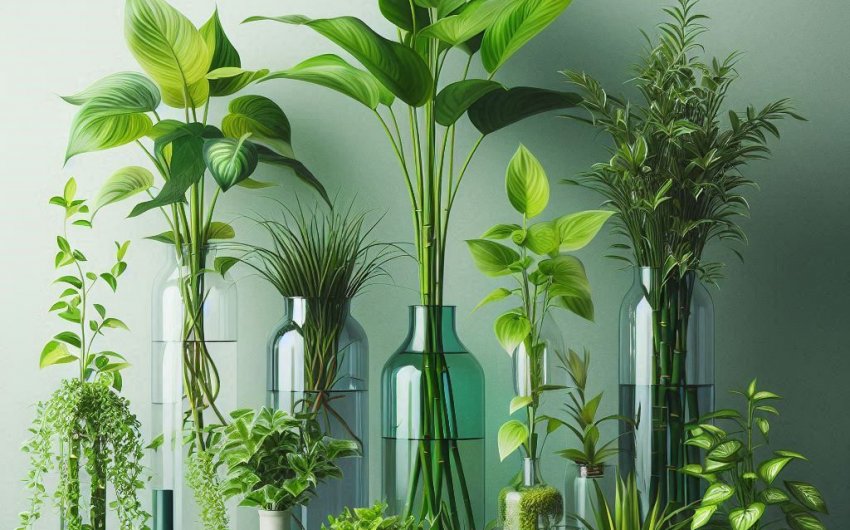
Bringing the calming presence of nature indoors is a joy many of us cherish, transforming our living spaces into vibrant, breathing havens. While traditional potted plants are a common sight, there's a uniquely elegant and surprisingly simple way to cultivate greenery that adds a touch of modern minimalism and serene beauty: growing houseplants in water vases. Imagine delicate roots gracefully trailing through clear glass, transforming ordinary cuttings into living sculptures. This method, often referred to as hydroponics or passive hydroponics, bypasses soil entirely, offering a clean, low-maintenance alternative that highlights the often-hidden beauty of a plant's root system. It's a fantastic solution for busy individuals, those prone to over or underwatering, or anyone seeking a striking, effortlessly chic botanical display. Let's dive into the fascinating world of water propagation and long-term water growing, turning simple glass vessels into tranquil showcases for your favorite indoor plants.
Why Grow Houseplants in Water Vases?
Cultivating houseplants in water vases offers a refreshing alternative to traditional soil-based methods, bringing a unique aesthetic and practical advantages. This approach is gaining popularity for its simplicity, beauty, and often surprising success.
What are the main benefits of growing plants in water?
The advantages of passive hydroponics for houseplants are numerous, making it an appealing option for various types of plant enthusiasts.
- Low Maintenance: This is perhaps the biggest draw. Plants grown in water don't require frequent watering (as they are always in water!). You simply top off or change the water periodically. This eliminates the guesswork of when to water and the mess of spilling soil. It's ideal for busy individuals or those who travel often.
- Clean and Pest-Free: Without soil, you largely eliminate common soil-borne pests like fungus gnats, mealybugs (which often hide in soil), and other crawling insects that thrive in potting mix. It also means no messy soil spills on your surfaces.
- Unique Aesthetic Appeal: The transparent glass vases allow you to see the intricate root systems of your plants, turning them into living works of art. The way the roots intertwine and grow in the clear water is surprisingly beautiful and adds a minimalist, sculptural element to your decor.
- Easy Propagation: Growing plants in water is the simplest and most effective way to propagate many houseplants. Cuttings often root readily in water, allowing you to easily expand your plant collection or share with friends.
- No Root Rot (Paradoxically): While conventional wisdom says root rot happens in too much water, plants specifically adapted to or started in water grow different types of roots (water roots vs. soil roots) that are designed to thrive in a water-based environment, and are not susceptible to traditional soil-borne root rot caused by lack of oxygen in soggy soil.
- Versatility in Placement: Water-grown plants can easily be placed in various locations without worrying about soil mess. They're perfect for desks, bookshelves, bathrooms (where humidity is higher), or as centerpieces.
- Monitoring is Easy: You can easily see the water level and the health of the roots. Any issues are often visible early.
- Humidifying Effect: While minor, the evaporating water can contribute slightly to the humidity in a room, which can be beneficial for some tropical houseplants.
What are the challenges or considerations?
While beneficial, there are a few considerations to keep in mind when growing plants in water.
- Nutrient Replenishment: Water alone does not contain the nutrients plants need for long-term growth. You'll need to add a small amount of liquid fertilizer specifically designed for hydroponics or houseplants.
- Algae Growth: If exposed to too much light, algae can grow in the water reservoir, which isn't harmful to the plant but can look unsightly. Using opaque containers or keeping the vase out of direct, intense sunlight can help.
- Not for All Plants: While many plants thrive, not all houseplants are suitable for long-term water growth. Some struggle to adapt from soil roots to water roots, or have specific needs not easily met in water.
- Water Quality: Using filtered water or rainwater can be beneficial, as tap water can contain chlorine or other minerals that might build up over time.
- Temperature Stability: Water temperature can fluctuate more quickly than soil temperature, which can stress some plants.
Despite these considerations, the ease of maintenance and the stunning visual appeal make growing houseplants in water vases a delightful and rewarding experience for many.
What are the Best Plants for Growing in Water Vases?
Not all houseplants are suited for long-term water culture, but many common and beloved varieties thrive beautifully in water, especially those that root easily from cuttings. Choosing the right plant is key to your success and enjoyment.
Top Choices for Easy Water Growing:
These plants are known for their adaptability and ability to produce robust water roots.
1. Pothos (Epipremnum aureum)
- Why it's great: Perhaps the easiest and most popular choice for water growing. Pothos are incredibly forgiving and root readily from cuttings. They grow into beautiful trailing vines, perfect for shelves or hanging.
- Varieties: 'Golden Pothos' (classic green and yellow), 'Marble Queen' (green and white), 'Neon Pothos' (bright chartreuse).
- Care: Very low-maintenance. Just needs water and occasional nutrients. A reliable starter plant for anyone. You can find a Golden Pothos Live Plant already rooted.
2. Philodendron (Heartleaf Philodendron)
- Why it's great: Similar to Pothos in ease of care and rooting ability, the Heartleaf Philodendron produces beautiful, glossy, heart-shaped leaves on trailing vines.
- Varieties: 'Brasil' (variegated green and yellow) is another popular choice.
- Care: Roots quickly and adapts well to water.
3. Lucky Bamboo (Dracaena sanderiana)
- Why it's great: Often sold specifically for water growing, Lucky Bamboo is a classic choice. Its sturdy, upright stems and graceful foliage make it an elegant, low-fuss plant.
- Care: Thrives in water. Ensure the roots are always submerged.
- Note: Not a true bamboo, but a member of the Dracaena family. A Lucky Bamboo Plant can be a thoughtful gift.
4. Tradescantia (Wandering Jew/Dude)
- Why it's great: These vibrant plants come in a range of striking colors (purple, green, silver, pink stripes) and are incredibly easy to root and grow in water, forming beautiful cascades.
- Varieties: Tradescantia zebrina (purple and silver stripes), Tradescantia pallida (purple heart).
- Care: Rapid growers. You can prune them regularly to keep them bushy and start new cuttings.
5. Chinese Evergreen (Aglaonema)
- Why it's great: Known for their striking variegated foliage, Chinese Evergreens are relatively slow growers that do well in water. They add a sophisticated touch with minimal effort.
- Care: Adapt well from cuttings. Tolerates low light.
6. Coleus
- Why it's great: While often grown as an outdoor annual, Coleus makes a fantastic, colorful houseplant for water growing. Their leaves come in an astonishing array of vibrant colors and patterns.
- Care: Roots easily and grows quickly. Keep pinching back to encourage bushiness. You can transition these back to soil if desired.
7. Begonia (Rex Begonia & Cane Begonia)
- Why it's great: Certain Begonias, particularly Rex Begonias (for their intricate foliage) and Cane Begonias (for their upright growth and flowers), can root and grow well in water.
- Care: Ensure a node is submerged. Provide good ambient light.
8. Grape Ivy (Cissus rhombifolia)
- Why it's great: A vigorous trailing vine with attractive, deep green, slightly fuzzy leaves. It roots easily and adds a lush, classic look.
9. Spider Plant (Chlorophytum comosum)
- Why it's great: The "spiderettes" (baby plantlets) that grow on long stems are perfect for rooting directly in water. They quickly form roots and can live in water long-term.
- Care: Super easy and forgiving.
10. Peace Lily (Spathiphyllum)
- Why it's great: While typically a soil plant, a division of a Peace Lily can be successfully grown in water. Ensure the crown is above the water line.
- Care: Needs more consistent nutrient replenishment than some others.
Tips for Choosing and Preparing Cuttings:
- Healthy Parent Plant: Always take cuttings from a healthy, pest-free parent plant.
- Node is Key: Ensure your cutting has at least one (preferably two or more) node – the bump on the stem where a leaf or aerial root emerges. Roots will grow from these nodes.
- Clean Cut: Use clean, sharp pruning shears or a knife to make a clean cut just below a node.
- Remove Lower Leaves: Remove any leaves that would be submerged in the water. Leaves left in water will rot.
By selecting from these excellent choices and preparing your cuttings properly, you'll embark on a rewarding journey of cultivating stunning houseplants in water vases.
How Do I Set Up My Water Vase Garden? (Step-by-Step)
Setting up a water vase garden is remarkably simple, transforming ordinary cuttings into elegant living displays. The key is in the initial preparation and ensuring the right conditions for root growth.
Step 1: Gather Your Supplies
Before you begin, have everything you need on hand.
- Glass Vases/Containers: Choose clear glass vessels of various shapes and sizes. This allows you to see the roots and adds to the aesthetic. Consider single-stem vases, wider jars, or even scientific beakers. A set of Clear Glass Bud Vases offers versatility.
- Plant Cuttings: Select your desired houseplant cuttings from healthy parent plants. Ensure they have at least one node.
- Clean, Sharp Scissors or Pruning Shears: For making clean cuts on your cuttings.
- Water: Room temperature water. Filtered water, rainwater, or distilled water is preferred, but tap water is usually fine if left out for 24 hours to allow chlorine to dissipate.
- Rooting Hormone (Optional): Can sometimes speed up rooting, but often not necessary for easy-to-root plants.
- Liquid Hydroponic or Houseplant Fertilizer (for long-term growing): A diluted liquid nutrient solution specifically designed for water-based plants.
Step 2: Prepare Your Plant Cuttings
Properly preparing the cutting increases its chances of successful rooting and long-term growth.
- Take Cuttings: Using your clean, sharp scissors or pruning shears, make a clean cut at a 45-degree angle just below a node. A node is the bump on the stem where leaves or roots emerge. For best results, aim for a cutting that is 4-6 inches long with 2-3 nodes.
- Remove Lower Leaves: Remove any leaves that would be submerged in the water. Leaves left in water will rot, foul the water, and can lead to bacterial growth. Leave 2-3 leaves at the top of the cutting.
- Optional: Apply Rooting Hormone: If using a rooting hormone (powder or liquid), dip the cut end of the stem into the hormone according to package directions. This can encourage faster rooting. A popular powder is Clonex Rooting Hormone Gel.
Step 3: Place Cuttings in Water Vases
- Fill Vase with Water: Fill your chosen glass vase with room temperature water.
- Submerge Nodes: Place the prepared cutting into the water, ensuring that at least one (preferably two) of the nodes are completely submerged. These are the points from which new roots will emerge. The upper leaves should remain out of the water.
- Secure (if needed): For top-heavy cuttings, you might need to prop them up or use a small stone or glass bead at the bottom of the vase to stabilize them, ensuring the nodes remain underwater.
Step 4: Choose the Right Location
Light and temperature are important for successful rooting and growth.
- Indirect Bright Light: Place your water vases in a spot that receives bright, indirect light. A windowsill with indirect light or a spot a few feet away from a sunny window is ideal.
- Avoid Direct Sun: Direct, intense sunlight can cause the water to heat up too quickly, stressing the plant, and can promote unsightly algae growth in the vase.
- Stable Temperature: Keep the vases in an area with stable, room temperatures (ideally 65-75°F or 18-24°C). Avoid cold drafts or extreme temperature fluctuations.
Step 5: Initial Care and Rooting
Patience is key during the rooting phase.
- Observe for Roots: Within a few days to a few weeks (depending on the plant type), you should start to see tiny white roots emerging from the submerged nodes.
- Replenish Water (as needed): Top off the water as it evaporates to ensure the nodes remain submerged.
- Change Water (Weekly or Bi-Weekly): Change the water completely every 1-2 weeks, or sooner if it starts to look cloudy or slimy. This prevents bacterial buildup and ensures fresh oxygen for the developing roots.
Step 6: Long-Term Maintenance for Established Plants
Once your plants have developed a good network of roots (usually 2-4 inches long), they are ready for long-term water growing.
- Regular Water Changes: Continue to change the water completely every 2-4 weeks to refresh the oxygen supply and prevent stagnation.
- Nutrient Solution: Plain water provides no nutrients. Once roots are established, you'll need to start adding a very diluted liquid fertilizer formulated for houseplants or hydroponics.
- Dilution: Use a very weak solution, perhaps 1/4 to 1/8 of the recommended strength on the label. Over-fertilizing can damage roots.
- Frequency: Add fertilizer with every water change, or every other water change. A balanced liquid houseplant fertilizer like Dyna-Gro Grow 7-9-5 works well.
- Clean Vases: If algae starts to grow (a green film), gently clean the inside of the vase with a bottle brush during water changes. You can also use opaque or darker colored vases to help prevent algae.
- Pruning for Shape: For vining plants, pinch back leggy stems to encourage bushiness and a fuller look. You can root the pruned pieces to create more plants!
By following these simple steps, you can successfully set up and maintain a beautiful, low-maintenance water vase garden that brings continuous greenery and elegance to your home.
What Are the Key Considerations for Long-Term Water Growth?
While starting plants in water is often straightforward, maintaining their health and vitality for long-term growth in a water vase requires attention to a few specific details. It's about providing everything the plant needs, even without soil.
1. Nutrient Management
This is the biggest difference between simply rooting a cutting and growing a plant long-term in water. Plain water contains no nutrients.
- Liquid Fertilizer is Essential: Once a plant has developed a good root system (a few inches long and robust), you must begin adding nutrients.
- Hydroponic or Houseplant Specific Formulas: Use a liquid fertilizer specifically designed for hydroponics or general houseplants. These are balanced formulas that provide macro- (Nitrogen, Phosphorus, Potassium) and micronutrients (iron, magnesium, calcium, etc.) in a form readily available in water.
- Dilution is Key: Always use a very diluted solution. Start with 1/4 or 1/8 of the strength recommended on the fertilizer label for soil-grown plants. Over-fertilizing in water can easily burn roots.
- Frequency: Add fertilizer with every water change (e.g., every 2-4 weeks), or every other water change, depending on the plant's growth rate and needs.
- No Soil-Specific Fertilizers: Do not use granular or slow-release fertilizers designed for soil, as they won't dissolve properly in water and can cause problems.
2. Water Quality and Changes
The water itself is the growth medium, so its quality is important.
- Room Temperature Water: Always use water that is at room temperature. Cold water can shock the roots.
- Filtered or Distilled Water (Preferred): Tap water can contain chlorine, chloramines, or excessive mineral salts that can build up over time and be detrimental to plants. Allowing tap water to sit out for 24 hours can help dissipate chlorine. Using filtered, rainwater, or distilled water is ideal, especially if your tap water is hard.
- Regular Water Changes: Don't just top off evaporated water. Completely change the water every 2-4 weeks.
- Why it's important:
- Oxygenation: Replenishes oxygen levels in the water, which roots need to breathe. Stagnant water becomes oxygen-depleted.
- Prevents Stagnation: Flushes out any waste products or harmful bacteria that might accumulate.
- Removes Algae/Mineral Buildup: Helps prevent algae growth and accumulation of mineral salts.
- How to change: Gently remove the plant, rinse the roots gently under running water, thoroughly clean the vase (use a bottle brush to scrub any algae), then refill with fresh, treated water and diluted nutrients.
- Why it's important:
3. Algae Control
Algae is a common issue in clear water vases, especially in bright light.
- Prevention:
- Location: Avoid placing water vases in direct, intense sunlight, which fuels algae growth. Bright, indirect light is best.
- Opaque Containers: Using opaque or darker colored vases can significantly reduce algae by blocking light from reaching the water.
- Cover the Roots: You can carefully place pebbles or marbles around the base of the plant to block light from reaching the roots directly, without covering the roots themselves completely.
- Removal: If algae appears, scrub it off the vase thoroughly during water changes. Small amounts of algae are generally harmless to the plant but look unsightly.
4. Root Health Monitoring
- Healthy Roots: Should be white or light-colored and firm.
- Unhealthy Roots: Brown, mushy, or slimy roots indicate a problem (often lack of oxygen or bacterial growth). If you see this, trim off the affected roots with clean scissors, rinse the remaining roots and vase thoroughly, and replace with fresh water. Ensure water changes are frequent enough.
- Aerial Roots: Some plants (like Pothos) may develop aerial roots above the water line. These are normal and can be left alone.
5. Transitioning to Soil (Optional)
If you decide you want to move a water-grown plant to soil, it requires a gradual transition.
- Water Roots vs. Soil Roots: Roots grown in water are different from those grown in soil. They are more delicate and not equipped to handle the drier, more aerated environment of soil immediately.
- Gradual Acclimation: Plant the water-grown plant into a very moist, well-draining potting mix. Keep the soil consistently moist (but not soggy) for the first few weeks, gradually reducing watering frequency as the plant adapts and starts to grow new soil roots.
- Expect Some Shock: The plant may experience some shock (wilting, yellowing) as it adapts.
- Best Time: Transition when the plant has a good, robust root system (several inches long) but is not root-bound in the water vase.
By paying attention to these long-term considerations, you can successfully maintain beautiful, healthy houseplants in water vases, enjoying their unique charm and the simplicity of passive hydroponics for years to come.