
Aquatic Houseplants: Thriving in Water Environments
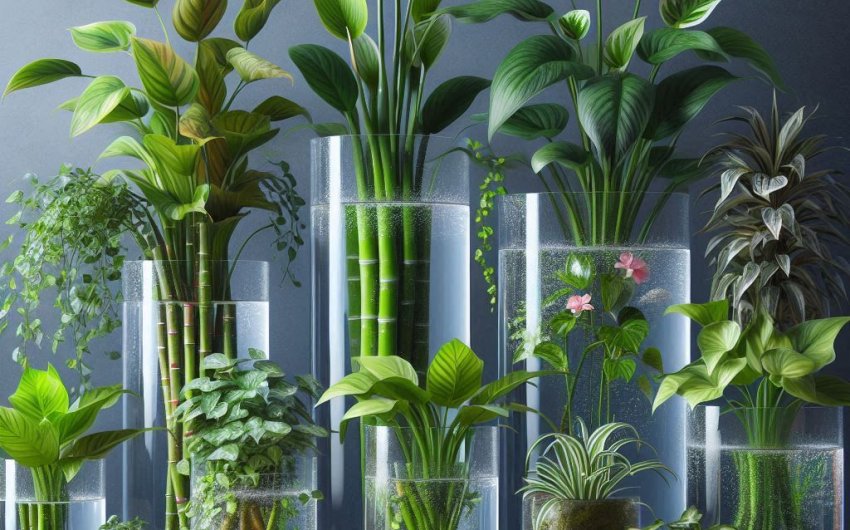
Cultivating vibrant indoor greenery doesn't always require soil. Many beautiful and low-maintenance plants flourish when simply placed in water, offering a unique and often simpler way to bring nature into your home. This comprehensive guide explores the fascinating world of aquatic houseplants, detailing everything from suitable species to their care.
What Are Aquatic Houseplants?
Aquatic houseplants are a special category of indoor plants that are adapted to grow directly in water, either with their roots fully submerged or partially submerged. Unlike terrestrial plants that require soil for nutrients and stability, these plants can absorb essential elements directly from the water, making them incredibly low-maintenance and versatile. They offer a clean, elegant aesthetic and can thrive in various containers, from simple glass jars to elaborate hydroponic setups. Many popular houseplants can be grown this way, either permanently or temporarily, making them a great option for plant enthusiasts looking for alternative growing methods or a way to easily propagate new plants.
What Makes a Plant "Aquatic" for Indoor Growing?
For indoor cultivation, an "aquatic" houseplant typically refers to a plant that can sustain itself indefinitely in a water-only environment, or at least for an extended period, without experiencing nutrient deficiencies or root rot. This adaptability is key.
- Nutrient Absorption: These plants are efficient at drawing dissolved nutrients directly from the water. While tap water contains some minerals, supplementing with a liquid fertilizer designed for hydroponics is often beneficial for long-term growth.
- Oxygen Exchange: Their roots are capable of taking up oxygen directly from the water, or the plant has evolved mechanisms to transport oxygen to its submerged roots, preventing anaerobic conditions that lead to rot.
- Disease Resistance: Plants suitable for water growth often exhibit a natural resistance to common root-borne diseases that can plague soil-grown plants, especially in overly wet conditions.
- Structural Adaptations: Some may develop specialized root structures in water that differ from their soil-grown counterparts, helping them anchor and absorb efficiently.
Which Plants Can Thrive as Aquatic Houseplants?
Many common and popular houseplants can transition beautifully to a water-based existence. This section explores some of the best choices, offering variety in foliage, size, and care requirements.
Best Common Houseplants for Water
These plants are widely available and exceptionally forgiving, making them excellent choices for beginners eager to try aquatic houseplants.
- Pothos (Epipremnum aureum): One of the easiest plants to grow in water. Pothos cuttings readily root in water and can thrive there indefinitely. They come in various variegated forms, such as 'Marble Queen' or 'Neon'.
- Care Tips:
- Change water every 1-2 weeks.
- Bright, indirect light is ideal, but they tolerate lower light.
- Add a few drops of liquid plant food every month.
- Pothos cuttings are widely available.
- Care Tips:
- Philodendron (Heartleaf Philodendron - Philodendron hederaceum): Similar to Pothos, heartleaf philodendrons are incredibly adaptable. Their delicate heart-shaped leaves make them a charming addition.
- Care Tips:
- Similar to Pothos care.
- Prefers warmth and humidity.
- Easily propagated from stem cuttings.
- Look for a philodendron plant at your local nursery.
- Care Tips:
- Lucky Bamboo (Dracaena sanderiana): While not true bamboo, this Dracaena variety is almost exclusively sold growing in water. Its distinct stems can be trained into various shapes.
- Care Tips:
- Use distilled or filtered water to prevent mineral buildup.
- Change water weekly.
- Indirect light; direct sun can scorch the leaves.
- Lucky bamboo arrangements are popular gifts.
- Care Tips:
- Spider Plant (Chlorophytum comosum): The "spiderettes" or plantlets produced by mature spider plants are perfect for rooting and growing in water.
- Care Tips:
- Place spiderettes in water until roots are several inches long.
- Can be kept in water permanently with occasional nutrient additions.
- Bright, indirect light.
- Get a spider plant to grow your own spiderettes.
- Care Tips:
- Coleus (Coleus scutellarioides): Known for their vibrant, colorful foliage, coleus cuttings root rapidly in water and can maintain their beauty for months.
- Care Tips:
- Regular water changes are important.
- Bright light to maintain leaf coloration.
- Pinch back occasionally to encourage bushiness.
- Start with coleus seeds or cuttings.
- Care Tips:
- Chinese Evergreen (Aglaonema): Many varieties of Aglaonema tolerate growing in water, displaying their beautiful patterned leaves.
- Care Tips:
- Change water regularly.
- Tolerates low light but thrives in medium, indirect light.
- A Chinese Evergreen plant is known for its resilience.
- Care Tips:
- Monstera (Monstera deliciosa/adansonii): Cuttings from these iconic plants root well in water and can be kept there as attractive decorative pieces, though they might grow slower than in soil.
- Care Tips:
- Ensure a node is submerged for rooting.
- Bright, indirect light.
- Use a sturdy glass vase for support.
- A Monstera cutting can be a beautiful display.
- Care Tips:
- Syngonium (Syngonium podophyllum): Also known as Arrowhead Plant, these charming vining plants readily root in water and display beautiful arrow-shaped leaves.
- Care Tips:
- Roots quickly and tolerates water culture well.
- Indirect light, avoid direct sun.
- Available as a Syngonium plant.
- Care Tips:
- Begonia (Begonia rex/maculata): Many begonia varieties, especially those grown for foliage, can be rooted and maintained in water.
- Care Tips:
- Submerge a portion of the stem or even just a leaf node.
- Bright, indirect light.
- Consider a begonia plant for vibrant foliage.
- Care Tips:
- Tradescantia (Tradescantia zebrina/pallida): Also known as Inch Plant or Wandering Dude, these colorful trailing plants root effortlessly and look stunning in hanging glass containers.
- Care Tips:
- Extremely easy to root and grow in water.
- Bright light enhances color.
- A Tradescantia plant adds a splash of color.
- Care Tips:
Plants That Are Excellent for Propagation in Water (Temporary)
Some plants are fantastic for starting new cuttings in water, even if they aren't meant for permanent water growth. They develop a robust root system before being transitioned to soil.
- Fiddle Leaf Fig (Ficus lyrata): Large, impressive leaves make this a popular choice. Cuttings can root in water, though it can take several weeks or months.
- Care Tips:
- Needs a warm, bright spot.
- Be patient; rooting can be slow.
- Use a sturdy rooting hormone for faster results.
- Care Tips:
- Rubber Plant (Ficus elastica): Another Ficus that can be propagated in water. The success rate can vary, but it's worth a try for new plants.
- Care Tips:
- Provide warmth and good light.
- Change water regularly to prevent stagnation.
- Care Tips:
- Hoyas: Many Hoya varieties can be rooted in water, though they may take time.
- Care Tips:
- Ensure a node is submerged.
- High humidity can aid rooting.
- Care Tips:
- Orchids (Phalaenopsis): While entire orchid plants aren't typically grown in plain water long-term, 'water culture' for orchids (submerging roots for a few days, then letting them dry out) is a popular technique for rehydrating and promoting root growth.
- Care Tips:
- This is not full-time water growth; it's a specific technique.
- Requires specialized orchid fertilizer.
- Care Tips:
How Do You Set Up Aquatic Houseplants?
Setting up your aquatic houseplants is a simple and rewarding process. The key is to provide a clean, stable environment that encourages healthy root development.
Choosing the Right Container
The container is not just for holding water; it's a significant part of the plant's aesthetic and functional needs.
- Glass Vases and Jars: Transparent glass allows you to monitor root growth and water levels easily. Various shapes and sizes are available, from a small glass jar to a tall glass vase.
- Pros: Aesthetic appeal, easy monitoring.
- Cons: Can promote algae growth if exposed to too much direct light.
- Decorative Bottles: Repurpose old wine bottles or unique glass bottles for a stylish look.
- Ceramic or Opaque Containers: If algae is a concern, opaque containers block light from the water.
- Pros: Prevents algae, can be more decorative.
- Cons: Cannot easily see water level or root health.
- Test Tubes and Propagation Stations: For single cuttings, propagation stations with multiple test tubes are highly effective and look great.
- Self-Watering Hydroponic Systems: More advanced setups designed to circulate water and nutrients, ideal for larger or more permanent aquatic houseplant displays. A hydroponic growing kit might be a good starting point.
Taking Cuttings for Water Propagation
Most aquatic houseplants start as cuttings from a "mother" plant. Knowing how to take a proper cutting is essential for success.
- Select a Healthy Stem: Choose a healthy, mature stem with at least 2-3 leaves and a "node." A node is where a leaf or branch grows from the stem, and it's where new roots will emerge.
- Make a Clean Cut: Using sharp, clean pruning shears or a knife, cut the stem about 0.5 to 1 inch below a node. A clean cut prevents crushing the stem and encourages faster rooting.
- Remove Lower Leaves: Remove any leaves that would be submerged in the water. Submerged leaves will rot, contaminating the water and potentially harming the cutting.
- Place in Water: Immediately place the cutting in your chosen container with enough water to cover the node(s) but not the remaining leaves.
What Kind of Water to Use?
The type of water can impact the health of your aquatic houseplants, especially long-term.
- Tap Water: For most common aquatic houseplants, regular tap water is sufficient, provided it's not heavily chlorinated or softened with salts. If your tap water is heavily chlorinated, let it sit out for 24-48 hours to allow the chlorine to dissipate.
- Filtered Water: If you have concerns about your tap water quality, using filtered water from a water filter pitcher can be beneficial.
- Distilled or Rainwater: These are excellent choices as they are free of minerals and chemicals, though they lack nutrients, necessitating more frequent fertilization.
- Avoid Softened Water: Water softened by salt-based softeners is high in sodium, which can be detrimental to plants.
How Do You Care for Aquatic Houseplants?
Caring for aquatic houseplants is generally straightforward, but a few key practices will ensure their long-term health and vitality.
Water Changes and Refills
Regular water changes are paramount for preventing stagnation and providing fresh oxygen and nutrients to the roots.
- Frequency: Aim to change the water completely every 1-2 weeks. For smaller containers or during warmer periods, more frequent changes might be necessary.
- Topping Off: Between full changes, you can top off the water level as it evaporates.
- Cleaning Containers: Every time you change the water, take a moment to gently rinse the roots and clean the inside of the container to remove any algae or mineral buildup. A bottle brush cleaner can be useful for narrow-necked vases.
Fertilization for Water-Grown Plants
While water contains some minerals, for long-term health and robust growth, aquatic houseplants will benefit from supplemental nutrients.
- Liquid Plant Food: Use a balanced liquid plant food specifically designed for hydroponics or indoor plants. General-purpose liquid fertilizers can also work, but always dilute them significantly.
- Dilution: It's almost always better to err on the side of caution and use a weaker solution than recommended on the label, especially initially. Over-fertilization can burn roots.
- Frequency: Fertilize every 2-4 weeks during the growing season (spring and summer) and reduce or stop during dormancy (fall and winter).
- Application: Add a few drops of the diluted fertilizer directly into the fresh water when you change it.
- Nutrient-Rich Water: Some enthusiasts collect "aquarium water" from a freshwater fish tank (if no chemicals are used) as a natural, mild fertilizer.
Light Requirements for Aquatic Houseplants
Light is just as important for water-grown plants as it is for soil-grown ones.
- Indirect Bright Light: Most aquatic houseplants prefer bright, indirect light. A spot near a window that receives filtered sunlight is often ideal.
- Avoid Direct Sun: Direct, intense sunlight can cause algae growth in the water and potentially scorch the plant's leaves.
- Low Light Tolerance: Some plants, like Pothos and Philodendron, are quite tolerant of lower light conditions, making them versatile for various spots in your home.
- Supplemental Lighting: If natural light is insufficient, consider a grow light to provide the necessary spectrum for growth.
Root Care and Trimming
The roots of aquatic houseplants are visible, making it easy to monitor their health.
- Healthy Roots: Healthy water roots are typically white or pale green and firm.
- Unhealthy Roots: Brown, mushy, or slimy roots indicate rot. If you see signs of rot, immediately remove the plant from the water, trim away the affected parts with clean scissors, and place it in fresh water.
- Root Trimming: Over time, roots can become very long and tangled. You can gently trim them back by about one-third to encourage new root growth and prevent the root ball from becoming too dense.
Dealing with Algae
Algae growth is a common issue, especially in clear glass containers exposed to light.
- Causes: Algae thrives on light and dissolved nutrients in the water.
- Solutions:
- Change Water Frequently: Regular water changes remove algae spores and their food source.
- Clean Container: Thoroughly scrub the container during water changes to remove any clinging algae.
- Reduce Light Exposure: If possible, move the plant to a spot with less direct light, or consider an opaque container.
- Use Opaque Containers: This is the most effective way to prevent algae growth as it blocks the light algae needs to photosynthesize.
- Dark-Colored Containers: If you prefer the look of clear glass but struggle with algae, you can add some pebbles or marbles to the bottom of the container to partially block light.
What Are the Benefits of Growing Plants in Water?
Growing aquatic houseplants offers numerous advantages over traditional soil-based methods, appealing to various plant enthusiasts.
Low Maintenance and Cleanliness
One of the most attractive aspects is the reduced need for traditional plant care and the cleaner environment they provide.
- No Soil Mess: Eliminates concerns about soil spills, pests from soil (like fungus gnats), and dusty surfaces.
- Reduced Watering Worries: No more guessing when to water or dealing with overwatering/underwatering issues. Simply ensure the roots are submerged and change the water regularly.
- Fewer Pests: Many common houseplant pests like fungus gnats thrive in moist soil. Water culture significantly reduces their presence.
- Easy Propagation: Water is an ideal medium for propagating many plants, allowing you to easily create new plants from cuttings.
- Travel Friendly: You can leave water-grown plants for longer periods without worry compared to soil-based plants.
Aesthetic Appeal and Versatility
The transparent nature of water growth provides a unique visual appeal and allows for creative displays.
- Visible Root Systems: The intricate beauty of the roots becomes a prominent part of the plant's display, adding an interesting dynamic.
- Decorative Potential: Almost any glass container can be repurposed, offering endless possibilities for creative and stylish arrangements. A decorative glass bottle can become a unique planter.
- Modern Look: The clean lines and minimalist aesthetic of water plants fit well with contemporary decor.
- Space-Saving: Can be placed on shelves, desks, or in small nooks where a potted plant might not fit.
- Hydroponic Enthusiast Gateway: For those interested in hydroponics, growing plants in water can be a simple and accessible introduction to the principles.
Educational Value
Watching roots develop and plants thrive in water can be a fascinating educational experience for all ages.
- Observation of Root Growth: Children and adults can directly observe the often hidden process of root development, fostering a deeper understanding of plant biology.
- Understanding Plant Needs: It simplifies understanding how plants absorb water and nutrients, as these processes are directly visible.
- Science Projects: Ideal for school projects demonstrating plant propagation and growth.
Troubleshooting Common Issues with Aquatic Houseplants
While generally low-maintenance, aquatic houseplants can sometimes encounter issues. Knowing how to diagnose and address them will keep your plants thriving.
Yellowing Leaves
Yellowing leaves can indicate a few different problems in water-grown plants.
- Nutrient Deficiency: The most common cause, especially if you're not fertilizing. Water often lacks sufficient nutrients for long-term growth.
- Solution: Begin a regular fertilization routine with a diluted liquid plant food.
- Too Much Light/Sunburn: Direct, intense sunlight can cause leaves to yellow or develop brown, crispy spots.
- Solution: Move the plant to a spot with bright, indirect light.
- Natural Aging: Older leaves, especially at the bottom of the stem, will naturally yellow and fall off. This is normal and nothing to worry about unless it's excessive.
- Chlorine/Fluoride Sensitivity: Some plants are sensitive to chemicals in tap water.
- Solution: Let tap water sit for 24 hours before use, or switch to filtered/distilled water.
Root Rot
Although growing in water, root rot can still occur if conditions are anaerobic or the water is stagnant.
- Symptoms: Roots turn brown or black, become slimy or mushy, and may have a foul odor. The plant may also look generally unhealthy, with drooping or yellowing leaves.
- Causes: Lack of oxygen in the water (due to infrequent water changes or a very dense root ball), or placing cuttings directly from soil into water without allowing them to acclimate.
- Solution:
- Immediately remove the plant from the container.
- Trim away all affected (brown, mushy) roots with clean scissors.
- Thoroughly clean the container.
- Refill with fresh water, and consider adding a very dilute amount of hydrogen peroxide (1 teaspoon per gallon) to oxygenate the water and kill remaining bacteria.
- Change water more frequently to ensure good oxygenation.
Algae Growth
This is primarily an aesthetic issue but can compete with the plant for nutrients if severe.
- Causes: Too much light exposure on clear containers, or excess nutrients in the water.
- Solution:
- Regularly clean the container by scrubbing it.
- Move the plant to a spot with less direct light.
- Consider using an opaque container or adding dark pebbles/marbles to the base of clear containers to block light.
- Ensure water changes are regular to remove algae spores.
Slow or Stunted Growth
If your aquatic houseplant isn't growing as quickly as you'd expect, consider these factors.
- Lack of Nutrients: The most common reason. Water alone cannot sustain vigorous growth long-term.
- Solution: Implement a consistent fertilization schedule using a suitable liquid plant food.
- Insufficient Light: Even light-tolerant plants need enough light to photosynthesize and grow.
- Solution: Move the plant to a brighter location, or supplement with a grow light.
- Cold Temperatures: Most houseplants prefer consistent warmth. Cold drafts or low room temperatures can slow growth.
- Solution: Ensure the plant is in a warm spot, avoiding windows in winter.
- Too Small Container: If the root system has filled the container, there might not be enough space for new growth.
- Solution: Move the plant to a larger container or trim the roots.
Pest Issues (Rare)
While less common than in soil, pests can still sometimes affect aquatic houseplants.
- Spider Mites or Mealybugs: These can still appear on the leaves or stems of water-grown plants, especially if they were transferred from a soil plant or if conditions are dry and dusty.
- Solution: Wipe affected leaves with a damp cloth or a cotton swab dipped in rubbing alcohol. For persistent issues, use a gentle neem oil spray diluted according to package directions.
- Fungus Gnats: While less prevalent in water, a few might still appear attracted to very stagnant water or decaying organic matter.
- Solution: Ensure regular water changes and remove any decaying plant material. Yellow sticky traps can also help.
How Can You Get Creative with Aquatic Houseplants?
The beauty of aquatic houseplants lies not only in their ease of care but also in the endless possibilities for creative and artistic displays.
Groupings and Arrangements
Combining different plants and containers can create stunning visual interest.
- Varying Heights and Textures: Use different sized containers and plants with varied leaf shapes and textures to add depth. Group a tall [lucky bamboo arrangement](https://www.amazon.com/s?k=tall+lucky+ bamboo+arrangement&linkCode=ll2&tag=onlinestorebo-20) with trailing Pothos cuttings in a smaller vase.
- Color Combinations: Combine plants with contrasting leaf colors, such as a 'Neon' Pothos with a 'Marble Queen' for a dynamic display.
- Floating Displays: Some plants or parts of plants, like certain succulents or water hyacinths (ensure proper species and non-invasiveness), can be displayed floating on water in shallow bowls.
- Terrariums without Soil: Create an enclosed environment by using a larger glass container like a glass cloche or a large glass terrarium bowl with water and submerged roots, effectively creating a mini water garden.
Decorative Additions to Your Containers
Enhance the visual appeal of your water displays with various decorative elements.
- Pebbles and Marbles: Add a layer of clean decorative pebbles or glass marbles to the bottom of your clear containers. This adds stability to cuttings, can hide unsightly roots (though roots are often part of the appeal!), and can even help prevent algae by blocking some light from the water. Ensure they are thoroughly rinsed before use.
- Shells and Sea Glass: For a beachy or coastal theme, incorporate clean shells or pieces of sea glass.
- Colored Glass: Experiment with containers made of colored glass for a unique look that filters light.
- LED Lights: Small, submersible waterproof LED lights can be added to the bottom of the container to illuminate the roots and create a captivating glow, especially at night.
- Charcoal: A small piece of horticultural charcoal at the bottom can help keep the water clearer and odor-free, though regular water changes are still crucial.
Wall-Mounted Propagation Stations
Elevate your water plant displays by using wall-mounted propagation stations.
- Test Tube Racks: Simple wall-mounted test tube racks or custom-made wooden blocks with holes for test tubes create an attractive and space-saving display for multiple cuttings.
- Hanging Planters: Some hanging planters are designed to hold small glass vials or test tubes, allowing you to showcase trailing aquatic houseplants from above.
- DIY Creativity: With a piece of reclaimed wood and some small glass bottles or test tubes, you can craft your own unique wall art that doubles as a plant propagation and display station.
By delving into the selection, setup, and care of these remarkable species, you'll find that embracing aquatic houseplants opens up a new realm of interior green decor, effortlessly blending natural beauty with modern simplicity.