
Identifying Common Houseplant Pests: A Visual Guide
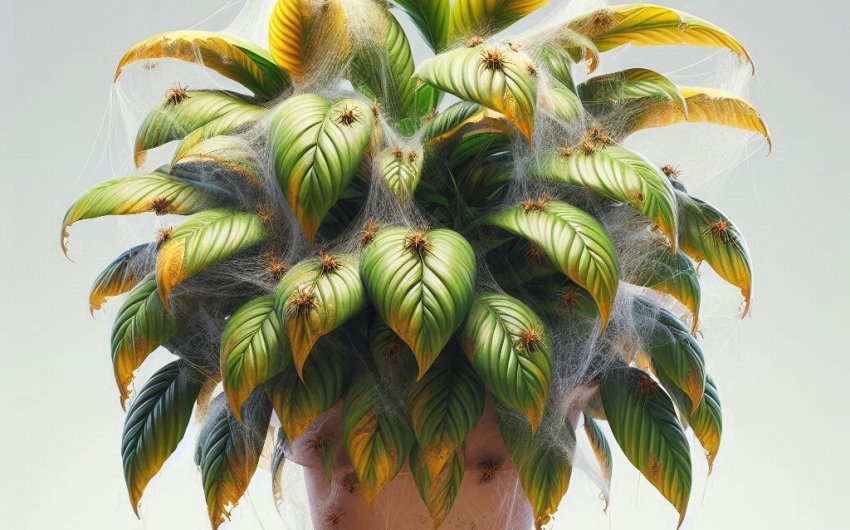
Maintaining a thriving indoor plant collection is a joy, but sometimes, tiny uninvited guests can turn that joy into a challenge. Learning how to successfully engage in identifying common houseplant pests is the crucial first step in protecting your green companions. These minuscule intruders can wreak havoc on foliage, stunt growth, and even lead to the demise of your beloved plants if left unchecked. This comprehensive visual guide will help you recognize the signs and symptoms of common houseplant invaders, empowering you to act quickly and restore your plants to their vibrant, healthy state.
Why is early pest identification important?
Spotting houseplant pests early can make all the difference between a minor inconvenience and a full-blown infestation that spreads throughout your collection. The sooner you know what you're dealing with, the easier and more effective the treatment will be.
What are the benefits of early identification?
- Prevents Spread: Many pests reproduce rapidly. Catching them early on one plant can prevent them from hopping onto neighboring plants and infecting your entire indoor garden.
- Easier Treatment: Small infestations are typically much easier to treat with less aggressive methods. You might only need a simple wipe-down or a mild insecticidal soap.
- Less Plant Damage: Pests feed on plant sap or tissue, causing various forms of damage. Early intervention minimizes leaf discoloration, stunted growth, and distorted new foliage.
- Reduced Stress for You: Dealing with a few pests is far less daunting than battling hundreds or thousands.
- Maintains Plant Health: Healthy plants are more resilient to future pest attacks. By controlling pests quickly, you ensure your plants stay strong.
What are the most common houseplant pests and their signs?
Let's dive into the specifics. Here, we'll cover the usual suspects that plague indoor plants, focusing on what they look like and the damage they cause. This is your primary resource for identifying houseplant bugs.
1. Aphids
Aphids are tiny, soft-bodied insects that cluster on new growth, buds, and the undersides of leaves.
- Appearance: Small (1/16 to 1/8 inch), pear-shaped insects. Can be green, black, white, brown, red, or yellow. Often found in colonies. Some may have tiny wings.
- Damage Signs:
- Sticky residue on leaves (honeydew, a sugary excretion).
- Distorted, curled, or yellowing new leaves.
- Stunted growth.
- Sooty mold (a black fungal growth) can develop on honeydew.
- Ants might be present, attracted to the honeydew.
- Location: Usually on tender new growth, young leaves, and flower buds.
2. Spider Mites
These are tiny arachnids (not insects) that are very difficult to see with the naked eye until an infestation is severe. They thrive in dry, warm conditions.
- Appearance: Extremely tiny (less than 1/50 inch), oval-shaped, often reddish-brown or yellowish. You'll primarily see their damage and fine webbing.
- Damage Signs:
- Tiny yellow or white stippling (pinprick dots) on leaves.
- Silvery or bronze sheen on leaves.
- Fine, delicate webbing, especially in leaf axils (where leaves meet stems) or on the undersides of leaves.
- Leaves may turn yellow, brown, and eventually drop.
- Overall unhealthy, dusty appearance of the plant.
- Location: Primarily on the undersides of leaves.
3. Mealybugs
Mealybugs are soft-bodied, oval-shaped insects covered in a white, cottony, waxy substance, making them look like tiny bits of cotton.
- Appearance: White, segmented, oval-shaped insects about 1/10 to 1/4 inch long, covered in a powdery, waxy coating. Found in cottony masses.
- Damage Signs:
- White, cottony masses in leaf axils, on stems, and on the undersides of leaves.
- Sticky honeydew on leaves and surfaces below the plant.
- Yellowing, wilting, or distorted leaves.
- Stunted growth.
- Sooty mold may develop.
- Location: Clustered in crevices, leaf axils, along stems, and on the undersides of leaves.
4. Scale Insects
Scale insects are tiny, oval, motionless bumps on stems and leaves. They protect themselves under a waxy, shell-like covering.
- Appearance: Small (1/16 to 1/8 inch), oval or round bumps that can be brown, black, white, or grey. They look like part of the plant and are often mistaken for abnormal growth. They don't move.
- Damage Signs:
- Sticky honeydew on leaves.
- Yellowing leaves, stunted growth.
- Sooty mold.
- Dieback of branches or entire plants in severe infestations.
- You might see crawling "crawlers" (immature scale) moving before they settle.
- Location: Firmly attached to stems, leaf veins, and undersides of leaves.
5. Fungus Gnats
While the adult gnats are more of a nuisance, it's their larvae in the soil that can damage plant roots.
- Appearance: Tiny (1/8 inch), dark-bodied flies that resemble mosquitoes. They fly around the plant, especially when disturbed, or crawl on the soil surface.
- Damage Signs:
- Adult gnats flying around plants or buzzing near windows.
- Wilting or yellowing of plants, especially seedlings or young plants (due to larvae feeding on roots).
- Slime trails on the soil surface (from larvae).
- Overall decline in plant vigor.
- Location: Adults fly around plants; larvae live in the top few inches of moist potting mix.
6. Thrips
These are tiny, slender insects that feed by rasping plant tissue and sucking up the exuding sap.
- Appearance: Very small (1/25 inch), slender, winged insects that can be black, brown, or yellowish. They move very quickly.
- Damage Signs:
- Silvery or streaky scars on leaves, especially along veins.
- Distorted or stunted new growth.
- Small black dots (frass, or insect droppings) on leaves.
- Flower petals may have discoloration or deformities.
- Location: Often found on new growth, flower buds, and the undersides of leaves.
7. Whiteflies
These are tiny, moth-like insects that fly up in a cloud when disturbed. They are related to aphids and mealybugs.
- Appearance: Very small (1/16 inch), white, winged insects that look like tiny moths.
- Damage Signs:
- Clouds of whiteflies flying up when the plant is disturbed.
- Sticky honeydew on leaves.
- Yellowing and stunted leaves.
- Sooty mold.
- Tiny, oval-shaped nymphs (immature stages) may be visible on the undersides of leaves.
- Location: Undersides of leaves, particularly on new growth.
How do you regularly inspect your houseplants for pests?
Regular, thorough inspection is your best defense against a major infestation. By making it a routine, you can catch pests when their numbers are low. This proactive approach is central to houseplant pest identification.
What are effective inspection methods?
- Weekly Routine: Make it a habit to inspect all your plants at least once a week, preferably during watering.
- Examine All Parts:
- Leaf Undersides: This is where many pests hide. Use a magnifying glass for plants for better visibility.
- Leaf Axils and Crevices: Areas where leaves meet stems, and any other tight spots.
- Stems and Trunk: Look for bumps, discoloration, or sticky residue.
- New Growth and Buds: Pests often prefer tender new tissue.
- Soil Surface: Look for small flies (fungus gnats) or any unusual movement.
- Drainage Holes: Sometimes pests can emerge from here.
- Wipe Down Leaves: Periodically wipe down leaves with a damp cloth. This not only cleans dust (which can hide pests) but also allows you to physically feel for sticky residue or subtle bumps.
- Sticky Traps: Place yellow sticky traps for houseplants near plants. These are excellent for monitoring flying pests like fungus gnats, whiteflies, and even winged aphids. They also give you an idea of the types of pests present.
- Listen: While not for all pests, for example, a subtle rustling in the soil might indicate something is moving below the surface.
- Quarantine New Plants: Always isolate new plants for at least 2-4 weeks before introducing them to your main collection. This prevents hitchhiking pests from infecting your existing plants. An isolated corner or room is ideal.
What should you do once a pest is identified?
Once you've successfully completed identifying common houseplant pests, the next crucial step is to act promptly and choose the right treatment. The method depends on the pest and the severity of the infestation.
What are immediate action steps?
Isolate the Plant: Immediately move the infested plant away from all other plants to prevent the spread of pests.
Begin Treatment:
- Physical Removal (Mild Cases):
- Wipe Down: For aphids, mealybugs, and scale, use a damp cloth or cotton swab dipped in rubbing alcohol to physically wipe off the pests. Repeat every few days.
- Strong Water Spray: For aphids and spider mites, take the plant to a sink or shower and spray foliage vigorously, especially the undersides of leaves, to dislodge pests. Use room-temperature water.
- Pruning: For heavily infested leaves or stems, prune them off and dispose of them in a sealed bag outside your home.
- Insecticidal Soap: An effective organic pest control option for soft-bodied insects like aphids, spider mites, mealybugs, and whiteflies. It works by suffocating them.
- Application: Mix according to package directions. Spray liberally on all parts of the plant, especially the undersides of leaves. Repeat every 5-7 days for several weeks to catch newly hatched pests. A natural insecticidal soap for plants is widely available.
- Neem Oil: A natural plant-based oil that acts as an anti-feedant, repellent, and growth disruptor for many pests.
- Application: Mix horticultural neem oil concentrate with water according to instructions. Spray thoroughly, ensuring full coverage. Repeat every 7-14 days. Avoid applying in direct sunlight.
- Hydrogen Peroxide (for Fungus Gnats): For fungus gnat larvae in the soil, dilute 3% hydrogen peroxide (1 part peroxide to 4 parts water) and use it to water the plant. It will fizz and kill larvae on contact.
- Beneficial Insects (for larger collections): For serious or ongoing issues, consider introducing beneficial insects like ladybugs (for aphids) or predatory mites (for spider mites). This is a more advanced biological pest control method.
- Systemic Insecticides (Last Resort): For severe, persistent infestations, a granular or liquid systemic insecticide (applied to the soil) might be considered. These are absorbed by the plant and kill pests that feed on the sap. Use these with extreme caution, especially around pets or children, and always follow safety instructions.
- Physical Removal (Mild Cases):
Follow-Up: Consistency is key. Even if you don't see pests, continue treatments for several weeks to ensure you eradicate all life stages.
Address Underlying Issues: Remember that stressed plants are more susceptible to pests. Ensure your plants are getting adequate light, water, humidity, and nutrients. For spider mites, increasing ambient humidity can often help deter them.
By becoming adept at identifying common houseplant pests, you equip yourself with the knowledge to maintain a vibrant, healthy, and pest-free indoor garden, ensuring your plant collection thrives for years to come.