
Hanging Houseplants: Add a Touch of Elegance to Your Home
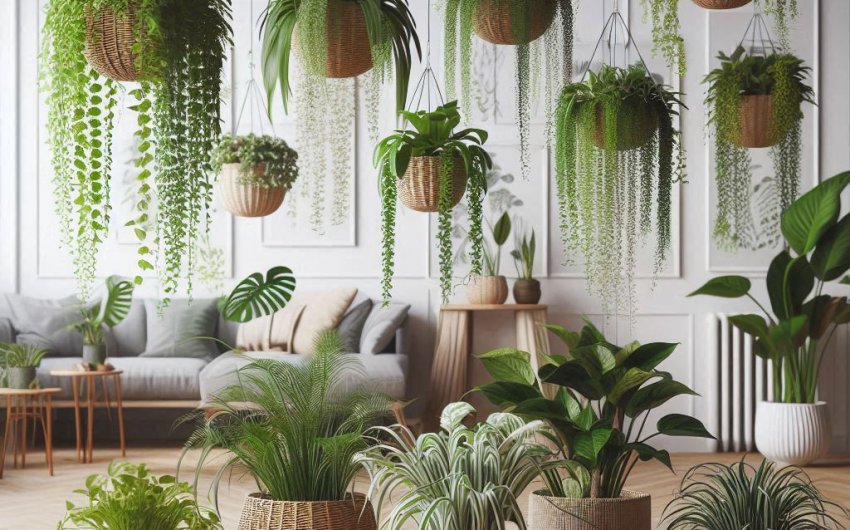
Hanging houseplants are an exquisite way to elevate your interior design, transforming empty vertical spaces into vibrant displays of cascading foliage and blooms. Beyond their aesthetic appeal, they offer practical benefits like saving floor space, improving air quality, and adding a unique dimension to your home's greenery. Selecting the right plants and understanding how to properly hang and care for them can truly add a touch of elegance and natural beauty to any room.
Why Choose Hanging Houseplants for Your Home?
Hanging houseplants offer a unique set of benefits that make them a fantastic addition to almost any interior space.
1. Maximizing Space
- Vertical Gardening: This is perhaps the most obvious advantage. In smaller homes or apartments, floor space is precious. Hanging plants allow you to introduce abundant greenery without cluttering surfaces or occupying valuable floor area.
- Utilizing Empty Walls and Ceilings: They transform often-unused vertical spaces into vibrant focal points. Think high corners, above shelving, or even in front of windows.
2. Enhancing Air Quality
- Natural Air Purifiers: Like all houseplants, hanging varieties contribute to cleaner indoor air by absorbing carbon dioxide and releasing oxygen. Some, like the Spider Plant and Pothos, are particularly effective at filtering out common indoor pollutants.
- Improved Circulation: Placing plants at different heights can help distribute their air-purifying benefits more effectively throughout a room.
3. Adding Visual Interest and Dimension
- Cascading Beauty: Trailing plants create beautiful, flowing lines that draw the eye upwards, adding dynamic movement and softness to a room.
- Layered Greenery: Combining hanging plants with floor plants and shelf plants creates a lush, layered look that makes a room feel more alive and inviting.
- Focal Points: A well-placed hanging plant can become a stunning centerpiece, especially varieties with dramatic foliage or colorful blooms.
4. Accessibility and Safety
- Out of Reach: Hanging plants keep foliage out of reach of curious pets or small children, which is especially important for plants that might be mildly toxic.
- Preventing Trips: No pots on the floor means fewer obstacles and a safer environment.
- Easier Cleaning: Keeping plants off surfaces can also make dusting and cleaning furniture easier.
5. Boosting Mood and Well-being
- Biophilic Design: Connecting with nature indoors has proven benefits for mental well-being, reducing stress, and improving mood.
- Calming Atmosphere: The presence of greenery creates a tranquil and relaxing environment.
What Are the Best Plants for Hanging Baskets?
Choosing the right hanging houseplants is crucial for success, considering their growth habit, light needs, and general care. Here are some of the most popular and easiest-to-care-for options.
1. Pothos (Epipremnum aureum)
A true champion for beginners and experienced plant parents alike.
- Key Features:
- Growth Habit: Long, trailing vines with heart-shaped leaves.
- Varieties: 'Golden Pothos' (green with yellow variegation), 'Marble Queen' (green with white variegation), 'Neon' (bright lime green), 'N'Joy' (green with stark white).
- Light Needs: Adapts to low light but thrives in medium to bright indirect light. Avoid direct sun.
- Watering: Allow top 1-2 inches (2.5-5 cm) of soil to dry out between waterings.
- Maintenance: Very low. Tolerates some neglect. Prune to encourage bushiness.
- Pros: Extremely forgiving, fast-growing, excellent air purifier, stunning cascading effect.
- Cons: Mildly toxic if ingested (keep out of reach of pets).
- Amazon Link: Golden Pothos Plant
2. Spider Plant (Chlorophytum comosum)
A classic hanging houseplant known for its "spiderettes."
- Key Features:
- Growth Habit: Arching, grass-like leaves that produce long stems with baby plantlets (spiderettes) at the ends.
- Varieties: Green, variegated with white or cream stripes.
- Light Needs: Bright to medium indirect light. Tolerates lower light but won't produce as many spiderettes.
- Watering: Keep soil consistently moist, but not soggy. Allow top inch to dry.
- Maintenance: Low. Non-toxic.
- Pros: Easy to propagate new plants from spiderettes, excellent air purifier, non-toxic, visually interesting.
- Cons: Can get brown tips from fluoride in tap water or low humidity.
- Amazon Link: Variegated Spider Plant
3. Philodendron (Heartleaf Philodendron - Philodendron hederaceum)
Similar to Pothos in care, with classic heart-shaped leaves.
- Key Features:
- Growth Habit: Long, trailing vines with glossy, heart-shaped leaves.
- Varieties: Deep green, 'Brasil' (green with lime green variegation).
- Light Needs: Medium to low indirect light. Avoid direct sun.
- Watering: Allow top 1-2 inches (2.5-5 cm) of soil to dry out between waterings.
- Maintenance: Low. Tolerates some neglect.
- Pros: Very easy to care for, fast-growing, lush foliage.
- Cons: Mildly toxic if ingested.
- Amazon Link: Heartleaf Philodendron Plant
4. Boston Fern (Nephrolepis exaltata 'Bostoniensis')
Offers lush, feathery foliage.
- Key Features:
- Growth Habit: Dense, arching fronds.
- Light Needs: Medium to bright indirect light. Can tolerate lower light but needs more humidity.
- Watering: Keep soil consistently moist. Do not let it dry out completely.
- Maintenance: Moderate. Requires high humidity to thrive.
- Pros: Beautiful, dense greenery, great for adding texture.
- Cons: High humidity needs, can drop leaves if too dry. Can be prone to spider mites in dry air.
- Amazon Link: Live Boston Fern
5. String of Pearls (Senecio rowleyanus)
A unique and charming succulent.
- Key Features:
- Growth Habit: Delicate, trailing stems covered in pea-sized, bead-like leaves.
- Light Needs: Bright indirect light. Can tolerate some direct morning sun.
- Watering: Water thoroughly, then allow soil to dry out completely between waterings (like a succulent). Overwatering is a common killer.
- Maintenance: Moderate. Prone to rot if overwatered.
- Pros: Highly unique appearance, drought-tolerant.
- Cons: Easy to overwater, delicate stems. Mildly toxic if ingested.
- Amazon Link: String of Pearls Succulent
6. English Ivy (Hedera helix)
Versatile and classic trailing plant.
- Key Features:
- Growth Habit: Trailing or climbing vines with lobed leaves.
- Varieties: Many cultivars with different leaf shapes, sizes, and variegation.
- Light Needs: Bright to medium indirect light. Can tolerate lower light.
- Watering: Keep soil consistently moist, but not soggy.
- Maintenance: Low to moderate. Can be prone to spider mites in dry air.
- Pros: Fast-growing, classic look, good for formal or informal settings.
- Cons: Can attract spider mites, mildly toxic if ingested.
- Amazon Link: English Ivy Plant
How Do I Choose and Install Hanging Planters and Hardware?
The right hanging setup is crucial for both the plant's health and your home's safety.
Choosing the Right Planter
- Material:
- Ceramic/Terra Cotta: Classic, breathable (terra cotta helps prevent overwatering), but heavy and breakable. Ceramic Hanging Planter
- Plastic: Lightweight, durable, inexpensive, wide variety of colors. Can retain more moisture. Plastic Hanging Basket
- Macrame/Woven: Often used with a liner pot. Adds a bohemian touch. Macrame Plant Hanger
- Metal/Wire: Usually requires a liner (coir, moss, or plastic). Can be very decorative.
- Drainage Holes: Absolutely essential! Ensure the planter has drainage holes to prevent root rot. If it doesn't, use a plastic nursery pot with drainage inside the decorative planter.
- Size: Choose a planter that accommodates the plant's current size and allows for some growth.
- Weight: Consider the combined weight of the pot, soil, water, and mature plant. This is crucial for selecting appropriate hanging hardware.
Selecting Hanging Hardware
Safety first! Always use hardware that can support significantly more weight than your fully watered plant.
- Ceiling Hooks:
- Types: Swivel hooks (allow rotation), fixed hooks.
- Installation: Must be screwed directly into a ceiling joist or use a heavy-duty toggle bolt or molly bolt designed for drywall ceilings. Never just screw into drywall, it will pull out! Use a Stud Finder to locate joists.
- Capacity: Check the weight capacity of the hook. A typical 6-inch hanging basket can weigh 5-10 lbs (2.2-4.5 kg) when watered.
- Wall Brackets:
- Types: Decorative, adjustable.
- Installation: Must be screwed into a wall stud or use appropriate heavy-duty drywall anchors.
- Capacity: Again, check weight capacity.
- Adjustable Hangers: Chains or ropes that allow you to adjust the height of the plant.
- S-Hooks: Useful for connecting chains or suspending planters from curtain rods (if sturdy) or other existing fixtures.
Installation Steps (for Ceiling Hooks into a Joist):
- Locate Joist: Use a stud finder to locate a ceiling joist. Mark the center of the joist.
- Pilot Hole: Drill a pilot hole slightly smaller than the screw portion of your hook.
- Screw in Hook: Screw the hook firmly into the joist until it's secure.
- Hang Plant: Carefully hang your plant, ensuring the chain or hanger is properly seated in the hook.
How to Care for Hanging Houseplants?
Caring for hanging houseplants is similar to other potted plants, but with a few unique considerations.
Watering: The Main Challenge
- Check Frequently: Hanging plants often dry out faster than plants on shelves or floors due to better air circulation. Check the soil more frequently.
- The "Lift Test": Get used to lifting the plant. If it feels significantly lighter than when it was last watered, it's likely time to water.
- Thorough Soaking: Water deeply until water drains from the bottom.
- Bottom Watering (Occasional): If the soil gets very dry and pulls away from the pot, consider taking the plant down and soaking the entire pot in a sink or basin of water for 20-30 minutes to rehydrate the soil thoroughly.
- Drainage: Always ensure excess water can drain away. Place a tray or take the plant down to water over a sink to avoid drips. Some hanging baskets have built-in reservoirs.
Light: Often Overlooked
- Higher Placement: Because they are hung high, hanging houseplants may receive more or less light than you expect.
- Monitor: Observe how the light shifts throughout the day and year. If leaves are scorching (pale yellow/brown spots), it's too much direct light. If growth is leggy and sparse, it might need more light.
- Rotation: Rotate your hanging plants every few weeks so all sides get even light exposure, encouraging balanced growth.
Pruning and Maintenance
- Encourage Bushiness: Pinch back or prune trailing stems to encourage bushier growth and prevent legginess. Use sharp, clean Pruning Snips for Plants.
- Remove Dead/Yellow Leaves: Trim off any dead, damaged, or yellowing leaves to keep the plant tidy and redirect energy.
- Dusting: Wipe down leaves occasionally with a damp cloth to remove dust, which can hinder photosynthesis.
- Fertilizing: Fertilize during the growing season (spring and summer) with a diluted Liquid Houseplant Fertilizer at half strength, usually every 2-4 weeks. Reduce or stop in fall/winter.
Repotting
- Signs: Roots growing out of drainage holes, plant drying out very quickly, stunted growth.
- Method: Carefully take the plant down. Repot into a slightly larger hanging basket with fresh potting mix.
How Can I Incorporate Hanging Houseplants into My Home Decor?
Hanging houseplants are not just living decor; they are active design elements that can define spaces and add character.
Creating a Green Curtain
- Window Treatment: Hang multiple plants across a window to create a living "green curtain." Choose plants that tolerate the specific light conditions of that window.
- Room Divider: In open-plan spaces, a series of hanging plants can subtly delineate areas without building a solid wall.
Highlighting Architectural Features
- Corners: A single large, trailing plant in a high corner can soften sharp lines and add an unexpected touch of greenery.
- Above Doorways: A hanging plant can frame a doorway, adding a welcoming touch.
- Over Stairwells: Fill the empty vertical space above a stairwell with cascading vines for a dramatic effect.
Grouping and Layering
- Vary Heights: Hang plants at different heights to create visual interest and dynamic movement.
- Mix Textures: Combine plants with different leaf shapes and textures (e.g., feathery ferns with broad-leaf Pothos) for a richer look.
- Color Play: Use variegated plants or those with unique leaf colors to add pops of visual interest.
- Combine with Other Plants: Place hanging plants above shelving units or alongside floor plants to create a lush, layered indoor jungle.
Creative Hanging Solutions
- Macrame Hangers: Add a bohemian or retro vibe.
- Geometric Metal Hangers: For a modern or minimalist aesthetic.
- Wall-Mounted Planters: Combine the look of hanging plants with the stability of wall art.
- Tiered Hangers: Maximize vertical space by hanging multiple plants from a single point.
- Curtain Rods: Use a sturdy curtain rod (secured into studs) above a window for multiple small hanging plants.
By thoughtfully selecting the right hanging houseplants and integrating them into your home with proper care and strategic placement, you can effortlessly add a touch of elegance, natural beauty, and a sense of calm to any room, transforming your living space into a vibrant green oasis.