
Why Are My Houseplants Dying? Common Problems and Solutions
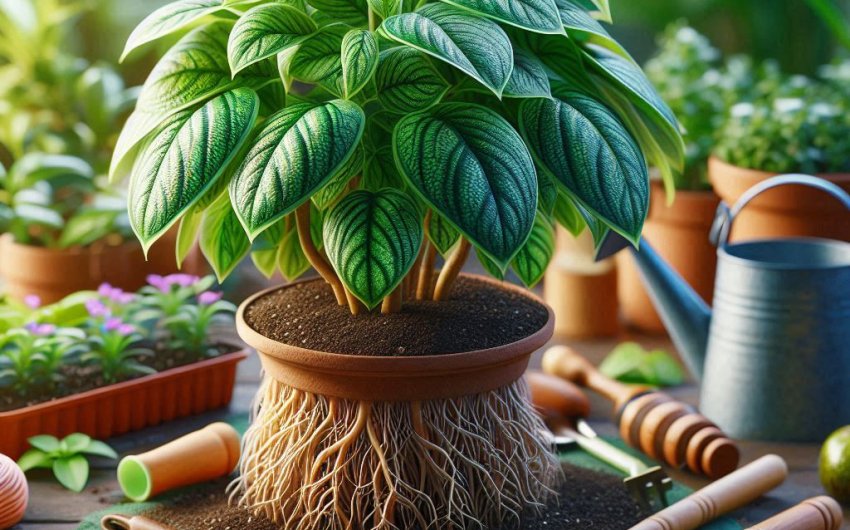
It's a disheartening experience for any plant parent to wonder, "Why are my houseplants dying?" What might seem like a mysterious decline is often your plant's way of communicating that something in its environment or care routine needs adjustment. Understanding the common problems and solutions for struggling houseplants is key to bringing them back to life and ensuring they thrive, transforming your home into a lush, green oasis rather than a plant graveyard.
Why Is My Houseplant Dying? The Most Common Problem: Watering Issues
Watering is by far the most frequent cause of houseplant death. Both overwatering and underwatering can lead to severe stress and ultimately kill your plant.
Overwatering: The Silent Killer
Overwatering is the leading culprit behind most houseplant dying scenarios. It's often due to good intentions, but too much water is far worse than too little for most plants.
- How it Happens: When a plant is overwatered, its roots sit in constantly soggy soil. This deprives the roots of oxygen, causing them to essentially "drown." Lack of oxygen creates an anaerobic environment where harmful fungi and bacteria (the cause of root rot) thrive, attacking and destroying the root system.
- Symptoms:
- Yellowing Leaves: Often starting with lower, older leaves. The yellowing can be uniform or patchy.
- Mushy, Soft Stems or Base: The base of the plant or leaf stems may feel soft, squishy, or mushy to the touch. This is a clear sign of rot.
- Foul Odor: A strong, earthy, or rotten smell coming from the soil indicates severe root rot.
- Drooping/Wilting: Paradoxically, an overwatered plant can look droopy, even though the soil is wet, because the rotted roots cannot take up water to support the foliage.
- Swollen Leaves: Some plants (especially succulents) may have leaves that feel "fat" or translucent before turning mushy.
- Fungus Gnats: Small, black, gnat-like insects flying around the soil are often a sign of consistently wet soil, as they lay eggs in damp conditions.
- Solution for Overwatering:
- Stop Watering Immediately: Do not water again until the top 2-3 inches (5-7.5 cm) of soil are completely dry.
- Check Drainage: Ensure your pot has drainage holes. If it doesn't, repot immediately into a pot with proper drainage. Always empty excess water from the saucer.
- Inspect Roots (If Severe): Gently remove the plant from its pot. Look for dark, mushy, smelly roots (root rot). Healthy roots are firm and white or tan.
- Trim Rotted Roots: Using sterilized scissors, cut away all affected roots and any mushy parts of the stem. Make sure you cut back to healthy, firm tissue.
- Repot: Repot into fresh, well-draining potting mix. Consider a terracotta pot for plants prone to overwatering.
- Delay Watering: After repotting, do not water for at least a week or two to allow the plant to recover and new root growth to establish.
Underwatering: The Thirsty Plant
While less deadly than overwatering for most plants, consistent underwatering will also cause your houseplant to slowly die.
- How it Happens: Without sufficient water, plant cells cannot maintain turgor (firmness), photosynthesis slows, and eventually, the plant tissue dehydrates and dies.
- Symptoms:
- Drooping/Wilting: Leaves will look limp, sad, and appear to "faint."
- Crispy, Dry Leaves: Leaves will feel brittle and may have brown, crispy edges or tips.
- Leaf Drop: Leaves, especially lower ones, will dry up completely and fall off.
- Stunted Growth: The plant will stop producing new leaves.
- Soil Pulling Away: The soil will be bone dry and often pull away from the sides of the pot.
- Solution for Underwatering:
- Water Thoroughly: Give the plant a deep, thorough watering until water drains from the bottom.
- Bottom Watering: If the soil is extremely dry and compacted (hydrophobic), place the pot in a basin of water for 30 minutes to an hour. This allows the soil to slowly rehydrate from the bottom up.
- Monitor: Most plants will perk up within a few hours to a day.
- Adjust Watering: Establish a consistent watering routine, checking the soil regularly. Use a Moisture Meter for Plants to accurately gauge soil dampness.
Why Is My Houseplant Dying? Light Issues
Light is the fuel for your houseplant. Too much or too little can cause severe stress and decline.
Not Enough Light: The Starved Plant
Most houseplants are tropical understory plants, meaning they prefer bright, indirect light. Placing them in a dark corner can be detrimental.
- How it Happens: Without enough light for photosynthesis, the plant cannot produce enough energy to support its growth. It will sacrifice older leaves and stretch desperately for light.
- Symptoms:
- Leggy, Stretched Growth (Etiolation): Stems are elongated, and leaves are small and far apart. The plant appears "reaching."
- Pale or Dull Color: Leaves lose their vibrant green, appearing washed out or yellow.
- Loss of Variegation: Variegated plants (with patterns of white, yellow, or pink) may revert to solid green.
- Failure to Flower: Flowering plants won't produce blooms.
- Lower Leaf Drop: Older leaves may yellow and drop.
- Solution for Low Light:
- Relocate: Move your plant to a brighter spot with indirect light. Consider an east-facing window (gentle morning sun) or a few feet back from a south or west-facing window.
- Supplemental Lighting: If natural light is limited, invest in a Grow Light for Indoor Plants. Place it at the recommended distance (usually 6-12 inches) for 10-16 hours a day.
- Rotate: Rotate your plant regularly to ensure even growth.
Too Much Light (Sunburn): The Scorched Plant
Direct, intense sunlight, especially through a window, can burn delicate houseplant leaves.
- How it Happens: Direct UV rays break down chlorophyll, damaging leaf tissue.
- Symptoms:
- Bleached or Yellow Spots: Leaves develop pale yellow or white patches, often crispy and brown where the light is most intense.
- Crispy Edges: Leaf edges may turn brown and dry.
- Overall Fading: The entire plant might look washed out.
- Solution for Too Much Light:
- Relocate: Move the plant away from direct sun. If it's in a south or west-facing window, pull it back a few feet or use a sheer curtain to diffuse the light.
- Prune Damaged Leaves: Remove severely scorched leaves.
Why Is My Houseplant Dying? Soil and Drainage Problems
The right soil and a pot with proper drainage are just as critical as watering.
Poor Drainage and Improper Potting Mix
- How it Happens: Standard garden soil or heavy, dense potting mixes retain too much moisture, suffocating roots. Pots without drainage holes also lead to standing water at the bottom.
- Symptoms: Often the same as overwatering (yellowing leaves, mushy stems, root rot).
- Solution:
- Repot: Repot into a quality, well-draining Indoor Potting Mix. For succulents, cacti, or snake plants, use a specialized succulent mix or amend regular mix with perlite/sand.
- Drainage Holes: Ensure your pot has drainage holes. If using a decorative pot without holes, plant in a slightly smaller nursery pot with drainage and place it inside the decorative one.
Nutrient Deficiencies or Excesses
While less common than watering or light issues, nutrient imbalances can also cause a houseplant to die.
- Nutrient Deficiency:
- How it Happens: Over time, plants deplete nutrients in their potting mix.
- Symptoms: Slow growth, pale green or yellowing leaves (specific patterns can indicate specific deficiencies, e.g., yellowing between veins for iron).
- Solution: Fertilize during the growing season (spring/summer) with a balanced Liquid Houseplant Fertilizer at a diluted strength (e.g., half strength).
- Nutrient Excess (Over-Fertilization):
- How it Happens: Too much fertilizer can burn roots and lead to salt buildup in the soil.
- Symptoms: Crispy brown leaf tips/edges, stunted growth, white crust on the soil surface.
- Solution: Flush the soil thoroughly with plain water to wash out excess salts. Reduce or stop fertilizing.
Why Is My Houseplant Dying? Environmental Stressors
Beyond the daily care routine, sudden environmental changes can shock your houseplant.
Temperature Fluctuations and Drafts
- How it Happens: Most houseplants prefer stable room temperatures (65-75°F or 18-24°C). Sudden cold drafts (from open windows in winter, AC vents) or extreme heat can stress them.
- Symptoms: Sudden leaf drop, wilting, browning or blackening of leaves.
- Solution: Move plants away from cold windows, heating/AC vents, and frequently opened doors.
Low Humidity
Many houseplants are tropical and prefer high humidity. Dry indoor air (especially in winter with heating) can be detrimental.
- How it Happens: Leaves lose moisture rapidly in dry air, leading to stress.
- Symptoms: Crispy brown leaf tips and edges (especially on ferns, Calatheas, Prayer Plants). Overall dull appearance.
- Solution:
- Misting: Mist leaves regularly with a Plant Mister.
- Pebble Tray: Place the pot on a tray filled with pebbles and a shallow layer of water (ensure the pot doesn't sit in the water).
- Humidifier: For consistent humidity, use a Room Humidifier.
- Group Plants: Placing plants together increases local humidity.
Why Is My Houseplant Dying? Pests and Diseases
Unseen enemies can also cause your houseplant to decline.
Pests: Sap-Sucking Invaders
- Common Pests: Mealybugs, spider mites, aphids, scale.
- How They Harm: They suck vital sap from the plant, weakening it, distorting growth, and causing discoloration.
- Symptoms:
- Visible Insects: Small white fuzzy spots (mealybugs), tiny red/brown/black dots (spider mites), sticky bumps (scale), small green/black bugs on new growth (aphids).
- Webbing: Fine webbing (spider mites) on undersides of leaves or in leaf axils.
- Sticky Residue (Honeydew): A clear, sticky substance on leaves, often accompanied by black sooty mold.
- Stippling/Yellowing: Tiny yellow or brown dots on leaves where pests have fed.
- Distorted Growth: New leaves may be curled or misshapen.
- Solution:
- Inspect Regularly: Check leaves (top and bottom) and stems frequently.
- Isolate: Immediately move the infected plant away from others.
- Physical Removal: For light infestations, wipe off pests with a damp cloth or a cotton swab dipped in rubbing alcohol. Shower the plant to dislodge mites.
- Insecticidal Soap/Neem Oil: Spray with Horticultural Insecticidal Soap or diluted Neem Oil for Plants, following label instructions. Repeat applications are usually necessary.
Diseases: Fungi and Bacteria
- Root Rot: (Already covered, primary cause: overwatering).
- Leaf Spot Fungi:
- How it Happens: Often due to high humidity, poor air circulation, or overhead watering.
- Symptoms: Small, circular spots on leaves, often brown, black, or yellow with distinct margins.
- Solution: Remove affected leaves. Improve air circulation. Avoid overhead watering. A fungicide may be needed for severe cases.
Why Is My Houseplant Dying? Other Considerations
Sometimes, problems are less about acute issues and more about gradual decline or specific circumstances.
Pot-Bound (Root-Bound)
- How it Happens: The plant's roots have completely filled the pot, leaving no space for new growth, water, or nutrients.
- Symptoms: Stunted growth, plant drying out very quickly after watering, roots growing out of drainage holes or visible on top of soil.
- Solution: Repot into a slightly larger pot (1-2 inches larger in diameter) with fresh potting mix during the growing season.
Old Age/Natural Decline
- How it Happens: Like all living things, plants have a lifespan. Some (like annuals used as houseplants) are short-lived.
- Symptoms: Gradual decline, yellowing of many lower leaves, overall lack of vigor even with good care.
- Solution: Appreciate its life cycle. You might be able to propagate new plants from healthy cuttings.
Shock from Relocation or Repotting
- How it Happens: Moving a plant to a new location with different light/temperature or undergoing the stress of repotting can cause temporary shock.
- Symptoms: Temporary drooping, yellowing of some leaves, stalled growth for a week or two.
- Solution: Provide consistent, ideal care during this recovery period. Be patient.
How to Revive a Dying Houseplant: A Step-by-Step Action Plan
When you find yourself wondering, "Why are my houseplants dying?" use this checklist to systematically diagnose and resolve the issue.
- Assess Watering (The Most Important Step):
- Feel the soil 2-3 inches deep.
- If wet, stop watering. Check for root rot. Unpot, trim, repot in dry soil if needed.
- If dry, water thoroughly.
- Adjust your watering schedule for the future.
- Evaluate Light Conditions:
- Is the plant getting enough bright, indirect light? (Not too little, not too much direct sun).
- Move it to an appropriate spot.
- Inspect for Pests:
- Thoroughly check all parts of the plant, especially undersides of leaves and stem joints.
- If pests are found, isolate and treat immediately.
- Check Soil and Drainage:
- Is the potting mix well-draining? Does the pot have drainage holes?
- Repot into proper soil and a draining pot if needed.
- Review Environmental Factors:
- Is the temperature stable? Any cold drafts or extreme heat?
- Is the humidity adequate? (Mist, pebble tray, humidifier).
- Consider Nutrients:
- When was it last fertilized? Are there signs of over-fertilization?
- Adjust fertilizer schedule and concentration.
- Prune & Tidy:
- Remove any dead, severely damaged, or rotting leaves and stems. This helps the plant redirect energy.
- Be Patient:
- Plants take time to recover. Don't expect instant results. Continue with consistent, improved care.
By systematically troubleshooting and adjusting the care for your houseplants, you can often revive them and enjoy their vibrant presence in your home for years to come.