
Non-Toxic Houseplants for Cats: Keep Your Feline Friend Safe
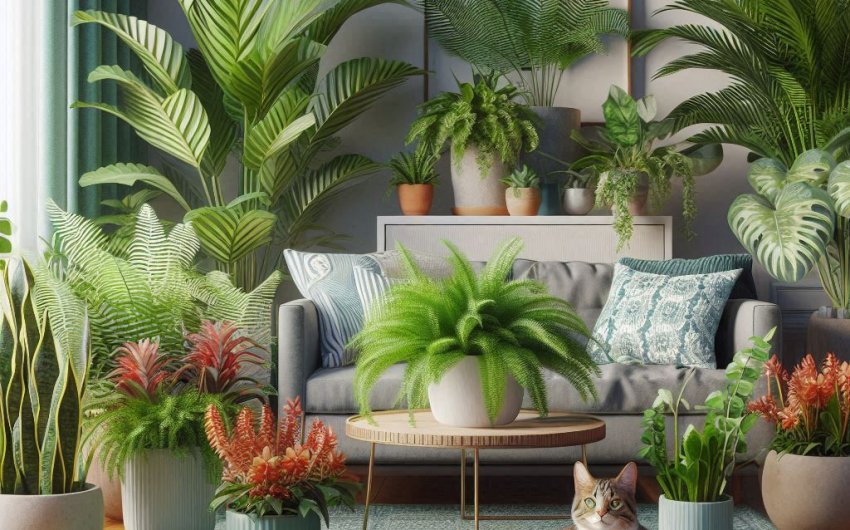
Creating a lush indoor environment for your home can be a joyful endeavor, but for cat owners, it comes with the added responsibility of ensuring every plant is harmless. Many popular houseplants, unfortunately, pose a risk to curious felines. Understanding which plants are safe and which are not is crucial for your pet's well-being. This guide will walk you through a variety of beautiful, non-toxic options that will allow you to embrace your inner plant parent without compromising your furry friend's health.
Why Are Some Houseplants Dangerous for Cats?
Cats are naturally inquisitive creatures, often exploring their surroundings with their mouths. This means that if a toxic plant is within reach, they might chew on it, leading to various health issues. The danger stems from certain chemical compounds found in specific plant species. These compounds can cause a range of symptoms, from mild gastrointestinal upset like vomiting and diarrhea to more severe conditions affecting the heart, kidneys, or nervous system. Even a small bite can sometimes lead to significant problems, so it's always best to err on the side of caution. Plant toxicity varies greatly depending on the species and the amount ingested. For instance, some plants might only cause a mild irritation, while others can be life-threatening. Recognizing the signs of poisoning, such as excessive drooling, lethargy, difficulty breathing, or seizures, is important for prompt veterinary attention.
What Are Common Toxic Plant Families?
Several plant families are notorious for containing species harmful to cats. Identifying these general categories can help you quickly rule out many dangerous options. For example, the Araceae family, which includes popular choices like Pothos and Philodendrons, contains calcium oxalate crystals. When chewed, these crystals can cause intense oral irritation, swelling, and difficulty swallowing. The Liliaceae family, encompassing lilies, is another major concern. Even small amounts of pollen or a single bite of a lily can cause severe kidney failure in cats, making them extremely dangerous. Other families like the Euphorbiaceae, including Poinsettias, can cause gastrointestinal upset and skin irritation. Awareness of these broader categories can be a helpful first step in creating a cat-safe home.
How Can I Identify Toxic Plants?
Identifying whether a specific plant is toxic can be challenging, as many plants have similar appearances but different toxicity levels. The best approach is to research each plant thoroughly before bringing it into your home. Websites like the ASPCA plant list are excellent resources that provide comprehensive information on plant toxicity for pets. You can also consult with your veterinarian or a local plant nursery for expert advice. When in doubt, it’s always safest to avoid a plant if you cannot confirm its non-toxic status. Looking up the plant’s scientific name can also provide more accurate information, as common names can sometimes be misleading or refer to multiple species. For instance, what one person calls a "rubber plant" might refer to several different species, some of which are toxic and some are not.
Which Non-Toxic Houseplants Are Safe for Cats?
Fortunately, there are many beautiful and easy-to-care-for houseplants that pose no threat to your feline companions. These plants allow you to enjoy the benefits of indoor greenery without the worry. From vibrant flowering plants to lush foliage, you have a wide array of options to choose from. When selecting plants, consider their lighting and watering needs to ensure they thrive in your home environment. Opting for cat-friendly houseplants means you can freely decorate your space without fear of accidental poisoning.
Are Succulents and Cacti Safe Choices?
While many succulents are generally considered non-toxic, it's crucial to be specific. Some popular choices like Haworthia (often called zebra plant), Echeveria, and Christmas Cactus are generally safe for cats. These plants are known for their striking appearances and low maintenance, making them ideal for busy cat owners. However, some succulents, such as the pencil cactus (Euphorbia tirucalli), are highly irritating and should be avoided. It’s always best to verify the specific species. Most cacti, while spiky and therefore less appealing for chewing, are also generally non-toxic. However, their sharp spines can still cause injury if a cat tries to play with them. Consider placing cacti in areas where your cat won't easily brush against them. For a great resource, check out a book on succulent care like The Little Book of Succulents.
What About Popular Flowering Plants?
Many flowering plants add a splash of color and cheer to a home, and thankfully, several are safe for cats. The vibrant African Violet (Saintpaulia) is a popular choice, known for its beautiful blooms and relatively easy care. Another excellent option is the Orchid (Phalaenopsis), which offers elegant flowers and a long blooming period. Christmas Cactus (Schlumbergera) is also a fantastic choice, providing festive blooms during the holiday season. The cheerful Gerbera Daisy (Gerbera jamesonii) is also considered safe, bringing bright and bold colors to any room. When purchasing flowering plants, always double-check their non-toxic status, as many common ornamental flowers, like lilies or azaleas, are highly poisonous to cats.
Which Foliage Plants are Cat-Friendly?
Foliage plants are fantastic for adding texture and varying shades of green to your indoor space, and many are perfectly safe for cats. The beautiful Prayer Plant (Maranta leuconeura) with its striking leaf patterns is a superb choice. Its leaves fold up at night, resembling hands in prayer, adding a unique touch. The Boston Fern (Nephrolepis exaltata) is another classic, known for its lush, cascading fronds. Its air-purifying qualities are an added bonus. Spider Plants (Chlorophytum comosum) are incredibly popular due to their easy care, air-purifying abilities, and the fun "spiderettes" that hang from the mother plant. These are often a favorite plaything for cats, so it's a good thing they're harmless! For a touch of tropical flair, the Areca Palm (Dypsis lutescens) is a safe and elegant option that can grow quite large, providing a statement piece. Another excellent choice is the Money Tree (Pachira aquatica), often associated with good luck and prosperity. This plant is known for its braided trunk and large, glossy leaves.
Can I Have Herbs Indoors?
Yes, many culinary herbs are not only safe for cats but can also be beneficial for them. Growing an indoor herb garden can provide fresh ingredients for your cooking and a safe snack for your feline friend. Catnip (Nepeta cataria) is a well-known cat favorite, providing a stimulating and playful effect for many cats. Cat Grass (a mix often containing wheatgrass, oat grass, or barley grass) is another excellent option that can aid in digestion and help with hairballs. Other safe herbs include Basil (Ocimum basilicum), Rosemary (Rosmarinus officinalis), Thyme (Thymus vulgaris), and Parsley (Petroselinum crispum). While these are generally safe, some cats might have sensitivities, so introduce them slowly. Always ensure you are growing them organically, without pesticides or harmful chemicals. Consider a Hydroponic Herb Garden Kit for easy indoor growing.
How Can I Keep My Cat Away from Plants?
Even with non-toxic plants, some cats may still be tempted to chew on leaves, which can be messy or simply not ideal for the plant's health. While it's great to have cat-safe plants, preventing your cat from treating your greenery like a personal salad bar can save your plants from damage and ensure your cat doesn't over-ingest plant material, even if it's harmless.
What are Physical Barriers?
One effective way to deter a curious cat is to create physical barriers. Placing plants in locations that are difficult for your cat to reach, such as high shelves, hanging baskets, or inside enclosed terrariums, can work wonders. Hanging planters are an excellent solution for keeping plants out of paw's reach. You can also use plant stands with protective cages or place plants inside sturdy, heavy pots that are difficult to knock over. For particularly persistent cats, consider placing small, uncomfortable objects around the base of the plant, such as decorative river rocks or pinecones, which can make the area less appealing for lounging or digging.
Are There Sprays or Repellents?
Yes, there are various cat-repellent sprays available, both commercial and homemade. Many commercial sprays contain bittering agents that cats find unpleasant, deterring them from chewing. Look for sprays specifically designed for pets and plants. You can also create your own deterrent using natural ingredients. A diluted solution of lemon juice or vinegar in a spray bottle can often be effective. Cats generally dislike citrus scents, so spraying a light mist on plant leaves (after testing a small area for plant sensitivity) can discourage nibbling. However, remember that these sprays need to be reapplied regularly, especially after watering. Always ensure any homemade spray is safe for your specific plants and your cat. An automatic pet deterrent spray like Ssscat Spray Pet Deterrent can also be effective.
How Can I Provide Alternatives for Chewing?
Often, cats chew on plants out of boredom, curiosity, or a need for roughage. Providing them with acceptable alternatives can redirect their attention away from your houseplants. Offering a variety of safe chew toys, such as those made from catnip-infused materials or various textures, can satisfy their urge to chew. Providing a designated cat grass planter is also highly effective. Cats often enjoy the texture and taste of grass, and it can aid in their digestion, providing a much safer alternative to your decorative plants. Rotating toys and offering new stimulating activities can keep your cat engaged and less interested in your indoor greenery. Interactive toys and puzzle feeders can also help mentally stimulate your cat, reducing boredom-driven behaviors like plant chewing.
What Should I Do if My Cat Eats a Toxic Plant?
Even with the best precautions, accidents can happen. If you suspect your cat has ingested a toxic plant, acting quickly is crucial. Do not wait for symptoms to appear, as some toxins can have delayed effects. Immediate action can significantly improve your cat's outcome.
When Should I Contact a Veterinarian?
You should contact your veterinarian immediately if you suspect your cat has ingested any part of a plant you know or suspect to be toxic. Even if the amount is small, it's always best to err on the side of caution. Have the name of the plant ready, if known, as this will help your vet determine the best course of action. If you don't know the plant's name, take a picture of it and bring a sample if possible. Be prepared to provide details about how much of the plant you believe your cat ingested and when. The sooner you call, the sooner treatment can begin. For after-hours emergencies, locate the nearest emergency veterinary clinic beforehand.
What Information Should I Provide to the Vet?
When you contact your veterinarian or an animal poison control center, be prepared to provide as much information as possible. This includes:
- The exact name of the plant, if you know it (both common and scientific names are helpful).
- The approximate amount of plant material ingested. Even a guess can be helpful.
- When the ingestion occurred. Knowing the timeframe helps the vet understand the progression of potential toxicity.
- Any symptoms your cat is exhibiting, no matter how minor. This could include vomiting, diarrhea, lethargy, drooling, difficulty breathing, or changes in behavior.
- Your cat's age, weight, and any pre-existing medical conditions. This information is important for dosage calculations and overall assessment.
- Any medications your cat is currently taking. Having this information readily available will allow the veterinary team to provide the most effective and timely care.
What Are General First Aid Tips?
While waiting for professional veterinary advice, there are a few general first aid steps you can take, but always prioritize consulting your vet first. Do not try to induce vomiting without veterinary guidance, as this can sometimes cause more harm than good, especially with certain toxins or if your cat is already showing severe symptoms. You can gently rinse your cat's mouth with water if you notice any visible plant material or irritation, but be careful not to cause choking. Keep your cat calm and monitor their breathing and overall demeanor. Remove any remaining plant material from their reach and safely store it or dispose of it. If your cat is showing signs of distress or difficulty breathing, transport them to the nearest emergency vet immediately. Having a pet first aid kit readily available can be beneficial for various emergencies. A basic pet first aid manual like The First Aid Companion for Dogs & Cats can also be helpful.
Can Cats and Houseplants Coexist Peacefully?
Absolutely! With careful planning and a bit of knowledge, you can create a beautiful, green oasis in your home that is perfectly safe for your curious cat. The key is to be proactive in your plant choices and aware of your cat's natural instincts. By understanding which plants are safe and how to manage your cat's interactions with them, you can enjoy the aesthetic and air-purifying benefits of houseplants without compromising your feline friend's safety. Many cat owners successfully blend their love for plants with their love for their pets, proving that a harmonious coexistence is not only possible but enjoyable.
What are Key Considerations for New Plant Parents?
If you're new to being a plant parent and a cat owner, start small and build your collection slowly. This allows you to observe how your cat interacts with new plants and ensures you can properly care for each one. Always research every plant before bringing it into your home, even if you receive it as a gift. Consider the size and temperament of your cat. A very curious and playful kitten might require stricter plant management than an older, calmer cat. Invest in good quality, sturdy pots that are less likely to tip over if bumped by a playful cat. Plant identification apps can be useful tools for quickly checking a plant's toxicity status when you're at a nursery or receive a new plant.
How Can I Create a Cat-Friendly Plant Zone?
To truly foster peaceful coexistence, consider creating specific cat-friendly plant zones within your home. This might involve dedicating a specific area to safe plants that your cat can interact with freely, such as a sunny windowsill with cat grass or a catnip plant. You can also design spaces where plants are displayed out of reach, perhaps on high shelves or in enclosed terrariums, keeping more decorative or potentially unknown plants safe from curious paws. By designating safe zones for both your cat and your plants, you can minimize stress for both of you. Placing a cat tree near a window with a safe plant can even encourage positive interaction, providing a high vantage point for your cat to observe and enjoy the greenery from a safe distance.
What About Outdoor Plants?
While this guide focuses on houseplants, it's worth noting that many outdoor plants can also be toxic to cats. If your cat has outdoor access, be aware of the plants in your garden and surrounding areas. Common garden plants like azaleas, rhododendrons, sago palms, and tulips are highly toxic. If you have a garden, consider creating a designated cat-safe garden area with plants like catnip, cat grass, and other non-toxic herbs and flowers. Always supervise your cat outdoors, especially if you have potentially toxic plants in your yard or neighborhood. For those with enclosed outdoor spaces, choose outdoor plants with the same care as indoor ones. Consult an outdoor plant guide for pet owners like Gardening for the Birds, Bees and Butterflies: A Guide to Creating a Wildlife-Friendly Garden.