
Boost Your Houseplants with Grow Lights: A Beginner's Guide
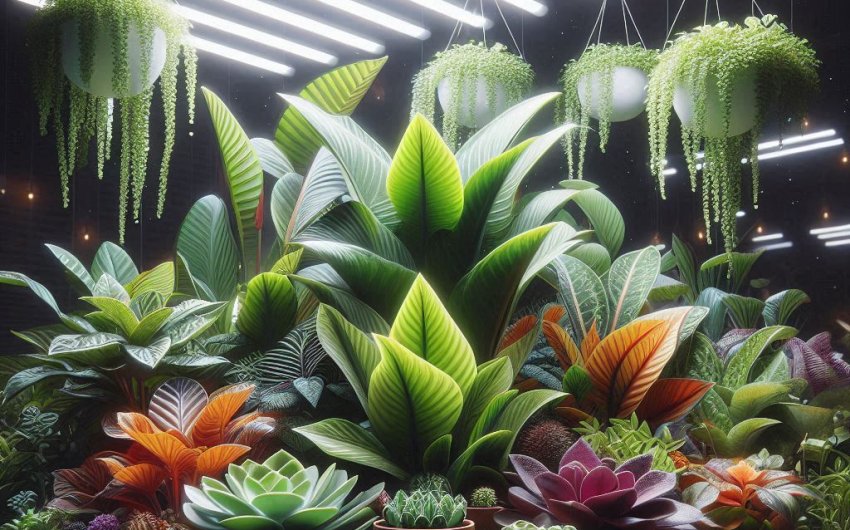
Struggling to keep your green companions happy during the darker months, or perhaps finding your space just doesn't get enough natural sunlight? Grow lights can be a game-changer for any indoor gardener looking to give their houseplants the light they crave. These artificial light sources mimic the sun's spectrum, providing the essential energy plants need for photosynthesis, growth, and flowering. Whether you're dealing with dim corners, winter slowdowns, or simply want to boost your plant's vibrancy, adding a plant grow light to your setup can make a remarkable difference. This beginner's guide will demystify grow light basics, helping you choose the right type, set it up effectively, and watch your indoor plants flourish.
Why Do My Houseplants Need Grow Lights?
Understanding the fundamental role of light in plant life helps explain why grow lights are so beneficial, especially when natural light isn't enough.
What is Photosynthesis and Why is Light Important?
Light isn't just about brightness for plants; it's their food source.
- Plant Food: Plants use light energy, along with water and carbon dioxide, to create their own food (sugars) through a process called photosynthesis. Without enough light, plants can't produce enough energy to grow, flower, or even maintain their health.
- Essential for Growth: Adequate light ensures healthy leaf development, strong stems, and vigorous growth.
- Flowering and Fruiting: Many plants require specific light durations and intensities to trigger flowering and fruit production.
What are the Common Signs of Insufficient Light in Houseplants?
Your plants will tell you if they're not getting enough light. Look for these warning signs:
- Leggy Growth (Stretching): Stems become long and stretched out, with leaves far apart. The plant is literally reaching for more light. This is called etiolation.
- Small, Pale Leaves: New leaves are smaller than older ones and often lack vibrant color, appearing pale or yellowish.
- Lack of New Growth: The plant stops producing new leaves or grows at an extremely slow rate.
- Fading Variegation: If your plant has patterns or different colors on its leaves (variegation), these might fade or disappear in low light.
- Dropping Leaves: Lower leaves may turn yellow and drop off as the plant sacrifices older foliage to conserve energy.
- Failure to Flower: If your plant is supposed to flower but never does, insufficient light is a common reason.
- Leaning: The entire plant might lean noticeably towards the nearest light source.
What Types of Grow Lights Are Available for Houseplants?
The world of grow lights can seem overwhelming at first, but for beginners, focusing on a few common and effective types is best. Each type has its pros and cons in terms of efficiency, cost, and heat output.
What are LED Grow Lights?
LED grow lights are by far the most popular and recommended option for houseplants today.
- Energy Efficient: They use significantly less electricity than older types of grow lights, saving you money on your utility bill.
- Low Heat Output: LEDs produce very little heat, reducing the risk of scorching leaves and allowing you to place them closer to your plants. This also means less need for cooling systems.
- Long Lifespan: LEDs last a very long time, often tens of thousands of hours, meaning you won't need to replace them frequently.
- Full Spectrum Options: Many LED grow lights come in "full spectrum," meaning they emit a balance of red, blue, and green light that mimics natural sunlight, which is excellent for all stages of plant growth. Some also come with specific red and blue wavelengths, which look purple, but full spectrum is generally preferred for aesthetic reasons in home settings.
- Versatile: Available in various forms, from small clip-on lights for a single plant to strip lights for shelves and larger panels for multiple plants. Consider an LED Grow Light for Indoor Plants for easy setup.
What are Fluorescent Grow Lights (T5/T8)?
Fluorescent lights used to be the go-to for many indoor growers, and they're still a decent, budget-friendly option.
- Affordable: Generally less expensive upfront than LEDs.
- Low Heat: Like LEDs, they don't produce a lot of heat, so they can be placed relatively close to plants.
- Good for Starter Plants/Seedlings: T5 or T8 fluorescent tubes are often used for starting seeds and growing leafy greens because they provide good light spread over an area.
- Less Efficient than LED: They use more energy and have a shorter lifespan than LEDs.
- Limited Spectrum: While some "grow spectrum" fluorescents exist, they generally offer a less comprehensive light spectrum than full-spectrum LEDs.
What About Incandescent and Halogen Lights?
- Not Recommended: These types of bulbs are generally NOT suitable as dedicated grow lights.
- High Heat Output: They produce a lot of heat, which can easily scorch plants.
- Inefficient: They waste a lot of energy as heat, rather than converting it into usable light for plants.
- Poor Spectrum: Their light spectrum isn't ideal for plant growth.
What is Full Spectrum Light and Why is it Important?
When selecting a grow light, you'll often hear the term "full spectrum." Understanding what this means is key to providing your plants with the best light for healthy development.
What Does "Full Spectrum" Mean for Grow Lights?
- Mimics Sunlight: A full spectrum grow light emits light across the entire visible spectrum (red, orange, yellow, green, blue, indigo, violet) plus often includes beneficial infrared and ultraviolet light, just like natural sunlight.
- Balanced Growth: Different wavelengths of light play specific roles in plant development.
- Blue Light: Important for vegetative growth (leaves and stems), strong structure, and compact growth.
- Red Light: Crucial for flowering, fruiting, and overall plant size. It also helps with stem elongation.
- Green Light: While often thought of as less important because plants reflect it (which is why they look green), recent research suggests green light does penetrate deeper into the plant canopy and can contribute to overall photosynthesis.
- Ideal for Houseplants: For most houseplants that you want to keep growing well year-round, a full spectrum grow light is the best choice because it supports all stages of growth and overall plant health. It also looks more natural in your home than the strong red/blue "purple" lights.
How Do I Determine the Right Light Intensity for My Houseplants?
Light intensity refers to the amount or strength of light reaching your plant. It's crucial because different plants have different light requirements. Too little, and they suffer; too much, and they can get scorched.
What is PAR and DLI?
You might encounter these terms if you delve deeper, but for beginners, a simpler approach works.
- PAR (Photosynthetically Active Radiation): This measures the light wavelengths that plants actually use for photosynthesis.
- DLI (Daily Light Integral): This measures the total amount of PAR light a plant receives over a 24-hour period. It's like a plant's "daily calorie intake" of light.
For most houseplant enthusiasts, you won't need to buy a PAR meter. Instead, focus on understanding your plant's general light needs and adjusting the grow light distance.
How to Adjust Light Intensity (Distance from Plant):
The intensity of light decreases significantly the further away you move from the source. This is why distance is your main tool for adjusting light intensity.
- High-Light Plants (Succulents, Cacti, Ficus, Birds of Paradise): These plants need the most intense light. Place your grow light closer, typically 6-12 inches (15-30 cm) from the top of the plant.
- Medium-Light Plants (Pothos, Philodendrons, ZZ Plants, Monstera): Most common houseplants fall into this category. Position the light 12-24 inches (30-60 cm) away.
- Low-Light Plants (Peace Lilies, Snake Plants, Cast Iron Plant): While they tolerate low light, they will still benefit from some supplemental light. Place the light further away, 24-36 inches (60-90 cm) or more, or use a less powerful light. Even in low-light situations, too intense a grow light too close can still be harmful.
- Observe Your Plants: The best way to know if the intensity is right is to observe your plants.
- Too Close/Too Intense: Leaves might appear bleached, scorched (brown crispy spots), or the plant might appear stressed and stop growing.
- Too Far/Not Intense Enough: You'll see the same signs of insufficient light as mentioned earlier (leggy growth, pale leaves).
How Long Should I Keep Grow Lights On? (Photoperiod)
The duration of light your plants receive is called the photoperiod. Just like intensity, different plants have different ideal photoperiods.
What is the Ideal Daily Light Duration for Houseplants?
- Most Houseplants: For general houseplant care and vegetative growth (leaves and stems), a duration of 12-16 hours per day is typically recommended.
- High-Light Plants: Plants that naturally crave intense sun might benefit from closer to 14-16 hours.
- Low-Light Plants: Even low-light plants can benefit from 10-12 hours of supplemental light.
- Dark Period is Crucial: Just as important as the light period is the dark period. Plants need darkness to complete certain metabolic processes, including respiration. Never keep grow lights on 24/7; this will stress and harm your plants. A minimum of 8 hours of darkness is essential.
- Use a Timer: The easiest way to manage the photoperiod consistently is to use an outlet timer for grow lights. Set it once, and forget about it! Consistency is better than varying light schedules.
Where Should I Place My Grow Lights?
Proper placement ensures your plants get the most benefit from their new light source.
What is the Best Positioning for Grow Lights?
- Above the Plant: Generally, grow lights should be positioned directly above the plant, simulating the sun's overhead position. This provides even light distribution across the foliage.
- Side Lighting: For bushier plants or those with dense foliage, supplemental side lighting can help illuminate lower leaves and prevent shadowing, promoting more even growth.
- Adjustable Height: Choose a grow light setup that allows you to easily adjust the height of the light. This is crucial for adapting to different plant sizes and adjusting light intensity. Many grow light stands or hanging kits offer this flexibility.
- Reflective Surfaces: White walls or reflective materials around your plants can help bounce light back onto the foliage, increasing efficiency. Some growers use Mylar sheeting or white painted surfaces.
- Consider Aesthetics: For living spaces, choose grow lights that blend in. Full-spectrum LEDs look more natural than the purple-hued red/blue lights. Clip-on lights or sleek hanging bars can be discreet. A small plant grow light with stand can fit well on a shelf or desk.
How Do I Set Up My Grow Lights Safely?
Safety is paramount when working with electrical equipment and water.
Essential Safety Tips for Grow Lights:
- Read Instructions: Always read the manufacturer's instructions for your specific grow light model.
- Proper Electrical Connections: Ensure all electrical cords are in good condition, not frayed or damaged. Plug grow lights into properly grounded outlets.
- Avoid Overloading Outlets: Don't plug too many lights into one outlet, which can overload the circuit.
- Keep Away from Water: Never let water come into contact with your grow light fixture or electrical cords. Be extra careful when watering your plants.
- Ventilation: While LEDs produce little heat, ensuring good air circulation around your plants is always beneficial to prevent fungal issues.
- Secure Mounting: If hanging lights, ensure they are securely mounted to prevent them from falling. Use appropriate hardware for the weight of the fixture.
- Timer Use: As mentioned, use an automatic timer to ensure consistent light cycles and to automatically turn lights off when you're not home.
Can Grow Lights Help with Plant Problems?
Yes, absolutely! Grow lights can be a powerful tool in rehabilitating struggling plants, especially those suffering from insufficient light.
How Grow Lights Aid Plant Recovery:
- Reversing Leggy Growth: While stretched stems won't shorten, new growth will be more compact and healthier, filling out the plant.
- Improving Leaf Color: Pale or faded leaves will regain their vibrant color as the plant receives adequate light for chlorophyll production.
- Promoting New Growth: Stagnant plants will start pushing out new leaves and stems, indicating improved health.
- Boosting Overall Vigor: Stronger light leads to a more robust plant, which is often more resilient to other stressors like pests or minor watering issues.
- Winter Survival: For plants that typically go dormant or struggle during winter's short, dark days, grow lights can provide the necessary energy to keep them actively growing or simply prevent decline.
When to Introduce Grow Lights to a Struggling Plant:
- Gradual Introduction: If your plant has been in very low light, introduce the grow light gradually. Start with a shorter duration (e.g., 8-10 hours) or a greater distance from the plant, and slowly increase over a week or two to avoid shocking the plant.
- Monitor Closely: Watch your plant for signs of stress (scorching, wilting) and adjust the light distance or duration as needed.
What is the Difference Between Horticultural and Regular LED Lights?
This is a common question, and it's important to understand the distinction to avoid wasting money or harming your plants.
Why Horticultural Lights are Better for Plants:
- Targeted Spectrum: Regular LED lights are designed for human vision, optimizing for brightness and color rendition that looks good to our eyes. Horticultural grow lights, especially full-spectrum ones, are engineered to provide the specific wavelengths of light that plants primarily use for photosynthesis (PAR values are optimized). This means they convert electricity into usable light for plants more efficiently.
- Higher Intensity (PAR Output): Grow lights are designed to deliver a higher intensity of light (measured in PAR) than regular LEDs. While a regular LED bulb might look bright to you, it may not be providing enough usable light for a plant.
- Longevity and Durability: Quality grow lights are built to withstand the conditions of indoor gardening, including longer running times and sometimes humidity, which can degrade standard bulbs faster.
- Cost-Effectiveness (Long Term): While the initial cost might be higher, a dedicated plant grow light will be more effective and energy-efficient for plant growth over time than trying to use multiple regular household bulbs.
Using a regular desk lamp with an ordinary LED bulb might offer a minimal benefit in a very dark corner for a very low-light plant, but for serious growth or to truly boost your plants, a purpose-built grow light is the way to go.
Can I Use Grow Lights for Starting Seeds and Seedlings?
Absolutely! Grow lights are an indispensable tool for starting seeds indoors, giving your young plants the best possible start before they move outdoors or become permanent houseplants.
Benefits for Seed Starting:
- Prevent Leggy Seedlings: Without enough light, seedlings quickly become tall, weak, and leggy, making them prone to falling over and less robust when transplanted. Grow lights provide the intense, consistent light they need to grow compact and strong.
- Consistent Growth: You have complete control over the light duration and intensity, ensuring your seedlings get exactly what they need every day, regardless of weather outside.
- Year-Round Starting: Allows you to start seeds much earlier than the growing season or grow sensitive plants year-round.
- Good for Propagation: Also ideal for rooting cuttings, providing a stable, bright environment for new root development.
Grow Light Setup for Seedlings:
- Closer Distance: Seedlings need quite intense light to prevent stretching. Place the grow light closer, typically 2-6 inches (5-15 cm) above the top of the seedlings. Adjust the height as they grow to maintain this distance.
- Longer Duration: Provide 14-16 hours of light per day for strong seedling growth. Use a timer!
- Fluorescent or LED Strips: T5 fluorescent tubes or LED strip lights are excellent for seed starting setups because they provide a good, even spread of light over a tray of seedlings. A full spectrum LED strip light is a great choice.
What Are the Different Styles of Grow Lights?
Beyond the bulb type, grow lights come in various forms designed for different needs and spaces.
Common Grow Light Styles:
- Clip-On Grow Lights:
- Best for: Single plants, small spaces, providing supplemental light to a specific area.
- Features: Come with a clip that attaches to a shelf, desk, or table. Often have flexible gooseneck arms to position the light.
- Example: A clip-on grow light with flexible arm.
- Panel Grow Lights:
- Best for: Multiple plants, larger areas, or small grow tents.
- Features: Flat, rectangular panels with many LED diodes. Can be hung from ceilings or shelves.
- Considerations: Vary greatly in power and size.
- Bar/Strip Grow Lights:
- Best for: Shelving units, propagating trays, under-cabinet lighting for plants.
- Features: Long, narrow fixtures that provide even light over a rectangular area. Can be linked together for longer runs.
- Example: LED grow light bar for shelves.
- Bulb-Style Grow Lights:
- Best for: Replacing standard bulbs in existing lamps or fixtures to provide supplemental light for a single plant.
- Features: Look like regular light bulbs but emit a plant-friendly spectrum. Often screw into standard E26/E27 sockets.
- Considerations: Don't have the same intensity as dedicated panels or bars, best for low to medium light needs or very close proximity.
- Integrated Shelf/Grow Systems:
- Best for: Creating a dedicated indoor growing area, often for herbs, microgreens, or multiple small plants.
- Features: Shelving units that come with integrated grow lights, often with timers and adjustable heights.
Choosing the right style depends on the number of plants you have, the space available, and your budget. Start small and expand as your needs grow!
By thoughtfully incorporating grow lights into your indoor gardening routine, you're not just surviving the darker days; you're creating an optimal environment for your houseplants to truly flourish, bringing more life and vibrancy into your home year-round. It's an investment that pays off in healthier, happier plants.