
Top 5 Pet-Friendly Houseplants That Are Safe for Your Furry Friends
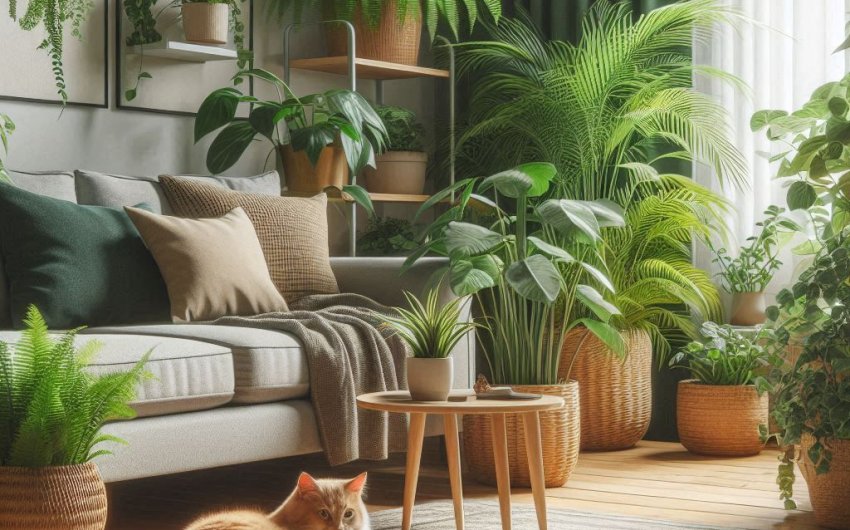
Top 5 pet-friendly houseplants that are safe for your furry friends offer lush greenery and air-purifying benefits without the risk of toxicity. These reliable choices, including the Spider Plant, Boston Fern, Prayer Plant, Areca Palm, and African Violet, ensure a beautiful and worry-free indoor garden for homes with curious cats and dogs.
Why is choosing pet-friendly houseplants so important?
Choosing pet-friendly houseplants is a critical consideration for any animal lover looking to incorporate greenery into their home. While houseplants offer immense aesthetic and well-being benefits, many popular varieties contain compounds that are toxic if ingested by curious cats, dogs, or other household pets. Understanding the risks and selecting truly safe plants is paramount to creating a beautiful and worry-free indoor environment for all members of your family, furry ones included.
What are the dangers of toxic houseplants for pets?
Many common houseplants, beautiful as they are, pose significant health risks if ingested by pets.
- Varying Degrees of Toxicity: The level of toxicity can range from mild gastrointestinal upset (vomiting, diarrhea) to severe symptoms like organ damage, respiratory distress, oral irritation, and even death.
- Curious Pets: Pets, especially puppies, kittens, and bored or inquisitive animals, are prone to nibbling, chewing, or ingesting plants. Cats are particularly attracted to trailing or grass-like leaves.
- Hidden Dangers: Many plant toxins are not immediately apparent and symptoms can be delayed or mimic other illnesses, making diagnosis difficult.
- Common Culprits: Many popular houseplants like Peace Lily, Pothos, Philodendron, ZZ Plant, Aloe Vera, Snake Plant (though often listed as mild, they are still not truly non-toxic), Dieffenbachia, Sago Palm, Lilies (extremely toxic to cats), and Ivy contain calcium oxalates or other compounds that can cause harm.
- Misinformation: Common myths (e.g., "Poinsettias are deadly") sometimes overshadow the true dangers of other plants.
- Veterinary Emergencies: Ingesting toxic plants is a frequent cause of emergency veterinary visits, leading to stress for both pet and owner, and potentially high medical bills.
How do I identify if a houseplant is safe for pets?
Reliable information is crucial for making pet-safe choices.
- Consult Reputable Sources:
- ASPCA (American Society for the Prevention of Cruelty to Animals): The ASPCA plant list (online) is the definitive resource. It has a comprehensive database of toxic and non-toxic plants for cats, dogs, and horses. Search for the plant by its scientific name (genus species).
- Pet Poison Helpline: Another excellent resource for plant toxicity.
- Your Veterinarian: Always consult your vet if you suspect your pet has ingested a toxic plant.
- Scientific Name is Key: Always use the scientific name of a plant (e.g., Spathiphyllum spp. for Peace Lily) when checking toxicity. Common names can be misleading, as different plants may share the same common name, and some are safe while others are toxic.
- "Non-Toxic" vs. "Safe": Understand the difference. A plant listed as "non-toxic" by ASPCA means it won't cause serious illness or death. However, any foreign plant material can cause mild stomach upset (vomiting, diarrhea) if ingested in large quantities by a sensitive pet. Truly "pet-safe" implies minimal to no reaction.
- Assume Toxicity (When Unsure): If you are unsure about a plant's toxicity, it's always best to err on the side of caution and keep it out of reach, or remove it from your home.
What are the benefits of pet-friendly houseplants?
Choosing safe plants allows you to enjoy greenery without worry.
- Peace of Mind: The biggest benefit. You can display plants without constantly worrying about your pets' safety.
- Enhanced Home Environment: Allows you to enjoy the aesthetic, air-purifying, and well-being benefits of plants without compromising your pets' health.
- Safe Interaction: Pets can safely explore (within reason) plants that are non-toxic, fostering a more natural and enriching home environment.
- Reduces Pet Stress: Constantly shooing pets away from plants can create stress for both the animal and the owner.
- Sustainability: Choosing healthy, long-lived houseplants (whether toxic or non-toxic) promotes sustainable living.
By understanding the risks of toxic plants and meticulously selecting pet-friendly alternatives, you create a harmonious home where both lush greenery and cherished furry friends can coexist safely and happily.
1. Spider Plant (Chlorophytum comosum): Cascading and Curious-Pet-Friendly
The Spider Plant (Chlorophytum comosum) is a beloved classic houseplant that tops the list for pet-friendly greenery. Famous for its arching, variegated foliage and numerous "spiderettes" (baby plants) that dangle from its stems, it offers a safe, engaging, and low-maintenance option for homes with curious cats and playful dogs.
Why is the Spider Plant a top pet-friendly choice?
The Spider Plant's characteristics make it an ideal and worry-free addition to pet households.
- Non-Toxic: The ASPCA officially lists the Spider Plant as non-toxic to cats and dogs. This provides immense peace of mind for pet owners.
- Engaging for Pets: Its long, arching leaves and dangling "spiderettes" often attract the attention of cats, who enjoy batting at them. Since it's non-toxic, this interaction is generally safe.
- Air Purifier: It's a well-known air purifier, effectively removing formaldehyde, xylene, and carbon monoxide from indoor air, contributing to a healthier environment for both humans and pets.
- Easy Care and Forgiving: Extremely easy to care for and tolerant of neglect, making it ideal for beginners.
- Versatile Display: Perfect for hanging baskets, high shelves, or on plant stands where its trailing habit can be admired.
- Easy Propagation: The "spiderettes" are incredibly easy to root, allowing you to quickly propagate new plants and expand your collection (or replace any nibbled leaves!).
Care Tips for a Thriving Spider Plant:
- Light: Prefers bright, indirect light for best variegation and spiderette production, but tolerates moderately low light. Avoid direct sun.
- Watering: Water thoroughly when the top 1-2 inches of soil are dry. Keep consistently moist during active growth. Reduce in winter. Ensure good drainage.
- Soil: Use a good quality, well-draining all-purpose potting mix.
- Temperature: Prefers average room temperatures (60-80°F / 15-27°C). Protect from cold drafts below 50°F (10°C).
- Humidity: Tolerates average household humidity but appreciates occasional misting.
- Fertilization: Fertilize monthly during spring/summer with a diluted liquid houseplant fertilizer. Reduce or cease in fall/winter.
- Pruning: Remove yellowing/dead leaves and spiderettes for propagation or to encourage new growth.
- Fluoride Sensitivity: Some spider plants can develop brown leaf tips from fluoride in tap water. Consider using filtered or rainwater.
The Spider Plant is a reliable and delightful choice for any pet owner, bringing cascading greenery, air-purifying benefits, and a continuous supply of new plants without posing a threat to curious furry friends.
2. Boston Fern (Nephrolepis exaltata 'Bostoniensis'): Lush and Non-Toxic Foliage
The Boston Fern (Nephrolepis exaltata 'Bostoniensis') is a classic and elegant houseplant, admired for its lush, arching, bright green fronds. Its non-toxic nature, combined with its ability to add a touch of timeless beauty to any space, makes it an excellent and safe choice for homes with pets.
Why is the Boston Fern a top pet-friendly choice?
The Boston Fern is a celebrated choice for pet owners seeking lush, traditional greenery.
- Non-Toxic: The ASPCA officially lists the Boston Fern as non-toxic to cats and dogs. You can enjoy its beauty without worrying about accidental ingestion.
- Lush, Classic Appearance: Its dense, feathery fronds create a vibrant green cascade, adding a touch of classic elegance and natural softness to shelves, plant stands, or hanging baskets.
- Air Purifier: It's known for its ability to purify indoor air, especially effective at removing formaldehyde and xylene.
- Humidity Lover: It appreciates high humidity, making it a good choice for bathrooms or kitchens, or near a plant humidifier.
- Easy to Propagate: Can be propagated by division of its rhizomes or by rooting its "runners" (stolons).
Care Tips for a Thriving Boston Fern:
- Light: Prefers bright, indirect light. Avoid direct sunlight, which can scorch its delicate fronds. Tolerates moderate low light, but may grow slower.
- Watering (Crucial): Keep the soil consistently moist but not waterlogged. Water when the top inch of soil feels slightly dry. Never let the soil dry out completely. Ensure good drainage. Reduce watering slightly in winter.
- Soil: Use a good quality, well-draining all-purpose potting mix that retains moisture, ideally with some added peat moss.
- Temperature: Prefers average to warm room temperatures (65-75°F / 18-24°C). Protect from cold drafts below 60°F (15°C).
- Humidity (Essential): Requires high humidity. Mist regularly (daily/every other day), use a pebble tray, or place near a humidifier. Brown frond tips often indicate low humidity.
- Fertilization: Fertilize every 2-4 weeks during spring/summer with a diluted liquid houseplant fertilizer (1/2 strength). Reduce or cease in fall/winter.
- Pruning: Trim off any brown, crispy, or dead fronds at the base to maintain a tidy appearance and encourage new growth.
The Boston Fern is an ideal choice for pet owners who desire a lush, non-toxic, and elegant plant that brings natural beauty and air-purifying benefits to their indoor spaces, particularly those that can provide consistent humidity.
3. Prayer Plant (Maranta leuconeura): Dynamic and Delightfully Safe
The Prayer Plant (Maranta leuconeura) is a captivating, low-growing foliage plant, celebrated for its striking leaf patterns and unique behavior: its leaves fold upwards at night, resembling praying hands, then flatten out again in the morning. Its non-toxic nature, combined with its vibrant colors and dynamic movement, makes it a delightful and safe choice for homes with pets.
Why is the Prayer Plant a top pet-friendly choice?
The Prayer Plant offers both engaging aesthetics and complete pet safety.
- Non-Toxic: The ASPCA officially lists the Prayer Plant as non-toxic to cats and dogs. This means curious pets can safely interact with its intriguing foliage.
- Dynamic Foliage: Its daily "praying" movement (nyctinasty) adds a fascinating, living element to your indoor plant collection, making it an engaging plant to observe.
- Vibrant Patterns: The oval leaves feature intricate patterns of red veins, dark green blotches, and lighter green or even yellow-green centers, providing year-round color that brightens any space.
- Compact and Bushy Growth: It forms a low, spreading mound of foliage, making it excellent for shelves, tabletops, or hanging baskets where pets might brush against it.
- Humidity Lover: It appreciates high humidity, making it a good choice for creating a cozy, tropical corner.
Care Tips for a Thriving Prayer Plant:
- Light: Prefers bright, indirect light. Tolerates low light, but colors may be less vibrant. Absolutely avoid direct sun, which will scorch its leaves.
- Watering (Crucial): Keep the soil consistently moist but never soggy. Water when the top inch of soil is dry. Use distilled, rainwater, or filtered tap water to avoid leaf burn from chlorine/fluoride. Reduce watering in winter. Ensure good drainage.
- Soil: Use a good quality, well-draining all-purpose potting mix with added perlite or coco coir.
- Temperature: Prefers warm, stable room temperatures (65-80°F / 18-27°C). Protect from cold drafts below 60°F (15°C).
- Humidity (Essential): Requires high humidity. Mist regularly (daily/every other day), use a pebble tray, or place near a plant humidifier. Brown leaf tips can indicate low humidity.
- Fertilization: Fertilize monthly during spring/summer with a diluted liquid houseplant fertilizer (1/2 strength). Reduce or cease in fall/winter.
- Pruning: Remove yellowing/dead leaves and leggy stems to encourage bushiness.
The Prayer Plant is a beautiful, dynamic, and non-toxic houseplant, bringing vibrant patterns, fascinating movement, and complete peace of mind to pet owners, making it a delightful addition to dimmer indoor spaces.
4. Areca Palm (Dypsis lutescens): Tall and Tropical Pet-Friendly Elegance
The Areca Palm (Dypsis lutescens), also known as the Butterfly Palm, is a popular choice for adding a touch of tropical elegance and significant height to indoor spaces. Its graceful, feathery fronds and non-toxic nature make it an excellent and safe option for pet owners seeking a larger, impactful houseplant.
Why is the Areca Palm a top pet-friendly choice?
The Areca Palm brings impressive size and tropical vibes without pet risks.
- Non-Toxic: The ASPCA officially lists the Areca Palm as non-toxic to cats and dogs. This means its elegant, arching fronds are safe for curious nibblers.
- Tall, Architectural Presence: Its upright, multi-stemmed growth and lush, feathery fronds create a dramatic, tropical focal point in any room, adding height and elegance.
- Air Purifier: It's a highly effective air purifier, known for removing formaldehyde, benzene, and carbon monoxide from indoor air, benefiting the entire household.
- Humidity Lover: It appreciates high humidity, which can help create a more comfortable environment for both the plant and humans in dry indoor settings.
- Relatively Low Maintenance: While it has specific needs, it's generally a resilient plant for its size.
Care Tips for a Thriving Areca Palm:
- Light: Prefers bright, indirect light. Avoid direct sun, which can scorch its fronds and turn them yellow. Tolerates moderate low light, but growth will be slower.
- Watering (Crucial): Keep the soil consistently moist but not waterlogged. Water when the top 1-2 inches of soil are dry. Never let the soil dry out completely. Ensure excellent drainage. Reduce watering in winter.
- Soil: Use a good quality, well-draining all-purpose potting mix with added perlite or sand for extra drainage.
- Temperature: Prefers warm, stable room temperatures (65-80°F / 18-27°C). Protect from cold drafts and temperatures below 50°F (10°C).
- Humidity (Essential): Requires high humidity. Mist regularly (daily/every other day), use a pebble tray, or place near a plant humidifier. Brown frond tips are often a sign of low humidity.
- Fertilization: Fertilize monthly during spring/summer with a diluted liquid houseplant fertilizer (1/2 strength). Reduce or cease in fall/winter.
- Pruning: Trim off any yellowing, brown, or dead fronds at the base to maintain appearance.
The Areca Palm is an excellent choice for pet owners seeking a larger, non-toxic, and elegant plant that brings a significant tropical presence and air-purifying benefits to their indoor spaces.
5. African Violet (Saintpaulia spp.): Blooming Beauty and Pet-Safe Charm
The African Violet (Saintpaulia spp.) is a classic and universally cherished houseplant, famous for its velvety leaves and continuous, vibrant blooms in shades of purple, pink, white, and blue. Its compact size and non-toxic nature make it a perfect, pet-safe choice for adding cheerful, consistent color to bright, indirect light spots in any home.
Why is the African Violet a top pet-friendly choice?
The African Violet offers a delightful combination of beauty and pet safety.
- Non-Toxic: The ASPCA officially lists African Violets as non-toxic to cats and dogs. Pet owners can enjoy its beautiful blooms without worrying about accidental ingestion.
- Continuous Blooms: With proper care, African Violets can bloom almost continuously year-round, providing a consistent pop of cheerful color, unlike many other flowering houseplants.
- Compact Size: Its small, rosette-like growth habit makes it perfect for windowsills, small shelves, or desks, fitting into any limited space.
- Velvety Foliage: The soft, fuzzy leaves add a unique texture to your plant collection.
- Easy Propagation: Extremely easy to propagate from leaf cuttings, allowing you to easily multiply your collection.
- Variety of Colors: Available in a stunning array of flower colors and leaf variegations.
Care Tips for a Thriving African Violet:
- Light: Prefers bright, indirect light to bloom well. An east-facing window is ideal. South or west-facing windows should have sheer curtains. Avoid direct, intense sun.
- Watering (Crucial): Keep the soil consistently moist but not waterlogged. Water when the top of the soil feels dry. Avoid getting water on the leaves to prevent spotting and rot; water from the bottom (placing the pot in a shallow dish of water for 20-30 minutes) or direct water to the soil surface. Reduce watering slightly in winter. Ensure good drainage.
- Soil: Use a specialized African Violet potting mix or a well-draining, light mix with added peat moss and perlite.
- Temperature: Prefers warm, stable room temperatures (65-75°F / 18-24°C). Protect from cold drafts below 60°F (15°C).
- Humidity: Appreciates moderate to high humidity. Use a pebble tray or place near a humidifier.
- Fertilization: Fertilize every 2-4 weeks during blooming with a specialized African Violet fertilizer diluted to half strength. Reduce or cease when not blooming.
- Pruning: Remove spent blooms and yellowing outer leaves to encourage new growth.
- Avoid Chilling: Do not let water sit on leaves in cool temperatures, as this promotes fungal issues.
The African Violet is a charming, non-toxic houseplant, offering continuous, vibrant blooms and a compact, elegant form that brings cheerful color and peace of mind to pet owners in any home.
What general tips ensure a pet-safe indoor garden?
Beyond choosing specific non-toxic plants, adopting a holistic approach to pet-safe indoor gardening involves strategic placement, diligent monitoring, and careful maintenance practices. These general tips ensure a beautiful home environment where both your plants and your furry friends can thrive safely.
1. Know Your Plants and Their Toxicity.
- DO: Always research the scientific name of every plant you bring into your home to confirm its toxicity status with reputable sources like the ASPCA plant list.
- DO: Assume a plant is toxic until proven otherwise, especially if you have curious pets.
- DON'T: Rely solely on common names, which can be misleading.
- DON'T: Keep known highly toxic plants (e.g., Lilies for cats, Sago Palm for dogs) in a home with pets. If you must, place them in a completely inaccessible, locked room.
2. Strategic Placement and Barriers.
- Elevate Plants:
- DO: Place plants on high shelves, hanging baskets, or sturdy plant stands that are genuinely out of your pet's reach. Cats are agile climbers, so consider vertical clearance.
- A hanging plant shelf for windows can protect plants from pets while maximizing light.
- Physical Barriers:
- DO: Use pet gates, baby gates, or decorative fencing to block off entire rooms or sections of a room where plants are kept.
- DON'T: Rely on easily knocked-over plant stands or flimsy barriers.
- Heavy Pots:
- DO: Plant larger, heavier plants in sturdy, weighted pots (ceramic, terra cotta) to prevent them from being easily knocked over.
- DON'T: Use lightweight plastic pots for plants that might get bumped.
- Terrariums:
- DO: Consider closed terrariums for sensitive or slightly toxic plants (if they won't outgrow the space). Ensure the lid is secure.
3. Deterrence and Distraction.
Sometimes, pets need a little discouragement or an alternative outlet.
- Unpleasant Textures/Scents:
- DO: Place pine cones, citrus peels, or a light dusting of cayenne pepper (harmless but unpleasant) on the soil surface of pots.
- Why: These can deter pets from digging or chewing.
- Provide Alternatives:
- DO: Give your cat a designated pot of cat grass (Dactylis glomerata, wheatgrass, oat grass). This provides a safe, appealing alternative for chewing.
- DO: Provide plenty of appropriate toys and enrichment for your pets to reduce boredom-related plant chewing.
- Training:
- DO: Use consistent verbal commands (e.g., "leave it") and positive reinforcement to train pets away from plants.
4. Diligent Monitoring and Maintenance.
Stay vigilant for any signs of curiosity or plant damage.
- Regular Inspection:
- DO: Regularly inspect your plants for any bite marks, chewed leaves, or signs of digging. This indicates your current deterrence isn't sufficient.
- Cleanliness:
- DO: Promptly clean up any fallen leaves or plant debris. Pets are more likely to ingest pieces that are on the floor.
- Avoid Soil Digging:
- DO: Cover exposed soil with decorative pebbles, large stones, or aluminum foil to deter pets (especially cats) from digging in pots.
- Safe Sprays:
- DO: If using pest control sprays, ensure they are organic and pet-safe (e.g., insecticidal soap, neem oil), and apply them when pets are not present.
By taking a comprehensive and proactive approach to pet-safe indoor gardening, you can create a beautiful, lush green home environment that is both aesthetically pleasing and completely worry-free for your cherished furry companions.