
Common Houseplant Pests and How to Get Rid of Them Naturally
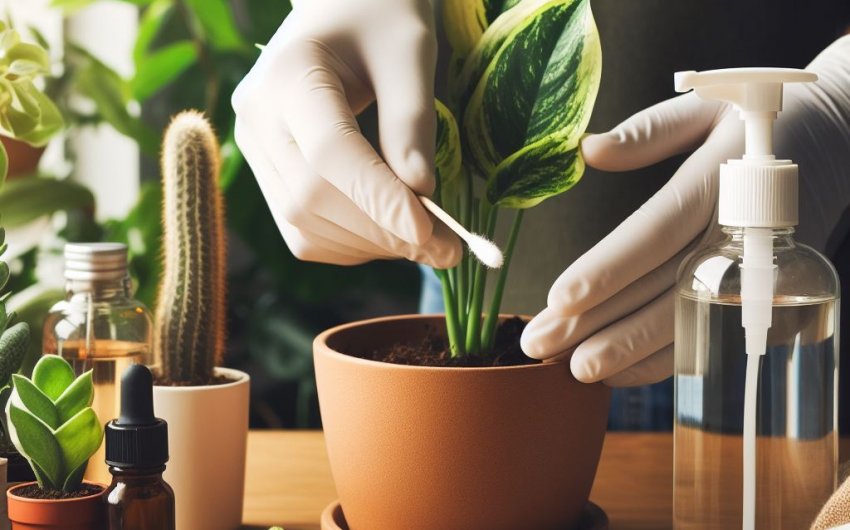
Dealing with common houseplant pests is an inevitable part of plant parenthood, but you can effectively get rid of them naturally using a combination of vigilant monitoring, good cultural practices, and organic treatments. Early detection and consistent non-toxic interventions are key to protecting your beloved indoor plants.
What Are the Most Common Houseplant Pests?
Identifying the most common houseplant pests is the crucial first step in any pest control strategy. Each pest leaves distinct signs of its presence and requires targeted methods to eradicate. Knowing your enemy helps you win the battle against these tiny invaders.
How Do Aphids Affect Houseplants and How Do They Look?
Aphids are tiny, soft-bodied insects that affect houseplants by sucking sap from tender new growth, causing distorted leaves, stunted growth, and sticky residue. They are easy to spot and can multiply rapidly if left unchecked.
- Appearance: Small (1/16 to 1/8 inch), pear-shaped insects. They can be green, black, white, brown, or pink. Often found in clusters on new shoots, buds, and the undersides of leaves. Some may have wings.
- Damage:
- Distorted Leaves: New leaves become crinkled, curled, or misshapen.
- Stunted Growth: Overall plant growth is slowed.
- Honeydew: They excrete a sticky, clear substance called honeydew, which can cover leaves and surfaces below the plant.
- Sooty Mold: Honeydew can lead to the growth of black, sooty mold, further hindering photosynthesis.
- Location: Primarily found on the tender new growth, tips of stems, and undersides of leaves.
- Reproduction: They reproduce extremely quickly, often without mating (asexually), leading to rapid population explosions.
Early detection of aphids is key to preventing a widespread infestation on your houseplants.
What Are Mealybugs and What Damage Do They Cause?
Mealybugs are soft-bodied, sap-sucking insects that cause damage to houseplants by forming cottony white clusters in leaf axils and along stems, weakening the plant and potentially leading to leaf yellowing and drop. Their waxy coating makes them somewhat difficult to treat.
- Appearance: Small (1/4 inch long), oval, segmented insects covered in a white, cottony, waxy substance. They often look like tiny bits of cotton or fuzzy white dots.
- Damage:
- Sap-Sucking: They insert their stylets into plant tissue and feed on sap, weakening the plant.
- Honeydew: Like aphids, they excrete sticky honeydew, which can lead to sooty mold.
- Yellowing Leaves: Infested leaves may turn yellow and eventually drop.
- Stunted Growth: Heavily infested plants show poor growth.
- Location: Found in tight crevices where leaves meet stems (leaf axils), along stems, and sometimes on the undersides of leaves or even roots. They often appear as static white clumps.
Their waxy coating provides protection, making them a persistent challenge if not treated thoroughly.
How Do Spider Mites Affect Houseplants and What are Their Signs?
Spider mites are tiny arachnids that affect houseplants by sucking sap from leaves, causing stippling, discoloration, and fine webbing on the plant. Their microscopic size makes them hard to see until significant damage has occurred.
- Appearance: Very tiny (less than 1/50 inch), usually reddish-brown or yellowish. Often look like moving specks of dust. You'll need a magnifying glass to see them clearly.
- Damage:
- Stippling: Tiny, discolored (yellow, white, bronze) dots on leaves, where sap has been removed.
- Yellowing/Browning Leaves: Leaves eventually turn yellow or brown and may drop prematurely.
- Fine Webbing: A key diagnostic sign. They create fine, silky webs, especially between leaves and stems, or on the undersides of leaves, particularly in advanced infestations.
- Location: Primarily on the undersides of leaves, but webs can be seen anywhere on the plant.
- Preferred Conditions: Thrive in hot, dry conditions, making them common in heated indoor environments.
Spider mites multiply quickly and can rapidly defoliate a plant if left unchecked, making them one of the most frustrating common houseplant pests.
What Are Fungus Gnats and What Are Their Symptoms?
Fungus gnats are small, dark, flying insects that are often seen hovering around houseplants and are typically a symptom of overly wet soil. While the adult gnats are mostly a nuisance, their larvae can cause damage to plant roots.
- Appearance: Tiny (1/8 inch), black or dark brown, mosquito-like flies. They fly in a lazy, uncoordinated way.
- Damage:
- Adult Gnats: Primarily a nuisance, as they don't directly harm plants.
- Larvae: The larval stage (tiny, clear-bodied, black-headed maggots) live in the soil and feed on fungi, decaying organic matter, and, in heavy infestations, can chew on delicate plant roots, especially seedlings.
- Location: Adult gnats are seen flying around plants, particularly near the soil surface. Larvae live in the top few inches of moist soil.
- Preferred Conditions: Thrive in consistently moist or overly wet potting mix, as this encourages the growth of the fungi they feed on.
While typically less destructive than sap-sucking pests, heavy infestations of fungus gnats can stunt growth, especially in young plants.
What Are Scale Insects and How Do They Harm Plants?
Scale insects are tiny, immobile, sap-sucking pests that harm plants by appearing as small, hard or soft, oval bumps on stems and leaves, blending in and making them hard to detect. They feed on plant sap, weakening the plant over time.
- Appearance: Small (1/16 to 1/4 inch), oval, dome-shaped, and usually brown, black, white, or grey. They attach themselves to the plant and appear as static bumps. Soft scale has a waxy coating; hard scale has a harder, shell-like covering.
- Damage:
- Sap-Sucking: They weaken the plant by feeding on its sap, leading to yellowing leaves, stunted growth, and eventual leaf drop.
- Honeydew: Many scale species excrete sticky honeydew, which can lead to sooty mold.
- Dieback: Severe infestations can cause branch or stem dieback.
- Location: Most commonly found on stems, leaf undersides, and along leaf veins. They often blend in with the plant.
Their protective outer shell makes them challenging to treat, requiring persistent effort to get rid of them naturally.
What Are Thrips and What Damage Do They Inflict?
Thrips are tiny, slender, winged insects that inflict damage on houseplants by rasping on plant tissue and sucking out sap, leading to silvery streaks, distorted growth, and sometimes tiny black dots of their waste. They are fast-moving and can jump.
- Appearance: Very small (1/25 inch), slender, with fringed wings. They can be black, brown, yellow, or white.
- Damage:
- Silvery/Bronze Streaks: Distinctive silvery or bronze streaks and tiny black dots (their fecal matter) on leaves, especially along veins.
- Distorted Growth: New leaves and flowers may be deformed or stunted.
- Flower Damage: Can cause buds to fail to open or flowers to be discolored and malformed.
- Location: Found on both the top and undersides of leaves, in flower buds, and on stems. They move quickly when disturbed.
- Feeding: They use a rasping-sucking mouthpart to scrape plant cells and then suck up the released sap.
Thrips can quickly spread and cause significant cosmetic and growth damage, making them one of the more challenging common houseplant pests.
How Can You Prevent Houseplant Pests Naturally?
Preventing houseplant pests naturally is the most effective and sustainable approach to pest control, drastically reducing the chances of infestations before they even begin. Good cultural practices and regular monitoring are your first lines of defense.
What are Best Practices for Inspecting New Plants?
Best practices for inspecting new plants before bringing them into your home are crucial for preventing pest introductions. This simple, thorough check can save you from a widespread infestation.
- Isolate New Plants: Always place new plants in isolation (e.g., in a separate room or a corner far from existing plants) for at least 2-4 weeks before integrating them into your main collection. This gives time for any hidden pests to emerge.
- Thorough Visual Inspection:
- Leaves: Carefully examine both the top and undersides of all leaves. Look for tiny dots, sticky residue, cottony masses, fine webbing, or any unusual discoloration.
- Stems and Branches: Check crevices where leaves meet stems, and along the entire stem.
- Soil Surface: Look for tiny flies (fungus gnats), crawling insects, or any white moldy patches.
- Pot: Inspect the outside of the pot for any crawling insects.
- Check Roots (if possible): Gently slide the plant out of its pot (if it's not root-bound) to inspect the roots. Look for root mealybugs (white, powdery residue on roots) or signs of unhealthy root systems.
- Wipe Down Leaves: Even if you see no signs of pests, it's a good practice to wipe down the leaves (top and bottom) with a damp cloth or a very mild insecticidal soap solution.
- Quarantine Treatment (Optional): For extra caution, consider a preventative spray with neem oil spray for plants or insecticidal soap during the quarantine period.
This vigilant inspection process is your strongest defense against introducing common houseplant pests into your home.
How Does Good Plant Hygiene Prevent Pests?
Good plant hygiene effectively prevents pests by removing their hiding spots, food sources, and breeding grounds, creating an unfavorable environment for infestations. A clean plant is a healthy plant.
Hygiene practices to prevent pests:
- Remove Dead/Yellowing Leaves: Regularly pick off any dead, dying, or yellowing leaves. These provide attractive hiding spots for pests and can be a source of fungal issues.
- Wipe Down Leaves Regularly: Dust on leaves can hinder photosynthesis and provide cover for pests. Wipe down leaves (especially large, smooth ones) with a damp cloth to keep them clean. This also gives you a chance to inspect for early pest signs.
- Prune as Needed: Prune away leggy or overcrowded growth. This improves air circulation (deterring spider mites and fungal issues) and reduces hiding places for pests. Use clean pruning shears.
- Clean Up Spilled Soil/Debris: Keep the area around your plants clean, removing any fallen leaves, spent flowers, or spilled potting mix. This eliminates potential breeding grounds for pests like fungus gnats.
- Sterilize Tools: Always use clean, sterilized pruning shears to prevent the spread of pests or diseases between plants. Wipe with rubbing alcohol after each use.
Consistent plant hygiene creates an environment where pests struggle to establish themselves.
What is the Role of Proper Watering and Humidity in Pest Prevention?
Proper watering and humidity play a crucial role in pest prevention by creating conditions that favor plant health and deter specific pests that thrive in either overly wet or overly dry environments. It's about finding the right balance.
- Proper Watering (Avoiding Overwatering):
- Problem: Overwatering keeps soil constantly wet, which is the perfect breeding ground for fungus gnats and can weaken roots, making plants more susceptible to stress.
- Solution: Allow the top 1-2 inches of soil to dry out between waterings. Use a soil moisture meter for accuracy. Ensure pots have drainage holes.
- Optimal Humidity:
- Problem: Low humidity (common in heated homes) is the ideal environment for spider mites, which thrive in dry air.
- Solution: Increase humidity around humidity-loving plants by misting regularly (though temporary), placing plants on pebble trays, or using a room humidifier.
- Also: Ensure good air circulation (fans) to prevent high humidity from leading to fungal issues.
By providing the right moisture and humidity, you create a healthier plant and an environment less hospitable to many common houseplant pests.
How Does Proper Lighting and Nutrition Affect Pest Resistance?
Proper lighting and nutrition profoundly affect a houseplant's pest resistance by enabling the plant to grow vigorously and develop strong natural defenses. Stressed or weakened plants are much more susceptible to pest infestations.
- Proper Lighting:
- Problem: Insufficient light leads to weak, leggy growth (etiolation). These stressed plants are more vulnerable to all pests, as they lack the energy to fend off attacks.
- Solution: Provide the correct amount of light for each plant species. Use full-spectrum LED grow lights if natural light is inadequate.
- Balanced Nutrition:
- Problem: Over-fertilization can lead to soft, sappy new growth that is particularly attractive to sap-sucking pests like aphids and mealybugs. Under-fertilization weakens the plant overall.
- Solution: Fertilize appropriately for the plant's needs and growth stage, using a balanced houseplant fertilizer at half strength. Avoid excessive nitrogen.
- Healthy Soil: Ensure your plants are in good quality, well-draining potting mix that provides a healthy environment for roots to absorb nutrients.
By optimizing light and nutrition, you grow robust plants with strong immune systems, significantly reducing their attractiveness and vulnerability to common houseplant pests.
What are Natural Methods to Get Rid of Houseplant Pests?
Once an infestation of common houseplant pests occurs, natural methods are effective and safe ways to get rid of them, avoiding harsh chemicals that can harm plants, pets, or humans. These organic treatments leverage natural compounds and physical removal techniques.
How Do You Physically Remove Pests from Houseplants?
Physically removing pests from houseplants is the first and often most effective step for small infestations, especially for larger, more visible pests. This method requires no chemicals and is highly satisfying.
Methods for physical removal:
- Hand-Picking:
- Best for: Larger pests like mealybugs (cottony masses), caterpillars (rare indoors), or large clusters of aphids.
- Technique: Use gloved fingers, tweezers, or a cotton swab to pick off visible pests. Drop them into a bowl of soapy water to kill them.
- Wiping with Rubbing Alcohol:
- Best for: Mealybugs and scale insects.
- Technique: Dip a cotton swab or pad in 70% isopropyl rubbing alcohol. Gently wipe off individual pests. The alcohol dissolves their waxy coating, killing them. Test on a small area first to ensure no plant sensitivity.
- Strong Water Spray (Hose or Shower):
- Best for: Aphids, spider mites (especially if webbing is present), and small numbers of whiteflies.
- Technique: Take the plant to a sink, shower, or outdoors. Use a strong, steady spray of lukewarm water to dislodge pests from leaves (top and bottom) and stems. Be gentle with delicate plants. Repeat every few days.
- Benefits: Excellent for knocking off many pests at once and washing away honeydew.
- Pruning Infested Parts:
- Best for: Heavily infested leaves, stems, or flower buds where pests are concentrated (e.g., severe mealybug cluster, thrips on a single leaf).
- Technique: Use clean, sharp pruning shears to cut off and discard the infested parts (dispose in sealed bag, not compost if diseased). This helps remove a large portion of the pest population.
Physical removal should always be the first line of defense when you notice common houseplant pests.
How is Insecticidal Soap Effective Against Pests?
Insecticidal soap is a highly effective and natural way to get rid of many soft-bodied houseplant pests, working by disrupting their cell membranes without harming the plant or leaving toxic residues. It's a cornerstone of organic pest control.
How insecticidal soap works:
- Mode of Action: The fatty acids in insecticidal soap penetrate the waxy outer layer (cuticle) of soft-bodied insects, disrupting their cell membranes and causing them to dehydrate and suffocate.
- Target Pests: Highly effective against aphids, mealybugs, spider mites, whiteflies, and thrips.
- Safety: It is non-toxic to humans, pets, and beneficial insects (once dry). It breaks down quickly in the environment.
- No Residue: Leaves no harmful residue on the plant.
- Contact Killer: It only works if it comes into direct contact with the pest.
Steps for using insecticidal soap:
- Purchase or DIY: Buy a ready-to-use organic insecticidal soap spray for plants, or make your own (mix 1-2 teaspoons of mild liquid dish soap, like castile soap, per gallon of water – avoid degreasing soaps as they can harm plants).
- Test Spray: Always test a small, inconspicuous area of the plant first to ensure there's no adverse reaction (e.g., leaf burn) before spraying the entire plant. Wait 24 hours.
- Spray Thoroughly: Spray the entire infested plant, making sure to cover all surfaces, including the undersides of leaves and crevices where pests hide. Direct contact with the pests is essential.
- Repeat: Repeat applications every 5-7 days for 2-3 weeks, as soap only kills pests on contact and doesn't affect eggs. Consistency is key to breaking the pest life cycle.
- Rinse (Optional): Some gardeners choose to rinse the plant with plain water an hour or two after application, especially if using a DIY soap mix, to prevent residue buildup.
Insecticidal soap is a safe and reliable option for tackling most common houseplant pests naturally.
How is Neem Oil Used for Pest Control?
Neem oil is a highly versatile and natural solution used for pest control on houseplants, acting as both an insecticide and a repellent, disrupting insect growth and feeding. It's a broad-spectrum organic option for various pests.
How neem oil works:
- Active Compound: Contains azadirachtin, a natural compound extracted from the neem tree (Azadirachta indica).
- Mode of Action: Azadirachtin disrupts the insect's hormonal system, inhibiting feeding, growth, and reproduction. It also acts as a repellent.
- Target Pests: Effective against aphids, mealybugs, spider mites, whiteflies, thrips, scale (crawlers), and fungus gnats (larvae).
- Safety: Generally considered safe for humans and pets once dry, and has low toxicity to beneficial insects.
- Systemic Action: Can have some systemic action when absorbed by the plant, making leaves less appealing to pests.
Steps for using neem oil:
- Purchase: Buy a cold-pressed neem oil concentrate and follow the dilution instructions carefully. Mix with water and a small amount of mild liquid soap (as an emulsifier). A neem oil spray for plants is widely available.
- Test Spray: Always test a small, inconspicuous area of the plant first to ensure there's no adverse reaction before spraying the entire plant. Wait 24 hours.
- Spray Thoroughly: Spray the entire infested plant, ensuring full coverage, including the undersides of leaves and crevices. Apply until the solution drips from the leaves.
- Repeat: Repeat applications every 7-10 days for 3-4 weeks to break the pest life cycle.
- Timing: Apply in the evening or on a cloudy day to avoid potential leaf burn from sun exposure combined with oil, and to protect any beneficial insects that might be active during the day.
Neem oil is an excellent multi-purpose solution for tackling a wide range of common houseplant pests naturally.
Can Diatomaceous Earth Help Eliminate Pests?
Yes, diatomaceous earth (DE) can help eliminate certain houseplant pests by acting as a physical abrasive that dehydrates and kills insects upon contact. It's a non-toxic, mechanical pest control method.
How diatomaceous earth works:
- Mode of Action: DE is a fine, powdery substance made from the fossilized remains of diatoms (microscopic aquatic organisms). When insects (especially those with exoskeletons) come into contact with it, the sharp, microscopic edges of DE cut through their waxy outer layer, causing them to dehydrate and die.
- Target Pests: Most effective against crawling insects like fungus gnat larvae (in soil), ants, cockroaches, and sometimes thrips (crawling stages). Less effective against sap-sucking pests directly on leaves.
- Safety: Food-grade diatomaceous earth is non-toxic to humans and pets.
- Conditions: DE only works when dry. Once it gets wet, it loses its abrasive quality.
Steps for using diatomaceous earth:
- Choose Food-Grade DE: Ensure you use food-grade diatomaceous earth, not pool-grade.
- Application for Fungus Gnats: Lightly sprinkle DE over the entire surface of the potting mix. Reapply if it gets wet. It targets the larvae in the soil.
- Application for Other Crawling Pests: Create a barrier by sprinkling DE around the base of the plant or around the pot.
- Avoid Inhaling: Wear a mask when applying, as the fine dust can be irritating to the lungs.
- Reapply: Reapply after watering or if the DE gets wet.
Diatomaceous earth is a safe and effective option for targeting soil-dwelling or crawling common houseplant pests naturally.
What About Horticultural Oils (Besides Neem Oil)?
Horticultural oils, including those beyond neem oil (like mineral oil or paraffinic oil-based products), are effective natural solutions for smothering and killing many houseplant pests by blocking their breathing pores. They are generally safe for plants when used correctly.
How horticultural oils work:
- Mode of Action: Horticultural oils work by suffocating soft-bodied insects and mites. When sprayed on pests, the oil coats their bodies, blocking their spiracles (breathing pores), leading to suffocation. They also interfere with egg laying and feeding.
- Target Pests: Effective against aphids, mealybugs, spider mites, scale (crawler stage), whiteflies, and thrips.
- Safety: Most horticultural oils are refined mineral or vegetable oils that are considered safe for organic gardening. They break down quickly and leave little residue.
- Contact Killer: Like insecticidal soap, they must come into direct contact with the pest to be effective.
Steps for using horticultural oils:
- Purchase: Buy a horticultural oil spray for houseplants and follow dilution instructions carefully.
- Test Spray: Always test a small, inconspicuous area of the plant first to ensure there's no adverse reaction. Wait 24 hours.
- Spray Thoroughly: Spray the entire infested plant, making sure to cover all surfaces, especially the undersides of leaves and crevices.
- Timing: Apply in the evening or on a cloudy day to avoid potential leaf burn from sun exposure combined with oil.
- Repeat: Repeat applications every 7-10 days for several weeks to catch newly hatched pests.
- Avoid Certain Plants: Do not use horticultural oils on plants with fuzzy leaves (e.g., African violets) or very delicate foliage, as they can cause damage.
Horticultural oils provide a powerful, non-toxic option for suffocating a variety of common houseplant pests naturally.
How Can You Encourage Beneficial Insects and What Other Tricks Help?
Beyond direct treatments, encouraging beneficial insects and employing clever natural tricks can create a more resilient houseplant environment that resists pests proactively. These are advanced strategies for sustainable pest management.
Can Beneficial Insects Work Indoors for Pest Control?
Yes, beneficial insects can work indoors for pest control, though their use is generally more targeted and requires specific conditions compared to outdoor applications. They offer a powerful, natural biological control method.
- Types of Beneficial Insects for Indoors:
- Ladybugs (Ladybird Beetles): Effective predators of aphids, mealybugs, and spider mites. A small container of live ladybugs can be released.
- Green Lacewings: Larvae are voracious predators of aphids, mealybugs, spider mites, thrips, and whiteflies.
- Predatory Mites (Phytoseiulus persimilis): Highly effective predators specifically for spider mites.
- Parasitic Wasps (Encarsia formosa): Tiny wasps that parasitize whitefly larvae.
- How They Work: These beneficial insects seek out and feed on or lay eggs inside pest insects, naturally reducing pest populations.
- Considerations for Indoor Use:
- Containment: It's hard to contain beneficial insects indoors. They may fly to windows or other areas.
- Food Source: Ensure there's a sufficient pest population for them to feed on. If pests are eliminated, beneficials will leave or die.
- No Pesticides: You cannot use any chemical pesticides (even organic ones like strong neem oil) when releasing beneficial insects, as it will kill them.
- Targeted Release: Best for specific, recurring pest problems.
While not a first-line defense for beginners, using beneficial insects is a highly effective advanced strategy for common houseplant pests in controlled indoor environments like sunrooms or small greenhouses.
What are Sticky Traps and How Do They Help?
Sticky traps are simple, non-toxic tools that help control flying houseplant pests by physically trapping them, and also serve as an excellent monitoring device to detect pest presence early.
- Appearance: Small, brightly colored (usually yellow or blue) cards coated with a strong, non-toxic adhesive.
- How They Work: Pests are attracted to the color of the trap. Once they land on the sticky surface, they become stuck and cannot escape.
- Target Pests: Most effective against fungus gnats, whiteflies, and adult thrips. Yellow traps are generally broad-spectrum; blue traps are particularly attractive to thrips.
- Benefits:
- Monitoring: They help you detect the presence of flying pests before a major infestation develops.
- Control: They can help reduce the adult population of flying pests, thereby breaking their life cycle (e.g., catching adult fungus gnats prevents them from laying more eggs).
- Non-Toxic: No chemicals are involved.
- Placement: Insert yellow sticky traps for houseplants directly into the soil of potted plants or hang them near infested areas.
Sticky traps are an easy and effective way to manage flying common houseplant pests naturally.
How Can Repotting Help Eliminate Pests?
Repotting can help eliminate certain houseplant pests, particularly those that live in or rely on the soil, like fungus gnat larvae or root mealybugs. It's a drastic but sometimes necessary step to break the pest cycle.
- Target Pests: Most effective for fungus gnats (larvae), root mealybugs, and potentially springtails or other soil-dwelling insects.
- When to Repot:
- When a fungus gnat infestation is severe and other methods (DE, drying out) aren't working.
- When you suspect root mealybugs (inspect roots when unpotting).
- Repotting Process to Eliminate Pests:
- Unpot Carefully: Gently remove the plant from its current pot.
- Remove Old Soil: Gently but thoroughly remove as much of the old potting mix from the roots as possible. Shake, brush, or even rinse the roots (for hardy plants) under lukewarm water.
- Inspect Roots: Carefully examine the roots for any remaining pests (e.g., white cottony masses for root mealybugs). Treat any remaining pests manually.
- Clean Pot: Thoroughly wash and sterilize the old pot, or use a new, clean pot.
- Use Fresh Potting Mix: Repot the plant into completely fresh, sterile houseplant potting mix that is well-draining.
- Quarantine: Isolate the repotted plant for a few weeks to monitor for any returning pests.
Repotting is a more intensive solution, but it can be highly effective in truly eradicating soil-borne or root-dwelling common houseplant pests.
What is an Integrated Pest Management (IPM) Approach for Houseplants?
An Integrated Pest Management (IPM) approach for houseplants is a comprehensive, holistic strategy that combines prevention, monitoring, and various control methods to manage pests in an environmentally sensitive and sustainable way. It's about smart, long-term pest solutions.
What are the Principles of IPM for Houseplants?
The principles of IPM for houseplants involve a multi-faceted approach that prioritizes understanding the pest, preventing its spread, and using the least toxic control methods first. It’s a thoughtful, systematic way to manage common houseplant pests.
Key principles of IPM:
- Prevention is Key:
- Inspection: Thoroughly check all new plants.
- Hygiene: Maintain good plant and environmental cleanliness.
- Optimal Care: Provide proper light, water, humidity, and nutrition to grow strong, resistant plants.
- Quarantine: Isolate new plants.
- Monitoring:
- Regular Checks: Inspect plants frequently (e.g., weekly) for early signs of pests.
- Sticky Traps: Use sticky traps to monitor for flying pests and identify infestations early.
- Identification: Learn to correctly identify common pests and their damage.
- Accurate Diagnosis:
- Identify the Pest: Know exactly what pest you're dealing with to choose the right treatment.
- Assess Severity: Determine the extent of the infestation.
- Set Action Thresholds:
- Decide how many pests are acceptable before you take action. For houseplants, this threshold is often very low (e.g., one mealybug warrants action).
- Choose the Least Toxic Control First:
- Physical Removal: Hand-picking, wiping, water sprays.
- Environmental Adjustments: Adjusting humidity, watering.
- Biological Controls: Beneficial insects (if feasible).
- Organic Sprays: Insecticidal soap, neem oil, horticultural oil, diatomaceous earth.
- Chemical Pesticides (Last Resort): Only if absolutely necessary, targeted, and always as a last resort, verifying pet and indoor safety.
- Evaluate and Adapt:
- Monitor Results: Check if your chosen control method is working.
- Adjust Strategy: If a method isn't effective, try another, or combine methods. Learn from your experiences.
IPM is a continuous cycle of observation, decision-making, and action, leading to sustainable pest management.
How Do You Combine Different Natural Control Methods?
Combining different natural control methods is a powerful IPM strategy that often proves more effective than relying on a single approach, especially for stubborn common houseplant pests. Synergistic methods attack pests from multiple angles.
Examples of combining methods:
- Physical Removal + Insecticidal Soap/Neem Oil:
- Example: For mealybugs, first physically wipe off visible pests with an alcohol swab (physical removal), then follow up with a thorough spray of insecticidal soap or neem oil every 7-10 days. This gets rid of the immediate problem and targets newly hatched pests.
- Water Spray + Neem Oil/Horticultural Oil:
- Example: For spider mites, blast them off with a strong stream of water (physical removal), then follow with an application of neem oil or horticultural oil, focusing on the undersides of leaves. The oil will suffocate any remaining mites.
- Drying Out Soil + Sticky Traps (for Fungus Gnats):
- Example: For fungus gnats, allow the top inch or two of soil to dry out between waterings (environmental adjustment) to kill larvae, and simultaneously place yellow sticky traps in the soil to catch adult gnats, breaking the life cycle.
- Pruning + Spray Treatment:
- Example: For a severely infested branch, prune it off (physical removal), then treat the rest of the plant with neem oil or insecticidal soap to catch any stray pests.
By strategically layering these non-toxic solutions, you create a robust defense that effectively gets rid of common houseplant pests naturally, promoting healthier, happier plants.