
DIY Indoor Plant Care: Essential Tips for Keeping Your Plants Thriving
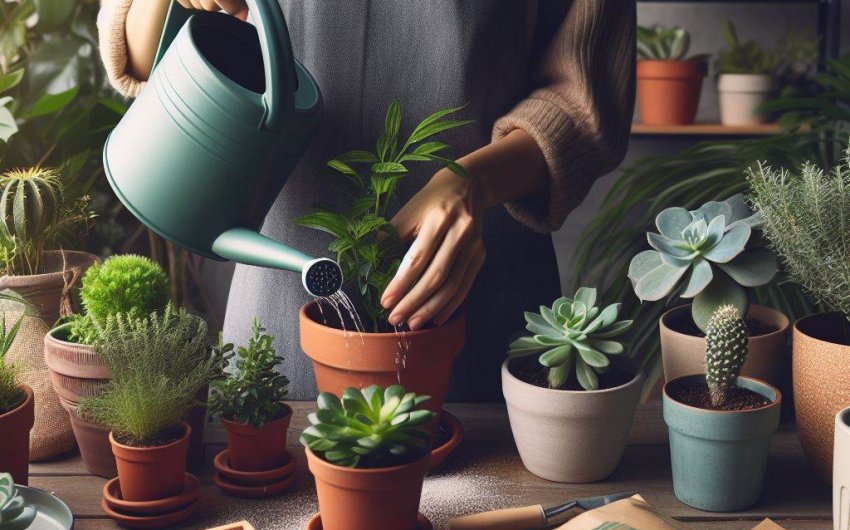
To excel at DIY indoor plant care and keep your plants thriving, focus on providing consistent, appropriate conditions for light, water, and humidity, while regularly monitoring for signs of stress or pests. Mastering these essential tips empowers you to create a lush, vibrant indoor garden with confidence.
What Are the Fundamental Needs of Indoor Plants?
Understanding the fundamental needs of indoor plants is the starting point for effective DIY indoor plant care. Just like any living thing, plants have specific requirements for survival and growth, and replicating these needs in your home environment is crucial for keeping them thriving.
How Much Light Do Indoor Plants Really Need?
The amount of light indoor plants really need is a primary determinant of their health and growth, as light fuels photosynthesis, the process by which plants convert light energy into food. Providing the correct light level is crucial for healthy plants.
- Photosynthesis: Plants use light energy to convert carbon dioxide and water into sugars (food) and oxygen. Without enough light, they can't produce enough energy to thrive.
- Types of Light Requirements:
- High Light (6+ hours of direct sun): Some succulents, cacti, citrus, and certain flowering plants. Needs a bright south or west-facing window.
- Bright, Indirect Light (4-6 hours of indirect bright light or some morning sun): Most common houseplants like Pothos, Monstera, Fiddle Leaf Fig, ferns. Needs an east-facing window or a few feet back from a south/west window.
- Medium Light (2-4 hours of indirect light): Low-light tolerant plants like ZZ plant, Snake Plant, some Dracaenas. Needs a north-facing window or a brightly lit interior room.
- Low Light (Less than 2 hours of indirect light): Very few plants truly thrive in low light; they merely survive.
- Signs of Incorrect Light:
- Too Little Light: Leggy, stretched growth (etiolation), pale green or yellowing leaves, small new leaves, failure to flower.
- Too Much Light/Sunburn: Brown, crispy spots on leaves, bleached or faded leaves, leaf scorching.
- Solution: Observe your plant's specific needs. Rotate plants periodically to ensure even light exposure. Supplement natural light with full-spectrum LED grow lights if your space is too dim.
Matching the right plant to the right light conditions is the most important step in DIY indoor plant care.
What are the Right Watering Practices for Indoor Plants?
Right watering practices are arguably the most common challenge in DIY indoor plant care, as both overwatering and underwatering can quickly lead to plant distress or death. The key is to water based on the plant's needs and not on a strict schedule.
- The "Wrung-Out Sponge" Rule: The most reliable way to check if a plant needs water is to feel the soil. Stick your finger 1-2 inches deep into the potting mix. If it feels dry, it's likely time to water. If it still feels moist, wait. A soil moisture meter can also provide accurate readings.
- Water Thoroughly: When you do water, water deeply until water drains freely from the bottom of the pot. This ensures all roots get hydrated. Discard any standing water in the saucer to prevent root rot.
- Pot with Drainage Holes: Always use pots with drainage holes. Without them, water collects at the bottom, suffocating roots.
- Plant-Specific Needs: Different plants have different water requirements:
- Succulents/Cacti: Let soil dry out completely between waterings, plus a few extra days.
- Tropical Foliage Plants: Keep soil consistently moist but not soggy, allowing the top inch or two to dry.
- Dormancy: Reduce watering frequency in fall and winter when most plants are dormant.
- Signs of Incorrect Watering:
- Overwatering: Yellowing leaves, mushy stems, root rot, fungus gnats.
- Underwatering: Wilting leaves, crispy brown leaf tips, dry, hard soil pulling away from the pot.
Mastering watering requires observation and understanding your plant's specific signals.
Why are Humidity and Temperature Important for Indoor Plants?
Humidity and temperature are crucial environmental factors for indoor plants, especially those native to tropical regions. Replicating their preferred conditions contributes significantly to their overall health and vigor.
- Humidity:
- Problem: Most homes have much lower humidity (30-50%) than tropical plants prefer (60-80%). Low humidity can cause crispy leaf tips/edges, leaf drop, and attract pests like spider mites.
- Solution: Increase humidity by misting regularly (though temporary), grouping plants together, placing plants on pebble trays filled with water, or using a room humidifier near humidity-loving plants. Ensure good air circulation to prevent fungal issues in high humidity.
- Temperature:
- Ideal Range: Most indoor plants thrive in typical room temperatures between 65-75°F (18-24°C).
- Avoid Extremes: Protect plants from cold drafts (near windows/doors in winter), hot drafts (near heating vents), and sudden temperature fluctuations, which can cause stress and leaf drop.
- Minimums: Know the minimum temperature tolerance for your specific plants; most tropical plants suffer below 50-60°F (10-15°C).
By managing humidity and temperature, you create a more stable and hospitable environment, preventing stress and promoting healthy growth for your indoor plants.
What Are Essential Tools for DIY Indoor Plant Care?
Equipping yourself with the essential tools for DIY indoor plant care doesn't require a large investment, but having the right basic instruments makes plant maintenance easier, more efficient, and more enjoyable. These tools are key to keeping your plants thriving.
What Watering Tools Make Care Easier?
Having the right watering tools makes indoor plant care significantly easier and more precise, helping you deliver water efficiently and prevent common issues like overwatering or spills.
Essential watering tools:
- Watering Can with a Long Spout: A small watering can with a long, narrow spout allows you to deliver water directly to the soil surface, avoiding foliage and preventing splashes or spills.
- Soil Moisture Meter: A soil moisture meter for houseplants provides an accurate, objective reading of soil dampness, taking the guesswork out of watering, especially for plants with less obvious needs.
- Mister/Spray Bottle: A fine mister or spray bottle is useful for increasing localized humidity around humidity-loving plants, cleaning dust from leaves, or applying natural pest treatments. A plant mister is designed for this.
- Drip Trays/Saucers: Essential to catch excess water draining from pots, protecting furniture and ensuring proper drainage.
These simple tools help you master the crucial aspect of watering in DIY indoor plant care.
What Pruning and Potting Tools Do You Need?
Having the right pruning and potting tools on hand streamlines plant maintenance and ensures clean cuts for healthier plants. These tools are fundamental for shaping, repotting, and general plant hygiene.
Essential pruning and potting tools:
- Pruning Shears/Snips: Small, sharp pruning shears or snips are essential for making clean cuts when removing dead leaves, trimming leggy stems, or shaping your plants. Clean cuts heal faster and reduce the risk of disease.
- Rubbing Alcohol/Sterilizing Wipes: For sterilizing pruning shears before and after use to prevent the spread of diseases or pests between plants.
- Small Trowel/Scoop: A hand trowel or a potting soil scoop is useful for transplanting, topping up potting mix, or working with soil in smaller pots.
- Potting Mat (Optional): A waterproof potting mat protects your surfaces from spilled soil and makes cleanup much easier during potting.
- Gloves: Light gardening gloves protect your hands from soil, thorns, or irritating plant sap.
These tools make tasks like pruning and repotting less messy and more effective, ensuring good DIY indoor plant care.
What About Fertilizers and Pest Control Supplies?
For effective DIY indoor plant care, having the right fertilizers and pest control supplies is crucial for providing nourishment and protecting your plants from common invaders. Choosing organic and gentle options is often best for indoor environments.
Essential fertilizers and pest control supplies:
- Balanced Liquid Houseplant Fertilizer: A balanced liquid houseplant fertilizer (e.g., NPK 5-5-5 or similar) is ideal for most plants during their growing season. Always dilute to half strength to prevent nutrient burn.
- Organic Pest Control Spray:
- Insecticidal Soap: An organic insecticidal soap spray for plants is effective against soft-bodied pests like aphids, mealybugs, and spider mites.
- Neem Oil: A neem oil spray for plants acts as an insecticide, repellent, and growth regulator, effective against a wider range of pests.
- Rubbing Alcohol (70% isopropyl): For spot treating mealybugs and scale.
- Cotton Swabs/Pads: For applying alcohol or spot treating pests.
- Yellow Sticky Traps: Yellow sticky traps for houseplants are great for monitoring and catching flying pests like fungus gnats and whiteflies.
- Diatomaceous Earth (Food Grade): For soil-dwelling pests like fungus gnat larvae. Food-grade diatomaceous earth can be sprinkled on the soil surface.
These supplies empower you to proactively care for your plants' nutritional needs and effectively manage pests, keeping your indoor garden healthy.
What Are Advanced Techniques for Thriving Indoor Plants?
Once you've mastered the basics, exploring advanced techniques for thriving indoor plants can elevate your DIY indoor plant care to the next level. These strategies optimize specific aspects of plant growth and environmental control.
How Do You Master Repotting and Root Care?
Mastering repotting and root care is a crucial advanced technique for thriving indoor plants, as a healthy root system is the foundation for overall plant vigor. Knowing when and how to repot prevents many common plant problems.
- When to Repot:
- Root-Bound Signs: Roots growing out of drainage holes, plant drying out very quickly between waterings, stunted growth despite proper care, or top-heavy plant.
- Timing: Best done in spring or early summer when plants are actively growing, allowing them to recover faster.
- Frequency: Most houseplants need repotting every 1-3 years.
- Choosing the Right Pot:
- Size: Generally, go up only one pot size (e.g., from a 6-inch to an 8-inch pot). Too large a pot can lead to excess soil moisture and root rot.
- Drainage: Always use a pot with adequate drainage holes.
- Material: Terra cotta pots provide good aeration and dry out faster; plastic pots retain moisture longer.
- Repotting Steps:
- Prepare: Gather a slightly larger pot, fresh potting mix, and clean tools.
- Remove Plant: Gently remove the plant from its old pot. If stuck, tap the pot or use a knife around the edges.
- Inspect Roots: Examine the root ball. Healthy roots are white or tan and firm. Trim away any mushy, black, or circling roots with clean pruning shears.
- Add Fresh Soil: Place a layer of fresh potting mix at the bottom of the new pot.
- Position Plant: Center the plant in the new pot, ensuring the soil line is at the same level as in the old pot.
- Fill and Tamp: Fill around the root ball with fresh potting mix, gently tamping to remove large air pockets. Leave about an inch of space from the rim for watering.
- Water: Water thoroughly until drainage.
- Root Pruning (for bonsai or size control): For very large plants you don't want to up-pot, you can prune back a portion of the roots (no more than 1/3) and repot into the same size pot with fresh soil.
Proper repotting and diligent root care prevent root-bound plants, improve nutrient uptake, and contribute to vibrant, thriving indoor plants.
What is the Importance of Air Circulation and How to Improve It?
The importance of air circulation for indoor plants is often underestimated, but it is crucial for preventing fungal diseases, deterring pests, and promoting overall plant health. Stagnant air can quickly create problems in a humid indoor environment.
- Why it's Important:
- Prevents Fungal Diseases: Good airflow helps dry excess moisture from leaves and soil surface, which prevents the growth of fungal diseases like powdery mildew, black spot, and botrytis.
- Deters Pests: Some pests, like spider mites, prefer still, dry air. Improved air circulation can make the environment less appealing to them.
- Strengthens Stems: The gentle movement from air circulation can encourage plants to develop stronger stems.
- Gas Exchange: Facilitates the exchange of oxygen and carbon dioxide around the plant.
- How to Improve Air Circulation:
- Spacing: Don't crowd your plants. Leave enough space between them for air to move freely around the foliage.
- Fans: Use a small oscillating fan in the room with your plants on a low setting. Direct the airflow to move air around the plants, not directly at them. A small oscillating fan for plants works well.
- Pruning: Regularly prune away any dense, overcrowded foliage to open up the plant's canopy.
- Open Windows (when weather permits): On mild days, opening windows can provide fresh air and circulation.
Prioritizing good air circulation is a simple yet highly effective advanced tip for DIY indoor plant care that prevents many common problems.
How Do You Manage Plant Nutrition and Soil Health?
Managing plant nutrition and soil health is an advanced aspect of DIY indoor plant care that moves beyond basic fertilizing to creating a sustainable and thriving environment for roots. Healthy soil is the foundation for healthy plants.
- Balanced Fertilization:
- Know Your Plant: Different plants have different nutritional needs. Use a balanced liquid houseplant fertilizer during the growing season (spring/summer).
- Less is More: Always dilute liquid fertilizers to half strength to prevent chemical burn. Over-fertilization can stress plants and make them susceptible to pests.
- Timing: Fertilize only when plants are actively growing. Reduce or stop in fall/winter.
- Organic Options: Consider slow-release organic fertilizers or top-dressing with worm castings for a gentler, more natural approach.
- Soil Health:
- Quality Potting Mix: Always use a high-quality, well-draining potting mix specifically for houseplants. Avoid dense garden soil.
- Compost/Worm Castings: Incorporate worm castings or finished compost into your potting mix or use as a top dressing. These amendments add beneficial microbes, improve soil structure, and provide slow-release nutrients.
- Repotting: Repot every 1-3 years to refresh depleted soil and give roots room to grow.
- pH: Most houseplants prefer a slightly acidic to neutral pH (6.0-7.0). Good quality potting mixes usually cater to this.
- Flushing Soil: Periodically (e.g., every 3-6 months), deeply water your plants until excess water drains from the bottom for a prolonged period (e.g., 5-10 minutes). This helps flush out accumulated mineral salts from fertilizer or tap water.
By focusing on these aspects, you create a vibrant and sustainable environment that supports long-term plant vitality.
What are Common Problems and How to Troubleshoot Them?
Even with the best DIY indoor plant care, you'll likely encounter common problems. Learning to identify the symptoms and effectively troubleshoot the underlying causes is a crucial skill for any successful plant parent.
How Do You Identify and Fix Yellowing Leaves?
Yellowing leaves are a very common symptom of distress in indoor plants, indicating a wide range of potential problems. Identifying the pattern of yellowing and other accompanying signs is key to an effective fix.
| Yellowing Pattern | Likely Cause(s) | Solution |
|---|---|---|
| Old/Lower Leaves Yellowing | 1. Normal aging. 2. Underwatering. 3. Nitrogen deficiency. | 1. Normal, simply remove. 2. Increase watering frequency. 3. Fertilize with a balanced feed. |
| New Leaves Yellowing | 1. Iron/Magnesium deficiency. 2. pH imbalance. 3. Root damage (overwatering/rot). | 1. Fertilize with micronutrients. 2. Repot with fresh soil. 3. Address overwatering. |
| All Leaves Yellowing Uniformly | 1. Overwatering (common). 2. Lack of light. 3. Nutrient deficiency (general). | 1. Reduce watering, check drainage. 2. Move to brighter spot. 3. Fertilize. |
| Yellow with Brown Tips | 1. Underwatering. 2. Low humidity. 3. Salt buildup. | 1. Increase watering frequency. 2. Increase humidity. 3. Flush soil. |
Once you've identified the likely cause, remove the yellowed leaves (as they won't turn green again) and implement the appropriate care adjustments. Consistent monitoring is key to DIY indoor plant care.
How Do You Treat Brown or Crispy Leaf Edges/Tips?
Brown or crispy leaf edges and tips are common symptoms often caused by environmental stress, indicating that the plant is struggling to retain moisture. Addressing the underlying cause is crucial for preventing further damage.
| Brown/Crispy Pattern | Likely Cause(s) | Solution |
|---|---|---|
| Crispy Brown Tips/Edges | 1. Low humidity (most common). 2. Underwatering. 3. Salt buildup in soil. | 1. Increase humidity (misting, pebble tray, humidifier). 2. Increase watering frequency/depth. 3. Flush soil thoroughly. |
| Brown Patches/Scorching | 1. Too much direct sun. 2. Fertilizer burn. | 1. Move plant to less intense light. 2. Flush soil thoroughly, reduce fertilizer concentration. |
| Mushy Brown Spots | 1. Overwatering/Root rot. 2. Fungal disease. | 1. Reduce watering, check roots, repot if necessary. 2. Improve air circulation, treat with organic fungicide. |
Trim away the brown, crispy parts with clean shears (they won't recover) and adjust your care routine. A plant mister can help with humidity.
How Do You Identify and Treat Common Houseplant Pests?
Identifying and treating common houseplant pests is a recurring challenge in DIY indoor plant care, but a combination of vigilance and natural methods can effectively eliminate them. Early detection is always best.
| Pest | Appearance / Signs of Damage | Natural Treatment | Prevention Tips |
|---|---|---|---|
| Aphids | Small green/black/etc. pear-shaped insects; distorted new growth, sticky honeydew. | 1. Strong water spray. 2. Insecticidal soap. 3. Neem oil. 4. Hand-pick. | Inspect new plants, good hygiene, ensure proper light/nutrition. |
| Mealybugs | White, cottony masses in leaf axils/stems; sticky honeydew, yellowing. | 1. Alcohol-soaked cotton swab (spot treat). 2. Insecticidal soap. 3. Neem oil. 4. Prune heavily infested parts. | Inspect new plants, good hygiene, avoid over-fertilizing. |
| Spider Mites | Tiny red/yellow/brown specks; fine webbing; stippling on leaves. | 1. Strong water spray (especially undersides). 2. Insecticidal soap. 3. Neem oil. 4. Increase humidity. | Increase humidity, consistent misting, inspect new plants. |
| Fungus Gnats | Small, black, mosquito-like flies flying near soil. Larvae in wet soil. | 1. Let soil dry out between waterings. 2. Yellow sticky traps. 3. Diatomaceous earth on soil surface. | Avoid overwatering. |
| Scale Insects | Small, immobile, brown/black bumps on stems/leaves; sticky honeydew. | 1. Alcohol-soaked cotton swab (scrape off). 2. Neem oil (for crawlers). 3. Horticultural oil. | Inspect new plants thoroughly, regular wiping. |
| Thrips | Tiny, slender insects; silvery streaks on leaves, distorted growth. | 1. Strong water spray. 2. Insecticidal soap. 3. Neem oil. 4. Blue/Yellow sticky traps. | Inspect new plants, ensure good airflow. |
Early detection and consistent application of these natural treatments are critical for keeping your houseplants pest-free.
What Are Long-Term Strategies for Thriving Indoor Plants?
Beyond immediate troubleshooting, employing long-term strategies for thriving indoor plants involves creating a holistic, sustainable environment that supports their ongoing health and resilience. This is about fostering a truly flourishing indoor garden.
How Do You Create a Consistent Environment for Your Plants?
Creating a consistent environment for your plants minimizes stress and allows them to thrive by avoiding drastic fluctuations in light, temperature, and humidity. Stability is key to long-term health in DIY indoor plant care.
- Stable Placement: Once you find an ideal spot for a plant (correct light, temperature, humidity), try to keep it there. Frequent relocation can cause stress.
- Avoid Drafts and Vents: Position plants away from cold drafts (windows, doors in winter) and hot/cold air vents (AC, heating). These create rapid temperature and humidity changes.
- Monitor Room Conditions: Use a simple indoor thermometer and hygrometer to keep an eye on temperature and humidity levels in your plant areas.
- Automate (Optional): For highly sensitive plants or if you travel frequently, consider smart plugs for grow lights on timers, or humidifiers with built-in hygrostats.
- Group Plants: Grouping humidity-loving plants together can create a beneficial microclimate, naturally increasing local humidity.
A consistent environment reduces plant stress, leading to more vigorous and thriving plants.
What is the Importance of Regular Cleaning and Inspection?
The importance of regular cleaning and inspection for indoor plants is paramount for early pest and disease detection, maintaining plant vitality, and promoting a healthy indoor environment. It's a foundational proactive step in DIY indoor plant care.
- Early Pest Detection: Weekly or bi-weekly inspection allows you to spot pests when populations are small and easy to manage with natural methods. It's much harder to deal with a full-blown infestation.
- Disease Prevention: Removing dead or yellowing leaves eliminates potential sites for fungal or bacterial growth. Spotting early signs of disease (e.g., unusual spots, mold) allows for quick intervention.
- Improved Photosynthesis: Dust on leaves can block light, reducing the plant's ability to photosynthesize. Regularly wiping leaves clean ensures they can efficiently convert light into energy.
- Better Air Quality: Plants contribute to indoor air quality, but dusty plants are less effective. Clean leaves work better.
- Connection to Your Plants: Regular interaction helps you understand your plants' normal appearance and habits, making it easier to notice when something is amiss.
Make it a habit to clean and inspect your plants thoroughly every week. This simple act is one of the best forms of preventative care.
How Can You Expand Your Plant Knowledge for Better Care?
To truly excel at DIY indoor plant care, expanding your plant knowledge is an ongoing and rewarding process. The more you learn about different species and general botany, the better equipped you'll be to keep your plants thriving.
- Research Specific Plants: When you get a new plant, take the time to research its specific needs (light, water, humidity, soil, fertilizer). Don't assume all houseplants are the same.
- Understand Plant Families: Learning about plant families (e.g., Aroids, Succulents, Ferns) can give you clues about their general care requirements.
- Observe Your Plants: Become a keen observer. Watch how your plants respond to different conditions. Are new leaves small? Is it stretching? Are the leaves droopy? These are all signals.
- Join Plant Communities: Engage with online plant groups, forums, or local plant societies. Share experiences, ask questions, and learn from others.
- Read Books and Articles: Invest in good houseplant care books or reliable online resources.
- Experiment (Carefully): Don't be afraid to try new things (e.g., a new location, a different watering schedule), but do so one change at a time, and observe the plant's reaction.
- Learn from Mistakes: Every plant that struggles or dies is a learning opportunity. Analyze what went wrong and apply that knowledge to future care.
By continuously expanding your plant knowledge, you transform from a beginner into a confident plant parent, truly mastering DIY indoor plant care and ensuring your indoor garden flourishes.