
The Best Air-Purifying Houseplants for Cleaner Indoor Air Quality
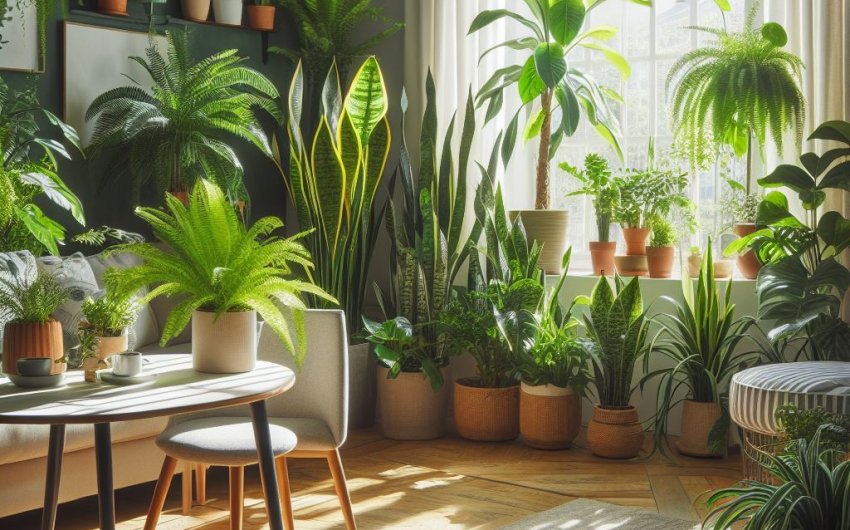
Yes, several air-purifying houseplants can indeed help improve cleaner indoor air quality by absorbing common airborne toxins, and some even release oxygen. While they won't entirely replace a robust ventilation system, incorporating these plants into your home can contribute to a healthier and fresher living environment naturally.
How Do Houseplants Actually Purify Indoor Air?
The concept of houseplants purifying indoor air became widely recognized after NASA's Clean Air Study, which explored natural ways to remove common volatile organic compounds (VOCs) from sealed environments. Understanding the scientific mechanisms behind this process reveals how these plants contribute to a healthier home.
What are Volatile Organic Compounds (VOCs) in Homes?
Volatile Organic Compounds (VOCs) are various chemicals that are emitted as gases from certain solids or liquids commonly found in homes, contributing to indoor air pollution. These invisible pollutants can have both short- and long-term health effects.
Common sources of VOCs in homes:
- Building Materials: Paints, varnishes, sealants, adhesives, flooring, particleboard, plywood.
- Cleaning Products: Air fresheners, disinfectants, laundry detergents.
- Furnishings: Carpets, upholstery, furniture (especially new items).
- Personal Care Products: Cosmetics, hairsprays, nail polish remover.
- Office Equipment: Printers, copiers, correction fluids.
- Hobbies: Craft supplies, glues.
- Combustion: Tobacco smoke, unvented fuel-burning appliances.
Some of the most common VOCs targeted by air-purifying houseplants include:
- Formaldehyde: Found in foam insulation, pressed wood products, paper towels, and permanent press fabrics.
- Benzene: Emitted from plastics, synthetic fibers, detergents, rubber, dyes, and tobacco smoke.
- Trichloroethylene (TCE): Found in cleaning fluids, paints, lacquers, varnishes, and adhesives.
- Xylene: Released from rubber, leather, printing, and paint thinners.
- Ammonia: Found in window cleaners, floor waxes, and some fertilizers.
Reducing exposure to these VOCs is important for maintaining good cleaner indoor air quality.
What is the Role of Leaves, Roots, and Soil Microbes?
When it comes to houseplants purifying indoor air, it's not just the leaves doing all the work; the roots and especially the soil microbes play a crucial and often underestimated role in breaking down airborne toxins. This collaborative effort makes plants effective air purifiers.
- Leaves:
- Direct Absorption: Plant leaves directly absorb some VOCs (like formaldehyde) through their stomata (tiny pores).
- Transpiration: Leaves release water vapor (transpiration), which increases humidity and helps draw air downwards towards the roots.
- Roots:
- Passive Transport: While roots primarily anchor the plant, they also play a role in transporting water and nutrients. Some VOCs may be drawn into the root zone.
- Soil Microbes (The MVPs):
- Primary Detoxifiers: The most significant air-purifying action occurs in the soil. As VOCs are absorbed by the leaves or simply diffuse into the potting mix, beneficial bacteria, fungi, and other microorganisms in the soil break down these complex chemical compounds into less harmful substances.
- Nutrient Cycling: Soil microbes convert the VOCs into plant food, essentially recycling the pollutants into beneficial compounds.
- Symbiotic Relationship: The plant's roots release exudates (sugars and organic acids) that feed these microbes, creating a symbiotic relationship where both plant and microbes benefit from the detoxification process.
Therefore, a healthy root system and a biologically active potting mix are just as important as the leafy canopy for a plant's air-purifying capabilities.
What is the NASA Clean Air Study and Its Findings?
The NASA Clean Air Study, conducted in the late 1980s, was a groundbreaking research project that investigated the ability of common houseplants to remove harmful volatile organic compounds (VOCs) from sealed indoor environments. Its findings brought widespread attention to the air-purifying potential of plants.
- Context: Commissioned by NASA to explore ways to purify air in space stations, the study tested a range of common houseplants in sealed chambers.
- Key Findings:
- Many common houseplants were highly effective at removing specific VOCs from the air, including formaldehyde, benzene, and trichloroethylene (TCE).
- The study emphasized that the soil and its associated microorganisms played a significant role in the detoxification process, not just the leaves.
- Some plants were more effective at removing certain chemicals than others.
- The study demonstrated that plants could measurably improve indoor air quality in controlled conditions.
- Limitations: While influential, the study was conducted in sealed chambers, which are very different from typical home environments. Homes have much larger air volumes, constant airflow, and continuous sources of pollution. Therefore, extrapolating direct numerical findings to a typical home requires caution.
- Legacy: Despite its limitations in real-world application metrics, the NASA study firmly established the concept that plants contribute to cleaner indoor air quality and sparked widespread interest in the topic.
The NASA Clean Air Study remains a foundational piece of research for anyone interested in the benefits of air-purifying houseplants.
What Are the Best Air-Purifying Houseplants to Choose?
When selecting air-purifying houseplants, it's helpful to consider their effectiveness against common toxins, ease of care, and safety for pets. There are several excellent choices that combine air-purifying power with aesthetic appeal.
Which Plants are Most Effective Against Formaldehyde?
Several air-purifying houseplants are most effective against formaldehyde, a common indoor pollutant found in many building materials and household products. Incorporating these plants can specifically target this pervasive VOC.
| Plant Name | Common Name | Formaldehyde Removal Effectiveness | Ease of Care | Pet-Friendly? |
|---|---|---|---|---|
| Chlorophytum comosum | Spider Plant | Very High | Very Easy | Yes |
| Dracaena fragrans | Corn Plant / Dracaena | High | Easy | No (mildly toxic) |
| Epipremnum aureum | Pothos / Devil's Ivy | High | Very Easy | No (mildly toxic) |
| Nephrolepis exaltata | Boston Fern | High | Moderate | Yes |
| Sansevieria trifasciata | Snake Plant | High | Very Easy | No (mildly toxic) |
| Hedera helix | English Ivy | High | Moderate | No (mildly toxic) |
These plants are excellent choices for areas where formaldehyde exposure might be high, such as new homes or rooms with new furniture.
Which Plants Target Benzene and Trichloroethylene?
Certain air-purifying houseplants specifically target benzene and trichloroethylene (TCE), two potent VOCs often associated with synthetic materials, cleaning products, and printing. Adding these plants helps create cleaner indoor air quality.
| Plant Name | Common Name | Benzene Removal Effectiveness | Trichloroethylene (TCE) Removal Effectiveness | Ease of Care | Pet-Friendly? |
|---|---|---|---|---|---|
| Dracaena marginata | Red-Edged Dracaena | High | High | Easy | No (mildly toxic) |
| Chamaedorea elegans | Parlor Palm | High | Moderate | Easy | Yes |
| Spathiphyllum | Peace Lily | High | High | Moderate | No (mildly toxic) |
| Dracaena fragrans | Corn Plant / Dracaena | Moderate | High | Easy | No (mildly toxic) |
| Ficus benjamina | Weeping Fig | Moderate | Moderate | Moderate | No (mildly toxic) |
| Gerbera jamesonii | Gerbera Daisy | High | High | Moderate | Yes |
These plants are particularly useful in offices, utility rooms, or areas where cleaning chemicals and synthetic materials are prevalent.
What are the Best All-Around Air-Purifying Plants (and Pet-Safe Options)?
For those looking for the best all-around air-purifying plants that tackle multiple toxins and, importantly, offer pet-safe options, several species stand out for their versatility and low-toxicity.
| Plant Name | Common Name | Primary VOCs Targeted (Overall Effectiveness) | Ease of Care | Pet-Friendly? |
|---|---|---|---|---|
| Spathiphyllum | Peace Lily | Formaldehyde, Benzene, TCE, Xylene, Ammonia (High) | Moderate | No (mildly toxic) |
| Sansevieria trifasciata | Snake Plant | Formaldehyde, Benzene, TCE (High) | Very Easy | No (mildly toxic) |
| Chlorophytum comosum | Spider Plant | Formaldehyde, Xylene, Toluene (Very High) | Very Easy | Yes |
| Chamaedorea elegans | Parlor Palm | Formaldehyde, Benzene, Carbon Monoxide (High) | Easy | Yes |
| Dracaena fragrans | Corn Plant / Dracaena | Formaldehyde, Benzene, TCE (High) | Easy | No (mildly toxic) |
| Epipremnum aureum | Pothos / Devil's Ivy | Formaldehyde, Carbon Monoxide, Benzene (High) | Very Easy | No (mildly toxic) |
| Nephrolepis exaltata | Boston Fern | Formaldehyde, Xylene (High) | Moderate | Yes |
| Gerbera jamesonii | Gerbera Daisy | Formaldehyde, Benzene, TCE (High) | Moderate | Yes |
For homes with pets, Spider Plant, Parlor Palm, Boston Fern, and Gerbera Daisy are excellent choices for cleaner indoor air quality without toxicity worries.
How Do You Maximize Air Purification from Houseplants?
While simply having air-purifying houseplants is beneficial, there are specific strategies to maximize their air purification potential, ensuring they contribute most effectively to cleaner indoor air quality in your home.
What is the Optimal Number of Plants for a Room?
While there's no single magic number, the optimal number of plants for a room to significantly impact air quality is generally higher than most people assume, and it depends on the plant's size and the room's volume.
- General Guideline: For a noticeable effect, aim for at least 1 plant per 100 square feet (10 square meters) of living space.
- For Enhanced Purification: Some experts suggest a denser arrangement, aiming for 3-5 plants per 100 square feet, especially if they are larger plants.
- Size Matters: A few large, mature plants (e.g., a tall Corn Plant or a bushy Peace Lily) will purify more air than many small seedlings. Choose plants that fit your space.
- Placement: Distribute plants throughout the room rather than clustering them all in one corner. This helps filter air across the entire space.
- Consider Volume, Not Just Area: Taller ceilings mean more air volume, so you might need more plants than just a square footage calculation suggests.
- Combined Approach: Remember that plants are a supplement, not a replacement, for good ventilation and source reduction.
Ultimately, the more healthy plants you have, the greater their collective impact on cleaner indoor air quality.
How Does Potting Mix and Container Size Affect Air Purification?
The potting mix and container size significantly affect a houseplant's air purification capabilities, primarily because the soil and its microbes are crucial for detoxification. Optimizing these factors boosts the plant's effectiveness.
- Healthy Potting Mix:
- Problem: Sterile, lifeless potting mix or compacted, waterlogged soil limits the activity of beneficial soil microbes.
- Solution: Use a high-quality, well-draining potting mix for houseplants. Amend with worm castings or finished compost to introduce a thriving microbial community.
- Microbial Power: A biologically active soil is essential because the microbes are the primary agents breaking down airborne toxins into harmless compounds.
- Container Size:
- Problem: A plant that is severely root-bound in a tiny pot will have a limited root system and a smaller volume of soil for microbial activity.
- Solution: Repot plants into appropriately sized containers when they become root-bound. This allows roots to grow, and provides more potting mix volume for microbes to work in.
- Surface Area: Larger pots (within reason for the plant) mean more soil surface area, which also contributes to toxin absorption from the air.
- Drainage: Ensure pots have excellent drainage. Waterlogging suffocates roots and kills beneficial soil microbes.
A robust, healthy root system and a thriving soil microbial community are fundamental to maximizing the air-purifying power of your air-purifying houseplants.
What is the Importance of Good Plant Health and Maintenance?
The importance of good plant health and maintenance cannot be overstated for maximizing air purification, as a stressed or unhealthy plant will have significantly reduced air-purifying capabilities. A thriving plant is an efficient purifier.
- Optimal Photosynthesis: Healthy plants with vibrant green leaves photosynthesize efficiently, contributing oxygen and potentially absorbing more CO₂ and other gases.
- Robust Root System: Regular repotting, proper watering, and good soil health ensure a strong root system, which is vital for feeding the soil microbes that do much of the air purification work.
- Reduced Stress: A healthy plant is less stressed and can dedicate more energy to its natural defense mechanisms and physiological processes, including air purification. Stressed plants are also more susceptible to pests.
- Clean Leaves: Regularly wiping down leaves removes dust, which can block stomata and hinder the plant's ability to absorb airborne toxins. This is a simple but important task for all air-purifying houseplants.
- Pest-Free: Pest infestations weaken plants, diverting energy from purification to defense. Good pest management ensures the plant can function optimally.
- Pruning: Removing dead or yellowing leaves allows the plant to focus energy on healthy, active foliage that purifies air.
Consistent DIY indoor plant care ensures your plants are in prime condition to effectively contribute to cleaner indoor air quality.
What Other Factors Influence Indoor Air Quality?
While air-purifying houseplants are a beneficial addition, it's crucial to understand that other factors significantly influence indoor air quality. A holistic approach combines plants with source reduction and ventilation for the healthiest home environment.
How Does Proper Ventilation Improve Air Quality?
Proper ventilation is arguably the most effective way to improve indoor air quality, as it actively removes pollutants and brings in fresh outdoor air. It works in conjunction with air-purifying houseplants for a comprehensive solution.
- Dilution: Ventilation dilutes indoor pollutants by replacing stale, polluted air with cleaner outdoor air. This is especially effective against VOCs, allergens, and airborne particles.
- Removes Moisture: Good ventilation helps remove excess humidity, which can prevent mold and mildew growth (common indoor allergens and irritants).
- Exhausts Pollutants: Exhaust fans in bathrooms and kitchens actively remove moisture, cooking fumes, and other pollutants directly to the outside.
- Natural Ventilation: Simply opening windows and doors, especially on opposite sides of the house, creates cross-ventilation that flushes out indoor air.
- Mechanical Ventilation: HVAC systems with fresh air intake or dedicated indoor air purifiers (with HEPA and activated carbon filters) provide controlled and continuous air exchange.
Regular and adequate ventilation is a non-negotiable for cleaner indoor air quality, providing a crucial baseline that plants can then further enhance.
How Can You Reduce Sources of Indoor Air Pollution?
Reducing sources of indoor air pollution is the most proactive and effective strategy for improving indoor air quality, as it prevents pollutants from entering your home in the first place. This complements the use of air-purifying houseplants by minimizing their workload.
Strategies for source reduction:
- Choose Low-VOC Products:
- Paints and Finishes: Opt for "low VOC" or "no VOC" paints, varnishes, and sealants.
- Furniture: Choose solid wood furniture over pressed wood products (particleboard, MDF, plywood) which often off-gas formaldehyde. If buying pressed wood, look for exterior-grade or those with formaldehyde-free resins.
- Flooring: Select low-VOC flooring materials.
- Cleaning Supplies: Use natural, unscented cleaning products or make your own with vinegar, baking soda, and essential oils. Avoid harsh chemical cleaners and air fresheners.
- Manage Combustion Sources:
- No Smoking: Absolutely no smoking indoors.
- Vent Appliances: Ensure gas stoves, ovens, and clothes dryers are properly vented to the outside.
- Maintain Appliances: Keep furnaces and water heaters well-maintained to prevent carbon monoxide leaks.
- Control Dust and Allergens:
- Regular Cleaning: Vacuum frequently with a HEPA-filter vacuum, dust with a damp cloth, and wash bedding regularly.
- Pet Dander: Groom pets frequently.
- Pollen: Keep windows closed during high pollen counts.
- Limit Scents: Avoid synthetic air fresheners, scented candles, and heavy perfumes, as these often contain VOCs.
By actively reducing pollution sources, you create a baseline of cleaner indoor air quality that your air-purifying houseplants can then further refine.
What Role Do Air Purifiers and HVAC Filters Play?
Air purifiers and high-quality HVAC filters play a significant role in improving indoor air quality by mechanically removing airborne particles and some gases, complementing the natural efforts of air-purifying houseplants. They are essential components of a comprehensive strategy.
- Air Purifiers:
- Mechanism: Stand-alone air purifiers use filters (typically HEPA for particles and activated carbon for gases/odors) and a fan to draw in room air, filter it, and return cleaner air.
- Effectiveness: Highly effective at removing airborne particles (dust, pollen, pet dander, mold spores, smoke) and a significant portion of VOCs and odors (with activated carbon filters).
- Targeted Use: Best for specific rooms or areas where pollution sources are high (e.g., bedrooms for allergy sufferers, living rooms with pets).
- HVAC Filters (Furnace/AC Filters):
- Mechanism: Filters in your central heating and cooling system capture airborne particles as air circulates.
- MERV Rating: Look for filters with a higher MERV (Minimum Efficiency Reporting Value) rating (e.g., MERV 8-13 for residential use) for better particle removal.
- Regular Replacement: Replace HVAC filters regularly (every 1-3 months) according to manufacturer recommendations. Clogged filters are ineffective and can reduce HVAC efficiency.
- Limitations: Most standard HVAC filters are designed for particle removal, not gas/VOC removal (unless they incorporate activated carbon).
Both air purifiers and HVAC filters provide mechanical advantages for cleaner indoor air quality, working in tandem with source reduction and air-purifying houseplants for the healthiest possible home environment.