
Creative Ways to Display Your Houseplants: From Hanging Gardens to Terrariums
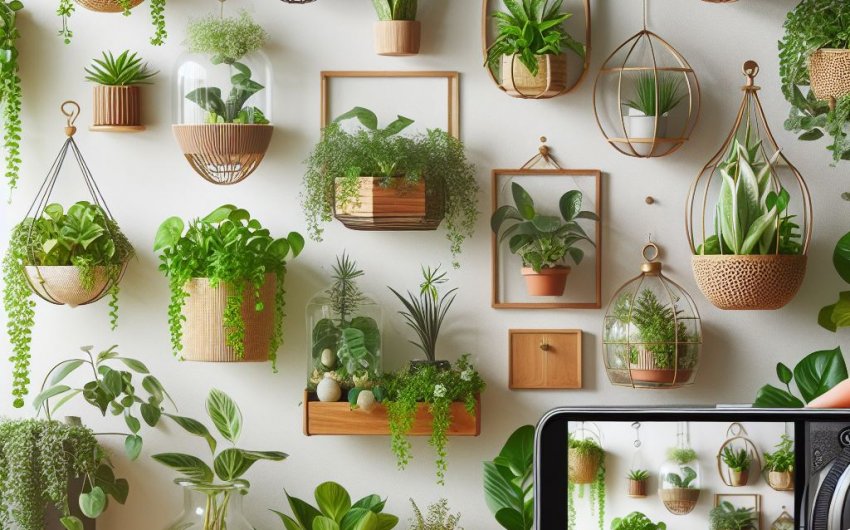
To truly elevate your interior decor and showcase your beloved plants, you can explore many creative ways to display your houseplants, ranging from elegant hanging gardens to captivating terrariums. Moving beyond simple potted plants, these inventive displays add visual interest, save space, and transform your home into a vibrant, living oasis.
Why Should You Get Creative with Houseplant Displays?
Getting creative with houseplant displays offers numerous benefits beyond just aesthetics, enhancing both your living space and your enjoyment of your plants. It's about transforming your home into a dynamic, green environment.
How Do Creative Displays Enhance Home Decor and Aesthetics?
Creative displays significantly enhance home decor and aesthetics by adding visual interest, texture, and a touch of nature that breathes life into any room. They transform simple plants into intentional design elements, making your home more inviting and stylish.
- Visual Interest: Plants themselves are beautiful, but how they are displayed can amplify their impact. Unique arrangements draw the eye and create focal points, adding depth and character to a space.
- Texture and Form: Combining plants with different leaf shapes, colors, and growth habits (trailing, upright, bushy) in creative displays adds rich texture and dynamic form to your decor.
- Color Pop: Green is a natural neutral, but many houseplants offer vibrant foliage or blooms that can introduce pops of color, complementing or contrasting with your existing decor.
- Softens Edges: Plants naturally soften hard lines and architectural features in a room, making the space feel more organic and less sterile.
- Personalization: Creative displays allow you to express your personal style, turning your home into a reflection of your tastes and passions.
- Living Art: Plants become living sculptures or ever-changing art pieces, evolving and growing, bringing a dynamic element to your static decor.
By thinking beyond the traditional single pot, you can elevate your plants into stunning decorative statements, proving that creative ways to display your houseplants can transform your home.
How Can Inventive Displays Save Space in Smaller Homes?
Inventive displays are incredibly effective at saving space in smaller homes or apartments, maximizing vertical areas and underutilized corners to accommodate more plants without cluttering precious floor or surface space. This is a crucial benefit for urban dwellers.
- Vertical Gardening: This is the most significant space-saving technique. By moving plants off horizontal surfaces and onto walls or from the ceiling, you utilize previously unused vertical real estate.
- Tiered Displays: Layering plants at different heights (e.g., multi-tiered stands, hanging shelves) allows you to group more plants in a compact footprint.
- Corner Solutions: Creative stands or hanging planters can turn awkward corners into lush green zones.
- Under-Utilized Areas: Display methods like macrame hangers or wall shelves can fill empty wall space, window frames, or even create a living screen.
- Integrated Storage: Some display units combine plant shelves with storage, serving a dual purpose.
For homes where every square foot counts, exploring creative ways to display your houseplants is an ingenious way to incorporate more greenery without sacrificing living space.
What are the Psychological and Environmental Benefits?
Beyond aesthetics and space, creative houseplant displays offer significant psychological and environmental benefits, contributing to a healthier and more uplifting living environment. Plants actively improve our well-being.
- Psychological Benefits:
- Stress Reduction: Studies show that interacting with plants and being in green spaces can lower stress levels and improve mood. Creative displays bring this benefit directly into your home.
- Increased Well-being: A lush indoor garden can create a sense of calm, connection to nature, and overall well-being.
- Improved Focus/Productivity: Plants in workspaces have been linked to improved concentration and creativity.
- Sense of Accomplishment: Nurturing and beautifully displaying your plants can provide a satisfying hobby.
- Environmental Benefits:
- Improved Indoor Air Quality: Many houseplants act as natural air purifiers, absorbing common volatile organic compounds (VOCs) and releasing oxygen, contributing to cleaner indoor air quality.
- Increased Humidity: Grouping plants, especially in creative humid environments like terrariums, can slightly increase localized humidity, which is beneficial in dry indoor climates.
- Connection to Nature: Bringing nature indoors fosters a greater appreciation for the environment and encourages sustainable living practices.
By thoughtfully designing your plant displays, you're not just decorating; you're creating a healthier, happier, and more sustainable home environment.
What Are Unique Ways to Hang Your Houseplants?
Unique ways to hang your houseplants maximize vertical space, create dynamic visual interest, and allow trailing plants to truly shine. Moving plants off surfaces opens up a world of creative possibilities for your interior design.
How Can Macrame Hangers and Plant Swings Enhance Decor?
Macrame hangers and plant swings are incredibly popular and effective creative ways to display your houseplants, adding a bohemian, cozy, or even modern touch to your decor while elegantly utilizing vertical space.
- Macrame Hangers:
- Description: Hand-knotted ropes (cotton, jute, or synthetic) that suspend a potted plant. They come in countless patterns, from simple to intricate.
- Aesthetic: Adds a bohemian, rustic, or natural texture. Can be modern depending on the knotting style and color.
- Versatility: Works with almost any pot shape (round, square, cylinder). Can be hung from ceilings, wall hooks, or curtain rods.
- Benefits: Excellent for trailing plants like Pothos, Philodendron, String of Pearls. Utilizes vertical space.
- You can find a wide range of macrame plant hangers to suit your style.
- Plant Swings (Shelf Swings):
- Description: A small wooden or metal shelf suspended by ropes or chains, creating a "swing" for a single potted plant.
- Aesthetic: Often minimalist, modern, or rustic depending on materials. Adds a whimsical touch.
- Benefits: Provides a stable, flat surface for plants that might not fit traditional hangers. Utilizes vertical space.
- A hanging plant shelf swing can be a chic statement piece.
Both options offer stylish and practical solutions for integrating hanging greenery into your home, enhancing your creative ways to display your houseplants.
What About Wall-Mounted Planters and Vertical Gardens?
Wall-mounted planters and vertical gardens are innovative creative ways to display your houseplants, turning bare walls into lush, living art. These solutions are perfect for maximizing space and adding a striking focal point to any room.
- Wall-Mounted Planters:
- Description: Individual pots, pockets, or containers that attach directly to a wall.
- Types: Can range from simple ceramic pots with a flat back, to metal rings holding small glass globes, to fabric pockets.
- Aesthetic: Creates a clean, modern look, or a gallery wall effect.
- Benefits: Perfect for small spaces, utilizing vertical real estate. Great for plants that don't trail excessively or that you want at eye level.
- Look for ceramic wall planters or geometric wall planters.
- Vertical Gardens/Wall Grids:
- Description: Larger systems that allow you to grow multiple plants on a vertical frame or panel. This can be a grid system with hooks for small pots, a felt pocket system, or a modular panel that holds individual plants.
- Aesthetic: Creates a dramatic living wall effect.
- Benefits: Maximize plant density in a small footprint. Can be a stunning focal point.
- Considerations: Requires a well-thought-out watering strategy (e.g., drip system, manual watering specific pockets). Ensure adequate light.
- A vertical garden wall planter system can transform an entire wall.
These wall-focused displays truly exemplify creative ways to display your houseplants by challenging traditional plant placement.
How Can Ceiling Hooks and Floating Shelves Elevate Plants?
Ceiling hooks and floating shelves are classic yet highly effective creative ways to display your houseplants, providing elegant solutions for elevating plants, utilizing unused space, and creating dynamic visual layers in a room.
- Ceiling Hooks:
- Description: Sturdy hooks screwed directly into ceiling joists (or using appropriate anchors) from which you can hang macrame hangers, baskets, or tiered planters.
- Benefits: Frees up floor and counter space. Allows trailing plants to cascade beautifully. Creates a sense of height and openness.
- Considerations: Ensure hooks are properly installed into structural elements to support the weight of the plant and pot (especially after watering). A heavy-duty ceiling plant hook is crucial.
- Floating Shelves:
- Description: Shelves that appear to float on a wall with no visible support brackets.
- Benefits: Creates a clean, modern display. Allows you to group multiple small plants, arrange them at different heights, and free up surface space. Can be installed at varying heights to catch different light levels.
- Considerations: Ensure shelves are securely anchored to wall studs to support plant weight.
- Floating shelves for plants add a contemporary touch.
Both ceiling hooks and floating shelves are versatile options for adding greenery above eye level, showcasing your plants in elegant and space-saving ways.
What Are Inventive Ways to Use Terrariums and Plant Groups?
Inventive ways to use terrariums and plant groups create self-contained ecosystems or miniature landscapes, bringing a captivating, artistic dimension to your plant displays. These methods encourage creative arrangements and shared environments.
How Can Terrariums Be Creative Houseplant Displays?
Terrariums offer incredibly creative ways to display houseplants by allowing you to build miniature ecosystems within glass containers, transforming your plants into living art pieces. They range from humid, closed systems to open, arid landscapes.
- Closed Terrariums (for Humidity-Loving Plants):
- Description: Sealed glass containers (jars, cloches, bottles) that create a self-contained, high-humidity environment.
- Ideal Plants: Humidity-loving plants like ferns (e.g., tiny maidenhair ferns), mosses, Fittonia, nerve plants, baby tears.
- Aesthetic: Creates a magical, encapsulated mini-jungle effect.
- Considerations: Requires careful plant selection for high humidity; needs indirect light; minimal watering. Avoid succulents in closed terrariums.
- You can buy pre-made closed terrarium kits or build your own.
- Open Terrariums (for Succulents/Cacti):
- Description: Glass containers with a wide opening (fish bowls, shallow dishes, geometric terrariums) that allow for air circulation.
- Ideal Plants: Succulents, cacti, and air plants that prefer dry air and excellent drainage.
- Aesthetic: Creates a minimalist, desert-scape, or geometric display.
- Considerations: Requires good drainage layers (pebbles, charcoal) and succulent potting mix; infrequent watering.
- Open terrarium glass bowls are versatile.
Terrariums are fantastic for showcasing small plants in a unique and artistic manner, making them a standout among creative ways to display your houseplants.
What is the Art of Grouping Plants for Visual Impact?
The art of grouping plants for visual impact involves arranging multiple plants together in a strategic way to create a lush, abundant display that is more impactful than individual pots scattered around. This technique is often called "plant styling."
- Layering Heights: Arrange plants with varying heights. Place taller plants at the back or center, medium-sized plants in the middle, and shorter or trailing plants at the front or edges.
- Mixing Textures: Combine plants with different leaf textures (e.g., smooth Monstera, fuzzy African Violet, spiky Sansevieria) to add visual depth and interest.
- Playing with Colors: Use plants with different foliage colors (dark green, lime green, variegated, red hues) to create contrast or harmony.
- Container Variety: Use a mix of pots in different materials, colors, and shapes (ceramic, terracotta, metal, woven baskets) that complement each other and your decor.
- Creating Vignettes: Design small "scenes" or clusters of plants on a tray, shelf, or table, rather than just lining them up.
- Hiding Pots (Optional): Place smaller pots inside decorative cachepots or use taller plants to hide the plastic nursery pots of shorter plants.
- Environmental Benefit: Grouping plants can also create a beneficial microclimate, increasing localized humidity for humidity-loving plants.
By consciously arranging your plants, you can transform a collection of individual pots into a cohesive and visually stunning display, showcasing creative ways to display your houseplants.
How Can Plant Stands and Tiered Shelves Create Dynamic Displays?
Plant stands and tiered shelves are practical yet creative ways to display your houseplants, offering structure, elevating plants, and allowing you to arrange them at various heights for a dynamic and space-saving presentation.
- Plant Stands:
- Description: Individual stands that lift a single potted plant off the floor, or multi-tiered stands that hold several plants.
- Types: Can be made from wood, metal, bamboo, or even ceramic. Vary in height and style (mid-century modern, rustic, minimalist).
- Benefits: Elevates plants to eye level or allows trailing plants to cascade. Frees up floor space. Adds visual height.
- A mid-century modern plant stand can be a stylish addition.
- Tiered Shelves:
- Description: Shelving units with multiple levels designed to hold several plants at different heights. Can be freestanding or wall-mounted.
- Benefits: Maximize vertical space, allowing you to display many plants in a compact footprint. Creates a dynamic layered look.
- Considerations: Ensure shelves are sturdy enough to hold the weight of multiple potted plants. Consider light access for all levels.
- A tiered plant display shelf can create an instant plant corner.
Both plant stands and tiered shelves provide structure and height, transforming a simple collection into an organized and eye-catching feature.
What Are Innovative Lighting and Container Ideas for Display?
Beyond traditional structures, innovative lighting and container ideas can transform your houseplant displays, adding ambiance, catering to specific plant needs, and pushing the boundaries of conventional presentation. These advanced concepts offer truly creative ways to display your houseplants.
How Can Creative Lighting Enhance Plant Displays?
Creative lighting can dramatically enhance plant displays, not only providing essential light for plant growth but also highlighting their beauty and creating a captivating ambiance in your home. Thoughtful lighting elevates plants into works of art.
- Accent Lighting:
- Uplighting: Place small spotlights or puck lights on the floor behind a plant, shining upwards. This highlights its silhouette, leaf texture, and creates dramatic shadows on the wall.
- Downlighting: Position a light source above a hanging or shelf plant to create a warm glow.
- String Lights: Weave delicate fairy lights through the foliage of larger plants or around a plant shelf for a magical, ethereal effect.
- Integrated Grow Lights:
- Stylish Grow Lights: Many modern LED grow lights are designed to be aesthetically pleasing, blending into decor while providing optimal light spectrum for plant growth.
- Concealed Lights: Hide strip lights or puck lights under shelves or inside cabinets to provide supplemental light for plants while remaining unobtrusive.
- Backlighting: Place a plant in front of a window or light source to create a silhouette effect, highlighting its form.
- Light Filtering: Use sheer curtains or frosted glass film to diffuse harsh direct sunlight, creating a softer, more ideal light for many plants.
Creative lighting transforms your plants into illuminated features, showcasing their beauty day and night.
What are Upcycled and Repurposed Container Ideas?
Upcycled and repurposed container ideas offer highly creative ways to display your houseplants, injecting personality and sustainability into your decor while saving money and reducing waste. Think outside the traditional pot.
- Old Teacups/Mugs: Perfect for tiny succulents, air plants, or small propagating cuttings.
- Vintage Tins/Cans: Cleaned and repurposed, they add a retro or industrial vibe.
- Glass Jars/Bottles: Excellent for propagation, holding cut flowers from your plants, or creating mini terrariums. A glass propagation station can be beautiful.
- Basket Liners: Woven baskets can serve as beautiful cachepots (decorative outer pots) for plastic nursery pots. Ensure good drainage within the inner pot.
- Old Books (Hollowed Out): Create a unique planter for succulents (ensure it's lined to protect the book from moisture).
- Driftwood/Branches: Mount air plants directly onto interesting pieces of driftwood or branches for a natural, sculptural look.
- Old Drawers/Toolboxes: Line with plastic, add drainage, and use as unique rectangular planters for multiple small plants.
- Ceramic Bowls/Platters (No Drainage): Use these as cachepots for plants in nursery pots, or for open succulent displays (with a drainage layer).
Always ensure any repurposed container has adequate drainage (drill holes if necessary) or use it as a cachepot to hold a plant in a smaller nursery pot.
How Can Smart Technology Enhance Plant Displays and Care?
Smart technology can significantly enhance plant displays and care, offering convenience, precision, and deeper insights into your plants' needs. Integrating tech allows for optimized conditions and proactive maintenance, taking your creative ways to display your houseplants into the future.
- Smart Grow Lights:
- Automated Scheduling: Program smart grow lights to turn on/off at specific times, mimicking natural light cycles.
- Dimming/Color Spectrum: Adjust light intensity and even color spectrum for different plant needs or aesthetic preferences, all from an app.
- Smart Plugs/Timers: Use smart plugs to automate regular lights or humidifiers.
- Smart Plant Sensors:
- Real-Time Data: Plant sensors inserted into the soil can monitor soil moisture, light levels, temperature, and even fertilizer levels, sending data directly to your phone.
- Proactive Alerts: Receive alerts when your plant needs water or if conditions aren't ideal, helping you prevent problems before they escalate.
- Automated Watering Systems (for larger collections):
- Drip Systems: For extensive plant collections or vertical gardens, small indoor drip irrigation systems can deliver precise amounts of water on a schedule.
- Self-Watering Pots: While not "smart," these reduce watering frequency.
- Smart Humidifiers: Humidifiers with built-in hygrostats automatically maintain desired humidity levels.
These technologies provide data-driven insights and automation, ensuring your plants receive optimal care with minimal manual effort, making your creative ways to display your houseplants even more impressive and sustainable.