
Houseplants 101: Choosing the Right Plants for Your Space and Lifestyl
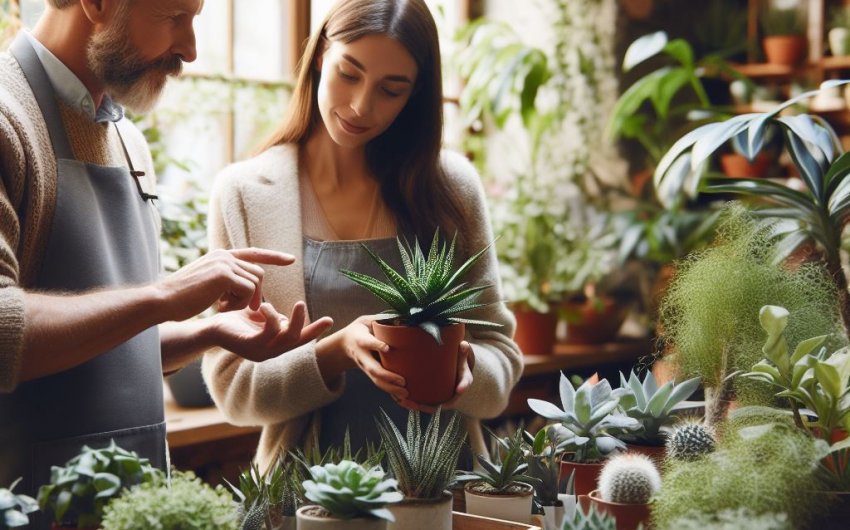
To successfully navigate houseplants 101 and create a thriving indoor garden, the key is thoughtfully choosing the right plants for your space and lifestyle. This involves assessing your home's environmental conditions, understanding your personal commitment level, and selecting plants that naturally align with both.
Why is Matching Plants to Your Space and Lifestyle So Important?
Matching plants to your space and lifestyle is paramount for successful houseplants 101, as it directly impacts plant health, your enjoyment, and the longevity of your indoor garden. Mismatched plants often lead to frustration, plant death, and a wasted investment.
How Does Light Availability Determine Plant Choices?
Light availability is the single most critical factor in determining your houseplant choices, as light fuels photosynthesis, the process by which plants create their food. Mismatched light levels are a leading cause of plant stress and failure.
- Photosynthesis: Plants convert light energy into chemical energy (sugars) for growth. Different plants have evolved to thrive in different light intensities in their native habitats.
- Assessing Your Light:
- Direct Sun: Areas receiving 6+ hours of direct, unobstructed sunlight daily (e.g., south-facing window, bright west-facing window). Best for sun-loving plants.
- Bright, Indirect Light: Areas near a sunny window but not in the direct path of the sun's rays, or an east-facing window (4-6 hours of gentle morning sun). Best for most common houseplants.
- Medium Light: Areas further from a window, or a bright north-facing window (2-4 hours of indirect light). Suitable for low-light tolerant plants.
- Low Light: Areas deep within a room, or far from any windows (less than 2 hours of indirect light). Very few plants truly thrive here; most just survive.
- Consequences of Mismatch:
- Too Little Light: Leads to leggy, stretched growth (etiolation), small new leaves, pale color, and failure to flower.
- Too Much Light/Sunburn: Causes brown, crispy spots, bleached leaves, or overall wilting.
- Solution: Accurately assess your home's light conditions throughout the day and year. Choose plants known to thrive in those specific light levels. Supplemental full-spectrum LED grow lights can expand your options in darker areas.
Prioritizing light availability ensures your plants receive the fundamental energy they need to thrive.
How Do Room Temperatures and Humidity Influence Plant Selection?
Room temperatures and humidity significantly influence plant selection, especially for species native to tropical or arid climates. Replicating these environmental factors is crucial for happy, thriving houseplants.
- Temperature:
- Ideal Range: Most common houseplants prefer typical indoor temperatures between 65-75°F (18-24°C).
- Avoid Extremes: Protect plants from cold drafts (near windows/doors in winter), hot drafts (near heating/AC vents), and sudden temperature fluctuations, which can cause stress, leaf drop, or stunted growth.
- Specific Needs: Some plants have strict temperature requirements (e.g., orchids may need a temperature drop to trigger blooms).
- Humidity:
- Problem: Most homes have much lower humidity (30-50%) than tropical plants prefer (60-80%+). Low humidity can cause crispy leaf tips/edges, browning, and attract pests like spider mites.
- Solution: For humidity-loving plants, increase localized humidity through misting (temporary), pebble trays, grouping plants, or a room humidifier. For arid plants (succulents/cacti), ensure dry conditions.
- Consequences of Mismatch: Plants placed in environments far from their preferred temperature and humidity ranges will suffer from stress, show poor growth, and be more susceptible to pests and diseases.
Understanding and accommodating these factors is a key part of choosing the right plants for your space and lifestyle.
How Does Your Lifestyle Affect Plant Care Commitment?
Your lifestyle significantly affects the level of plant care commitment you can realistically provide, and being honest about this is essential for successful houseplants 101. Matching a plant's needs to your available time prevents frustration and plant neglect.
- Time Availability:
- Busy Schedule/Frequent Travel: Opt for low-maintenance, forgiving plants that can tolerate some neglect, require infrequent watering, and don't need constant attention.
- Dedicated Gardner/More Time: You can explore more demanding plants that require regular watering, specific humidity, or frequent pruning.
- Experience Level:
- Beginner: Start with hardy, easy-to-care-for plants that tolerate a wider range of conditions and forgive occasional mistakes.
- Experienced: You can challenge yourself with more sensitive or unique plants.
- Attention to Detail: Some plants require close observation for signs of distress or pests, while others are more robust.
- Desire for Interaction: Do you enjoy daily watering and fussing, or do you prefer to water once a month?
- Pet Ownership: This dictates whether you need to select pet-safe plants to avoid toxicity issues.
By honestly assessing your lifestyle, you can choose plants that align with your commitment level, making houseplants 101 an enjoyable hobby, not a chore.
What Are the Best Houseplants for Beginners?
For anyone embarking on houseplants 101, starting with easy-to-care-for plants for beginners is crucial for building confidence and developing green thumb skills. These resilient plants tolerate a wide range of conditions and forgive occasional mistakes.
Which Low-Maintenance Plants Tolerate Some Neglect?
For busy individuals or those new to plant care, low-maintenance plants that tolerate some neglect are the perfect choice. These hardy plants thrive on infrequent watering and minimal fuss, making them ideal for a relaxed houseplants 101 experience.
| Plant Name | Common Name | Light Needs | Watering Needs | Key Feature | Pet-Friendly? |
|---|---|---|---|---|---|
| Sansevieria trifasciata | Snake Plant | Low to Bright, Indirect | Let soil dry completely between waters. | Upright, architectural | No (mildly toxic) |
| Zamioculcas zamiifolia | ZZ Plant | Low to Bright, Indirect | Let soil dry completely between waters. | Drought-tolerant, shiny leaves | No (mildly toxic) |
| Epipremnum aureum | Pothos / Devil's Ivy | Low to Bright, Indirect | Let soil dry out between waterings. | Trailing, versatile | No (mildly toxic) |
| Chlorophytum comosum | Spider Plant | Bright, Indirect | Keep soil consistently moist, not soggy. | Easy propagation, air-purifying | Yes |
| Philodendron hederaceum | Heartleaf Philodendron | Medium to Bright, Indirect | Let soil dry out between waterings. | Trailing, fast-growing | No (mildly toxic) |
| Scindapsus pictus | Satin Pothos | Medium to Bright, Indirect | Let soil dry out between waterings. | Variegated, trailing | No (mildly toxic) |
These plants are incredibly forgiving, making them excellent choices for building confidence in DIY indoor plant care.
What Are Good Choices for Low-Light Conditions?
For rooms that don't receive much natural light, there are several good choices for low-light conditions that can still bring greenery and life to darker corners. While no plant truly thrives in deep shade, these varieties tolerate reduced light levels.
| Plant Name | Common Name | Light Needs | Watering Needs | Key Feature | Pet-Friendly? |
|---|---|---|---|---|---|
| Sansevieria trifasciata | Snake Plant | Low to Bright, Indirect | Let soil dry completely between waters. | Vertical, architectural | No (mildly toxic) |
| Zamioculcas zamiifolia | ZZ Plant | Low to Bright, Indirect | Let soil dry completely between waters. | Extremely drought-tolerant | No (mildly toxic) |
| Aspidistra elatior | Cast Iron Plant | Low to Medium, Indirect | Let soil dry out between waterings. | Very hardy, tough leaves | Yes |
| Aglaonema | Chinese Evergreen | Low to Medium, Indirect | Keep soil evenly moist, not soggy. | Variegated foliage | No (mildly toxic) |
| Spathiphyllum | Peace Lily | Low to Medium, Indirect | Keep soil moist; wilts when thirsty. | White flowers, air-purifying | No (mildly toxic) |
| Dracaena fragrans | Corn Plant | Low to Bright, Indirect | Let soil dry out between waterings. | Tree-like, sturdy | No (mildly toxic) |
Remember that "low light" often means being able to read a book without a lamp, not pitch black. Even these plants benefit from some indirect light.
Which Pet-Friendly Houseplants are Safe for Curious Animals?
For homes with furry friends, selecting pet-friendly houseplants that are safe for curious animals is a top priority. These non-toxic options allow you to enjoy greenery without worrying about your cat or dog ingesting harmful substances.
| Plant Name | Common Name | Light Needs | Pet-Friendly? |
|---|---|---|---|
| Chlorophytum comosum | Spider Plant | Bright, Indirect | Yes |
| Chamaedorea elegans | Parlor Palm | Medium to Bright, Indirect | Yes |
| Nephrolepis exaltata | Boston Fern | Medium to Bright, Indirect | Yes |
| Maranta leuconeura | Prayer Plant | Medium to Bright, Indirect | Yes |
| Saintpaulia | African Violet | Bright, Indirect | Yes |
| Phalaenopsis | Moth Orchid (most common orchids) | Medium to Bright, Indirect | Yes |
| Haworthia attenuata | Zebra Haworthia (most Haworthia spp.) | Bright, Indirect | Yes |
| Hypoestes phyllostachya | Polka Dot Plant | Bright, Indirect | Yes |
| Aspidistra elatior | Cast Iron Plant | Low to Medium, Indirect | Yes |
Always check with reliable sources like the ASPCA Plant List if you're unsure about a plant's toxicity. While these are safe, excessive ingestion of any plant material can still cause mild stomach upset.
How Do You Set Up Your Indoor Plant Oasis?
Setting up your indoor plant oasis involves more than just buying plants; it requires creating the right environment, selecting appropriate potting mixes, and ensuring your display strategy contributes to plant health. This is the practical side of houseplants 101.
What are the Best Potting Mixes and Containers?
Choosing the best potting mixes and containers is fundamental for providing a healthy foundation for your plants, ensuring proper drainage, aeration, and nutrient supply. These choices directly impact root health.
- Potting Mix (Not Garden Soil!):
- All-Purpose Houseplant Mix: A good quality, well-draining potting mix designed specifically for indoor plants is crucial. It should contain ingredients like peat moss, coir, perlite, and/or vermiculite to ensure aeration and drainage.
- Cactus/Succulent Mix: For cacti, succulents, and other arid plants, use a specialized cactus and succulent potting mix that is extra gritty and fast-draining.
- Orchid Mix: For orchids, use an orchid bark mix containing bark, perlite, and charcoal for maximum aeration.
- Never use garden soil indoors, as it's too heavy, compacts easily, and can contain pests or diseases.
- Containers (Pots):
- Drainage Holes are Essential: Always, always use pots with drainage holes at the bottom. Without them, water collects, leading to root rot.
- Material:
- Terra Cotta Pots: Porous, allowing for good air exchange and faster drying, ideal for plants that prefer drier soil.
- Plastic Pots: Retain moisture longer, lighter weight, more affordable.
- Ceramic/Glazed Pots: Retain moisture, can be decorative. Ensure adequate drainage hole size.
- Size: Choose a pot that is appropriate for the plant's root ball. Avoid putting a small plant in a very large pot, which can lead to overwatering.
- Drip Trays/Saucers: Essential for catching excess water and protecting surfaces.
The right combination of potting mix and container ensures healthy roots, which is the foundation of robust plant growth.
How Do You Place Plants for Optimal Light and Aesthetics?
Placing plants for optimal light and aesthetics is a thoughtful process that ensures each plant receives its specific light needs while also enhancing your home's decor. It's about blending form and function in your DIY indoor plant care.
- Match Light Needs:
- Sunny Windows: Place high-light plants directly in south or west-facing windows.
- Bright, Indirect: Position most foliage plants near east-facing windows, or a few feet back from brighter windows, or use sheer curtains to diffuse light.
- Lower Light: Place tolerant plants further into rooms or in north-facing windows.
- Consider Growth Habits:
- Trailing Plants: Place on high shelves, in hanging baskets, or on the edge of furniture so their vines can cascade.
- Upright Plants: Use as floor plants or on lower shelves to add vertical interest.
- Bushy Plants: Give them space to grow wide without crowding.
- Aesthetic Grouping:
- Vary Heights: Group plants of different heights (floor, stand, shelf, hanging) to create visual interest. Use plant stands or floating shelves.
- Mix Textures and Colors: Combine plants with different leaf shapes, textures, and variegation to create a lush, diverse display.
- Rule of Three: Odd numbers of plants (3, 5, 7) often look more appealing in groupings.
- Use Decorative Pots: Choose plant pots that complement your decor and the plant's style.
- Rotate Periodically: Turn plants every week or two to ensure all sides receive even light exposure, promoting balanced growth.
Thoughtful placement creates a beautiful and thriving indoor plant oasis.
How Do You Provide Basic Accessories for Plant Health?
Providing basic accessories for plant health ensures your plants have everything they need to thrive and makes your DIY indoor plant care routine more efficient. These small additions make a big difference.
- Pebble Trays: For humidity-loving plants, place a pebble tray filled with water beneath the pot (ensure the pot sits on the pebbles, not in the water). As the water evaporates, it increases localized humidity.
- Humidifier: For large collections of tropical plants in a dry home, a small room humidifier can maintain ambient humidity levels.
- Plant Stands/Trellises/Moss Poles: For vining plants, a moss pole or a small plant trellis provides support for aerial roots and encourages upright growth. Plant stands elevate plants for better light or aesthetic appeal.
- Drip Trays/Saucers: Absolutely essential to catch excess water and protect surfaces.
- Cleaning Supplies: A soft cloth or leaf shine spray for keeping leaves dust-free.
- Grow Lights (Optional): If natural light is insufficient, full-spectrum LED grow lights are a crucial accessory for plant health.
These accessories contribute to a microclimate that helps your plants thrive in their indoor environment.
What Are Essential Routine Care Practices?
Beyond initial setup, essential routine care practices are the backbone of thriving indoor plants. Consistent, mindful attention to these tasks is what keeps your plants healthy and beautiful over the long term. This is the heart of houseplants 101.
How Often Should You Water Your Houseplants?
How often you should water your houseplants is the most critical and frequently performed routine care practice, and it directly impacts plant survival. The key is to avoid a rigid schedule and instead, water based on the plant's individual needs and soil moisture.
- Always Check Soil First: Before watering, stick your finger 1-2 inches deep into the soil. If it feels dry, it's time to water. If it still feels moist, wait. A soil moisture meter can remove guesswork.
- Water Thoroughly: When watering, always water deeply until excess water drains freely from the bottom of the pot. This ensures all roots are hydrated.
- Discard Standing Water: Never let your pot sit in standing water in the saucer for more than 30 minutes, as this leads to root rot.
- Factors Affecting Frequency:
- Plant Type: Succulents need less frequent watering than tropical foliage plants.
- Pot Material: Terra cotta dries out faster than plastic.
- Light Levels: Plants in brighter light use more water than those in low light.
- Temperature/Humidity: Warmer, drier air increases evaporation, requiring more frequent watering.
- Season: Reduce watering in fall/winter when plants are dormant.
- Pot Size: Smaller pots dry out faster than larger ones.
- Signs of Incorrect Watering:
- Overwatering: Yellowing leaves, mushy stems, stunted growth, fungus gnars.
- Underwatering: Wilting, crispy leaves, dry soil pulling away from the pot.
Learning to read your plant's unique watering signals is essential for preventing root problems and ensuring optimal health.
How and When Should You Fertilize Indoor Plants?
How and when you should fertilize indoor plants is a crucial aspect of routine care, providing essential nutrients for growth but requiring careful application to avoid over-fertilization. Less is often more with indoor plants.
- When to Fertilize:
- Growing Season Only: Fertilize only during the plant's active growing season, which is typically spring and summer.
- Reduce/Stop in Dormancy: Do not fertilize in fall and winter when most plants are dormant, as they won't use the nutrients and it can lead to salt buildup or root burn.
- After Repotting: Wait about 4-6 weeks after repotting before resuming fertilization, as fresh potting mix usually contains a starter fertilizer.
- Type of Fertilizer:
- Balanced Liquid Fertilizer: A balanced liquid houseplant fertilizer (e.g., NPK 5-5-5 or 10-10-10) is a good general choice.
- Specialty Fertilizers: Some plants (e.g., orchids, succulents) benefit from specialized fertilizers.
- Organic Options: Organic houseplant fertilizers like worm castings or diluted fish emulsion are gentler.
- How to Fertilize (Dilution is Key!):
- Always Dilute: A golden rule for indoor plants is to dilute liquid fertilizers to half or even quarter strength of what the label recommends. Indoor plants have lower nutrient needs than outdoor plants.
- Apply to Moist Soil: Never apply fertilizer to dry soil, as this can burn the roots. Water the plant first, then apply diluted fertilizer.
- Signs of Over-Fertilization: Crispy brown leaf tips/edges, stunted growth, white crust on soil surface (salt buildup).
- Signs of Under-Fertilization: Pale green/yellowing leaves, slow growth, small new leaves.
Balanced and infrequent fertilization during the active growing season supports healthy, thriving plants without causing harm.
Why is Pruning and Cleaning Leaves Important?
Pruning and cleaning leaves are essential routine care practices that contribute significantly to a houseplant's health, appearance, and pest resistance. These simple acts promote vigorous growth and vitality.
- Pruning:
- Removes Dead/Damaged Growth: Regularly prune away any yellow, brown, dead, or diseased leaves and stems using clean, sharp pruning shears. This allows the plant to direct energy to healthy growth and prevents the spread of disease.
- Shapes the Plant: Prune to maintain a desired shape and size, or to encourage bushier growth (pinch back leggy stems just above a node).
- Encourages New Growth: Removing older leaves can stimulate the plant to produce new, fresh foliage.
- Improves Air Circulation: Pruning dense foliage helps improve airflow, which deters pests and fungal diseases.
- Cleaning Leaves:
- Improved Photosynthesis: Dust on leaves can block stomata (tiny pores), hindering the plant's ability to absorb light and perform photosynthesis efficiently. Regularly wiping leaves ensures maximum light absorption.
- Pest Detection: Cleaning leaves gives you an opportunity to thoroughly inspect for early signs of pests (spider mites, mealybugs) before an infestation takes hold.
- Aesthetics: Clean, shiny leaves look more vibrant and attractive.
- How to Clean: Gently wipe leaves (top and bottom) with a soft, damp cloth or sponge. For fuzzy-leaved plants (e.g., African violets), use a soft brush or a gentle blast of air. You can use a dilute solution of mild soap and water, followed by a rinse.
Pruning and cleaning are fundamental acts of care that keep your plants looking their best and functioning optimally.
How Often Should You Repot Your Houseplants?
How often you should repot your houseplants is a vital routine care practice that ensures root health, provides fresh nutrients, and allows for continued growth. It's often overlooked by beginners but is crucial for long-term plant vitality.
- Signs It's Time to Repot:
- Roots through Drainage Holes: Roots are growing out of the bottom of the pot.
- Root-Bound: Roots are circling tightly around the inside of the pot when you gently slide the plant out.
- Stunted Growth: The plant has stopped growing despite proper watering, light, and fertilization.
- Quick Drying: The plant dries out very quickly between waterings, even more than usual.
- Salt Buildup: A white crust of mineral salts on the soil surface or pot rim.
- Frequency: Most houseplants need repotting every 1-3 years. Faster-growing plants (e.g., Pothos, Monstera) may need it annually; slower growers (e.g., ZZ Plant, Snake Plant) may go 3-5 years.
- Timing: The best time to repot is in spring or early summer when plants are actively growing, allowing them to recover quickly from the stress of repotting.
- Repotting Strategy:
- Go Up One Size: Generally, choose a pot that is only one size larger (e.g., 6-inch pot to 8-inch pot). Too large a pot can lead to excess soil moisture and root rot.
- Fresh Potting Mix: Always use fresh, well-draining potting mix for houseplants.
- Inspect Roots: When unpotting, inspect the roots. Trim away any mushy, black (rotten), or circling roots with clean pruning shears.
- Water After: Water thoroughly after repotting.
Repotting provides your plants with fresh nutrients, room to grow, and a renewed lease on life, ensuring their continued health and vibrancy.
What Are Common Problems and How to Troubleshoot Them?
Even with the best DIY indoor plant care, you'll likely encounter common problems from time to time. Learning to identify the symptoms and effectively troubleshoot the underlying causes is a crucial skill for any successful plant parent.
How Do You Diagnose and Fix Drooping or Wilting Leaves?
Diagnosing and fixing drooping or wilting leaves is a frequent challenge in indoor plant care, as this symptom can indicate several different underlying problems, most commonly related to watering issues. Understanding the context is key to a correct solution.
| Drooping/Wilting Symptom | Likely Cause(s) | Solution |
|---|---|---|
| Droopy, Dry, Crispy Leaves | 1. Underwatering (most common). 2. Low humidity (in severe cases). | 1. Water thoroughly until drainage; establish regular watering schedule. 2. Increase humidity. |
| Droopy, Yellow, Mushy Leaves | 1. Overwatering/Root rot (most common). 2. Poor drainage. | 1. Stop watering immediately. Allow soil to dry. Check roots for rot; repot if necessary. 2. Ensure drainage holes are clear. |
| Sudden Droop after Repotting | 1. Transplant shock. | 1. Keep plant in consistent conditions (no direct sun). Maintain even moisture. Provide humidity. |
| Droop with Cool Air/Draft | 1. Cold stress. | 1. Move plant away from cold drafts or windows in winter. |
| Droop with Pest Infestation | 1. Severe sap loss (e.g., spider mites, mealybugs). | 1. Identify and treat pests immediately with natural methods. |
A soil moisture meter is your best friend for diagnosing watering issues. Once the cause is identified, immediate action can help your plant recover.
How Do You Treat Brown Spots, Burn Marks, or Discolored Patches?
Treating brown spots, burn marks, or discolored patches on indoor plant leaves requires careful observation to determine the cause, as these symptoms can point to issues ranging from light problems to disease.
| Spot/Patch Symptom | Likely Cause(s) | Solution |
|---|---|---|
| Crispy Brown Spots/Edges | 1. Too much direct sun (sunburn). 2. Low humidity. 3. Over-fertilization/Salt buildup. | 1. Move to indirect light. 2. Increase humidity. 3. Flush soil. Remove affected leaves. |
| Yellow-Brown Mushy Spots | 1. Overwatering/Root rot. 2. Fungal/Bacterial disease. | 1. Reduce watering, check roots. 2. Improve air circulation, prune affected leaves, use organic fungicide. |
| Tiny White/Yellow Spots (Stippling) | 1. Spider mites. 2. Thrips. | 1. Inspect for pests (undersides of leaves, webbing). Treat with insecticidal soap/neem oil. |
| Dark Brown/Black Spots (Often Raised) | 1. Fungal or bacterial infection. | 1. Improve air circulation, remove affected leaves, treat with organic fungicide. 2. Avoid overhead watering. |
| Brown Tips with Yellow Halo | 1. Overwatering/Root rot. | 1. Reduce watering, ensure drainage. |
Always remove severely affected leaves (they won't recover) with clean pruning shears and address the underlying cause to prevent further damage.
How Do You Combat Slow Growth or Leggy Stems?
Combating slow growth or leggy stems in indoor plants indicates that the plant is not receiving optimal conditions for vigorous development, most commonly a lack of sufficient light. Addressing these issues will restore a plant's compact, bushy form.
| Growth Symptom | Likely Cause(s) | Solution |
|---|---|---|
| Leggy/Stretched Stems | 1. Insufficient light (etiolation - common). 2. Lack of pruning. | 1. Move plant to a brighter location. Supplement with grow light. 2. Prune back leggy stems to encourage bushier growth. |
| Slow/Stunted Growth | 1. Insufficient light. 2. Under/Overwatering. 3. Nutrient deficiency. 4. Root-bound. | 1. Check light. 2. Adjust watering. 3. Fertilize appropriately. 4. Repot with fresh soil. |
| Small New Leaves | 1. Insufficient light. 2. Under-fertilization. 3. Root-bound. | 1. Check light. 2. Fertilize. 3. Repot. |
| No New Growth | 1. Dormancy (seasonal). 2. Major stress (water, light, pest). | 1. Normal in fall/winter. 2. Diagnose and fix underlying problem. |
While leggy stems won't shorten, new growth will be healthier once conditions are corrected. Pruning encourages bushiness.
When Should You Consider Giving Up on a Plant?
Knowing when to consider giving up on a plant is a difficult but sometimes necessary decision in DIY indoor plant care. While plants are resilient, there comes a point when recovery is unlikely, and it's better to focus on other plants.
Consider giving up when:
- Complete Root Rot: The entire root system is mushy, black, and disintegrated, and the base of the stem is soft and rotting. There's nothing left for the plant to absorb water or nutrients.
- Entire Stem/Trunk is Mushy: For plants with thick stems (e.g., succulents, ZZ plants, Fiddle Leaf Figs), if the entire stem is soft, mushy, and discolored, it indicates severe rot that has spread beyond recovery.
- Severe, Untreatable Pest Infestation: If an infestation (e.g., spider mites, mealybugs) is so advanced that the plant is severely weakened, and multiple diligent natural treatments have failed, it might be best to discard it to protect other plants.
- Persistent Decline: If, after consistent and appropriate troubleshooting and care changes over several weeks or months, the plant continues to decline without any signs of new, healthy growth.
- Unidentifiable Disease: If the plant shows severe, spreading disease symptoms that you cannot identify or treat, and it threatens other plants.
- Personal Frustration: If the plant is causing you more stress and frustration than joy, it's okay to let it go. Gardening should be enjoyable.
Sometimes, letting go of a struggling plant frees up your energy and resources to help your other plants truly thrive, making your indoor garden a source of continuous joy and growth. This holistic approach is central to houseplants 101 and successful DIY indoor plant care.