
Reviving Wilting Houseplants: Troubleshooting Common Plant Problem
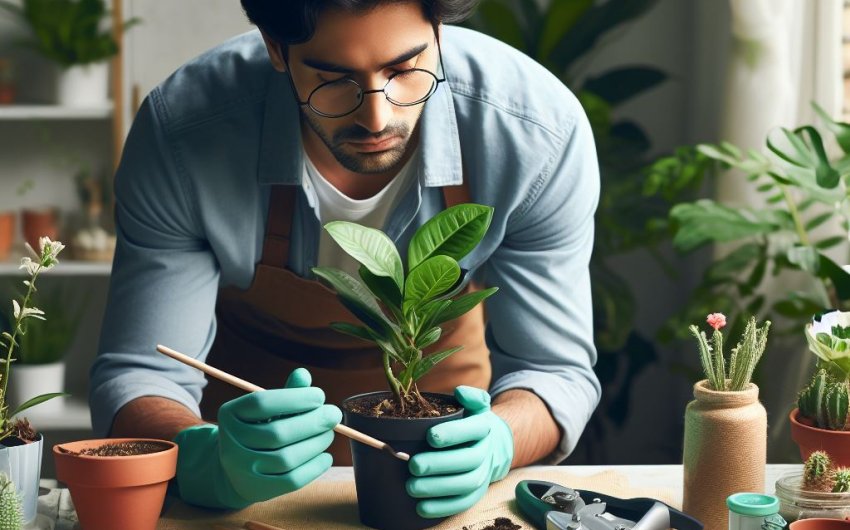
To successfully begin reviving wilting houseplants, the first step is to accurately identify the underlying cause of the wilting, which is often a common plant problem related to improper watering, light, or temperature. By systematically troubleshooting common plant problems, you can quickly implement the right corrective actions and bring your stressed plant back to health.
Why Do Houseplants Wilt? Understanding the Basics
Houseplants wilt primarily due to a lack of turgor pressure within their plant cells, meaning they're losing more water than they can absorb, causing their cells to lose rigidity. Understanding the basic mechanisms of water movement in plants is the first step in reviving wilting houseplants.
What is Turgor Pressure and How Does it Relate to Wilting?
Turgor pressure is the internal pressure exerted by water inside plant cells against their cell walls, giving plants their rigidity and upright structure. It's fundamentally related to wilting because a loss of this pressure causes the plant's cells to become flaccid, leading to drooping or wilting leaves and stems.
- How it Works: Plants absorb water through their roots, which then moves up through the stems to the leaves. This water fills the central vacuole within each plant cell, pushing outward against the cell wall. This outward pressure is turgor pressure.
- Healthy Plants: In a healthy, well-hydrated plant, turgor pressure is high, keeping the leaves and stems firm and upright.
- Wilting: When a plant loses more water through transpiration (evaporation from leaves) than it can absorb from the soil, its cells begin to lose water. The central vacuole shrinks, reducing turgor pressure. Without this internal support, the plant's tissues become limp and droop, resulting in wilting.
- The Goal of Revival: The entire goal of reviving wilting houseplants is to restore the plant's ability to absorb and retain enough water to rebuild turgor pressure in its cells.
Understanding turgor pressure is key to diagnosing the true cause of wilting, as it's a symptom, not the root problem itself.
How Do Water Uptake and Transpiration Affect Wilting?
Water uptake through the roots and water loss through transpiration (evaporation from leaves) are the two primary processes that directly affect wilting, dictating the plant's overall hydration status. An imbalance between these two leads to drooping.
- Water Uptake (from Roots):
- Plants absorb water from the soil through their root system.
- Factors that hinder uptake: Dry soil (underwatering), damaged roots (root rot), compacted soil, or overly cold soil.
- Transpiration (Water Loss from Leaves):
- Plants release water vapor through tiny pores on their leaves called stomata. This process creates a "pull" that draws water up from the roots.
- Factors that increase transpiration: Low humidity, high temperatures, strong air currents, or excessive sunlight.
- The Wilting Imbalance: Wilting occurs when the rate of transpiration exceeds the rate of water uptake. The plant is losing water faster than it can replace it.
- The Goal of Troubleshooting: When troubleshooting common plant problems like wilting, you're essentially trying to find out why this imbalance is happening and how to fix it, either by improving water uptake or reducing water loss.
By optimizing these two processes, you can restore a wilting houseplant's hydration and rigidity.
What Are the Most Common Causes of Wilting?
The most common causes of wilting in houseplants are almost always related to watering issues, extreme environmental conditions, or underlying problems with the plant's root system. Identifying the specific cause is crucial for effective reviving wilting houseplants.
Is Underwatering the Most Frequent Cause of Wilting?
Yes, underwatering is by far the most frequent cause of wilting in houseplants. It's a classic and often easily fixable plant problem where the plant simply doesn't have enough moisture to maintain turgor pressure.
- Symptoms:
- Droopy but Dry: Leaves and stems will be limp and often feel dry or crispy to the touch.
- Dry Soil: The potting mix will be visibly dry, sometimes pulling away from the sides of the pot.
- Light Pot: The pot will feel very light when lifted.
- Recovery: Plants typically perk up quickly after being thoroughly watered.
- How it Happens:
- Forgotten Watering: Simply forgetting to water for too long.
- Insufficient Watering: Not watering deeply enough, so water doesn't reach all the roots.
- Fast-Draining Soil/Pot: The plant is in a very fast-draining potting mix or a terracotta pot that dries out quickly.
- Root-Bound: The plant has so many roots that there's little soil to hold water.
- Environmental Factors: High temperatures, low humidity, or strong airflow increase water demand.
- Solution: Thoroughly water the plant until water drains freely from the bottom. Discard any excess in the saucer. For severely dry soil, bottom-watering (placing the pot in a tray of water for 30 minutes) can be effective. A soil moisture meter can help monitor soil going forward.
Underwatering is a straightforward problem to diagnose and correct for reviving wilting houseplants.
Can Overwatering Also Cause Wilting?
Yes, paradoxically, overwatering can also cause wilting in houseplants, and it's a much more serious and often trickier common plant problem than underwatering. Overwatering leads to root damage, which prevents the plant from absorbing water.
- Symptoms:
- Droopy but Wet: Leaves and stems are limp, but the soil is visibly soggy or very wet.
- Yellowing/Mushy Leaves: Leaves may also start to turn yellow and feel soft or mushy. Stems might feel soft near the soil line.
- Foul Odor: The soil may have a foul, rotten smell, indicating root rot.
- Slow Recovery: The plant does not perk up after watering (because it's already overwatered).
- How it Happens:
- Constant Wet Soil: Keeping the soil perpetually wet suffocates the roots, as they need oxygen.
- Root Rot: Lack of oxygen creates an anaerobic environment where harmful fungi and bacteria thrive, causing the roots to rot and die.
- Inability to Absorb Water: Rotting roots cannot effectively absorb water or nutrients, even though the soil is wet, leading to wilting symptoms.
- Solution: This requires immediate action. Stop watering. Remove the plant from its pot and inspect the roots. Trim away any mushy, black, or smelly roots with clean pruning shears. Repot into fresh, well-draining potting mix. Adjust your watering habits to allow the soil to dry out between waterings.
Overwatering-induced wilting is more complex to fix but essential to address promptly when troubleshooting common plant problems.
How Do Extreme Temperatures or Drafts Cause Wilting?
Extreme temperatures or sudden drafts can cause wilting in houseplants by stressing the plant's delicate vascular system and affecting its ability to manage water loss. Plants are sensitive to environmental shifts.
- The Problem: Cold Stress/Drafts:
- Symptoms: Leaves may droop, turn yellow, blacken, or become mushy.
- How it Happens: Cold temperatures slow down plant metabolism, including water uptake by roots. Cold air can also damage cell membranes. A sudden cold draft (e.g., from an open window in winter) can shock the plant.
- The Problem: Heat Stress/Direct Intense Sun:
- Symptoms: Leaves may droop, wilt, or even scorch (brown, crispy patches).
- How it Happens: High temperatures and intense, direct sunlight increase the rate of transpiration dramatically. The plant loses water faster than its roots can supply it, leading to wilting as a protective mechanism (to reduce leaf surface area exposed to sun).
- Solution:
- Cold: Move the plant away from cold windows, doors, or vents. Ensure indoor temperatures are consistent and within the plant's preferred range.
- Heat/Sun: Move the plant to a location with bright, indirect light or away from intense direct afternoon sun. Increase humidity around the plant. Water if the soil is dry (but don't overwater).
Protecting plants from environmental extremes is a key part of preventing wilting and reviving wilting houseplants.
Can Root Problems (Other Than Rot) Cause Wilting?
Yes, root problems other than rot can certainly cause wilting, as anything that impairs the root system's ability to absorb water and nutrients will lead to plant distress. Addressing these underlying issues is critical for troubleshooting common plant problems.
- The Problem: Root-Bound:
- Symptoms: Plant looks otherwise healthy but wilts very quickly between waterings; roots are visible coming out of drainage holes or circling tightly when unpotted.
- How it Happens: The pot is too small, and the roots have filled all the available space, leaving little soil to hold moisture or nutrients.
- Solution: Repot into a slightly larger pot with fresh, well-draining potting mix for houseplants. Gently loosen circling roots before repotting.
- The Problem: Physical Root Damage:
- Symptoms: Sudden wilting after repotting, or if the pot was dropped or severely bumped.
- How it Happens: Roots can be broken, torn, or crushed during handling, inhibiting their ability to function.
- Solution: Minimize disturbance to roots during repotting. For damaged plants, keep in a stable, humid environment (e.g., covered with a clear plastic bag) to reduce transpiration while roots recover.
- The Problem: Soil Compaction:
- Symptoms: Water drains poorly or sits on the surface; plant looks stressed.
- How it Happens: Potting mix can break down over time and become dense and compacted, suffocating roots and hindering water absorption.
- Solution: Repot into fresh, aerated potting mix. Ensure your potting mix contains perlite or vermiculite for drainage.
Healthy roots are foundational to plant hydration, so any root problem can manifest as wilting.
How Do You Effectively Revive a Wilting Houseplant?
To effectively revive a wilting houseplant, a systematic approach is needed, starting with accurate diagnosis and following up with the appropriate immediate and long-term care adjustments. Speed and the right actions are crucial for success.
Step-by-Step Guide to Diagnosing the Cause of Wilting
Here's a step-by-step guide to diagnosing the cause of wilting, helping you systematically identify the underlying problem so you can implement the correct revival strategy.
- Check Soil Moisture (First and Most Important!):
- Feel the soil: Stick your finger 1-2 inches deep. Use a soil moisture meter for precision.
- Dry and Light Pot: Likely underwatering. Proceed to water.
- Soggy and Heavy Pot: Likely overwatering/root rot. Proceed to inspect roots.
- Inspect for Pests:
- Examine Leaves: Look closely at the top and undersides of leaves, stems, and leaf axils for any signs of common houseplant pests (e.g., webbing from spider mites, cottony masses from mealybugs, tiny insects).
- Solution: If pests are present, treat with appropriate natural methods.
- Assess Environmental Conditions:
- Light: Has the plant recently been moved to intense direct sun, or is it in a very dark spot? Has light changed seasonally?
- Temperature: Is the plant near a cold window, hot vent, or subject to drafts?
- Humidity: Is the air very dry, especially for a humidity-loving plant?
- Solution: Adjust light, temperature, or humidity as needed.
- Inspect Roots (If Overwatering Suspected):
- Gently remove the plant from its pot.
- Look for mushy, black, smelly roots (root rot). Trim them away.
- Look for roots circling tightly around the pot (root-bound).
- Solution: Repot with fresh soil after root pruning, or into a larger pot.
- Consider Recent Changes:
- Has the plant been recently repotted, fertilized, or moved? Any of these can cause temporary stress.
By systematically going through these steps, you can pinpoint the actual common plant problem causing the wilting.
How Do You Treat Underwatering to Revive a Plant?
Treating underwatering to revive a plant is usually a straightforward and successful process, as plants often bounce back quickly once rehydrated. Speed is key, but don't overcompensate.
Steps to treat underwatering:
- Water Thoroughly:
- Top Watering: Pour water slowly onto the soil surface until it drains freely from the bottom of the pot. Ensure the entire root ball is saturated.
- Bottom Watering (for severely dry soil): Place the potted plant in a sink or tub filled with 2-4 inches of water. Let it soak for 30 minutes to an hour (or until the topsoil feels damp), allowing the plant to absorb water from the bottom up.
- Drain Excess: After watering, ensure all excess water drains from the pot. Do not let the plant sit in standing water.
- Increase Humidity (Optional but Helpful): If the air is very dry, mist the plant lightly or place it on a pebble tray to reduce immediate transpiration stress while it rehydrates.
- Monitor for Recovery: Most underwatered plants will start to perk up within a few hours to 24 hours. Be patient.
- Adjust Watering Routine: Going forward, establish a consistent watering routine based on checking soil moisture regularly. Use a soil moisture meter as a guide.
Underwatering is one of the easiest common plant problems to fix, making reviving wilting houseplants a satisfying experience.
How Do You Treat Overwatering and Root Rot?
Treating overwatering and root rot is more challenging but often possible if caught early, requiring immediate and decisive action to save the plant. This is one of the most serious common plant problems.
Steps to treat overwatering and root rot:
- Stop Watering Immediately: Do not add any more water.
- Remove from Pot: Carefully remove the plant from its pot.
- Inspect and Prune Roots: Gently shake off as much old, soggy potting mix as possible. Inspect the roots:
- Healthy Roots: White or tan, firm.
- Rotten Roots: Black, brown, mushy, slimy, and often smell foul.
- Use clean, sharp pruning shears to cut away all rotten, damaged roots. Cut back to healthy tissue.
- Repot with Fresh Soil:
- Sterilize Pot: If using the same pot, wash it thoroughly with soap and water and sterilize it with a weak bleach solution (1 part bleach to 9 parts water), then rinse well.
- Fresh Potting Mix: Repot into completely fresh, well-draining potting mix for houseplants. Do not use any of the old, soggy soil.
- Appropriate Pot Size: Ensure the new pot is only slightly larger than the remaining healthy root ball.
- Reduce Foliage (Optional but Recommended): Prune back some of the top foliage (about 1/3) to reduce the plant's water demand while its compromised root system recovers.
- Avoid Immediate Watering: Wait a few days after repotting before watering lightly. Allow the roots to heal.
- Adjust Watering Habits: This is crucial for prevention. Allow the top 1-2 inches of soil to dry out between waterings. Use a soil moisture meter consistently.
Treating root rot requires decisive action and a commitment to better watering practices going forward.
What Are Long-Term Strategies to Prevent Wilting?
Beyond immediate crisis management, implementing long-term strategies to prevent wilting is key for fostering robust, resilient houseplants. These proactive measures create a stable and optimal environment for healthy growth, reducing the likelihood of common plant problems.
How Do You Provide Consistent Optimal Conditions?
Providing consistent optimal conditions for your houseplants is the most effective long-term strategy to prevent wilting, ensuring plants thrive without being subjected to stressful fluctuations. Stability is paramount for plant health.
- Stable Light: Once you find the ideal light spot for a plant, try to keep it there. Avoid moving plants frequently between vastly different light levels. Supplement with grow lights if natural light is insufficient.
- Stable Temperature:
- Maintain consistent room temperatures within the plant's preferred range (typically 65-75°F / 18-24°C).
- Avoid placing plants near cold windows in winter, hot/cold air vents, or outside doors where they will experience drafts.
- Consistent Humidity:
- For tropical plants, maintain moderate to high humidity (e.g., 50-70%) using pebble trays, grouping plants, or a room humidifier.
- Ensure good air circulation to prevent fungal issues in high humidity.
- Regular Watering Schedule (Based on Monitoring): Instead of arbitrary watering, check your soil moisture regularly (daily or every few days) with a soil moisture meter and water when the plant needs it, but consistently follow this monitoring schedule.
- Avoid Drastic Changes: Introduce any changes (e.g., moving outdoors for summer) gradually to allow the plant to acclimate.
A consistent, stable environment reduces plant stress, leading to robust and wilt-resistant houseplants.
What is the Importance of Proper Repotting and Soil Management?
The importance of proper repotting and soil management cannot be overstated for preventing wilting and ensuring long-term plant health. A healthy root system in a supportive medium is the foundation for a thriving, hydrated plant.
- Repot When Root-Bound:
- Problem: A severely root-bound plant (roots circling tightly) has little soil to hold water or nutrients, causing it to wilt quickly between waterings.
- Solution: Repot into a slightly larger pot (one size up) with fresh, well-draining potting mix for houseplants every 1-3 years (depending on plant growth).
- Use High-Quality, Well-Draining Potting Mix:
- Problem: Dense, heavy potting mix (like garden soil) or old, compacted soil suffocates roots and causes waterlogging.
- Solution: Always use a specialized potting mix that provides good aeration and drainage. Amend with perlite or orchid bark if needed for specific plants.
- Ensure Adequate Drainage Holes:
- Problem: Pots without drainage holes trap water, leading to root rot.
- Solution: Always use pots with drainage holes, and ensure they are not blocked. Use a drip tray to catch excess water.
- Refresh Soil Periodically: Even if not root-bound, potting mix can break down over time, losing structure and nutrients. Repotting with fresh soil every few years revitalizes the growing medium.
- Flushing Soil: Periodically flush the soil with ample water to remove excess mineral salts that can build up from fertilizer or tap water, which can cause root damage.
Healthy soil and happy roots are the best defense against wilting, highlighting the critical role of proper management in troubleshooting common plant problems.
How Do You Maintain Overall Plant Vigor and Health?
Maintaining overall plant vigor and health is a comprehensive long-term strategy that makes plants naturally more resistant to wilting and other common problems. A strong, thriving plant can better withstand stresses.
- Balanced Nutrition:
- Problem: Both under- and over-fertilization can stress plants. Under-fertilization weakens them; over-fertilization can burn roots and lead to leggy, vulnerable growth.
- Solution: Fertilize only during the active growing season (spring/summer) with a balanced liquid houseplant fertilizer diluted to half strength.
- Regular Pruning:
- Problem: Dead or diseased leaves, or overcrowded foliage, can harbor pests and drain plant energy.
- Solution: Regularly prune away dead, yellowing, or diseased leaves and stems. Prune to shape the plant and encourage good air circulation. Use clean, sharp pruning shears.
- Pest and Disease Management:
- Problem: Untreated pest infestations or diseases weaken plants, making them more susceptible to wilting and other issues.
- Solution: Inspect plants regularly for pests. Treat immediately with natural methods like insecticidal soap or neem oil.
- Cleanliness:
- Problem: Dusty leaves reduce photosynthesis.
- Solution: Wipe down leaves regularly to ensure efficient light absorption and allow for early pest detection.
- Air Circulation:
- Problem: Stagnant air encourages pests (spider mites) and fungal diseases.
- Solution: Ensure good airflow around plants by spacing them out or using a small fan.
By focusing on these holistic care practices, you cultivate robust and resilient plants that are naturally more resistant to wilting, making reviving wilting houseplants a less frequent necessity.