
How to Propagate Houseplants: A Step-by-Step Guide for Beginners
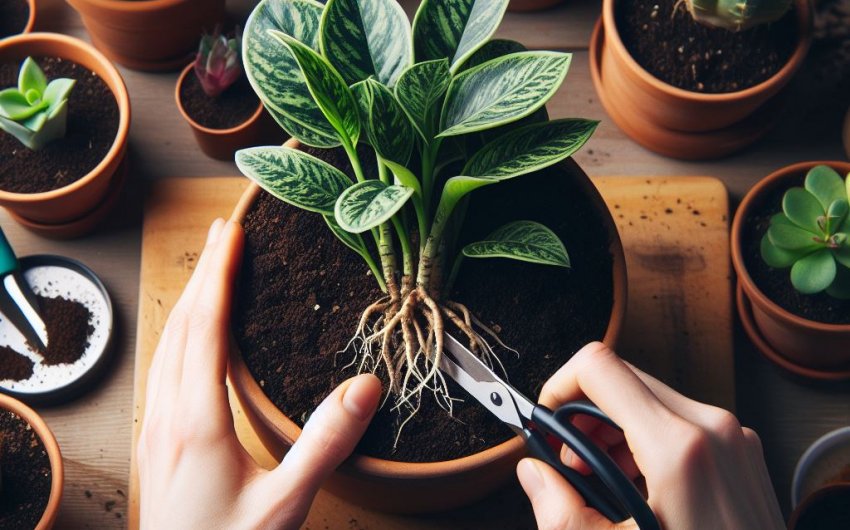
To propagate houseplants, beginners can easily use methods like stem cuttings in water or soil, leaf cuttings, or division, depending on the plant type. The general process involves taking healthy plant material, providing appropriate moisture and warmth, and allowing roots to develop before potting up new, independent plants.
Why is houseplant propagation a rewarding skill for beginners?
Houseplant propagation is a surprisingly easy and incredibly rewarding skill that every beginner indoor gardener can master. It's the magical process of creating brand new plants from existing ones, transforming a single cherished houseplant into many without ever having to buy new specimens. Beyond the thrill of multiplying your greenery, propagation offers numerous practical benefits that elevate your gardening journey.
What are the compelling benefits of propagating your houseplants?
Propagation is more than just a fun experiment; it's a valuable practice with many advantages.
- Free Plants! This is perhaps the most obvious benefit. You can easily expand your plant collection, fill empty pots, or share with friends without spending a dime on new plants.
- Rejuvenate Leggy Plants: Many trailing houseplants (like Pothos or Philodendron) can become long and leggy over time. Taking cuttings allows you to prune them back, making the parent plant bushier, while giving you new, compact starts.
- Save a Dying Plant: If your beloved houseplant is struggling with root rot, a severe pest infestation, or other issues, taking healthy cuttings can be a lifeline, ensuring its genetics live on even if the mother plant doesn't survive.
- Share the Greenery: Propagated plants make wonderful, heartfelt gifts for friends, family, or neighbors, spreading the joy of gardening.
- Learn and Connect with Your Plants: The process of propagation provides a deeper understanding of plant physiology, growth cycles, and resilience, fostering a stronger connection to your green companions.
- Customization: You can create specific arrangements or fill multiple small pots with your favorite varieties.
- Space-Saving: For small living spaces, propagation allows you to keep your favorite plants but manage their size through pruning, while also starting fresh, compact versions.
- Sustainability: Reduces reliance on commercially grown plants, promoting a more sustainable and self-sufficient approach to gardening.
What are the easiest houseplants to propagate for beginners?
Many popular houseplants are incredibly forgiving and easy to propagate, making them perfect for first-timers.
- Pothos (Epipremnum aureum): Roots readily from stem cuttings in water or soil.
- Philodendron (Heartleaf Philodendron - P. hederaceum): Very similar to Pothos, roots easily from stem cuttings.
- Spider Plant (Chlorophytum comosum): Produces "spiderettes" (plantlets) that are simple to root in water or soil.
- Snake Plant (Sansevieria trifasciata): Can be propagated from leaf cuttings, though it takes longer.
- ZZ Plant (Zamioculcas zamiifolia): Can be propagated from stem or leaf cuttings, but takes a long time.
- Jade Plant (Crassula ovata): Roots easily from stem or leaf cuttings.
- Coleus (Plectranthus scutellarioides): Roots very quickly from stem cuttings in water.
- Tradescantia spp. (Wandering Jew/Dude): Roots extremely fast from stem cuttings in water or soil.
- Fittonia (Fittonia albivenis - Nerve Plant): Roots readily from stem cuttings.
- *African Violet (Saintpaulia spp.):* Propagates easily from leaf cuttings.
These plants are excellent starting points for beginners, almost guaranteeing success and building confidence for more advanced propagation techniques.
What do I need to start propagating houseplants?
Before diving into the exciting world of houseplant propagation, gathering your basic supplies is essential. Having the right tools and materials ready will make the process smooth, clean, and greatly increase your chances of success. You don't need fancy equipment to get started.
What are the essential tools for taking cuttings?
Clean, sharp tools are critical for healthy cuts and preventing disease.
- Sharp Scissors or Pruning Shears:
- DO: Use clean, sharp scissors or bypass pruning shears specifically for plants.
- Why: Clean cuts heal faster and are less prone to infection. Dull tools crush stems.
- DON'T: Use dull kitchen scissors that might bruise the plant.
- Rubbing Alcohol or Bleach Solution:
- DO: Sanitize your cutting tools with rubbing alcohol or a 10% bleach solution (1 part bleach to 9 parts water) before and after each use, especially between different plants.
- Why: Prevents the spread of diseases from one plant to another.
What rooting mediums can I use?
The choice of rooting medium depends on the plant and your preference.
- Water:
- Materials: Small glass jars, vases, or bottles.
- Pros: Easy, allows you to watch roots grow, often preferred by beginners.
- Cons: Roots can sometimes struggle to adapt to soil after water rooting. Not all plants root well in water.
- Potting Mix (or Seed-Starting Mix):
- Materials: Small pots (2-4 inch diameter), propagation trays, or repurposed containers (e.g., yogurt cups with drainage holes). Well-draining potting mix.
- Pros: Cuttings adapt more easily to soil, often develop stronger roots.
- Cons: Can be harder to monitor root growth. Risk of rot if soil is too wet.
- Perlite/Vermiculite/Sphagnum Moss:
- Materials: Small pots, perlite, vermiculite, or long-fiber sphagnum moss.
- Pros: Excellent drainage and aeration, reduces rot risk, especially for sensitive cuttings.
- Cons: Less nutrient-rich, requires eventual potting into potting mix.
- Rooting Hormone (Optional but Recommended):
- Materials: Powder or liquid rooting hormone. A good option is Garden Safe Rooting Hormone.
- Pros: Contains auxins that stimulate root development, increasing success rates and speed.
- Cons: Not strictly necessary for easy-to-root plants.
What environmental factors do I need to control?
- Light:
- DO: Provide bright, indirect light for cuttings, regardless of rooting method.
- DON'T: Place in direct, intense sun (can scorch) or deep shade (slows rooting).
- Warmth:
- DO: Most cuttings root faster in warm conditions, typically 70-75°F (21-24°C).
- DO: A seedling heat mat can significantly speed up rooting, especially for soil propagation.
- Humidity:
- DO: High humidity helps prevent cuttings from drying out while they are forming roots.
- Technique: Cover soil-rooted cuttings with a clear plastic bag or dome (ventilate daily), or place water-rooted cuttings in a somewhat humid environment.
Other helpful items:
- Small Spray Bottle/Mister: For gently moistening soil or misting cuttings.
- Labels: Essential for keeping track of plant varieties and propagation dates.
- Small Hand Trowel/Chopstick: For creating holes in soil and gently potting up.
By gathering these basic supplies and understanding the key environmental factors, beginners can confidently embark on the rewarding journey of propagating their houseplants.
How do I propagate houseplants using stem cuttings?
Stem cuttings are the most common and often the easiest method for propagating many popular houseplants, including Pothos, Philodendron, and many herbs. This technique involves taking a section of a healthy stem and encouraging it to grow new roots, creating a genetic clone of the parent plant.
Step-by-step guide to taking a stem cutting.
Making the right cut is crucial for successful rooting.
- Choose a Healthy Parent Plant:
- DO: Select a healthy, vigorous, disease-free stem from your mother plant. Avoid stems that are weak, yellowing, or have signs of pests.
- Timing: The best time to take cuttings is during the plant's active growing season (typically spring or summer).
- Sanitize Your Tools:
- DO: Use clean, sharp scissors or bypass pruning shears. Sanitize them with rubbing alcohol or a 10% bleach solution (1 part bleach to 9 parts water) before and after each cut.
- Why: Prevents the spread of diseases.
- Locate a Node:
- DO: Identify a node on the stem. A node is the slightly swollen bump or joint where a leaf or side shoot emerges from the main stem. This is where roots will form.
- Make the Cut:
- DO: Cut a stem section that is typically 4-6 inches long.
- DO: Make a clean cut just below a node.
- Why: The node contains the dormant cells that will activate to produce roots. Cutting just below it encourages root formation quickly.
- Remove Lower Leaves:
- DO: Remove any leaves from the bottom 1-2 inches of the cutting.
- Why: This exposes the nodes for rooting and prevents leaves from rotting if submerged in water or buried in soil.
- Allow to Callus (for some plants):
- DO (for succulents/some woody plants): For plants like Jade or ZZ Plant, allow the cut end of the stem to air dry and form a callus for a few hours to a few days. This helps prevent rot.
- DON'T (for Pothos/Philodendron): This step is usually unnecessary for most vining tropicals that root readily in water.
- Optional: Apply Rooting Hormone:
- DO: Dip the cut end of the stem into rooting hormone powder or liquid. Tap off any excess.
- Why: Contains auxins that stimulate root development, increasing success rates and speed, especially for plants that are harder to root.
Step-by-step guide to rooting stem cuttings in water.
This is a favorite for beginners, as you can watch the roots grow!
- Choose a Container:
- DO: Select a small glass jar, vase, or bottle that can hold the cutting upright with the nodes submerged.
- Add Water:
- DO: Fill the container with clean, room-temperature water (rainwater, distilled, or filtered tap water is best for sensitive plants).
- DO: Ensure that only the bare stem with nodes is submerged, and no leaves are sitting in the water.
- Provide Light and Fresh Water:
- DO: Place the container in a spot with bright, indirect light.
- DO: Change the water every few days to a week to keep it fresh and prevent bacterial/algal growth.
- Patience for Roots:
- DO: Roots will typically start to appear within 1-4 weeks, depending on the plant species.
- Plant in Soil:
- DO: Once roots are 1-2 inches long, plant the cutting(s) into a small pot filled with well-draining potting mix.
- DO: Water thoroughly after potting.
- Why: Roots grown in water are delicate and need to acclimate to soil.
Step-by-step guide to rooting stem cuttings in soil.
Rooting directly in soil can lead to stronger roots and less transplant shock.
- Prepare Potting Medium:
- DO: Fill small pots (2-4 inch diameter) or a propagation tray with a light, well-draining, sterile potting mix (e.g., equal parts potting mix and perlite, or seed-starting mix).
- DO: Moisten the mix thoroughly.
- Plant Cuttings:
- DO: Use a pencil or chopstick to make a small hole in the soil.
- DO: Insert the prepared, callused (if applicable) end of the cutting about 1-2 inches deep. Gently firm soil around the base.
- DON'T: Plant too deep.
- Provide Humidity and Light:
- DO: Place the pot in a spot with bright, indirect light.
- DO: To increase humidity, cover the pot with a clear plastic bag or dome (ensure leaves don't touch plastic). Vent daily for fresh air.
- Why: High humidity helps prevent cuttings from drying out before roots form.
- Maintain Moisture:
- DO: Keep the soil consistently moist but not soggy. Mist the surface if needed.
- DON'T: Overwater, which can cause rot.
- Patience for Roots:
- DO: Roots typically form in 2-6 weeks. You can gently tug on the cutting; if there's resistance, it has rooted.
- Acclimation:
- DO: Once rooted, gradually remove the plastic cover (if used) over a week.
By diligently following these steps, you can successfully propagate a wide range of houseplants using stem cuttings, expanding your green collection with ease.
How do I propagate houseplants using leaf cuttings?
Leaf cuttings are a fascinating method of propagation, where an entire new plant (roots and shoots) can grow from a single leaf or leaf segment. This technique is particularly effective for certain plants, like African Violets and Snake Plants, where a leaf contains enough genetic material to regenerate a whole new individual.
Step-by-step guide to taking a leaf cutting.
The type of leaf cutting depends on the plant species.
- Choose a Healthy Parent Plant:
- DO: Select a healthy, mature, disease-free leaf.
- Timing: Best done during the plant's active growing season (spring or summer).
- Sanitize Your Tools:
- DO: Use clean, sharp scissors or a knife. Sanitize them before and after each cut.
- Types of Leaf Cuttings:
- Whole Leaf (e.g., African Violet, Peperomia):
- DO: Cut a healthy leaf, leaving about 1-2 inches of petiole (leaf stem) attached.
- Leaf Sections (e.g., Snake Plant - Sansevieria):
- DO: Cut a long leaf into 2-4 inch segments.
- CRITICAL: Make a note of which end was the "bottom" (closest to the plant's base) for each segment. Roots will only grow from the original bottom end. You can cut the bottom end at a slight angle to easily remember.
- DON'T: Take a leaf that is too old, too young, or shows any signs of damage.
- Whole Leaf (e.g., African Violet, Peperomia):
- Allow to Callus (for succulents/thick-leaved plants):
- DO: For Snake Plants, Jade Plants, and most succulents, allow the cut end of the leaf or leaf segment to air dry and form a callus for 3-7 days in a dry, shaded spot.
- Why: This helps prevent rot when you plant it.
- DON'T: Usually necessary for African Violets.
Step-by-step guide to rooting leaf cuttings in soil/medium.
Leaf cuttings are almost always rooted directly in a growing medium.
- Prepare Potting Medium:
- DO: Fill small pots or a propagation tray with a light, well-draining, sterile seed-starting mix, perlite, or a mix of peat moss and perlite. For Snake Plants, a sandier succulent mix is good.
- DO: Moisten the mix thoroughly with water until damp.
- Plant Cuttings:
- Whole Leaf (African Violet):
- DO: Insert the petiole (leaf stem) into the soil mix about 1/2 to 1 inch deep. The leaf blade should rest just on the surface or above it.
- DO: You can also cut large leaves in half and insert the main vein into the soil.
- Leaf Sections (Snake Plant):
- DO: Insert the callused "bottom" end of each leaf segment about 1/2 to 1 inch deep into the soil.
- Why: Roots will only grow from the correct end.
- Succulent Leaves (Jade, Echeveria):
- DO: Simply lay the callused leaf directly on top of the moist soil or insert the very tip of the callused end into the soil. Roots and a new "pup" (baby plant) will emerge from the base.
- DON'T: Bury the leaf blade itself unless it's a specific technique (e.g., some begonia types).
- Whole Leaf (African Violet):
- Provide Humidity and Warmth:
- DO: Place the pot in a spot with bright, indirect light.
- DO: Cover the pot with a clear plastic bag or dome to create high humidity. Vent daily for fresh air.
- DO: A seedling heat mat can speed up rooting.
- Maintain Moisture:
- DO: Keep the soil consistently moist but not soggy. Mist the surface if it starts to dry out.
- DON'T: Overwater.
- Patience for Roots and Pups:
- DO: This is a slower process than stem cuttings. Roots can take 4-8 weeks, and a new "pup" (baby plant) forming at the base of the leaf can take weeks to several months.
- Why: The leaf must first develop roots, then generate a whole new shoot.
- Separate and Pot Up:
- DO: Once the pup is a decent size and the original mother leaf starts to shrivel, you can gently separate the new plant and pot it into its own small container.
- DON'T: Separate too early, as the pup is still drawing energy from the mother leaf.
By diligently following these steps, you can successfully propagate various houseplants using leaf cuttings, creating new plants from a single leaf and experiencing the magic of plant regeneration.
How do I propagate houseplants using division and plantlets?
Division and plantlets (or pups) offer incredibly straightforward methods for propagating certain types of houseplants. These techniques are often faster than cuttings, as you're starting with a more established section of a plant, resulting in instant gratification for beginner propagators.
Step-by-step guide to dividing houseplants.
Division is ideal for plants that grow in clumps or have multiple stems emerging from the soil.
- Choose a Healthy Parent Plant:
- DO: Select a mature, healthy, and vigorous plant that has multiple stems or crowns growing close together (e.g., Peace Lily, Ferns, Snake Plant, ZZ Plant, Prayer Plant, Spathiphyllum).
- Timing: The best time for division is during the plant's active growing season (typically spring or early summer), when it can recover quickly.
- Prepare Tools and Materials:
- DO: Use a clean, sharp knife or spade (for larger plants) or strong hands. Sanitize tools.
- DO: Have prepared pots (one size larger than the new division) filled with fresh, well-draining potting mix.
- Remove Plant from Pot:
- DO: Gently remove the entire plant from its existing pot.
- Examine Roots:
- DO: Gently shake off excess soil to expose the root ball.
- DO: Identify natural divisions or separate clumps of stems and roots.
- Divide the Plant:
- DO: Gently pull the clumps apart with your hands. For very dense or tough root balls, use a clean, sharp knife or spade to cut through the root ball, ensuring each new division has a healthy section of roots and several stems/leaves.
- DON'T: Take too small a division that lacks a robust root system.
- DON'T: Sever roots haphazardly.
- Pot Up Divisions:
- DO: Plant each new division into its own prepared pot, ensuring it's planted at the same depth as the original plant.
- DO: Fill with fresh potting mix and gently firm the soil around the roots.
- Water Thoroughly:
- DO: Water each newly potted division thoroughly until water drains from the bottom.
- Post-Division Care:
- DO: Place new divisions in a spot with bright, indirect light and slightly higher humidity for a few weeks to help them recover from transplant shock. Avoid direct sun.
- DON'T: Fertilize immediately. Wait a few weeks for them to settle.
Step-by-step guide to propagating plantlets (pups).
Plantlets, or "pups," are miniature baby plants that develop directly on the parent plant, making them incredibly easy to root. Spider Plants are the classic example.
- Choose Healthy Plantlets:
- DO: Look for mature "spiderettes" (plantlets) dangling from the parent Spider Plant. They should have already formed tiny roots or root nubs at their base.
- Timing: Can be done any time the parent plant is actively producing plantlets.
- Separate from Parent:
- DO: Snip the "runner" (the stem connecting the plantlet to the mother plant) with clean scissors, cutting it as close to the plantlet as possible.
- Rooting Method Options:
- Rooting in Water (Easy and Popular):
- DO: Place the plantlet in a small glass of water, ensuring the base with roots/nubs is submerged, but the foliage is above the waterline.
- DO: Roots will rapidly develop in 1-2 weeks.
- Rooting in Soil (Also Easy):
- DO: Plant the base of the plantlet directly into a small pot filled with moist, well-draining potting mix. Gently firm the soil around it.
- Why: Plantlets often root quickly in soil and can experience less transplant shock.
- Rooting While Attached ("Air Layering" for Pups):
- DO: Sometimes, you can place the plantlet's base directly onto a small pot of moist soil while it's still attached to the mother plant. Once rooted, sever the runner.
- Rooting in Water (Easy and Popular):
- Provide Light and Care:
- DO: Place newly potted or water-rooted plantlets in a spot with bright, indirect light.
- DO: Keep soil consistently moist for soil-rooted plantlets. Change water regularly for water-rooted.
- DON'T: Fertilize immediately.
- Acclimation:
- DO: Once established, treat them as new, independent Spider Plants.
By using these straightforward methods of division and plantlet propagation, even beginner gardeners can easily multiply their houseplant collection, creating new, vibrant plants from existing favorites with minimal effort.
How do I care for my newly propagated houseplants?
Successfully propagating a houseplant is a huge step, but the journey doesn't end there. Nurturing your newly rooted cuttings, divisions, or plantlets through their fragile establishment phase is crucial for ensuring they develop into strong, healthy, independent plants. Proper aftercare makes all the difference.
1. Provide optimal light and temperature.
The right environment helps new roots establish and growth begin.
- Bright, Indirect Light:
- DO: Place newly potted cuttings, divisions, or plantlets in a spot with bright, indirect light. A few feet from a bright window (east or west-facing, or south-facing with a sheer curtain) is often ideal.
- Why: Sufficient light provides energy for growth but is gentle enough not to scorch delicate new roots or foliage.
- DON'T: Place in direct, intense sunlight, which can burn stressed plants.
- DON'T: Place in deep shade, which will slow growth and potentially lead to rot.
- Consistent Warmth:
- DO: Maintain consistent room temperatures, ideally 65-75°F (18-24°C).
- Why: Warmth encourages active root and shoot development.
- DON'T: Expose to cold drafts or sudden temperature fluctuations.
2. Water carefully and consistently.
This is the most critical aspect of aftercare, preventing both rot and dehydration.
- "Soak and Dry" Method, Adapted:
- DO: For newly potted cuttings/divisions, water thoroughly after potting. Then, allow the top 1-2 inches of soil to dry out (or a bit more for some, like succulents) before watering again.
- Why: Consistent moisture is needed for root establishment, but soggy soil leads to root rot.
- DON'T: Overwater, which is the biggest threat to new plants.
- DO: Use a soil moisture meter for accuracy, especially if you're unsure.
- Maintain Humidity (if needed):
- DO: If you used a plastic dome or bag for rooting, gradually remove it over a week or two, allowing the new plant to acclimate to ambient humidity.
- DO: For humidity-loving plants, continue to provide some humidity (pebble tray, misting, grouping plants).
3. Fertilize cautiously and minimally.
New plants have very sensitive roots.
- Delay Fertilization:
- DO: For the first 4-6 weeks after potting up cuttings or dividing, do not fertilize.
- Why: New roots are delicate and easily burned by concentrated fertilizer salts. The fresh potting mix should contain enough nutrients for this initial phase.
- Very Diluted Feed (Once Established):
- DO: Once the new plant is showing active growth (new leaves appearing) and has been established for a month or so, you can begin a very light fertilization regimen.
- DO: Use a balanced liquid houseplant fertilizer diluted to 1/4 or 1/2 strength.
- Frequency: Apply once every 4-6 weeks during the active growing season.
- DON'T: Over-fertilize.
- Compost (Gentle Option):
- DO: A thin top-dressing of worm castings or finished compost provides a gentle, slow-release nutrient boost.
4. Pruning and Maintenance.
- Pinch Back (if leggy):
- DO: If new growth appears leggy (due to insufficient light), pinch back the tips to encourage bushiness.
- Remove Old Leaves (Leaf Cuttings):
- DO: For plants propagated from leaf cuttings, eventually the original "mother" leaf will shrivel and fall off. This is normal. Remove it gently.
- Monitor for Pests:
- DO: Regularly inspect new plants for pests. Stressed young plants are vulnerable. Isolate and treat any infestations promptly.
- Repotting (Future):
- DO: Once the new plant has completely filled its current pot with roots and is showing vigorous growth, repot it into a slightly larger container, following normal repotting guidelines.
By providing consistent, gentle care, focusing on light, moisture, and delayed fertilization, you can successfully nurture your newly propagated houseplants, ensuring they grow into strong, healthy, independent specimens that expand your green oasis.