
The Ultimate Guide to Indoor Herb Gardening: Tips and Tricks
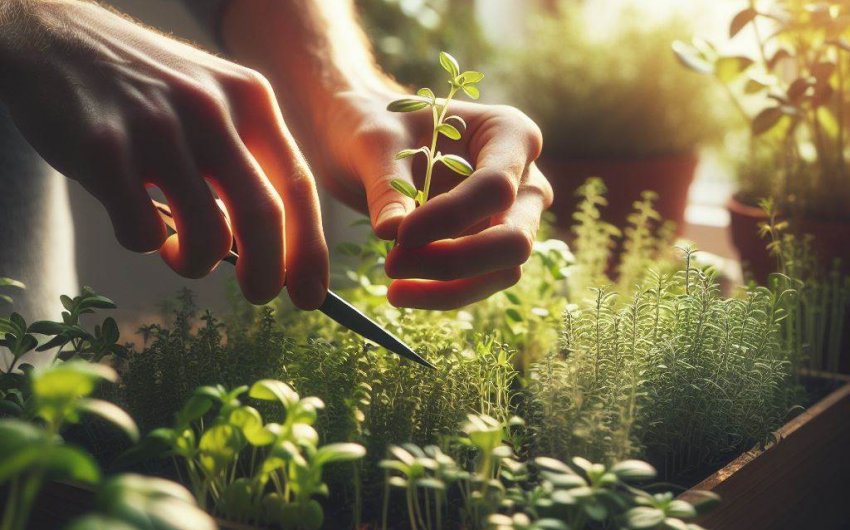
The ultimate guide to indoor herb gardening involves selecting herbs suited to your available light, providing optimal containers with drainage, and using a high-quality potting mix. Consistent watering (when the topsoil is dry), adequate bright light (often supplemental), and regular harvesting are key tips and tricks for a thriving, year-round supply of fresh culinary herbs.
Why is indoor herb gardening a must-have for every home?
Indoor herb gardening has become an increasingly popular and essential practice for homes of all sizes. Far from being a niche hobby, cultivating your own miniature herb patch offers unparalleled convenience, superior flavor, and a rewarding connection to nature right in your kitchen. It's a must-have for anyone who loves to cook, desires fresh ingredients, or simply wants to add vibrant, aromatic greenery to their living space.
What are the compelling benefits of cultivating an indoor herb garden?
The advantages of having fresh herbs at your fingertips extend beyond just cooking, impacting your well-being, wallet, and environment.
- Unmatched Freshness and Flavor: This is the primary draw. Herbs picked just moments before use offer a more vibrant, intense, and complex flavor than dried herbs or store-bought fresh herbs that have traveled long distances. They elevate any dish, from everyday meals to gourmet creations.
- Cost Savings: Regularly buying fresh herbs from the grocery store can be expensive, especially if you use them frequently. Growing your own provides a continuous, cost-effective supply, often saving a significant amount of money over time.
- Convenience at Your Fingertips: No more last-minute runs to the grocery store when a recipe calls for a sprig of rosemary! Fresh herbs are literally steps away from your cooking station, making meal preparation easier and more enjoyable.
- Health and Nutrition: Fresh herbs are packed with vitamins, minerals, and powerful antioxidants. Growing them yourself ensures you have access to a continuous supply of these nutrient-dense ingredients, free from pesticides.
- Aromatic Ambiance: Many herbs (basil, mint, rosemary) release delightful fragrances when brushed or harvested, naturally enhancing the ambiance of your kitchen and home with invigorating and calming scents.
- Beautiful Home Decor: An indoor herb garden adds a living, green element to your interior space. The varied textures and shades of green (or even purple for some basil varieties) are aesthetically pleasing, brightening up windowsills, countertops, or shelves, and complementing various decor styles.
- Easy to Grow (Generally): Most common culinary herbs are surprisingly resilient and straightforward to cultivate indoors with adequate light, making them suitable for beginners.
- Sustainable Practice: Growing your own herbs reduces reliance on commercially produced herbs that may involve long-distance transportation, plastic packaging, and chemical inputs. It's a small but significant step towards a more sustainable lifestyle.
- Educational Value: For families, it's a wonderful, hands-on way to teach children about where food comes from, plant care, and environmental responsibility.
The combination of culinary enhancement, economic benefits, and aesthetic appeal makes starting an indoor herb garden a truly rewarding and beneficial endeavor for any home.
What herbs are generally the easiest and most popular to grow indoors?
When starting your indoor herb garden, choosing beginner-friendly herbs that are frequently used in cooking increases your chances of success.
- Basil (Ocimum basilicum):
- Why Popular: Highly aromatic, essential for Italian and many other cuisines.
- Care: Needs abundant light, warmth, and consistent moisture. Harvest regularly to promote bushiness.
- Chives (Allium schoenoprasum):
- Why Popular: Mild oniony flavor, great for garnishes.
- Care: Extremely easy to grow, grows in clumps, can be snipped repeatedly. Tolerates slightly lower light than many herbs.
- *Mint (Mentha spp.):*
- Why Popular: Invigorating aroma, versatile in drinks and desserts.
- Care: Very vigorous, almost indestructible. Best grown in its own pot to prevent it from taking over other herbs.
- Oregano (Origanum vulgare):
- Why Popular: Essential for Mediterranean and Mexican dishes.
- Care: Loves sun and well-draining soil, quite hardy and tolerant of drying out between waterings.
- Parsley (Petroselinum crispum):
- Why Popular: Classic garnish and flavor enhancer.
- Care: Both flat-leaf (Italian) and curly varieties grow well, needing consistent moisture and bright light.
- Rosemary (Salvia rosmarinus):
- Why Popular: Aromatic, woody herb, essential for roasted meats and potatoes.
- Care: Needs abundant direct sunlight, excellent drainage, and good air circulation. Can be challenging without proper light.
- Thyme (Thymus vulgaris):
- Why Popular: Earthy, aromatic, versatile in many savory dishes.
- Care: Drought-tolerant once established, needs plenty of sun and good drainage.
- Cilantro (Coriandrum sativum):
- Why Popular: Essential for Latin American, Asian, and Indian cuisines.
- Care: Can be tricky; tends to "bolt" (go to seed) quickly in warm indoor temperatures. Best grown in succession (planting new seeds every few weeks).
By focusing on these resilient and versatile herbs, you set yourself up for a satisfying and productive indoor gardening experience, ensuring a continuous supply of fresh, aromatic ingredients.
What is the ideal setup for a thriving indoor herb garden?
Creating the perfect environment for your indoor herb garden is paramount to its success. This involves carefully selecting the right location for light and warmth, choosing appropriate containers, and using a high-quality potting mix that meets the specific needs of your culinary herbs. A well-designed setup ensures your herbs not only survive but thrive.
1. Light: The single most crucial factor for herbs.
Herbs are sun-loving plants, and insufficient indoor light is the most common reason for failure.
- Abundant Direct Sunlight (Minimum 6 hours): Most culinary herbs require at least 6-8 hours of direct, unfiltered sunlight per day to grow densely, produce robust foliage, and develop their full, intense flavor.
- South-Facing Window (Ideal): In the Northern Hemisphere, a south-facing window is typically the best location, providing the most intense and prolonged light exposure.
- East/West-Facing Windows: East-facing windows offer gentle morning sun, which is good for many herbs. West-facing windows provide hotter afternoon sun, which can be intense but beneficial for some (like rosemary, thyme).
- Rotate Regularly: If your herbs are in a window, rotate them every few days or weekly to ensure all sides receive even light exposure, promoting balanced growth and preventing them from leaning excessively towards the light.
- Supplemental Grow Lights (Highly Recommended): If you don't have a sufficiently sunny window (which is common in many homes), full-spectrum LED grow lights are a game-changer and often essential for a thriving indoor herb garden.
- DO: Position grow lights just a few inches (4-8 inches) above the plants.
- DO: Keep them on for 14-16 hours per day during active growth. A grow light with a timer is ideal for consistency.
- Why: Grow lights provide the consistent light intensity and duration that herbs need, preventing leggy growth, pale leaves, and weak flavor.
2. Temperature and Humidity: Keep it comfortable and consistent.
Herbs prefer moderate, stable temperatures and generally do well with average indoor humidity.
- Room Temperature (65-75°F / 18-24°C): Most culinary herbs thrive in typical indoor room temperatures that are comfortable for humans.
- Avoid Extremes:
- DON'T: Place herbs near cold, drafty windows or air conditioning vents, as sudden temperature drops can stress them.
- DON'T: Place directly over heat registers or near fireplaces, which can dry them out too quickly and stress them.
- Humidity: Most common culinary herbs are fine with average household humidity. However, if your home is excessively dry (especially in winter with central heating), providing a little extra humidity (e.g., from grouping plants or an occasional mist) can be beneficial, particularly for basil or parsley.
3. Containers: Choose wisely for plant health.
The right container ensures proper drainage and supports a healthy root system.
- Drainage Holes are NON-NEGOTIABLE: Every single pot for herbs must have drainage holes at the bottom. Without them, excess water accumulates, suffocating roots and leading to fatal root rot.
- Material:
- Terra Cotta Pots: An excellent choice. Their porous nature allows soil to "breathe" and dry out faster, which is ideal for herbs like rosemary, thyme, and oregano that prefer drier soil. A classic terracotta herb pot is perfect.
- Plastic Pots: Retain moisture longer, which can be good for basil, parsley, and mint. They are also more lightweight.
- Ceramic/Glazed Pots: Also retain moisture. Ensure they have drainage.
- Size:
- Individual Pots: Often best, allowing you to tailor watering and repotting to each herb's specific needs.
- Larger Containers/Window Boxes: Can hold multiple herbs, but ensure adequate spacing. Avoid planting aggressive spreaders (like mint) with other herbs unless in separate pots or compartments.
- Self-Watering Planters: Can be a convenient option, especially for herbs that prefer consistent moisture. A good option is self-watering planter with visible water level.
4. Potting Mix: The foundation of healthy roots.
A high-quality potting mix provides structural support, nutrients, and proper moisture management.
- Well-Draining All-Purpose Potting Mix: Use a high-quality, sterile potting mix specifically designed for indoor plants or containers. It should drain well but also retain some moisture.
- Amend for Drainage (if needed): If your chosen potting mix feels too heavy or dense, you can improve drainage by adding some perlite or coarse sand (e.g., 1 part perlite to 3-4 parts potting mix).
- Avoid Garden Soil: NEVER use outdoor garden soil indoors. It compacts easily in pots, can harbor pests and diseases, and may contain weed seeds.
- Organic Matter: A good quality potting mix will contain some compost or other organic matter for slow-release nutrients.
By meticulously setting up these environmental and material foundations, you create an optimal home for your mini herb garden, ensuring its health, vigor, and continuous productivity.
How do I start my indoor herb garden: Seeds vs. Plants vs. Cuttings?
Once your ideal setup is ready, you have a few excellent options for populating your mini herb garden. You can start from seeds, purchase nursery plants, or propagate from cuttings. Each method has its unique advantages in terms of cost, speed, and variety.
1. Starting from seeds: Cost-effective and wide variety.
Growing herbs from seed is economical and gives you the widest choice of varieties, especially for those not always available as plants.
- Gather Your Supplies:
- Herb seeds (check seed packets for specific germination needs like light or dark, stratification).
- Small seed-starting trays or small pots (e.g., 2-inch diameter).
- Sterile seed-starting mix (finer texture than potting mix, no added fertilizer).
- Clear plastic dome or plastic wrap.
- Seedling heat mat (optional but recommended for warmth, e.g., basil, rosemary).
- Labels, mister bottle.
- Prepare Containers: Fill trays/pots with seed-starting mix, gently tamp down, and moisten thoroughly with water.
- Sow Seeds:
- DO: Follow seed packet instructions for planting depth. Many small herb seeds (e.g., basil, oregano, thyme) are simply surface-sown or lightly covered (1/8-1/4 inch deep).
- DO: Sow a few seeds per cell/pot, as not all may germinate. You will thin to the strongest seedling later.
- DON'T: Bury small seeds too deep.
- Provide Warmth and Humidity:
- DO: Place trays on a heat mat (if using) set to the recommended temperature for herbs (often 70-75°F or 21-24°C).
- DO: Cover trays with a clear plastic dome or plastic wrap to maintain high humidity, which is crucial for germination.
- DON'T: Let the soil dry out during germination. Mist daily if needed.
- Provide Light After Germination:
- DO: As soon as seedlings emerge, remove the dome (and heat mat, if used) and immediately place them under grow lights (2-4 inches above) for 14-16 hours per day.
- DON'T: Let seedlings become leggy in insufficient light.
- Thin and Pot Up:
- DO: Once seedlings have 2-3 sets of true leaves, thin to the strongest seedling per pot by snipping weaker ones at the soil line.
- DO: When roots start filling the small pot, transplant (pot up) into individual 4-6 inch pots filled with good potting mix.
2. Starting from nursery plants: Quick results and immediate harvests.
Purchasing small herb plants from a nursery or garden center offers instant greenery and faster harvests.
- Choose Healthy Plants:
- DO: Select plants that look vigorous, have healthy green foliage, and show no signs of pests or disease.
- DON'T: Buy stressed, wilting, or yellowing plants.
- Gather Supplies: Your chosen herb plants, desired permanent containers (with drainage holes), high-quality, well-draining potting mix, small hand trowel.
- Prepare Containers: Fill your containers partially with potting mix.
- Planting:
- DO: Gently remove the herb plant from its nursery pot. If the roots are circling the bottom, gently tease them apart to encourage outward growth.
- DO: Plant the herb at the same depth as it was in its original container.
- DO: Backfill with potting mix, gently firming it around the roots.
- Initial Watering:
- DO: Water thoroughly until water drains from the bottom.
- Location: Place the newly potted herbs in their permanent sunny location immediately.
3. Starting from cuttings: Free and easy propagation.
Many herbs (e.g., mint, rosemary, basil, oregano) can be easily propagated from cuttings taken from existing healthy plants, whether from your own garden or a friend's.
- Take Cuttings:
- DO: Using clean, sharp scissors, take 4-6 inch stem cuttings from healthy, non-flowering tips.
- Prepare Cuttings:
- DO: Remove the leaves from the bottom 2 inches of the cutting.
- Rooting in Water:
- DO: Place the prepared cuttings in a glass of water, ensuring the bare nodes are submerged.
- DO: Change the water every few days.
- Why: Roots typically form in 1-3 weeks.
- Rooting in Soil:
- DO: For direct soil rooting, insert the bare end of the cutting into moist, well-draining potting mix.
- DO: Cover with a plastic bag or dome to create humidity.
- Why: Roots typically form in 2-4 weeks.
- Transplant: Once roots are 1-2 inches long (for water-rooted), transplant into pots with potting mix.
By choosing the method that best suits your patience, budget, and immediate needs, you can successfully establish your indoor herb garden, bringing fresh flavors and vibrant life into your home.
How do I care for my indoor herb garden year-round?
Consistent and appropriate care is key to maintaining a thriving indoor herb garden that provides fresh flavors year-round. This involves attentive watering, balanced feeding, regular harvesting, and proactive troubleshooting to keep your herbs healthy, productive, and free from common indoor issues.
1. Watering: The most critical daily task.
Proper watering is fundamental to herb health and prevents common indoor problems.
- "Soak and Dry" Method:
- DO: Water thoroughly until water drains from the bottom of the pot.
- DO: Allow the top 1-2 inches of soil to dry out completely before watering again.
- Why: This promotes strong root growth and prevents root rot, which is common with overwatering indoors.
- DON'T: Water on a rigid schedule. Always check soil moisture first.
- Monitor Moisture:
- DO: Use your finger to feel the soil, or better yet, invest in a soil moisture meter. This takes the guesswork out of watering.
- Watering Can:
- DO: Use a small watering can with a long spout for precise watering at the base of the plants, avoiding wetting the foliage (which can promote fungal issues).
- Factors Affecting Frequency: Watering frequency will vary based on:
- Season: More frequent in summer (active growth, heat), less in winter (slowed growth).
- Pot Material: Terra cotta dries faster than plastic.
- Pot Size: Smaller pots dry faster.
- Humidity/Light: Higher light and lower humidity mean faster drying.
- Empty Saucers:
- DO: Always empty any excess water from the saucers after about 15-30 minutes. Allowing pots to sit in standing water is a direct cause of root rot.
2. Fertilization: Gentle nourishment for sustained growth.
Herbs don't need heavy feeding, but consistent growth benefits from some nutrients.
- Active Growing Season (Spring to Early Fall):
- DO: Fertilize every 4-6 weeks during periods of active growth.
- DON'T: Fertilize in late fall or winter when growth naturally slows.
- Diluted Liquid Organic Fertilizer:
- DO: Use a balanced, liquid organic fertilizer (e.g., fish emulsion, kelp meal, compost tea) diluted to half strength.
- Why: Organic options are gentler on roots and enhance soil biology.
- DON'T: Over-fertilize with strong synthetic fertilizers, which can burn delicate roots.
- Compost Boost:
- DO: Top-dress with a thin layer of worm castings or finished compost once or twice a year in spring/summer. This provides a slow, gentle nutrient release.
- Always Water Before Fertilizing:
- DO: Ensure the soil is moist before applying liquid fertilizer to prevent root burn.
3. Harvesting: The key to bushy, productive herbs.
Regular harvesting encourages new growth and prevents plants from becoming leggy or bolting prematurely.
- "Pinch Back" Regularly:
- DO: For herbs like basil, mint, oregano, and rosemary, regularly pinch off the top few sets of leaves or trim stems just above a leaf node.
- Why: This encourages the plant to branch out, leading to bushier, denser growth and preventing it from "bolting" (going to seed) prematurely.
- Frequency: As often as you need to use the herbs.
- Harvest Outer Leaves (for some):
- DO: For herbs like parsley, cilantro, or chives, harvest the outer leaves first, working your way inward.
- Avoid Over-Harvesting:
- DO: Never remove more than one-third of the plant's foliage at a time to ensure it has enough leaves for photosynthesis and recovery.
- DON'T: Strip all leaves from a single stem.
- Use Clean Tools:
- DO: Use clean, sharp scissors or pruning shears for harvesting to make clean cuts and prevent disease.
4. Pruning and Repotting: Maintaining vigor.
- Pruning:
- DO: Remove any yellowing, dead, or diseased leaves or stems immediately.
- DO: For leggy herbs, cut them back hard (even by half) in spring to encourage new, compact growth.
- Repotting:
- DO: Repot herbs annually or every 1-2 years into a pot one size larger, or refresh the potting mix in the same pot.
- Why: Herbs can quickly become root-bound, and potting mix breaks down, reducing nutrients and drainage.
- DON'T: Use a pot that is too large, as it holds too much excess moisture.
By diligently following these year-round care practices, you ensure your indoor herb garden remains a vibrant, healthy, and continuously productive source of fresh flavors for all your culinary adventures.
How do I troubleshoot common problems in my indoor herb garden?
Even with careful planning and consistent care, indoor herb gardens can sometimes encounter problems. Recognizing common issues quickly and knowing how to troubleshoot them effectively will help you keep your herbs thriving and productive, ensuring a continuous supply of fresh flavors.
Why are my herb leaves turning yellow, brown, or dropping?
Leaf discoloration or drop is a common indicator of underlying stress.
- Yellowing Leaves:
- Overwatering (Most Common Cause): If leaves turn yellow, appear soft, mushy, or droopy, and the soil feels wet, it's often a sign of root rot due to too much water and poor drainage.
- Solution: Immediately stop watering. Allow soil to dry out. Check for root rot (unpot and inspect roots for mushy, black areas), repot if necessary. Adjust watering to the "soak and dry" method.
- Underwatering: If leaves turn dull yellow, then brown and crispy, and the soil is bone dry, the plant is dehydrated.
- Solution: Water thoroughly. Establish a consistent watering schedule based on soil moisture.
- Nutrient Deficiency: If yellowing is general, or on older leaves, it could be a lack of nutrients (especially nitrogen).
- Solution: Fertilize lightly with a balanced liquid organic fertilizer during the growing season.
- Insufficient Light: Pale yellowing, sometimes combined with leggy growth, indicates not enough light.
- Solution: Move to a brighter location or add a grow light.
- Overwatering (Most Common Cause): If leaves turn yellow, appear soft, mushy, or droopy, and the soil feels wet, it's often a sign of root rot due to too much water and poor drainage.
- Brown/Crispy Edges or Tips:
- Underwatering: As above, if the soil is dry.
- Low Humidity: Many herbs appreciate higher humidity. Dry indoor air (common in winter) can cause leaf edges to crisp.
- Solution: Mist regularly, use a pebble tray, or place near a humidifier.
- Salt Buildup: Can occur from over-fertilization or hard tap water.
- Solution: Flush the pot with plain water, reduce fertilizer, consider filtered water.
- Leaf Drop:
- Sudden Environmental Change: Moving a plant, drastic temperature swings (cold drafts).
- Severe Under/Overwatering: Both extremes cause stress.
- Pests: Heavy infestations can cause leaves to yellow and drop.
- Natural Senescence: Older, lower leaves yellow and drop as part of natural plant growth.
Why is my herb plant leggy, sparse, or losing flavor?
These issues are typically related to light, harvesting, or nutrition.
- Leggy Growth (Stretching Out): Long, spindly stems with widely spaced leaves are a clear sign of insufficient light. The plant is stretching to find light.
- Solution: Move to the brightest possible location or add a strong grow light. Prune back leggy stems to encourage bushier growth.
- Sparse Foliage: Can be due to insufficient light, but also under-harvesting (leading to legginess) or lack of nutrients.
- Solution: Increase light, harvest regularly, fertilize lightly during the growing season.
- Losing Flavor/Aroma:
- Cause: Insufficient light is a major factor. Herbs need strong light to produce the aromatic oils that give them flavor.
- Cause: Bolting (going to seed prematurely) can significantly reduce leaf flavor.
- Solution: Increase light. Harvest regularly to prevent bolting. Remove flower stalks as they appear unless you want seeds.
What pests commonly affect indoor herbs and how do I treat them?
Indoor herbs can attract common houseplant pests, especially in dry, stagnant conditions.
- Aphids: Small, soft-bodied insects (green, black, or reddish) clustered on new growth.
- Solution: Blast with a strong stream of water. Use insecticidal soap or neem oil (follow label, spray evening/early morning).
- Spider Mites: Tiny, almost invisible pests causing yellow stippling and fine webbing, often in dry conditions.
- Solution: Increase humidity. Blast with water. Use insecticidal soap or neem oil.
- Fungus Gnats: Small, black flies buzzing around soil. Larvae (tiny white worms) feed on fine roots in wet soil.
- Solution: Allow soil to dry out more between waterings. Use yellow sticky traps for adults. Apply mosquito bits (containing BTI) to the soil surface.
- Whiteflies: Tiny, white, moth-like insects often found on undersides of leaves. Fly up in a cloud when disturbed.
- Solution: Blast with water. Use insecticidal soap or neem oil. Yellow sticky traps.
General Troubleshooting Tips:
- Inspect Regularly: DO: Make it a habit to inspect your herbs closely every time you water. Look under leaves and in crevices for pests or signs of disease.
- Sanitation: DO: Remove any yellowing, dead, or diseased leaves immediately to prevent further issues.
- Quarantine New Plants: DO: Isolate new plants for a few weeks before introducing them to your established mini herb garden to avoid bringing in pests.
- Listen to Your Plants: DO: Your herbs will tell you what they need through their appearance. Learn to interpret their signals and troubleshoot accordingly.
By diligently monitoring, understanding the root causes of common problems, and applying targeted solutions, you can keep your indoor herb garden healthy, thriving, and continuously supplying your kitchen with fresh, flavorful herbs throughout the year.