
10 Low-Light Houseplants to Brighten Up Any Space
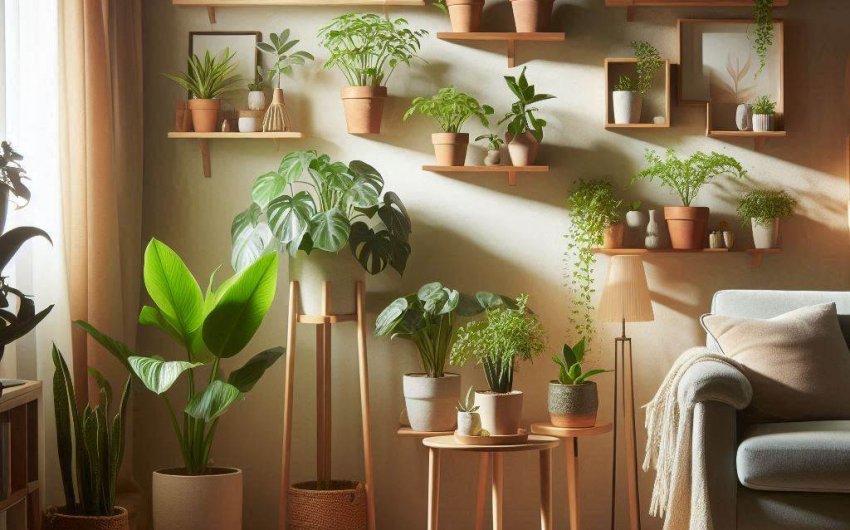
10 low-light houseplants to brighten up any space offer vibrant greenery and air-purifying benefits without demanding direct sun. These resilient plants, including Snake Plant, ZZ Plant, Pothos, and Peace Lily, thrive in dimmer indoor conditions, making them perfect for north-facing windows, shaded corners, or offices.
Why are low-light houseplants a game-changer for indoor gardeners?
Low-light houseplants are an absolute game-changer for indoor gardeners, solving the common dilemma of brightening up dim spaces without access to abundant sunlight. These resilient and adaptable plants challenge the misconception that lush greenery requires a sunny windowsill, making plant ownership accessible to everyone, regardless of their home's natural light conditions. They are a secret weapon for transforming neglected corners into vibrant, inviting green sanctuaries.
What defines a "low-light" indoor space?
Understanding what truly constitutes a low-light indoor space is crucial for successful plant selection. It's not about complete darkness, but rather an absence of direct sun.
- North-Facing Windows (in Northern Hemisphere): These windows typically receive bright, indirect light all day, but no direct sun. This is often an ideal "low-light" scenario.
- East-Facing Windows (set back): While east-facing windows get gentle morning sun, plants placed several feet back from these windows (or behind sheer curtains) will receive indirect low light.
- Interior Rooms: Rooms without windows, or those where windows are small or heavily shaded by external structures, are true low-light environments.
- Corners and Hallways: Even in bright rooms, corners, hallways, or spaces far from a window receive very limited ambient light.
- Shadows: If a spot consistently remains in shadow, even during the brightest part of the day, it's a low-light spot.
- "Reading Test": If you can comfortably read a book in a spot without artificial light, it probably has enough ambient light for low-light tolerant plants. If you struggle to read, it might be too dark.
What are the benefits of choosing low-light houseplants?
Low-light houseplants offer a unique set of advantages that make them incredibly appealing.
- Versatile Placement: Their primary benefit. They can thrive in spaces where other plants would wither: north-facing windows, shaded corners, bathrooms, offices, and hallways. This opens up a world of decorating possibilities.
- Beginner-Friendly: Many low-light tolerant plants are also incredibly forgiving and low-maintenance, making them ideal for new plant parents.
- Enhanced Aesthetics: They bring life, color, and texture to otherwise dull or neglected areas, transforming the ambiance of a room.
- Air Purification: Like many houseplants, numerous low-light varieties are excellent at filtering indoor air, removing common toxins and contributing to a healthier living environment.
- Boosts Well-being: Connecting with plants and greenery has proven benefits for mental health, reducing stress and improving mood, regardless of the light intensity.
- Survival in Winter: Even for plants that prefer brighter light in summer, choosing low-light tolerant options ensures they can better survive the reduced natural light of winter indoors.
- Minimalist Appeal: Many low-light plants have strong, sculptural forms that fit well into modern, minimalist decor.
By selecting plants specifically adapted to dimmer conditions, indoor gardeners can effortlessly brighten up any space, cultivating lush greenery and reaping the numerous benefits of living with plants.
1. Snake Plant (Sansevieria trifasciata): The Indestructible Air Purifier
The Snake Plant (Sansevieria trifasciata), also known as Mother-in-Law's Tongue, is virtually indestructible and tops the list of low-light houseplants. Its striking, upright, sword-like leaves add a modern, architectural element to any space, thriving in conditions that would challenge most other plants.
Why is the Snake Plant perfect for low-light spaces?
The Snake Plant's exceptional resilience and adaptability make it a champion for dim indoor environments.
- Extreme Low-Light Tolerance: It can tolerate very low light conditions, including north-facing windows, offices with only fluorescent lighting, or shaded corners. It will grow slower in these conditions but will still remain healthy.
- Drought Tolerance: As a succulent, it stores water in its thick leaves, allowing it to withstand long periods of infrequent watering. This makes it incredibly forgiving for forgetful waterers.
- Air Purifier: It's one of NASA's top air-purifying plants, effectively removing toxins like formaldehyde, benzene, and trichloroethylene from indoor air.
- Architectural Form: Its upright, stiff leaves create a strong vertical element that complements modern and minimalist decor.
- Pest Resistant: Generally very pest-resistant, especially when not overwatered.
Care Tips for a Thriving Snake Plant:
- Light: While it tolerates low light, it will grow faster and its variegated patterns will be more pronounced in bright, indirect light. Avoid direct, scorching afternoon sun.
- Watering (Crucial): Overwatering is the biggest killer. Water thoroughly only when the soil is completely dry (often every 2-4 weeks, or even less in winter). Ensure good drainage.
- Soil: Use a well-draining succulent/cactus potting mix.
- Temperature: Prefers average room temperatures (65-80°F / 18-27°C). Protect from cold drafts and temperatures below 50°F (10°C).
- Fertilization: Fertilize very sparingly (once or twice during spring/summer) with a diluted liquid houseplant fertilizer.
- Repotting: Only repot when severely root-bound, usually every 2-5 years.
The Snake Plant is an ideal choice for beginners, busy individuals, or anyone looking to add a touch of low-maintenance, air-purifying greenery to even the dimmest corners of their home.
2. ZZ Plant (Zamioculcas zamiifolia): The Resilient Survivor
The ZZ Plant (Zamioculcas zamiifolia), sometimes called the Eternity Plant, is celebrated for its incredible hardiness and ability to thrive on neglect. Its glossy, dark green, upright foliage adds a lush, modern touch to any space, making it a perfect low-light houseplant for beginners and busy individuals alike.
Why is the ZZ Plant perfect for low-light spaces?
The ZZ Plant's exceptional resilience to challenging indoor conditions makes it a true survivor.
- Extreme Low-Light Tolerance: It is famous for tolerating very low light levels, including rooms with only artificial light or north-facing windows. It will grow slowly but remain healthy.
- Drought Tolerance: It stores water in its thick rhizomes (underground stems) and fleshy leaves, allowing it to survive long periods of infrequent watering. This makes it incredibly forgiving for those who tend to forget to water.
- Glossy, Attractive Foliage: Its stiff, upright, dark green leaves have a natural shine, adding a lush, sculptural element to any interior.
- Pest Resistant: Generally very resistant to common houseplant pests, especially when not overwatered.
- Low Maintenance: Requires minimal attention, making it ideal for busy individuals.
Care Tips for a Thriving ZZ Plant:
- Light: While it tolerates low light, it will grow faster and develop a denser form in bright, indirect light. Avoid direct, scorching afternoon sun.
- Watering (Crucial): Overwatering is the biggest killer. Water thoroughly only when the soil is completely dry (often every 3-6 weeks, or even less in winter). Ensure good drainage.
- Soil: Use a well-draining succulent/cactus potting mix or a regular potting mix amended with perlite for extra drainage.
- Temperature: Prefers average room temperatures (65-80°F / 18-27°C). Protect from cold drafts and temperatures below 50°F (10°C).
- Fertilization: Fertilize very sparingly (once or twice during spring/summer) with a diluted liquid houseplant fertilizer.
- Repotting: Only repot when severely root-bound, usually every 2-5 years.
The ZZ Plant is an excellent choice for anyone seeking a low-maintenance, visually appealing plant that can tolerate a wide range of indoor conditions, effortlessly brightening up low-light corners.
3. Pothos (Epipremnum aureum): The Versatile Viner
Pothos (Epipremnum aureum), also known as Devil's Ivy, is one of the most versatile and forgiving houseplants, renowned for its beautiful trailing vines and heart-shaped leaves. Its incredible adaptability to low light conditions and tolerance for neglect make it a staple for beginners and a lush addition to any dim space.
Why is Pothos perfect for low-light spaces?
Pothos's robust nature makes it a star performer in challenging light environments.
- Excellent Low-Light Tolerance: It thrives in a wide range of light conditions, from bright, indirect light to very low light areas. While growth will be slower and variegation may fade in low light, it generally remains healthy.
- Forgiving of Neglect: It's quite tolerant of inconsistent watering and less-than-perfect conditions, making it ideal for beginners.
- Versatile Growth Habit: Pothos is a vigorous vining plant. It can trail beautifully from hanging baskets or shelves, or be trained to climb a moss pole or trellis, adding vertical interest.
- Air Purifier: It's another plant on NASA's list for purifying indoor air, removing toxins like formaldehyde, xylene, and carbon monoxide.
- Easy to Propagate: Extremely easy to propagate from stem cuttings, allowing you to easily create more plants or fill out sparse areas.
Care Tips for a Thriving Pothos:
- Light: While it tolerates low light, bright, indirect light promotes faster growth and more vibrant variegation (for varieties like 'Marble Queen' or 'Golden'). Avoid direct, scorching sun.
- Watering: Water thoroughly when the top 1-2 inches of soil are dry. Allow the soil to dry out a bit more between waterings in winter. Ensure good drainage.
- Soil: Use a good quality, well-draining all-purpose potting mix.
- Temperature: Prefers average room temperatures (65-80°F / 18-27°C). Protect from cold drafts below 50°F (10°C).
- Fertilization: Fertilize monthly during spring/summer with a diluted liquid houseplant fertilizer. Reduce or cease in fall/winter.
- Pruning: Pinch back regularly to encourage bushier growth and prevent legginess.
Pothos is an incredibly rewarding houseplant, bringing lush, trailing greenery and air-purifying benefits to even the most challenging low-light spots in your home.
4. Peace Lily (Spathiphyllum spp.): Elegant Blooms in Dim Corners
The Peace Lily (Spathiphyllum spp.) is cherished for its elegant white "flowers" (actually modified leaves called spathes) and glossy dark green foliage. It's an excellent low-light houseplant that signals its needs clearly, making it forgiving for beginners, and adds a touch of sophistication to any dim corner.
Why is the Peace Lily perfect for low-light spaces?
The Peace Lily's natural habitat and growth habits make it well-suited for dimmer indoor conditions.
- Shade-Loving Nature: Native to tropical rainforest floors, it naturally thrives in the filtered, low light conditions found beneath dense canopies. It prefers bright, indirect light but can tolerate significantly lower light levels.
- Air Purifier: It's a top-tier air-purifying plant, highly effective at removing formaldehyde, benzene, trichloroethylene, and ammonia from indoor air.
- Beautiful Foliage and Flowers: Its glossy, dark green leaves are attractive year-round, and its elegant white spathes (which can bloom several times a year) add a touch of beauty and purity, even in dim conditions.
- Communicative: A Peace Lily dramatically wilts when it needs water, making its needs very clear (though it quickly bounces back after watering). This makes it hard to accidentally underwater.
Care Tips for a Thriving Peace Lily:
- Light: Prefers bright, indirect light for best flowering, but tolerates low light. Avoid direct sun, which can scorch leaves.
- Watering (Crucial): Keep the soil consistently moist but not waterlogged. Water when the top inch of soil feels dry or when the plant starts to slightly wilt. Allow good drainage. Reduce watering in winter.
- Soil: Use a good quality, well-draining all-purpose potting mix rich in organic matter.
- Temperature: Prefers warm, stable room temperatures (65-80°F / 18-27°C). Protect from cold drafts and temperatures below 50°F (10°C).
- Humidity: Appreciates high humidity. Mist regularly, use a pebble tray, or place near a humidifier.
- Fertilization: Fertilize every 2-4 weeks during spring/summer with a diluted liquid houseplant fertilizer. Reduce or cease in fall/winter.
- Pruning: Remove spent flower stalks at the base and any yellowing/dead leaves.
The Peace Lily is a beautiful and effective low-light houseplant, bringing elegant blooms and superior air-purifying qualities to even the shadiest corners of your home.
5. Cast Iron Plant (Aspidistra elatior): The Ultimate Shade Tolerator
The Cast Iron Plant (Aspidistra elatior) truly lives up to its name, celebrated for its virtually indestructible nature and unparalleled tolerance for deep shade and neglect. Its long, glossy, dark green leaves add a classic, resilient presence to any space, making it the ultimate choice for the darkest corners.
Why is the Cast Iron Plant perfect for low-light spaces?
The Cast Iron Plant is the champion of challenging, dimly lit environments.
- Exceptional Deep Shade Tolerance: It can tolerate truly remarkably low light conditions, including north-facing windows, deeply shaded corners, and even rooms with minimal natural light. It grows slowly but consistently in these conditions.
- Forgiving of Neglect: It is extremely drought tolerant and forgiving of inconsistent watering, temperature fluctuations, and generally poor conditions, making it one of the toughest houseplants available.
- Resilient Foliage: Its long, sword-like, dark green leaves are sturdy, glossy, and remain attractive even in dim light.
- Pest Resistant: Generally very resistant to common houseplant pests.
- Long-Lived: With proper care, a Cast Iron Plant can live for many decades, becoming a cherished, enduring part of your home.
Care Tips for a Thriving Cast Iron Plant:
- Light: Tolerates deep shade, but performs best in low to bright, indirect light. Avoid direct sun, which can scorch its leaves.
- Watering (Crucial): Water thoroughly only when the top 2-3 inches of soil are dry, and allow the soil to dry out almost completely between waterings, especially in winter. Overwatering is its biggest enemy. Ensure excellent drainage.
- Soil: Use a good quality, well-draining all-purpose potting mix.
- Temperature: Prefers average room temperatures (60-85°F / 15-29°C). Tolerates cooler temperatures down to 40°F (4°C) but protect from frost.
- Humidity: Tolerates average household humidity.
- Fertilization: Fertilize very sparingly (once in spring) with a diluted liquid houseplant fertilizer. Too much fertilizer can burn it.
- Repotting: Only repot when severely root-bound, usually every 3-5 years or more. It prefers to be a bit pot-bound.
The Cast Iron Plant is the ultimate choice for those seeking a truly low-maintenance, resilient plant to brighten up even the darkest, most neglected spaces in their home or office.
6. Prayer Plant (Maranta leuconeura): Lively Foliage in Moderate Light
The Prayer Plant (Maranta leuconeura) is a vibrant, low-growing foliage plant famous for its striking leaf patterns and unique behavior: its leaves fold upwards at night, resembling praying hands, then flatten out again in the morning. Its preference for moderate light and humidity makes it a dynamic choice for brightening indirect light spaces.
Why is the Prayer Plant perfect for low-light spaces?
The Prayer Plant's natural habitat and behavior make it well-suited for dimmer indoor conditions.
- Moderate Light Preference: Native to tropical rainforest floors, it thrives in bright, indirect light to low light. Direct sun will scorch its leaves and fade its vibrant patterns.
- Striking Foliage: Its oval leaves feature intricate patterns of red veins, dark green blotches, and lighter green or even yellow-green centers, providing year-round color.
- Unique Movement: The daily "praying" movement of its leaves (nyctinasty) adds a fascinating, dynamic element to your indoor plant collection.
- Compact and Bushy Growth: It forms a low, spreading mound of foliage, making it excellent for shelves, tabletops, or hanging baskets.
- Humidity Lover: It appreciates high humidity, which is a common challenge in heated winter homes, but manageable.
Care Tips for a Thriving Prayer Plant:
- Light: Prefers bright, indirect light. Tolerates low light, but colors may be less vibrant. Absolutely avoid direct sun.
- Watering (Crucial): Keep the soil consistently moist but never soggy. Water when the top inch of soil is dry. Use distilled, rainwater, or filtered tap water to avoid leaf burn from chlorine/fluoride. Reduce watering in winter.
- Soil: Use a good quality, well-draining all-purpose potting mix with added perlite or coco coir.
- Temperature: Prefers warm, stable room temperatures (65-80°F / 18-27°C). Protect from cold drafts below 60°F (15°C).
- Humidity (Essential): Requires high humidity. Mist regularly (daily/every other day), use a pebble tray, or place near a plant humidifier.
- Fertilization: Fertilize monthly during spring/summer with a diluted liquid houseplant fertilizer (1/2 strength). Reduce or cease in fall/winter.
- Pruning: Remove yellowing/dead leaves and leggy stems to encourage bushiness.
The Prayer Plant is a beautiful, dynamic low-light houseplant, bringing vibrant patterns and fascinating movement to your dimmer indoor spaces, provided its humidity needs are met.
7. Chinese Evergreen (Aglaonema spp.): Colorful and Adaptable
The Chinese Evergreen (Aglaonema spp.) is a diverse genus of foliage plants celebrated for its incredibly attractive, often variegated leaves and remarkable tolerance for low light and neglect. Available in a stunning array of colors and patterns, it's a versatile choice for brightening up almost any indoor space.
Why is the Chinese Evergreen perfect for low-light spaces?
- Exceptional Low-Light Tolerance: Many varieties thrive in low to moderate light conditions, making them ideal for shaded corners, north-facing windows, or offices. Some green varieties can even tolerate very deep shade.
- Colorful Foliage: Available in an astonishing range of leaf colors and patterns, including shades of green, silver, pink, red, and cream. This provides vibrant color even without flowers.
- Forgiving and Resilient: It's tolerant of inconsistent watering and less-than-perfect conditions, making it an excellent choice for beginners.
- Air Purifier: It's another plant that helps purify indoor air, removing various toxins.
- Compact to Bushy Growth: Grows into a dense, bushy plant, making it a great floor plant or tabletop accent.
Care Tips for a Thriving Chinese Evergreen:
- Light: Tolerates low light, but brighter, indirect light will enhance leaf coloration and promote faster, denser growth. Avoid direct sun, which can scorch leaves.
- Watering: Water thoroughly when the top 1-2 inches of soil are dry. Allow the soil to dry out a bit more between waterings in winter. Ensure good drainage.
- Soil: Use a good quality, well-draining all-purpose potting mix.
- Temperature: Prefers warm, stable room temperatures (65-85°F / 18-29°C). Protect from cold drafts below 60°F (15°C).
- Humidity: Appreciates moderate to high humidity. Mist occasionally or group plants.
- Fertilization: Fertilize monthly during spring/summer with a diluted liquid houseplant fertilizer. Reduce or cease in fall/winter.
- Pruning: Remove yellowing/dead leaves and leggy stems.
The Chinese Evergreen is a fantastic low-light houseplant, offering a dazzling array of colorful foliage and robust adaptability, making it an effortless way to add vibrant life to any dim indoor space.
8. Spider Plant (Chlorophytum comosum): Cascading and Easy-Care
The Spider Plant (Chlorophytum comosum) is a classic and beloved houseplant, famous for its arching, variegated foliage and numerous "spiderettes" (plantlets) that dangle from its stems. Its incredible ease of care and tolerance for a range of conditions, including lower light, make it a perfect choice for hanging baskets in dim spaces.
Why is the Spider Plant perfect for low-light spaces?
The Spider Plant's resilience and propagation habit make it a popular and forgiving choice.
- Moderate Low-Light Tolerance: It thrives in bright, indirect light but can tolerate moderately low light conditions, making it suitable for many indoor spots. Growth may be slower and variegation less pronounced in very low light.
- Easy Care and Forgiving: Extremely easy to care for and tolerant of neglect, making it ideal for beginners.
- Cascading Habit: Its long, arching stems, adorned with "spiderettes," create a beautiful, cascading effect, perfect for hanging baskets or high shelves.
- Air Purifier: It's a well-known air purifier, effectively removing formaldehyde, xylene, and carbon monoxide from indoor air.
- Easy Propagation: The "spiderettes" are incredibly easy to root, allowing you to quickly propagate new plants and expand your collection.
Care Tips for a Thriving Spider Plant:
- Light: Prefers bright, indirect light for best variegation and spiderette production, but tolerates moderately low light. Avoid direct sun.
- Watering: Water thoroughly when the top 1-2 inches of soil are dry. Keep consistently moist during active growth. Reduce in winter. Ensure good drainage.
- Soil: Use a good quality, well-draining all-purpose potting mix.
- Temperature: Prefers average room temperatures (60-80°F / 15-27°C). Protect from cold drafts below 50°F (10°C).
- Humidity: Tolerates average household humidity but appreciates occasional misting.
- Fertilization: Fertilize monthly during spring/summer with a diluted liquid houseplant fertilizer. Reduce or cease in fall/winter.
- Pruning: Remove yellowing/dead leaves and spiderettes for propagation or to encourage new growth.
The Spider Plant is a reliable and delightful low-light houseplant, bringing cascading greenery, air-purifying benefits, and a continuous supply of new plants to brighten up any space.
9. Philodendron Heartleaf (Philodendron hederaceum): Classic Trailing Greenery
The Heartleaf Philodendron (Philodendron hederaceum, often P. scandens) is a quintessential houseplant, beloved for its graceful, heart-shaped, glossy green leaves and vigorous trailing vines. Its iconic status is well-earned, as it's incredibly forgiving and one of the most reliable choices for low-light conditions.
Why is the Heartleaf Philodendron perfect for low-light spaces?
The Heartleaf Philodendron is a tried-and-true classic for dimmer indoor environments.
- Excellent Low-Light Tolerance: It thrives in a wide range of light, from bright, indirect to very low light levels. It will continue to grow, albeit slower and with smaller leaves, even in relatively dark corners.
- Forgiving of Neglect: It's extremely tolerant of inconsistent watering and generally bounces back quickly from minor neglect, making it ideal for beginners.
- Graceful Trailing Habit: Its long, flexible vines cascade beautifully from hanging baskets, shelves, or furniture, adding a lush, natural feel to any room.
- Air Purifier: It's another effective air-purifying plant, removing formaldehyde and other toxins from indoor air.
- Easy Propagation: Extremely easy to propagate from stem cuttings, making it simple to create more plants or fill out sparse areas.
Care Tips for a Thriving Heartleaf Philodendron:
- Light: While it tolerates low light, bright, indirect light promotes faster growth and larger, greener leaves. Avoid direct sun.
- Watering: Water thoroughly when the top 1-2 inches of soil are dry. Allow the soil to dry out a bit more between waterings in winter. Ensure good drainage.
- Soil: Use a good quality, well-draining all-purpose potting mix.
- Temperature: Prefers average room temperatures (65-80°F / 18-27°C). Protect from cold drafts below 55°F (13°C).
- Humidity: Tolerates average household humidity but appreciates moderate to high humidity.
- Fertilization: Fertilize monthly during spring/summer with a diluted liquid houseplant fertilizer. Reduce or cease in fall/winter.
- Pruning: Pinch back regularly to encourage bushier growth and prevent legginess.
The Heartleaf Philodendron is a quintessential low-light houseplant, offering dependable, cascading greenery and air-purifying benefits that effortlessly brighten up any indoor space with classic charm.
10. Dracaena (Various Species): Architectural Forms for Dim Areas
The Dracaena genus encompasses a wide variety of plants, many of which are celebrated for their architectural forms, striking foliage, and remarkable tolerance for low light. Species like Dracaena fragrans (Corn Plant), Dracaena marginata (Dragon Tree), and Dracaena deremensis are excellent choices for adding vertical interest and a touch of the tropics to dimmer indoor spaces.
Why are Dracaenas perfect for low-light spaces?
Many Dracaena species are renowned for their adaptability to less-than-ideal light conditions.
- Excellent Low-Light Tolerance: Most dracaenas can tolerate low to moderate indirect light. While they prefer brighter indirect light for optimal growth, they will maintain their health and attractive foliage even in dim corners or rooms with minimal natural light.
- Architectural Forms: Many varieties (e.g., D. marginata) have tall, slender stems with tufts of foliage, creating strong vertical lines that add a dramatic and modern element to decor.
- Diverse Foliage: Available in a range of leaf shapes and colors, from plain green to variegated forms with red, pink, or yellow stripes, providing visual interest even without bright light.
- Air Purifier: Dracaenas are effective air purifiers, removing toxins like formaldehyde, benzene, and trichloroethylene from indoor air.
- Low Maintenance: Generally forgiving plants that don't demand constant attention, making them suitable for beginners.
Care Tips for a Thriving Dracaena:
- Light: Tolerates low light, but bright, indirect light promotes faster growth and more vibrant variegation. Avoid direct sun, which can scorch leaves.
- Watering: Water thoroughly when the top 1-2 inches of soil are dry. Allow the soil to dry out almost completely between waterings, especially in winter. Ensure good drainage. Don't overwater, as they are susceptible to root rot.
- Soil: Use a good quality, well-draining all-purpose potting mix.
- Temperature: Prefers average room temperatures (65-80°F / 18-27°C). Protect from cold drafts below 60°F (15°C).
- Humidity: Tolerates average household humidity but appreciates moderate humidity. Brown leaf tips can indicate low humidity or fluoride sensitivity.
- Fertilization: Fertilize monthly during spring/summer with a diluted liquid houseplant fertilizer. Reduce or cease in fall/winter.
- Pruning: Remove yellowing/dead leaves. You can prune stems back to encourage branching or control height.
- Fluoride Sensitivity: Some dracaenas can develop brown leaf tips from fluoride in tap water. Consider using filtered or rainwater.
Dracaenas are a versatile group of low-light houseplants, offering architectural forms and attractive foliage that effortlessly brighten up any dimly lit space, bringing a touch of tropical elegance and effective air purification to your home.